GM Burns $7.6B On ‘All-Electric Future’ And Idles 5,500 Workers—Then Ramps Gas Trucks
General Motors has halted production at its $2.2 billion Factory Zero EV plant in Detroit, idling more than 1,000 workers and pausing flagship electric models like the Hummer EV and Silverado EV. The move follows over $7 billion in EV related charges reported in 2025 and signals a broader slowdown across the company’s electric ambitions. As federal incentives shrink and demand softens, GM is shifting focus back toward profitable gasoline trucks. The sudden reversal raises urgent questions about pricing, policy support, and whether the EV transition is moving as quickly as once expected.
Billions Lost As EV Strategy Reworks
In 2025, GM reported more than $7 billion in special charges tied largely to restructuring its electric vehicle investments and production capacity. These charges reflect shifts in strategy as demand failed to meet earlier projections. The financial hit came alongside broader EV slowdowns affecting multiple GM plants across several states. Workers tied to these operations faced layoffs and reduced hours. The scale of the write downs signaled a major recalibration of GM’s electrification roadmap, raising concerns about how sustainable its original plans were under changing market conditions and economic realities.
Incentives Fade And Demand Slows

By late 2025, federal EV incentives had narrowed, with several popular models no longer qualifying for the full $7,500 tax credit. These changes reduced a major driver of consumer demand. As incentives weakened, EV sales growth slowed sharply and market share slipped from recent highs. Analysts warned in early 2026 that adoption gains from the prior 2 years could reverse. GM and other automakers had built plans around strong policy support, and its reduction forced a reassessment. The fading incentive landscape exposed deeper issues that went beyond government support alone.
High Prices Keep Buyers Hesitant
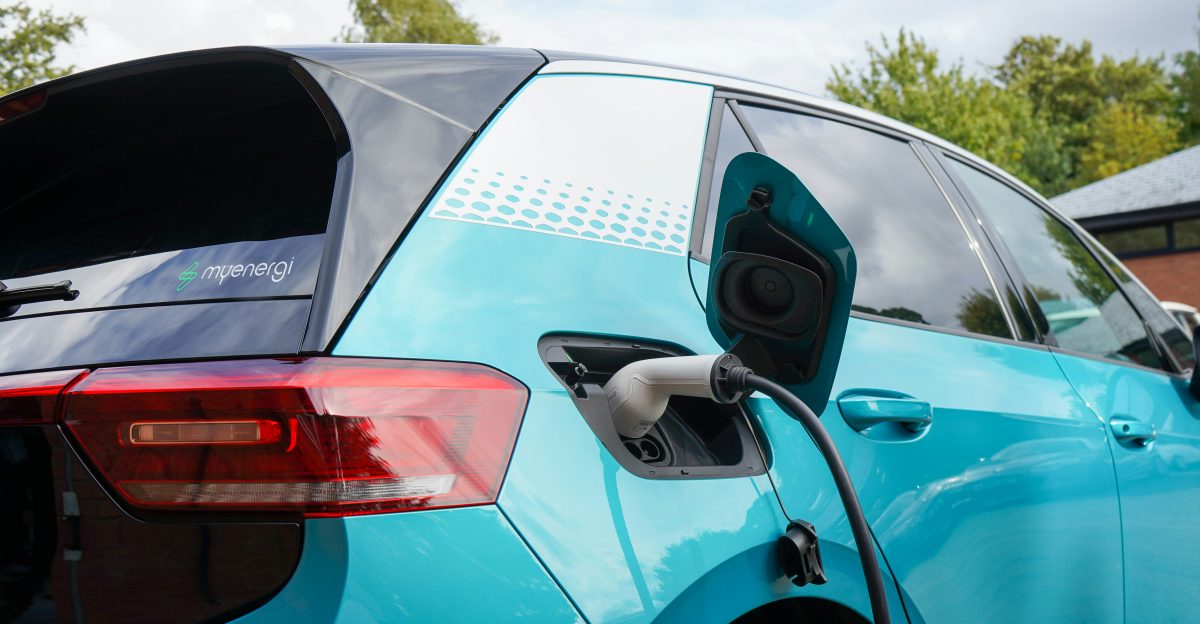
EV pricing remained a major barrier into early 2026. The Hummer EV starts well into 6 figures, while the Silverado EV costs tens of thousands of dollars more than many gasoline trucks. Without strong incentives, these prices put EVs out of reach for many middle income buyers. Surveys from TransUnion and Cox Automotive show most consumers still prefer gasoline or hybrid vehicles. Dealership inventories have become harder to move as demand growth slows. Affordability challenges have reshaped buying decisions, pointing to a disconnect between production goals and real consumer budgets.
Gas Trucks Surge While EVs Stall

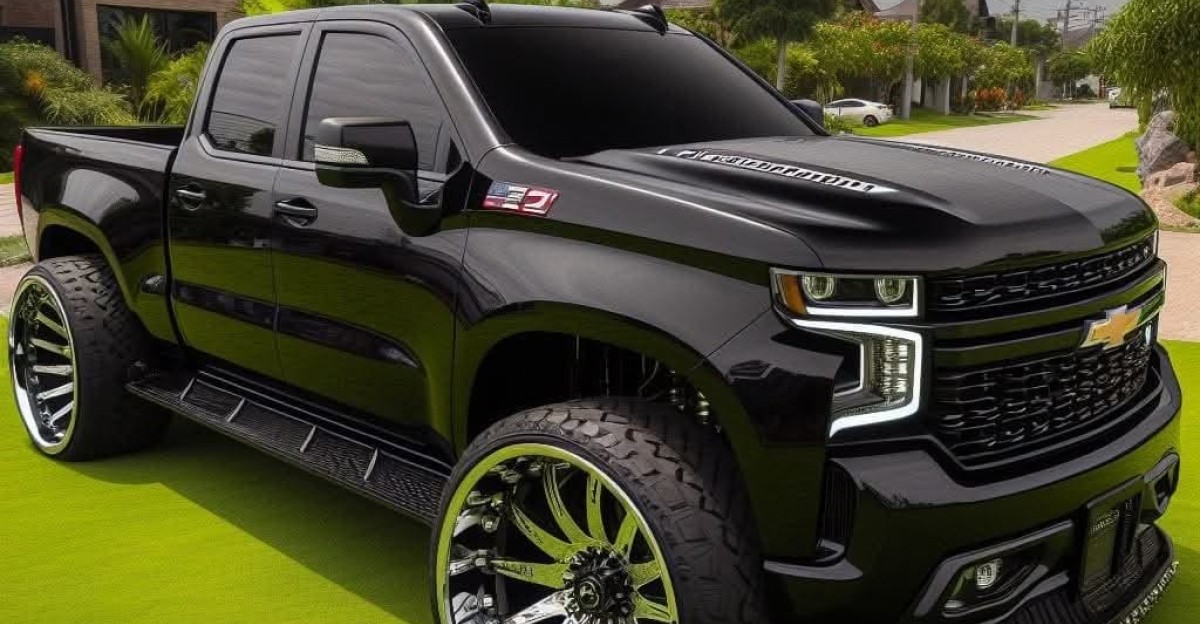
GM’s Flint Assembly plant increased production of gasoline powered Silverado and Sierra heavy duty trucks as EV lines slowed. Demand for these high margin vehicles remained strong, keeping factories running near capacity. At the same time, EV plants faced pauses and cutbacks. GM continued returning capital to shareholders through dividends and stock buybacks despite EV related losses. Analysts at major banks maintained positive ratings, citing truck profitability as a stabilizing force. The contrast between rising truck output and stalled EV production highlights a strategic pivot that continues to unfold.
Battery Plants Feel The Ripple Effects
The slowdown in EV demand has reached deep into GM’s supply chain. The company announced hundreds of job cuts at battery and component plants in Ohio and Tennessee. These moves aim to align production capacity with softer demand forecasts. GM also scaled back parts of its BrightDrop electric van program and integrated it into the Chevrolet brand. Suppliers, charging networks, and fleet customers have all felt the impact. As production adjusts, local economies tied to these facilities face uncertainty, revealing how closely EV expansion connects to broader industrial ecosystems.
Market Foundations Start To Crack
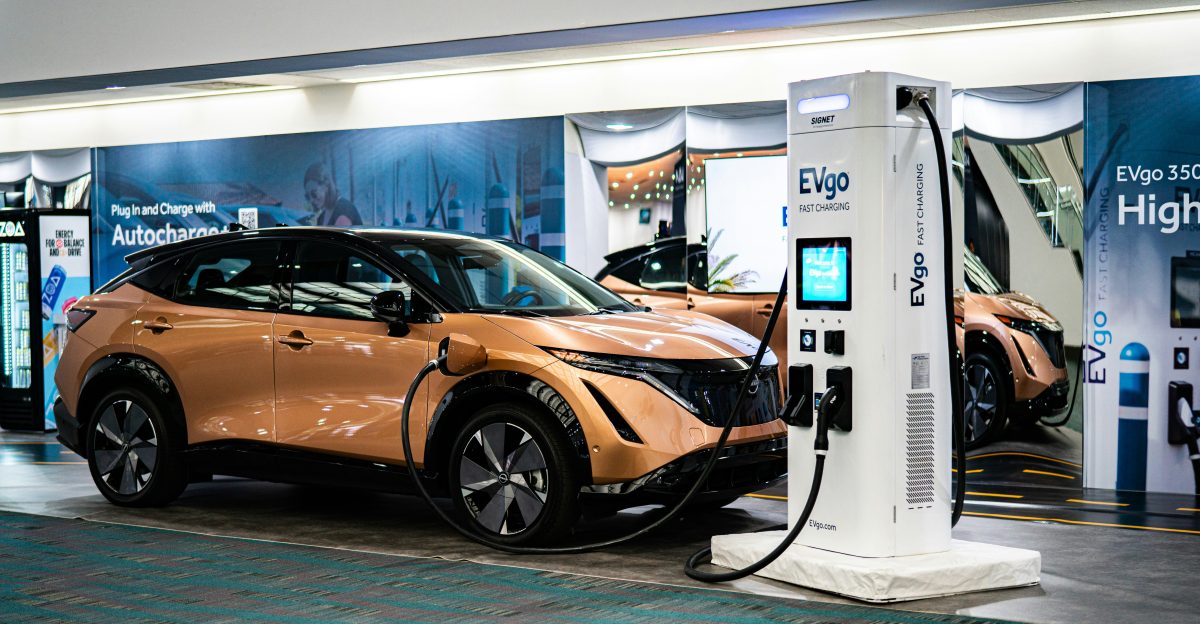
The U.S. EV market has relied on federal incentives, strict emissions rules, and investor tolerance for long term losses. Recent changes weakened each of these supports. Incentives narrowed, regulatory pressure eased, and investors demanded clearer returns. These shifts made it harder for automakers to justify aggressive EV spending without proven profitability. As expectations adjusted, product plans and pricing strategies followed. The cooling of these foundational supports revealed how much early EV momentum depended on external forces rather than sustained consumer driven demand, raising new questions about long term viability.
“2026 Will Be Hard” For Workers
Cox Automotive analyst Stephanie Valdez Streaty said earlier this year, “2026 will be hard. The industry is trying to find that natural demand.” Her statement reflects growing concern across the sector. Workers who had expected steady EV expansion now face furloughs and uncertainty. UAW profit sharing checks have declined from recent highs as restructuring weighs on earnings. Plant managers and union leaders are closely monitoring production schedules, aware that temporary pauses can extend longer than expected. For many employees, the shift from growth to caution has become increasingly tangible.
Policy Changes Reshape GM Strategy
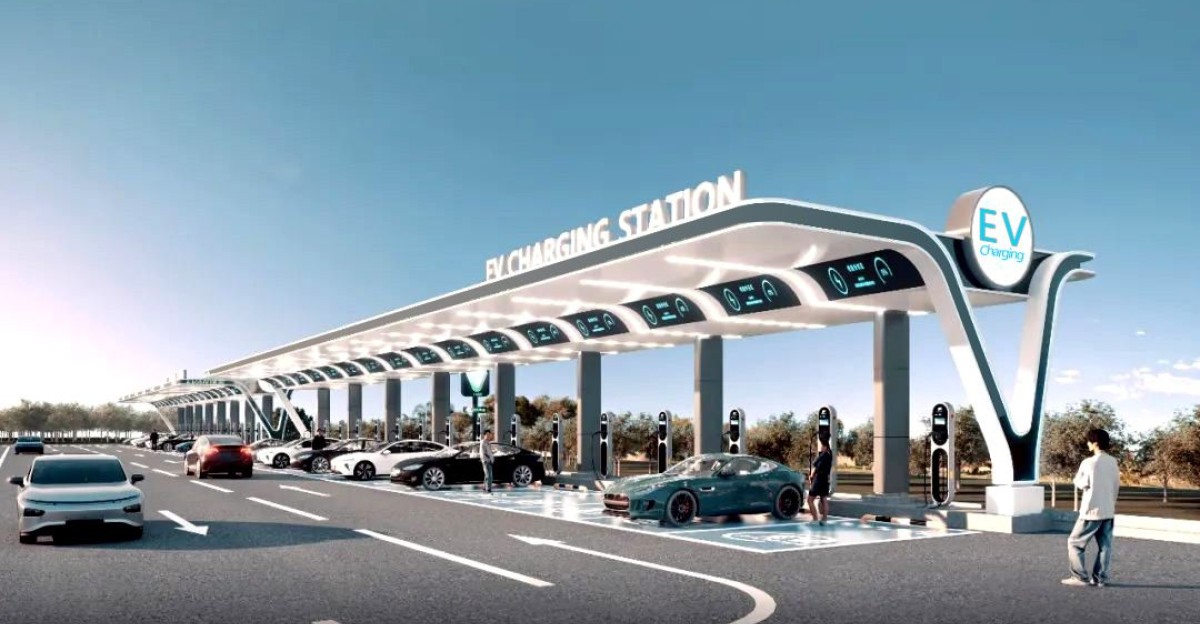
Regulatory shifts under the Trump administration slowed the pace of tightening fuel economy and emissions standards. This reduced pressure on automakers to accelerate EV adoption. GM CEO Mary Barra acknowledged these changes have influenced strategy alongside demand trends and trade policies. With less certainty around future regulations, GM scaled back parts of its EV rollout and absorbed multi billion dollar charges. Policy uncertainty now complicates long term planning across the auto industry, forcing companies to balance investment risks against shifting political and economic signals.
Winners And Losers In EV Transition
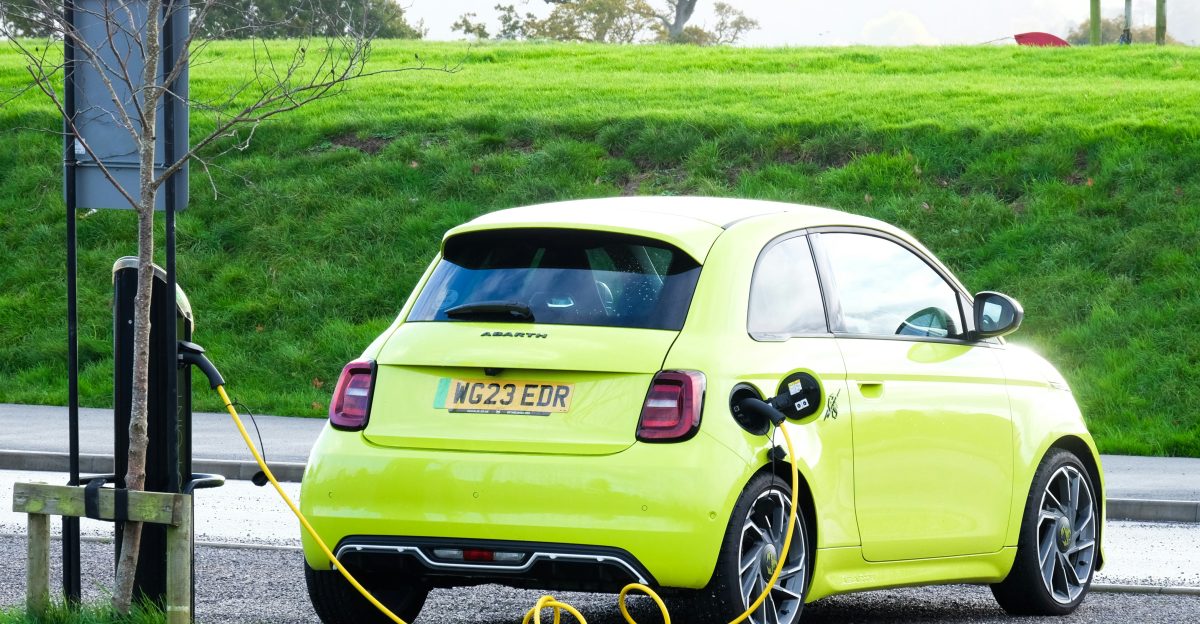
Global competition has intensified as GM adjusts its strategy. Chinese automaker BYD sells millions of vehicles annually and benefits from integrated battery production that lowers costs. Meanwhile, U.S. EV startups like Lucid and Rivian face tighter funding conditions. GM shareholders have gained through buybacks and dividends, even as some workers face layoffs. The uneven distribution of gains and losses highlights the complexity of the EV transition. Factory Zero’s restart timeline remains uncertain, leaving one critical question hanging over the industry: how quickly can demand truly catch up?
Sources:
GM 2025 Profit Slumps on EV Charges Despite Higher US Market Share. Yahoo Finance, January 28, 2026
GM Laying Off 1,700 at Electric Vehicle and Battery Plants, Citing Slower EV Adoption. Forbes, October 29, 2025
GM Outlines $4 Billion Plan to Expand Production of Gas Trucks and SUVs. Reuters, July 15, 2025
GM’s Multi‑Billion‑Dollar EV Hit Was Huge in 2025. Autoblog, January 9, 2026
GM Makes Drastic Decision Pickup Lovers Will Enjoy. TheStreet, March 30, 2026
GM Minimises Losses From Electric Cars. Electrive, January 28, 2025
General Motors’ Workforce Reductions: Strategic Streamlining or Warning Sign. AInvest, October 23, 2025