Wyoming To Restrict High-Profile Vehicles As Crosswinds Hit ‘Extreme’ Levels
Before dawn on March 12, 2026, somewhere along Wyoming’s I-80 corridor, the wind wasn’t blowing. It was shoving. WYDOT posted a restriction at 5:40 a.m., and the target wasn’t every vehicle on the road. Just the tall ones. The ones shaped like sails. Semis, box trucks, RVs, anything the gusts could grab by the ribs and roll. The interstate was technically open. But “open” had a new definition that morning, and most drivers hadn’t read the fine print yet.
Not Every Vehicle Was Banned

The restriction applied to high-profile vehicles under 35,000 gross vehicle weight. Not a blanket closure. A physics-based filter. Heavier rigs could keep rolling. Lighter, taller vehicles got pulled from the corridor entirely. That distinction matters because most people assume a road is either open or closed. Binary. Safe or dangerous. WYDOT’s call shattered that assumption: the same stretch of asphalt was simultaneously safe for one class of vehicle and a rollover trap for another. The weight on your axles determined your access.
The Danger You Cannot See
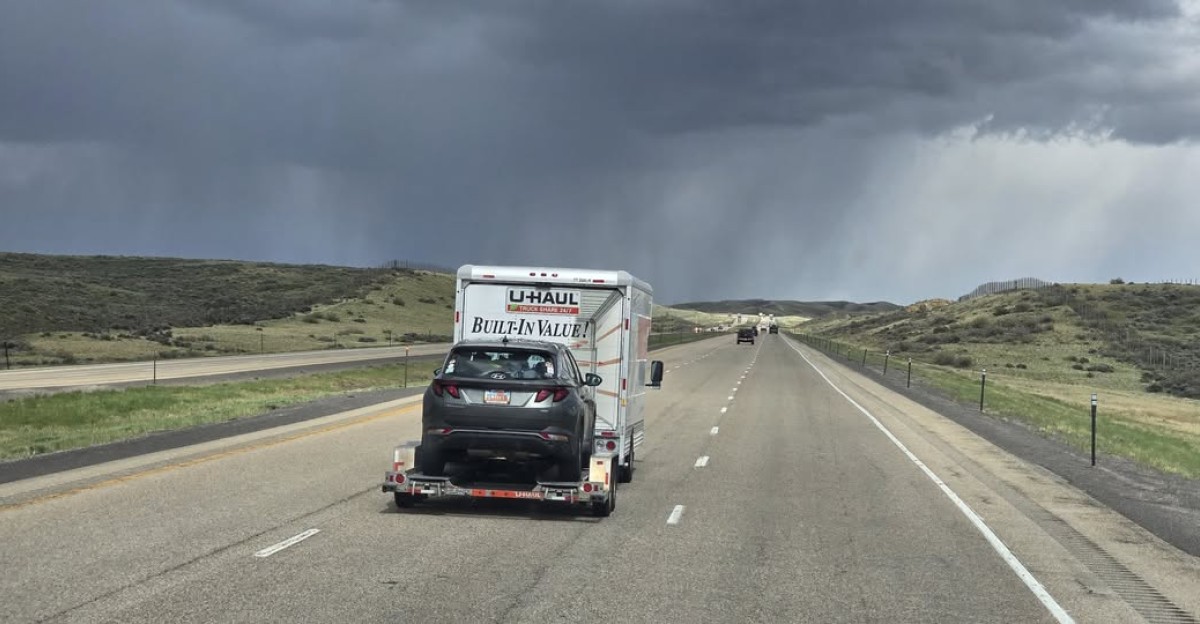
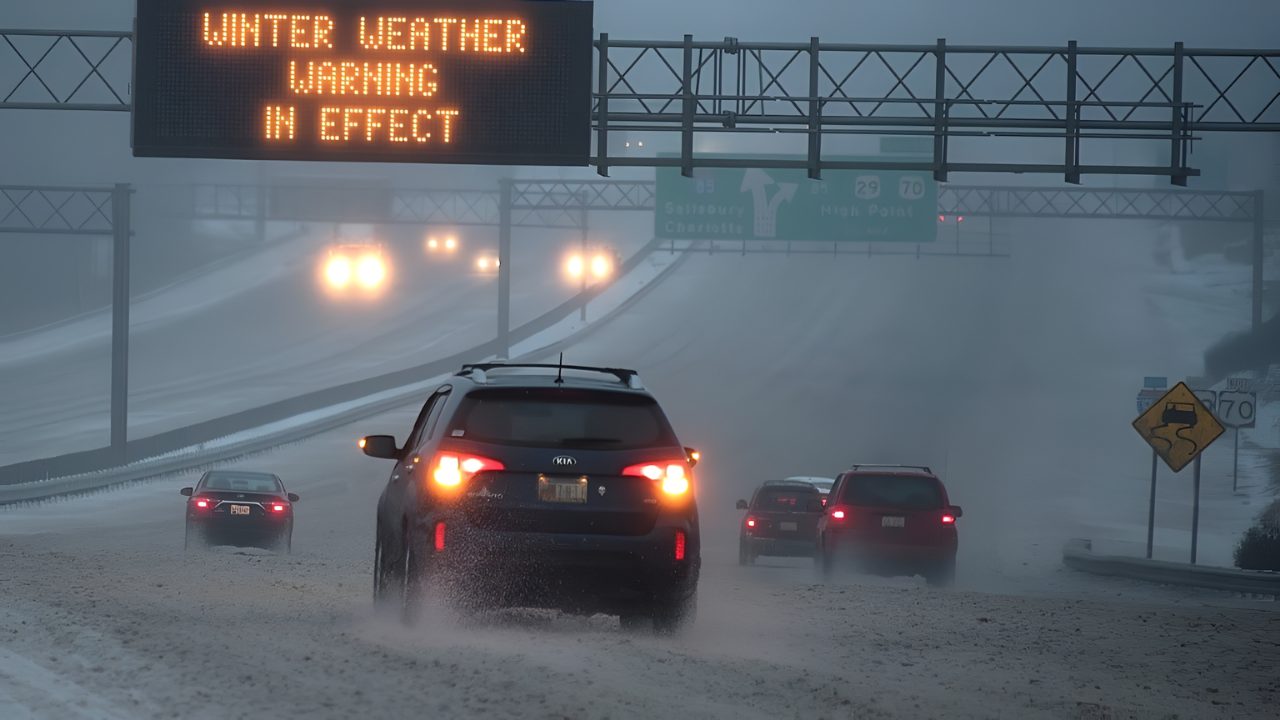
The hazard wasn’t ice. Wasn’t snow. Wasn’t a pileup. It was air moving sideways. Crosswinds strong enough that WYDOT classified the blow-over risk as “extreme,” a designation that triggers operational restrictions before crashes happen, not after. That flips the usual script. Most drivers think interstates close because something went wrong. This closure happened because something was about to. Wind, unlike ice, leaves no visual cue on the pavement. The road looks perfect. The danger is entirely invisible, which is exactly what makes it lethal.
What 35,000 Pounds Really Means
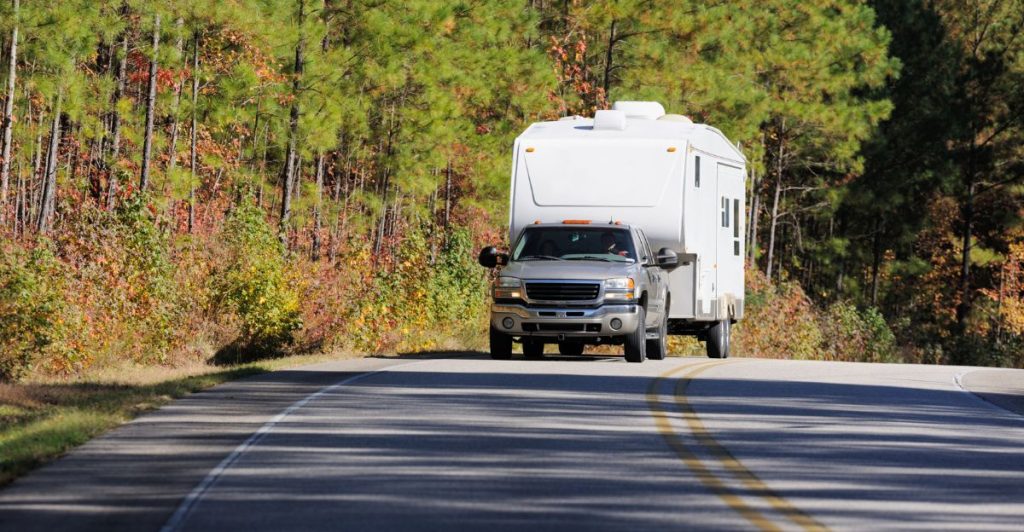
Here is what 35,000 GVW actually means: it is the line where vehicle geometry stops being a death sentence in a crosswind. Below it, a tall trailer catches gusts like a billboard on wheels. Above it, the mass anchors the frame enough to resist tipping. WYDOT didn’t pick that number arbitrarily. It represents a stability threshold. One pound under, you’re banned. One pound over, you proceed. An entire interstate’s access policy reduced to a single variable: the ratio of your profile to your weight.
Weather Became the Traffic Controller

The system behind this restriction is invisible to most travelers. The National Weather Service issues wind hazard data. WYDOT’s operations center absorbs it. Restrictions post to wyoroad.info in real time. Wyoming Highway Patrol enforces on the ground. Meteorology feeds road operations feeds enforcement feeds rerouting. That chain fires without a single human crash triggering it. Think of it like closing a bridge to box trucks during gusts: selective bans prevent predictable rollovers. Weather became the traffic controller, and most drivers never realized the handoff happened.
Already on the Road With Nowhere to Go
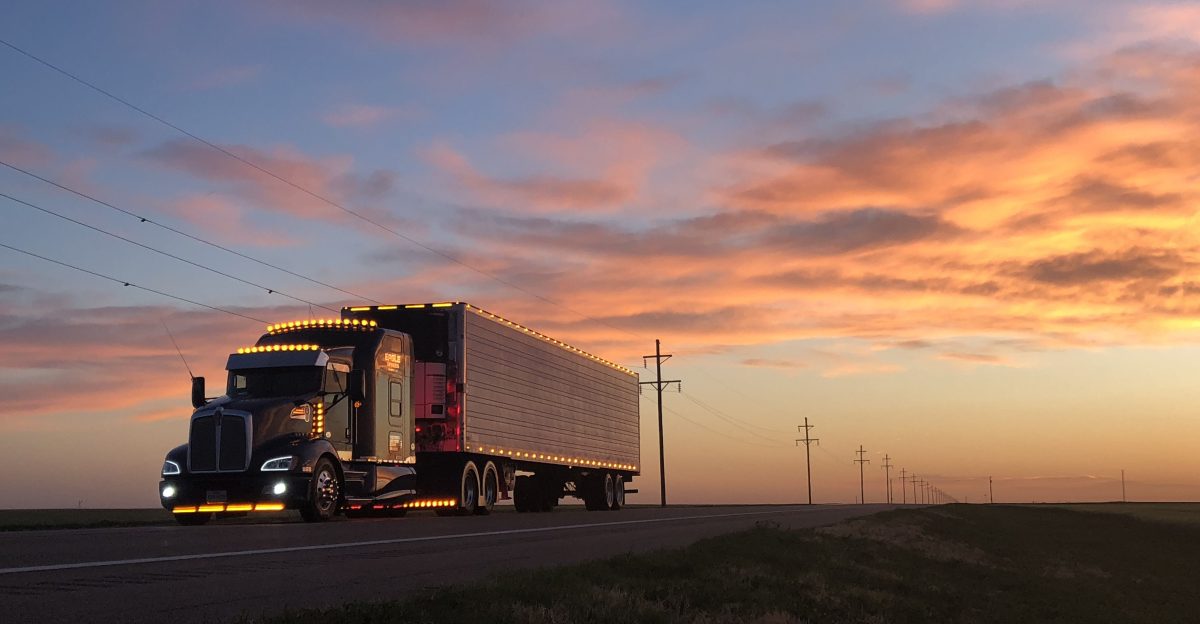
The restriction posted at 5:40 a.m. Truckers already on the road had no advance notice baked into their dispatch schedules. That timing is brutal. Freight operators running overnight loads toward the I-80 corridor discovered mid-route that their vehicle class was banned. Reroute or stage and wait. Both options cost money nobody budgeted for. The Federal Highway Administration treats weather as a recurring operational disruption requiring active management, which is bureaucratic language for a simple truth: the sky dictates the schedule now, not the dispatcher.
The Cost Falls Hardest on the Smallest Carriers
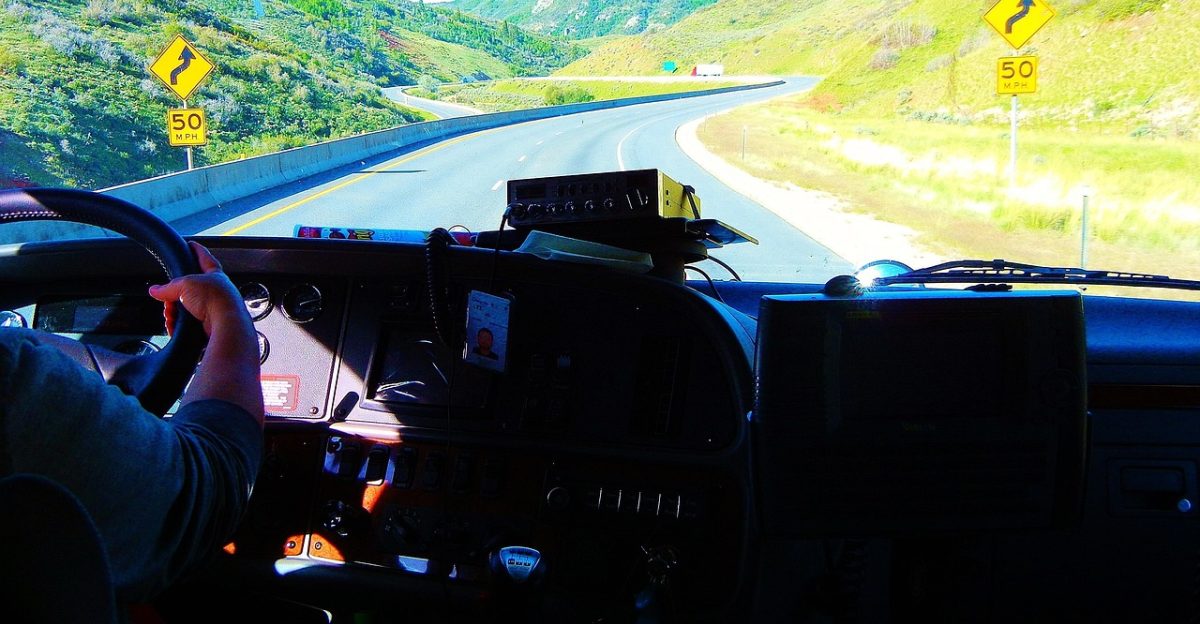
Small carriers absorb the worst of it. A major fleet can redistribute loads or swap equipment. An independent owner-operator pulling a high-profile trailer under 35,000 GVW has one option: park and bleed money. Delivery windows compress. Detention charges stack. And if winds worsen, WYDOT can expand restrictions to a broader closure, trapping even more vehicles. The economic ripple from a single wind event on one corridor touches fuel costs, scheduling, and customer penalties across an entire regional freight network.
Wind Bans Are Becoming the New Normal
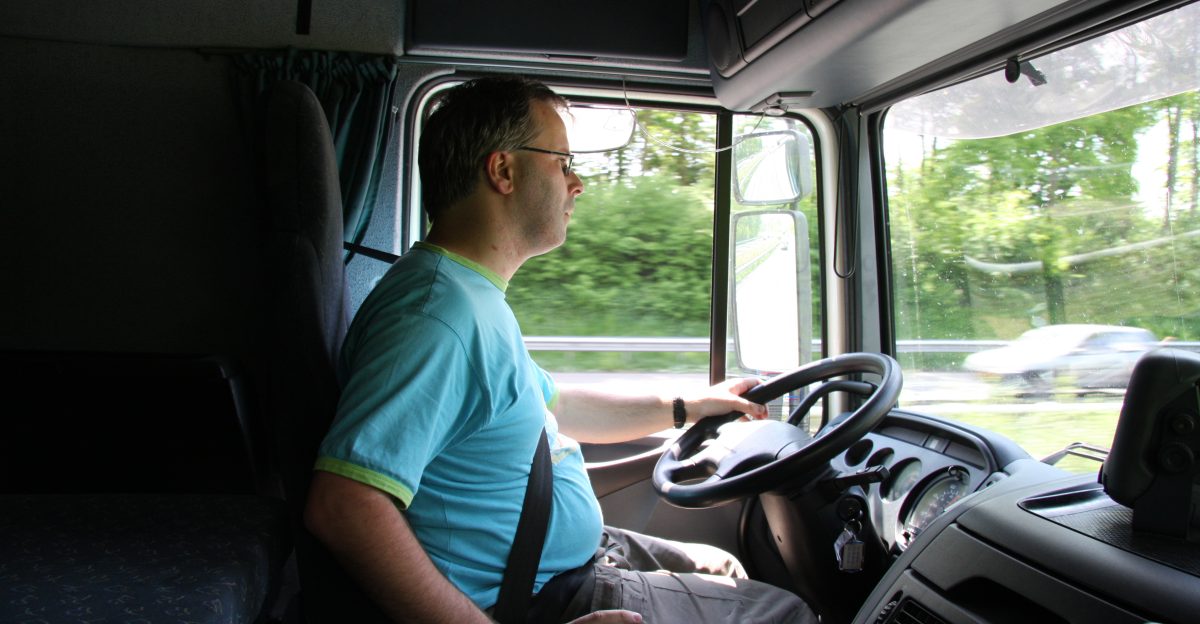
This restriction reinforces something the freight industry already suspected: selective vehicle bans based on wind risk are becoming a standard control tool, not an emergency exception. The Federal Highway Administration’s guidance frames weather disruption as a permanent operational variable. That is a quiet precedent. Once a state normalizes pulling specific vehicle classes off an interstate based on atmospheric conditions, every corridor in wind country operates under the same logic. The “open road” is conditional access, controlled by wind thresholds and vehicle geometry. Once you see that framework, every highway looks different.
Calm Never Lasts Long on I-80
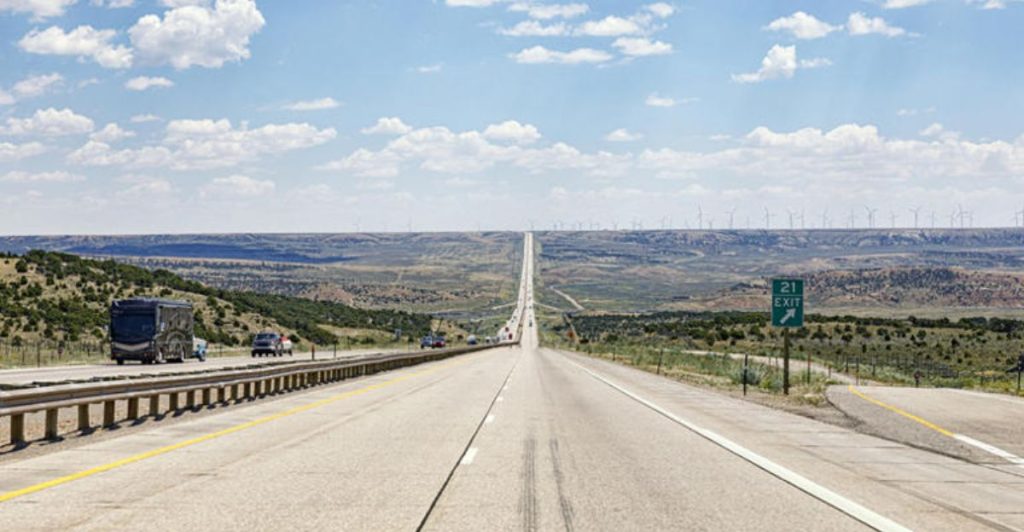
Restrictions like these lift when conditions improve. But conditions along Wyoming’s I-80 corridor don’t stay calm for long. Travelers who checked wyoroad.info at 5:40 a.m. might find a different status by noon and another by nightfall. That volatility is the real burden. Planning a trip across southern Wyoming now requires monitoring a live government feed the way a pilot checks weather before takeoff. The drivers who haven’t learned that lesson yet are the ones most likely to meet a crosswind at highway speed with no warning and no weight.
The Open Road Is a Myth
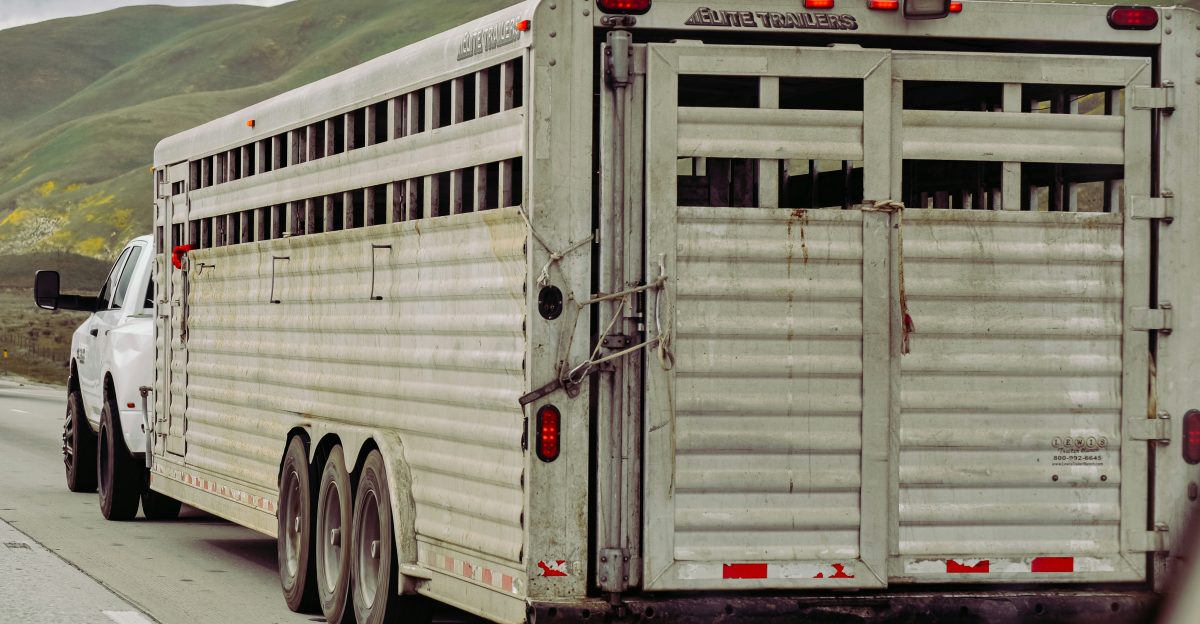
The people who read this and check wyoroad.info before their next Wyoming trip just separated themselves from everyone who still believes an open road means a safe one. That old assumption kills people. WYDOT’s 35,000 GVW cutoff is a public physics lesson most travelers never receive: your vehicle’s shape is a vulnerability measured in wind speed, and the state will decide for you if you ignore it. The only open question is whether the next gust arrives before or after you check.
Sources:
“Road Conditions for March 12, 2026, at 5:40 a.m.” SweetwaterNOW, March 2026.
“Wyoming Wind.” Wyoming Department of Transportation, dot.state.wy.us, accessed March 2026.
“WYDOT Updates Blow Over Messaging to Include Specific Weights.” The Trucker, October 2023.
“Regional Assessment of Weather Impacts on Freight.” Federal Highway Administration, FHWA-HOP-16-044.