World’s Largest EV Maker Collapses—BYD Sales Crater 65% As 650K Workers Face Uncertainty
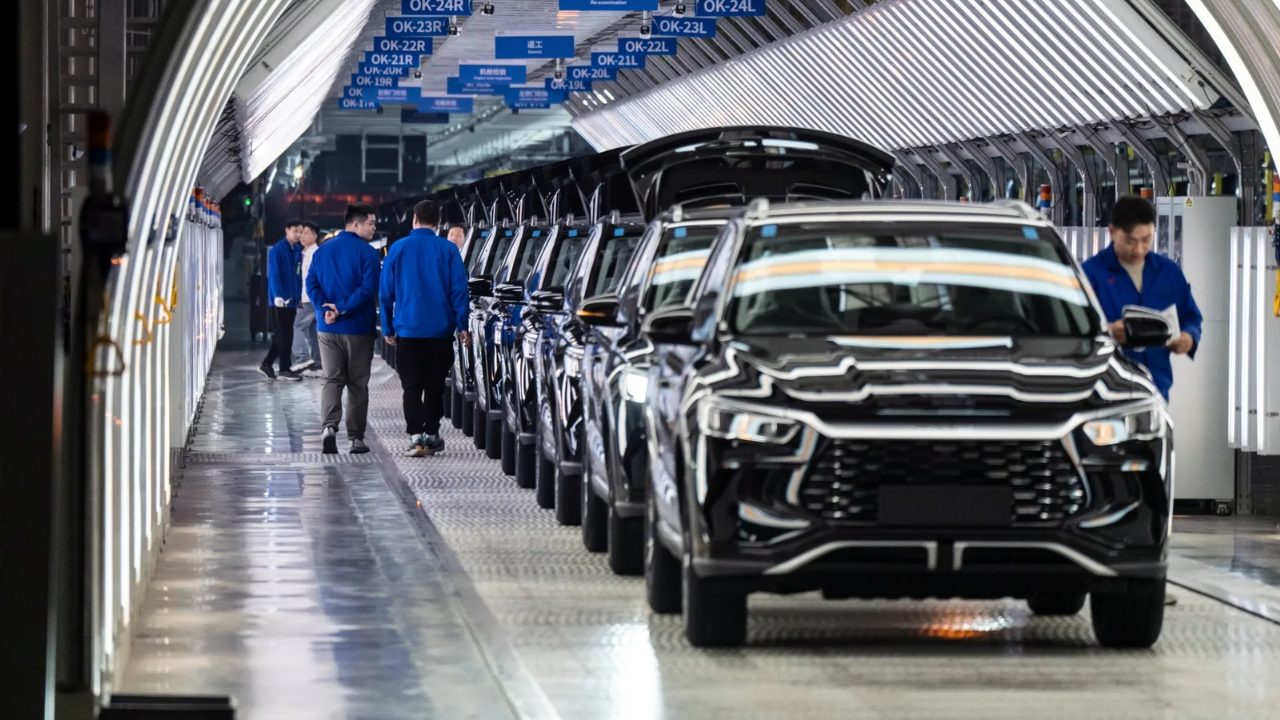
Somewhere in Shenzhen, assembly lines built to produce millions of electric vehicles are running at less than half capacity. The company that surpassed Ford and Honda globally in 2025, selling 4.6 million vehicles and becoming the world’s largest EV maker, saw its domestic Chinese sales evaporate in February 2026. The February numbers landed like a pandemic flashback, though the Chinese Lunar New Year holiday, which fell in February this year versus January in 2025, compressed working days and amplified the year-over-year decline. And the CEO had already told everyone it was coming.
Loaded Gun
Before the February collapse, warning signs were already stacking. A new 5% purchase tax on electric vehicles took effect in January 2026, draining demand that buyers had pulled forward into December 2025. BYD’s January domestic sales had already fallen 53.2%. Meanwhile, a rival most Americans have never heard of, Geely Automobile, sold 270,167 vehicles in January, quietly surpassing BYD for the first time in years. That January gap looked like a fluke, but February proved that it was a trend.
Rules Changed
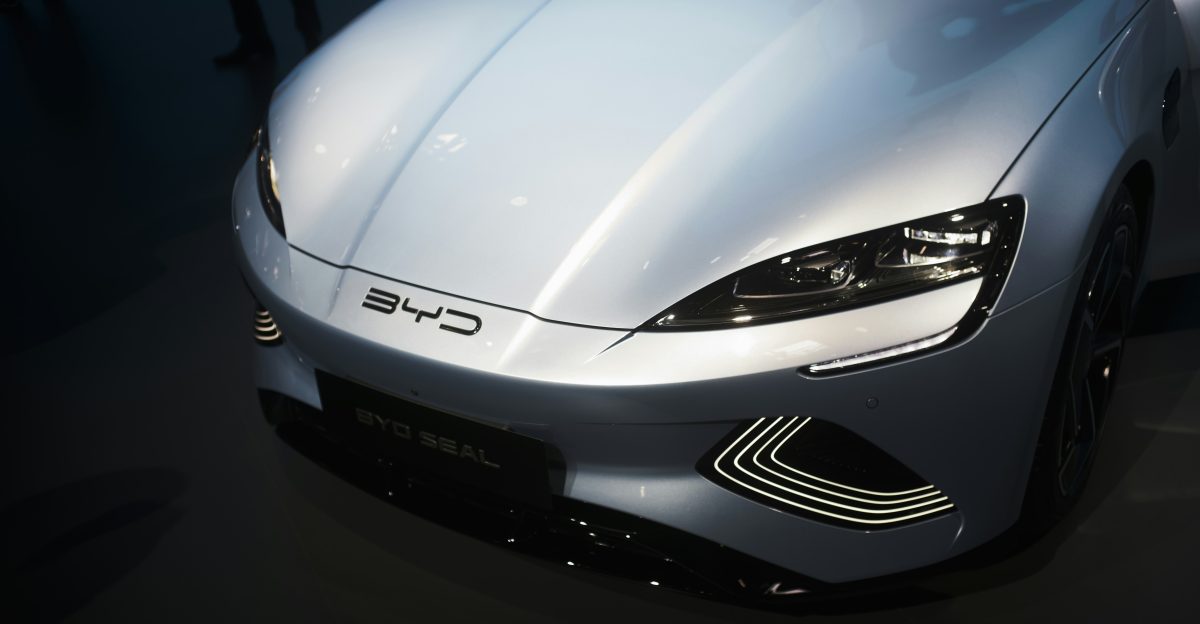
On February 12, China’s State Administration for Market Regulation banned automakers from selling vehicles below total production cost. That single regulation eliminated BYD’s most powerful weapon: aggressive below-cost pricing that had crushed smaller competitors for years. The assumption was always that BYD’s scale made it untouchable, with the largest factory footprint, the largest workforce, and the largest volume. Scale was the moat. Then, Beijing drained the moat in a single policy announcement, and the company built for price wars suddenly had no war to fight.
Self-Fulfilling Prophecy

In December 2025, BYD CEO Wang Chuanfu acknowledged publicly that the company’s technological lead had narrowed as competitors caught up. Weeks later, BYD’s February sales plunged 41% year over year. Domestic sales cratered 65%, falling to 89,590 vehicles. The worst month since the pandemic froze the global economy in February 2020. His own assessment was validated in real time. Industry analysts have flagged BYD’s declining capacity utilization as operationally crippling. That makes “collapse” sound generous.
Three Brands
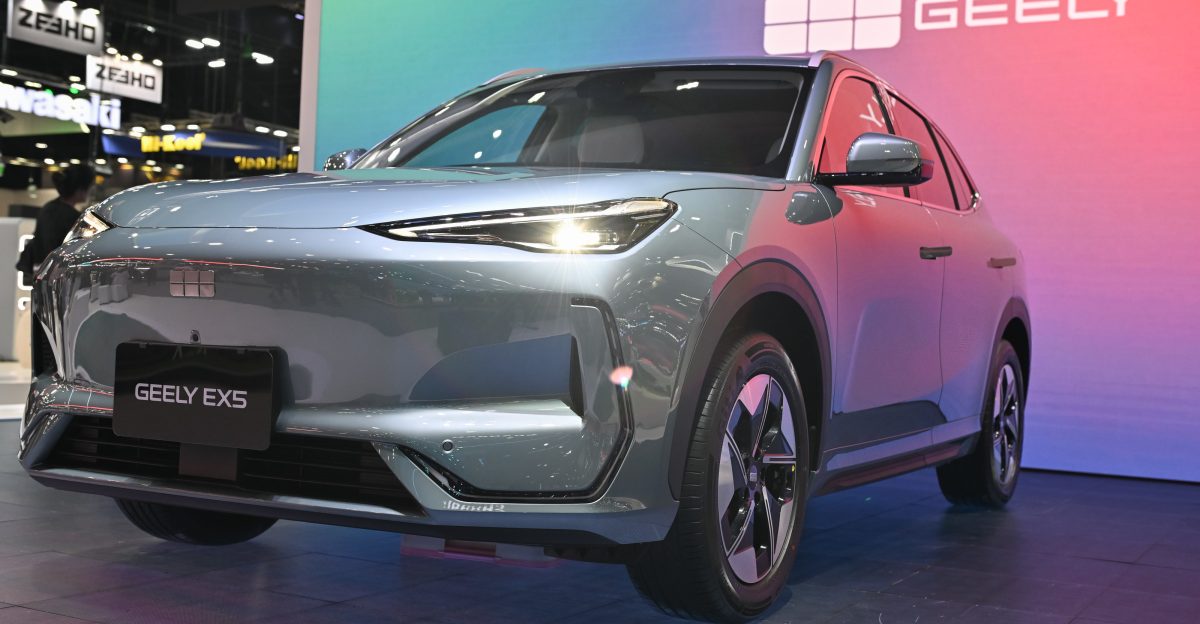
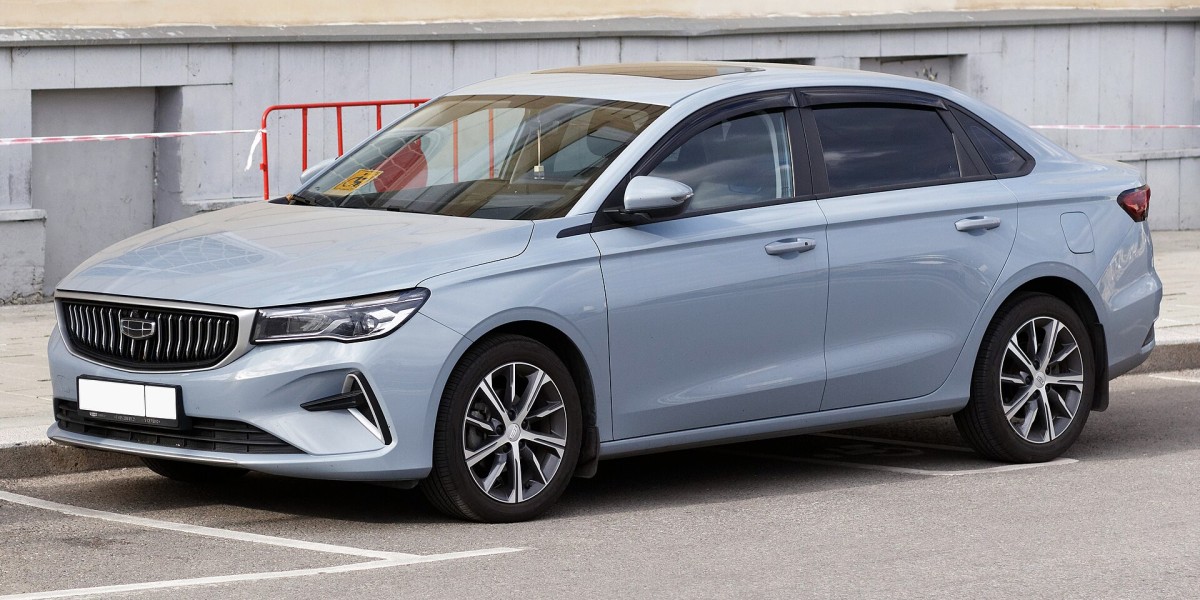
While BYD bled domestically, Geely executed a strategy that looks obvious in hindsight but required years of discipline. By the end of 2025, Geely completed its “One Geely” integration, organizing three distinct brands under one roof: Geely for mainstream buyers, Lynk & Co for the mid-premium segment, and ZEEKR for luxury. ZEEKR’s January sales nearly doubled year over year, rising 99.7%. Geely built a ladder, while BYD built a warehouse. The market rewarded the ladder.
Split Screen
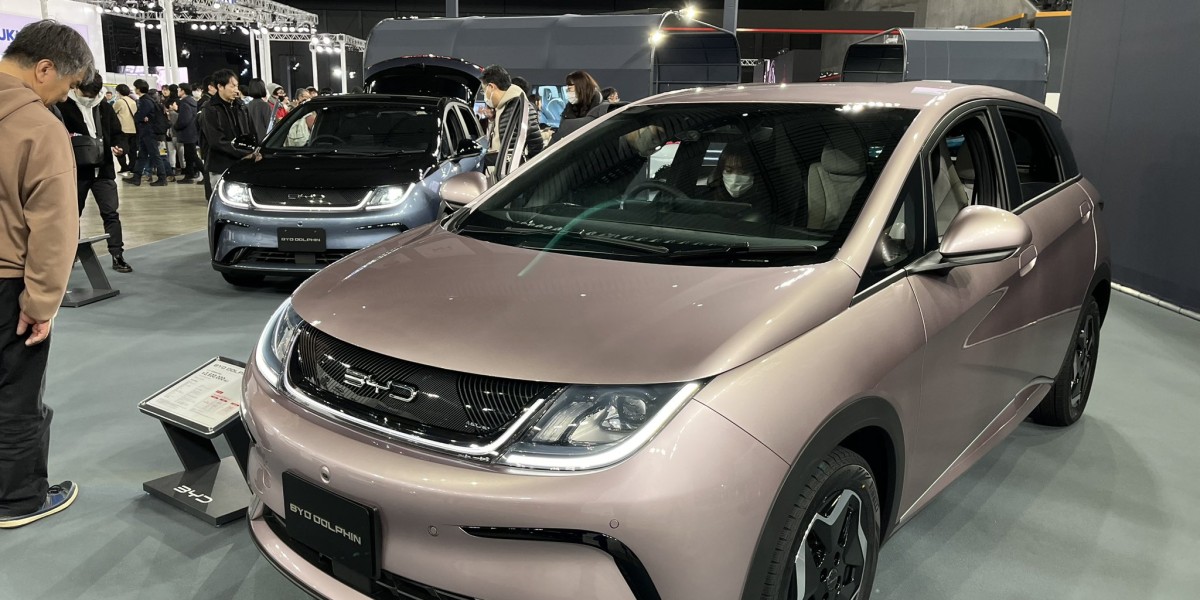
The contrast in February tells the whole story. BYD’s overall sales dropped 41%. Geely’s overall sales edged up 1%, though its core Geely brand declined 11%. XPeng fell 50%. Geely sold 206,160 vehicles in February, outpacing BYD’s 190,190. Across January and February combined, Geely delivered roughly 76,000 more vehicles than BYD. First time since 2022 that Geely held consecutive-month market leadership. Geely’s February exports surged 138% year-over-year to 60,879 units. One company is shrinking at home. The other is exploding abroad.
Ripple Effect
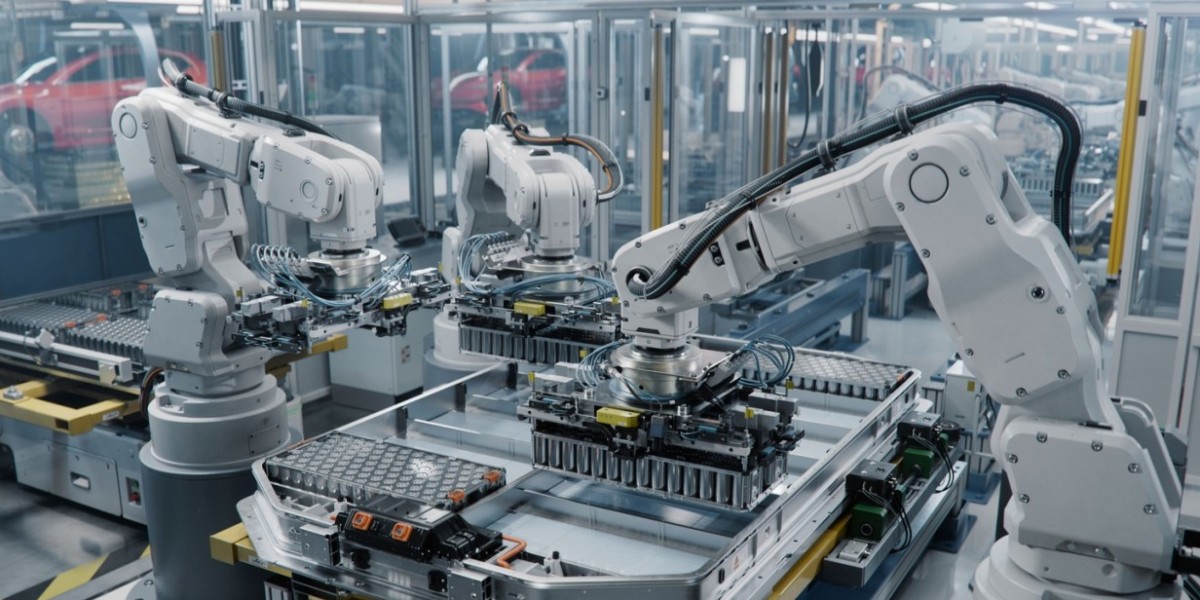
BYD employs more than 650,000 people worldwide. When factories run below half capacity and domestic sales fall 65%, those workers face a question nobody at headquarters can answer yet. No layoff announcements have been made. But industry analysts project workforce reductions as a likely next step if the sales freefall continues. The supply chain feels it too: BYD is also the world’s second-largest EV battery maker, behind CATL. A domestic crisis at BYD sends tremors through global battery supply chains that reach far beyond China’s borders.
New Rules
This story looks like a corporate upset. Geely beats BYD, underdog wins. But the deeper pattern is structural. China’s government banned below-cost sales, imposed a new purchase tax, and pushed automakers toward consolidation. The market didn’t just shift from one leader to another. It shifted from rewarding volume and discounting to rewarding organized brand portfolios and international reach. Once you see that, BYD’s 41% decline stops looking like a bad quarter. It looks like a business model expiring in real time.
March 5
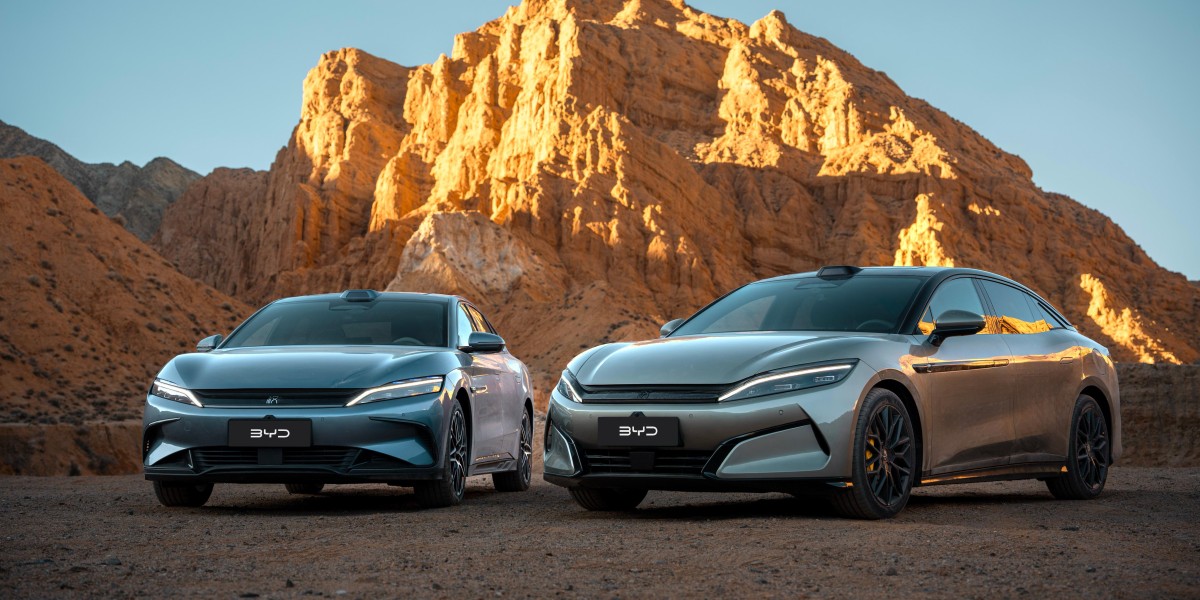
BYD scheduled a “disruptive technology” reveal for March 5, 2026, featuring second-generation megawatt flash-charging and a vehicle with 1,036 kilometers of range. The timing is not coincidental. This is a company trying to change the conversation from sales numbers to technology leadership before the narrative calcifies. If the reveal lands, BYD stabilizes. If it doesn’t, the escalation path gets ugly: accelerated workforce reductions, desperate international expansion that cannibalizes pricing power, and potential strategic partnerships born from weakness rather than strength.
The Real Lesson
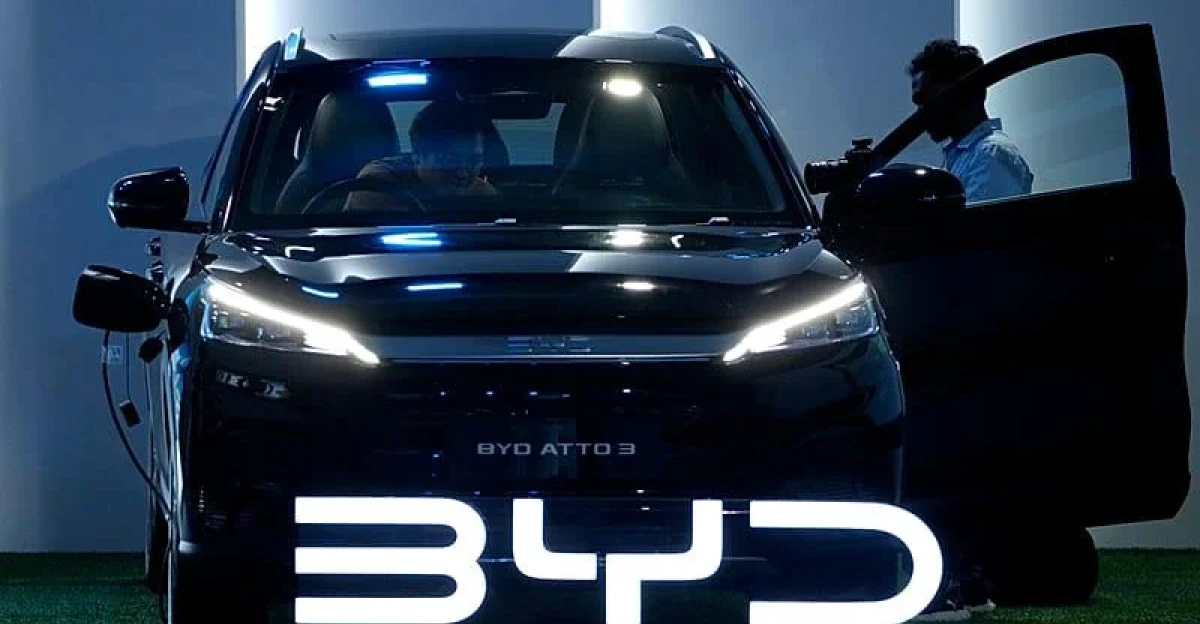
Both BYD and Geely are pushing aggressive overseas expansion for 2026. BYD wants 1.3 million international sales. Geely targets 640,000. The domestic battlefield is shrinking, and the export race will determine which company defines China’s automotive future. The real insight most people will miss: the regulatory environment now shapes competitive outcomes more than innovation or scale. The company that reads government policy fastest wins. BYD built the biggest EV empire on earth, and Beijing rewrote the rules underneath it.
Sources:
“BYD sales continue to plunge in February.” Just Auto, 1 Mar 2026.
“BYD Feb NEV sales plummet 41% domestically, hit by Chinese holidays.” CarNewsChina, 2 Mar 2026.
“Geely posts sales growth during holiday lull as exports surge 138%.” CnEVPost, 1 Mar 2026.
“China bans below-cost car sales to curb price war.” Nation Thailand, 12 Feb 2026.