World’s Best-Selling Automaker Sold 11.3M Cars And Still Says ‘We Will Not Survive’
On March 25, 2026, seven hundred executives gathered in a Tokyo convention hall to hear from Koji Sato, the outgoing CEO of the world’s largest automaker.
The occasion followed a record-breaking year for global sales. Sato did not offer a celebration or a farewell toast. Instead, he delivered a warning. As he spoke to representatives from 484 supplier companies, the mood in the room shifted. The industry had long believed Toyota’s dominance ensured the company’s safety. That assumption ended in that moment.
Record Sales, Record Contradiction
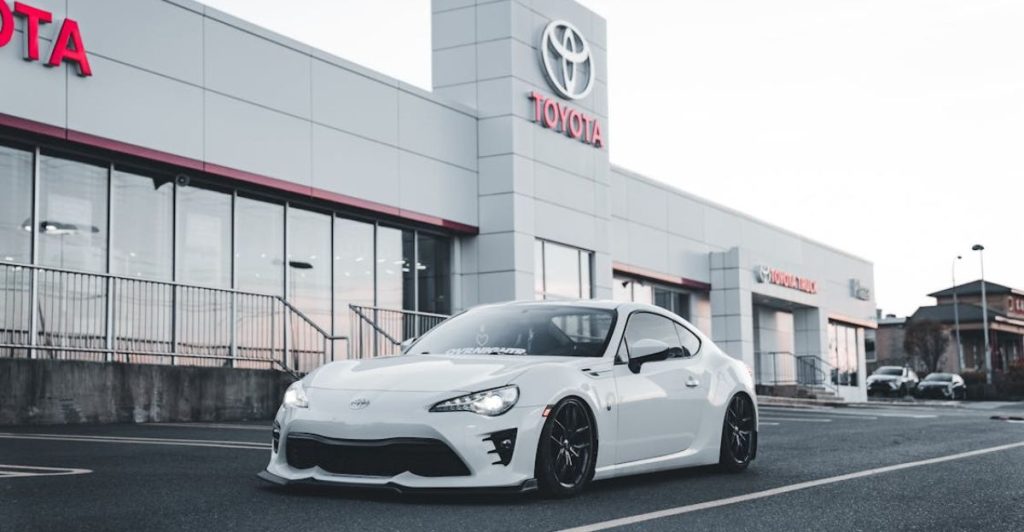
In 2025, Toyota delivered 11,322,575 vehicles around the world. This set a new company record. More than Volkswagen. More than GM. More than any other automaker. On paper, these numbers suggest a cause for celebration. Sato, however, used the moment to highlight the company’s challenges.
“Unless things change, we will not survive,” he told the crowd. “I want everyone to acknowledge this sense of crisis.” Sato framed Toyota’s best sales year as a warning sign. Profits told a story that was more troubling than the sales figures revealed.
The Numbers Behind the Mask
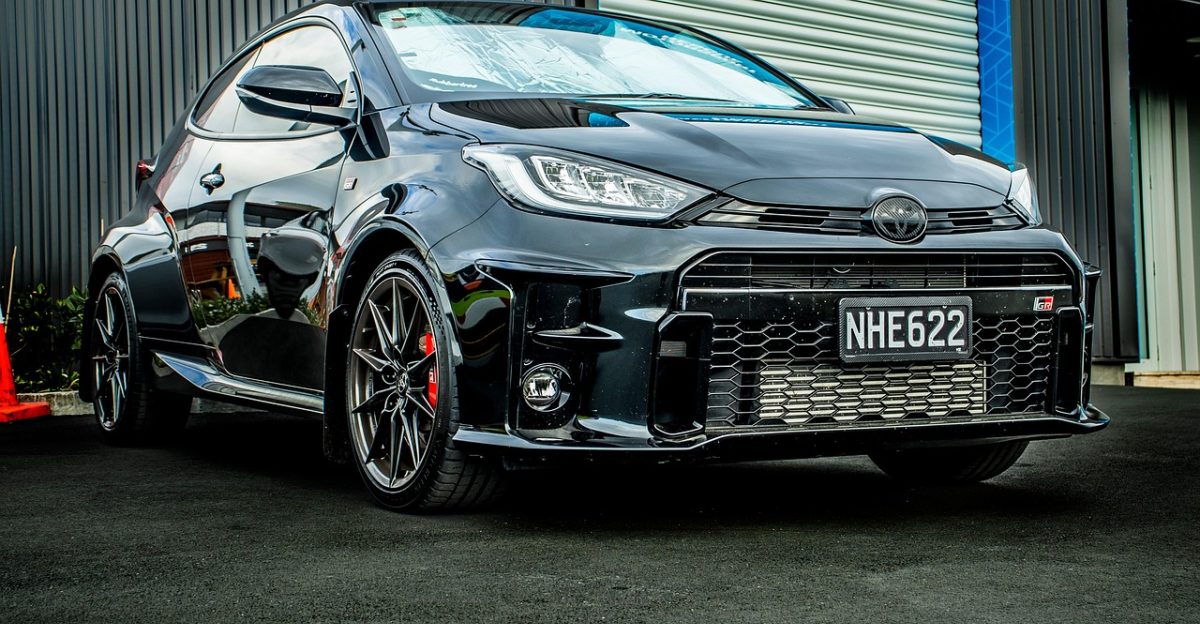
The numbers deepen the concern. In the first nine months of fiscal year 2026, Toyota’s net income fell nearly 25 percent. The company expected revenue to grow about 4 percent for the year, but operating income was projected to fall by about 21 percent, to 3.8 trillion yen. Profits declined even as sales rose.
The gap between selling more and earning less exposed a crack in Toyota’s foundation that many had missed. U.S. tariffs alone cost the company 1.45 trillion yen, about $9.7 billion, exceeding Toyota’s entire annual R&D budget. Moving more cars increased the tariff impact.
Scale Became the Problem
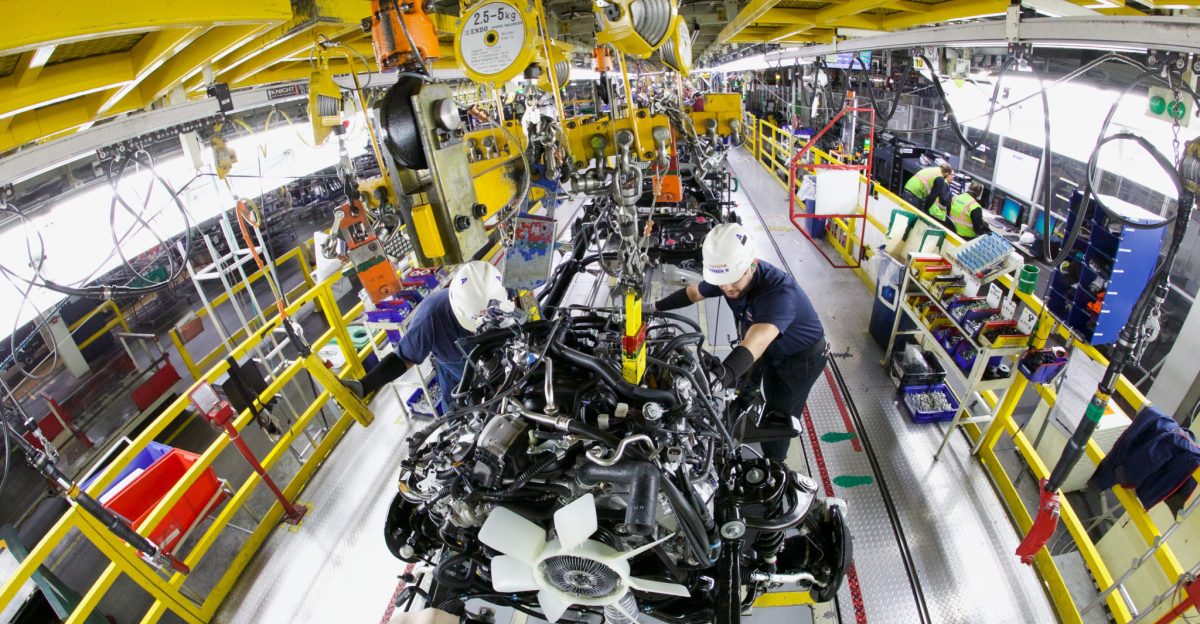
Old assumptions failed. For decades, Toyota’s methods—kaizen, just-in-time production, the Toyota Production System—delivered profitability when precision manufacturing at scale was enough. Tariffs changed the equation. Every unit crossing a border now carried a fixed tariff cost. Toyota’s commitments to suppliers and dealers restricted the ability to reduce costs proportionally.
Higher sales volume led to greater tariff exposure. In North America, historically Toyota’s largest profit center, the company reported a $40 million operating loss in the first nine months of fiscal year 2026 despite selling 275,000 more vehicles. The traditional growth formula no longer applied.
Cutting What Made Them Famous
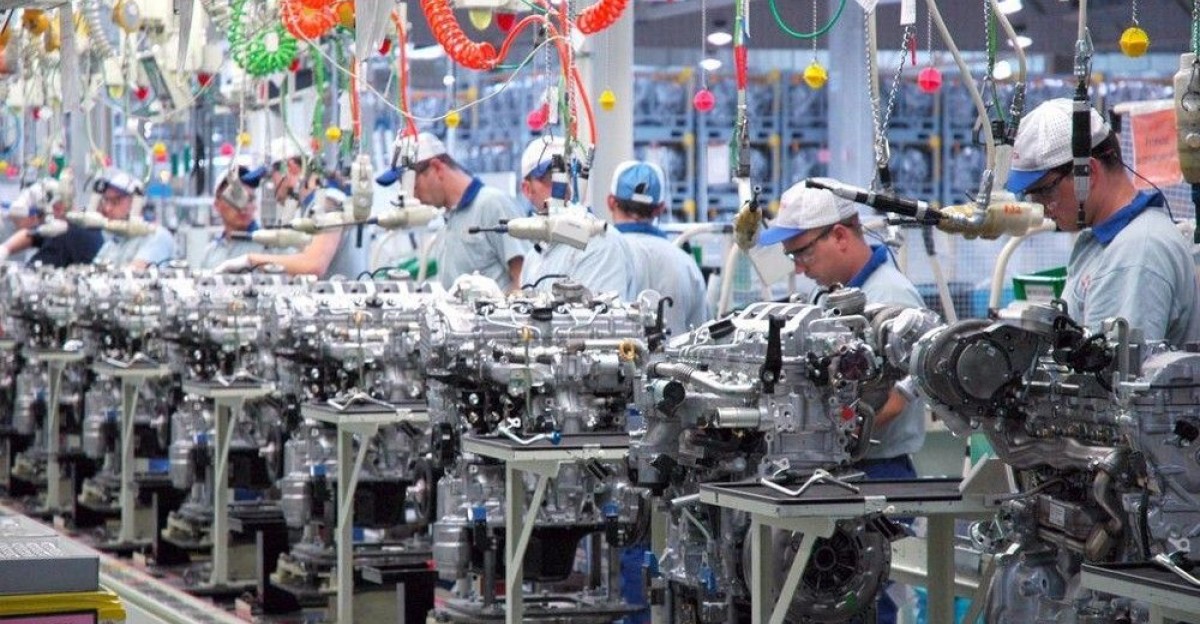
Toyota introduced a program called “Smart Standard Activity” to relax engineering standards for non-safety components. Approximately 10,000 wiring harnesses per month that once failed inspection now pass. The company built its reputation on perfection, but perfection has become too costly. This marks an identity crisis presented as efficiency, not just a cost-cutting measure.
Toyota also signaled three price increases for 2026, up from the usual two. Some models are approaching the $50,000 price point for the first time in company history.
The $21,000 Threat From China
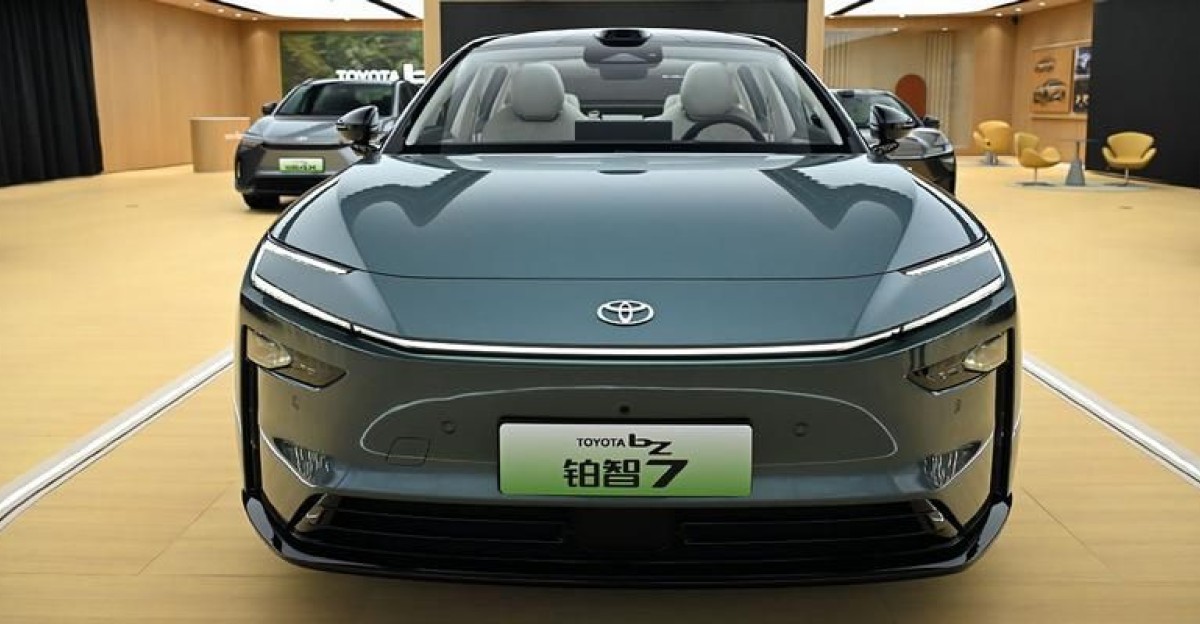
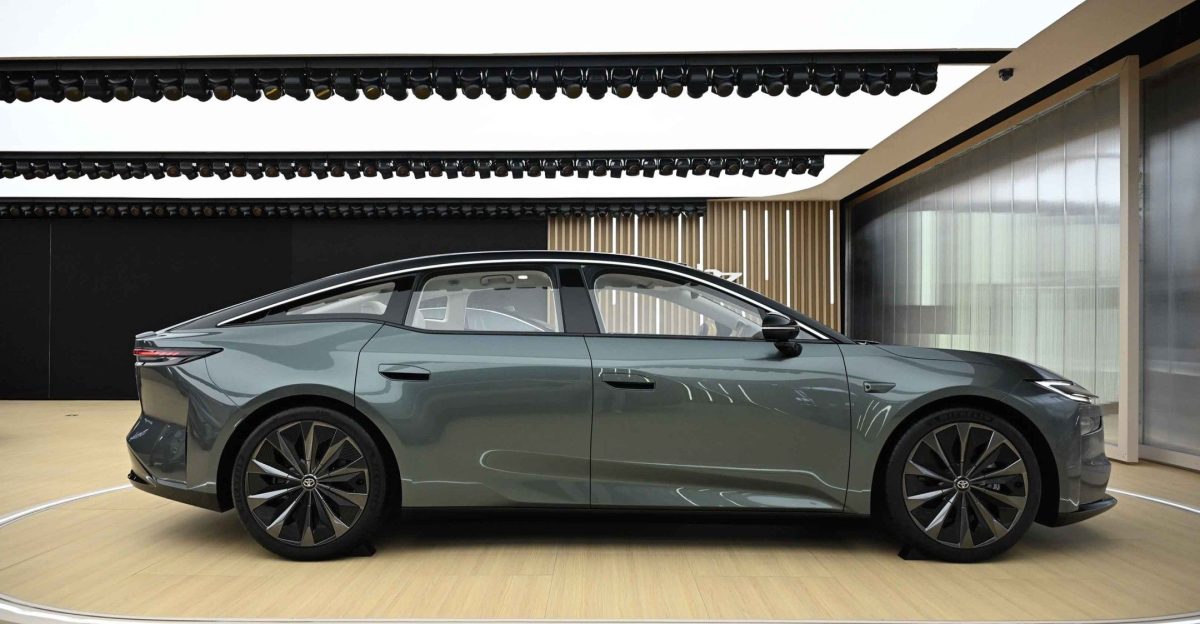
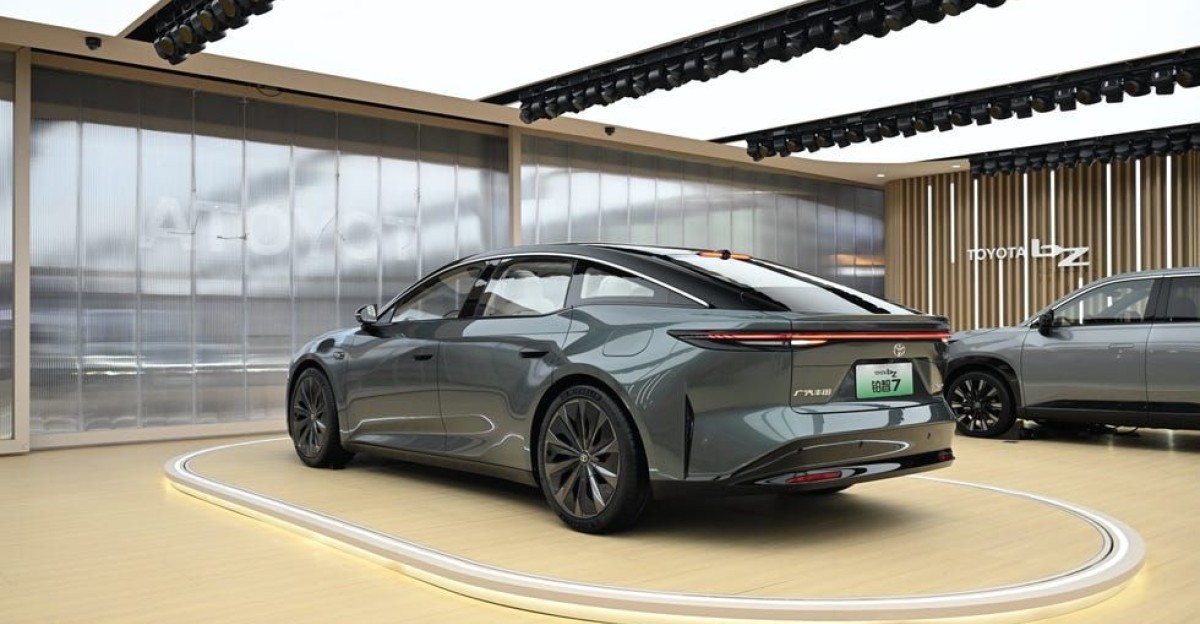
Chinese competitors are building electric vehicles with vertically integrated batteries and in-house software, driving costs down to a level Toyota cannot match. When Toyota launched its bZ7 electric sedan in China at 147,800 yuan (about $21,380), it received 3,100 confirmed orders in the first hour. That car uses technology from Huawei and Momenta.
Toyota partnered locally to compete on price in China. A senior U.S. executive admitted that $50,000 pricing “keeps me up at night.” The gap between Toyota’s costs and those of Chinese EV makers is structural and persistent.
The Ripple Hits Everyone
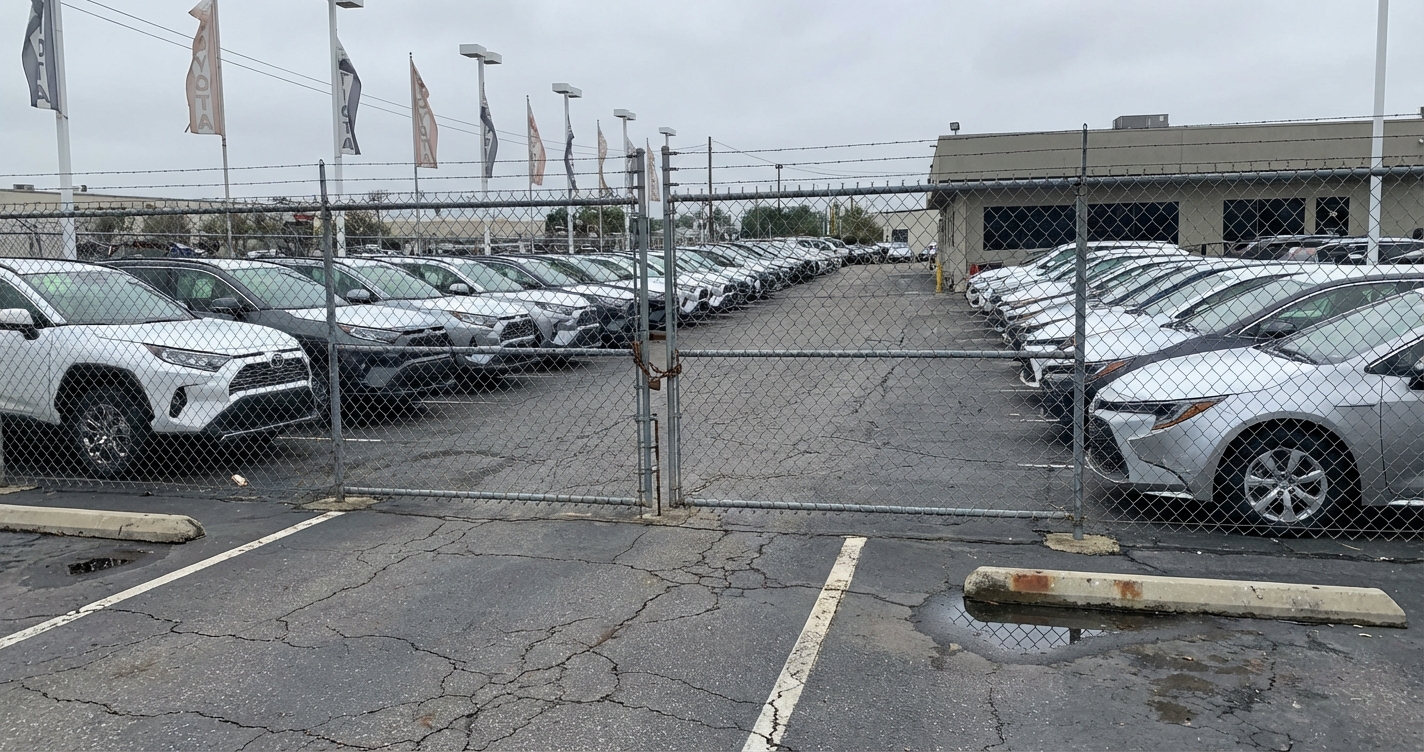
Those 484 supplier companies now face pressure to meet productivity targets that may be unattainable under tariff-compressed margins. Some weaker suppliers will exit the market. Dealerships struggle with inventory as three rounds of price increases compress demand on lower-margin models.
Toyota employs approximately 50,000 workers across the United States and recently announced $1 billion in new investments in Kentucky and Indiana, part of a $10 billion five-year commitment. This appears as growth, but it reflects defensive spending in a region that recently posted an operating loss.
A New Rule, Not an Exception
Sato took on the role of chairman of the Japan Automobile Manufacturers Association in January 2026, a position that oversees all Japanese automakers. This move signals that the crisis extends beyond one company.
When the most efficient automaker in the world loosens quality standards and raises prices three times in a single year to survive, it signals a wider industry shift. The traditional link between sales volume and profit has broken. Headlines about record sales from legacy automakers now carry less meaning. The traditional measures of success no longer apply.
The Cost-Cutter Takes the Wheel
Toyota’s new president, Kenta Kon (formerly the CFO), took over on April 1, 2026. Kon is recognized for expertise in cost reduction. He orchestrated a forklift subsidiary buyout, and his first public statement echoed Sato’s warning: Toyota must “rebuild our weakened competitive foundations and restore Toyota’s strength.”
The company replaced a three-year CEO with a cost-focused leader at the start of a new fiscal year. Sato’s short tenure concluded with Toyota facing a choice among volume, margins, and quality. The company can only maintain two of these priorities.
What Survival Actually Looks Like
Toyota does not face bankruptcy. The greater threat is a future where the company becomes a contract manufacturer for higher-margin Chinese EV brands with superior technology and lower costs. Sato warned of this scenario before the 700 executives.
The company that defined operational excellence now operates in a market where excellence is too expensive. Consumers will pay more and receive less. Suppliers will consolidate or exit the market. Toyota, as the world’s top car seller, may continue to move vehicles, but the profit per unit continues to shrink.
Sources:
Toyota Motor Corporation, “Financial Summary FY2026 Third Quarter,” February 5, 2026
Toyota Motor Corporation Newsroom, “TMC Announces Changes to Executive Structure,” February 5, 2026
Toyota Motor Corporation Newsroom, “Toyota Announces $1 Billion Investment in Kentucky and Indiana,” March 23, 2026
Carbuzz, “‘We Won’t Survive If Things Continue As They Are’: Toyota CEO Issues Warning,” March 31, 2026
Autoblog, “Toyota Could Raise Prices Three Times in 2026, Executive Warns,” February 5, 2026
CnEVPost, “GAC Toyota Launches bZ7 Electric Sedan with Huawei Tech to Boost China Sales,” March 28, 2026