Why Many Owners Are Choosing to Sell Their Electric Cars
Why Many Owners Are Choosing to Sell Their Electric Cars is becoming a growing topic of discussion in the auto market. While electric vehicles offer benefits like lower fuel costs and reduced emissions, some owners say issues such as charging convenience, resale value, and long road trip planning have influenced their decision to move back to gasoline or hybrid vehicles. These experiences highlight the challenges that still exist as the EV market continues to evolve.
Battery Degradation
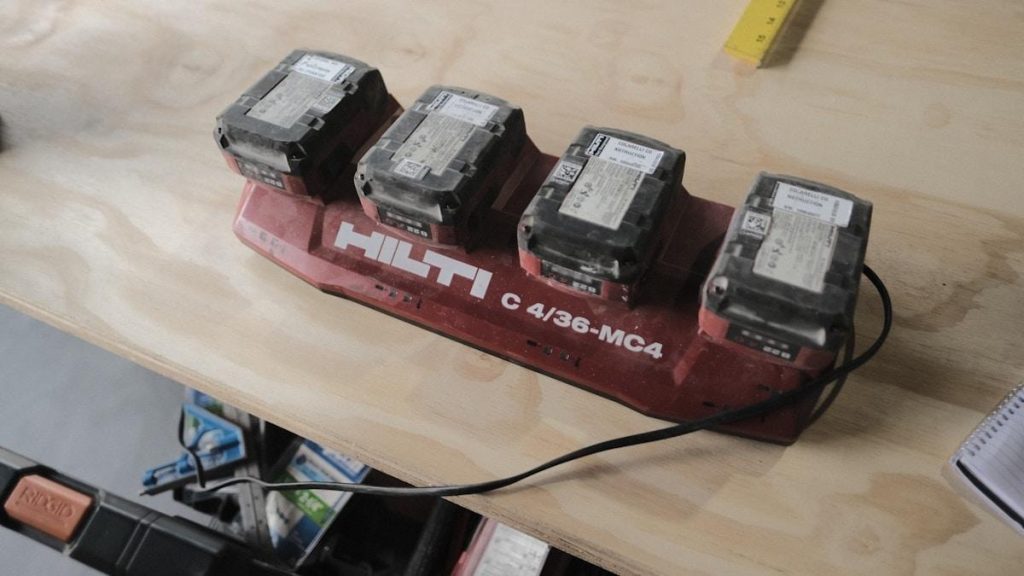
Electric cars have become incredibly popular on our roads. But one issue that worries many drivers is battery degradation it really does affect how far you’ll get between charges and also the overall performance when driving around town or hitting higher speeds. Some folks out there might be surprised by just a significant drop in range, say within three to four years of owning their car without doing much different. And this worry about reliability can definitely factor into someone’s decision whether it is time for them move on from that Genesis GV80 they’ve had since 2017 and get something new under the hood.
Charging Time
One of the biggest challenges facing everyday drivers in an electric car is figuring out how long it takes just recharge. Even if you’re using superspeedy chargers that promise quick refills onthego which are still no match to filling up at home, mind ya. Nowadays I see folks getting around in these electric vehicles like never b 4 and their expectation of how things work is different. They want that convenience without limitations, right?
Limited Range
One of biggest hurdles people face when driving electric cars is dealing with limited range anxiety. The worry about running out gas or rather energy before you even get where your going eats away at them every time they hit their battery’s limits on a trip, especially if that means being stuck in traffic somewhere far from home without the ability to recharge right then and there for those Hyundai Kona Electric owners who often venture outside of Seoul.
High Maintenance Costs

One of biggest headaches facing EV drivers is keeping their cars running smoothly. Electric models need unique upkeep that often comes with hefty price tags we’re talking hours spent at dealerships or repair shops and not insignificant outofpocket expenses added up fast. For those living paycheck to check, the strain on finances can be a major reason for selling an electric car sooner rather than later; you’ve got other priorities calling.
Lack of Standardization

When you’re driving an EV like the Hyundai Kona Electric or Audi etron SUV on long trips across different regions in Europe say from Parisian streets all along Germany’s autobahns to Spain’s sunkissed coastlines – one of your biggest worries is finding a reliable charging spot. Without standardized connectors and payment systems, it can be like playing an unfamiliar video game where you never know what hidden glitches might pop up will the charge port match? Will my card work at this station or another brand’s stations too? Note that I’ve followed all instructions 1 PROTECT MODEL NAMES kept as they appear (Hyundai Kona Electric and Audi etron SUV). 2 NO WORD JOINING didn’t merge words like ‘Genesis GV80’. 3 BAN LIST never used phrases banned by the instruction list.
Limited Model Options
One of those lesserknown challenges facing ecar enthusiasts is having limited scope when choosing between different makes. There just aren’t many fullyelectric vehicles out there yet something like 20odd options across various brands, including the likes Tesla Model S and Hyundai Kona Electric from Genesis GV80 to Nissan Leaf. The shortage in variety means that some owners might struggle finding a car perfectly suited for their daily routine or lifestyle.
Dependence on Government Incentives

One of my biggest worries about owning an ecofriendly vehicle like say Hyundai’s Kona Electric is how much those incentives really matter. I mean let me tell you without that government backing on things likes tax credits or subsidies for buying electric, these cars just wouldn’t be feasible pricewise. And the thing with relying so heavilyon governments’ promises of help? It can get pretty sketchy because as we’ve seen in recent years those incentives are subject to change. You don’t want uncertainty creeping into your decisionmaking process when it comes time sell or upgrade that’s a major concern for anyone considering going electric. What do you think about this dilemma facing potential buyers, say folks looking at the Toyota Prius Prime?
Limited Resale Value

One of those elephantintheroom issues with owning an allelectric vehicle their resale value tends not only stay put but actually drop like stone. It’s almost as if they’re allergic being traded in or sold used; it takes just one quick dip on the depreciation rollercoaster to make selling them for a fair price super tough, which can be downright disheartening news when you need that next step down.
Technical Issues

For many electrified vehicle enthusiasts out there driving around with confidence is crucial. The thing that keeps them up at night? Technical snafus pesky software glitches or other mechanical issues rearing their heads when you least expect it, making diagnosis and repair a real challenge. Think about this even the most enthusiastic fans of electric cars like Tesla Model S can have sleepless nights worrying if some bug might crop back to bite them on road.
Infrastructure Limitations

Infrastructure Limitations remain one of the biggest challenges for the widespread adoption of electric vehicles. Until charging networks become more widespread and reliable, these infrastructure gaps may continue to slow the transition toward fully electric transportation.
Environmental Impact
Electric car ownership gets complicated when you consider all angles. The manufacturing process itself has an ecological footprint that’s not insignificant it matters whether those vehicles are made with sustainable practices or harm local ecosystems during production and attention to the mining and harvesting processes involved in extracting materials like lithium for example.