Why I Shifted To Public Electric Chargers As Utility Rate Design Flips The “Home Is Cheapest” EV Myth
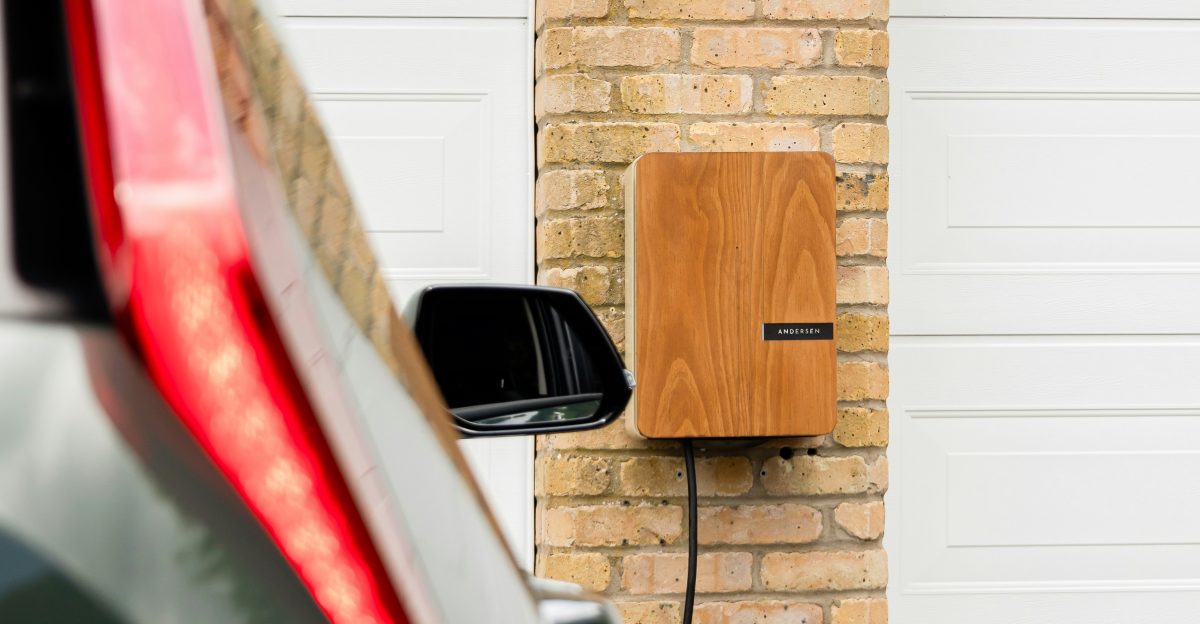
The charger hung on the garage wall like a promise. Plug in at night, wake up full, never visit a gas station again. That was the pitch. Millions of EV owners bought it, literally wired their homes around it. But one driver looked at the electricity bill, looked at the public charging station down the road, and unplugged the garage for good. The decision felt personal. The reasons behind it are anything but.
The Pitch
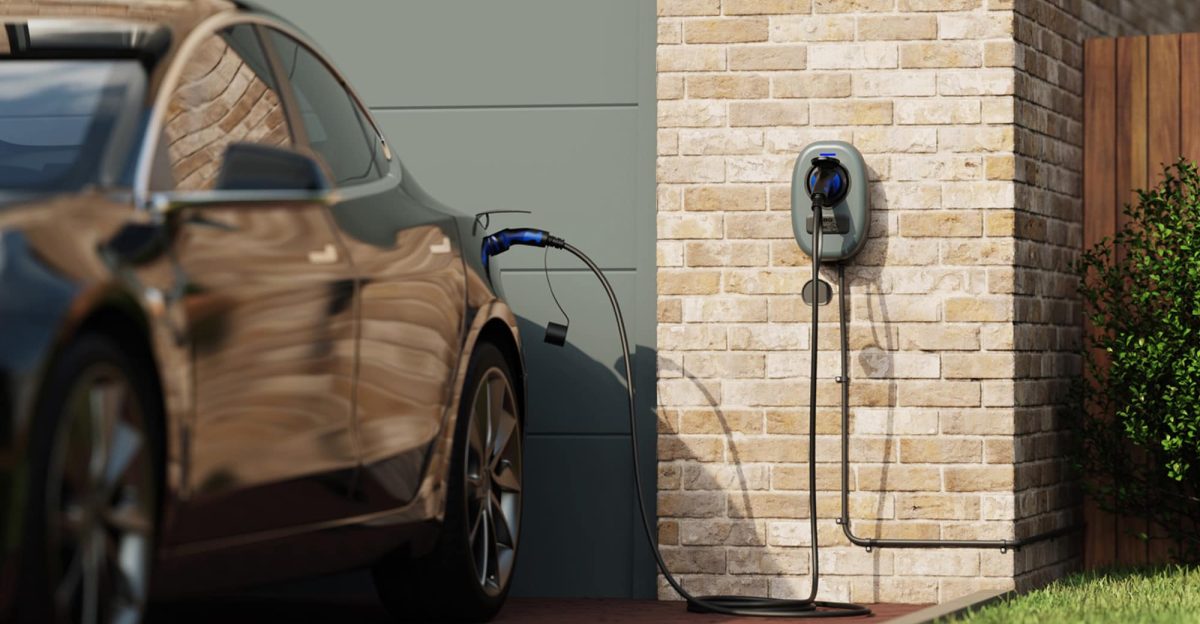
Home charging was always the headline benefit. The Department of Energy lays out two options for residential EV owners: Level 1, a standard household outlet, and Level 2, a dedicated installed unit with faster charging capability. The framing from manufacturers and advocates has been consistent: your garage replaces the gas station. Cheaper. Simpler. No lines. For years, that math held. But the math depends on a number most buyers never interrogate before signing: their residential electricity rate.
The Crack
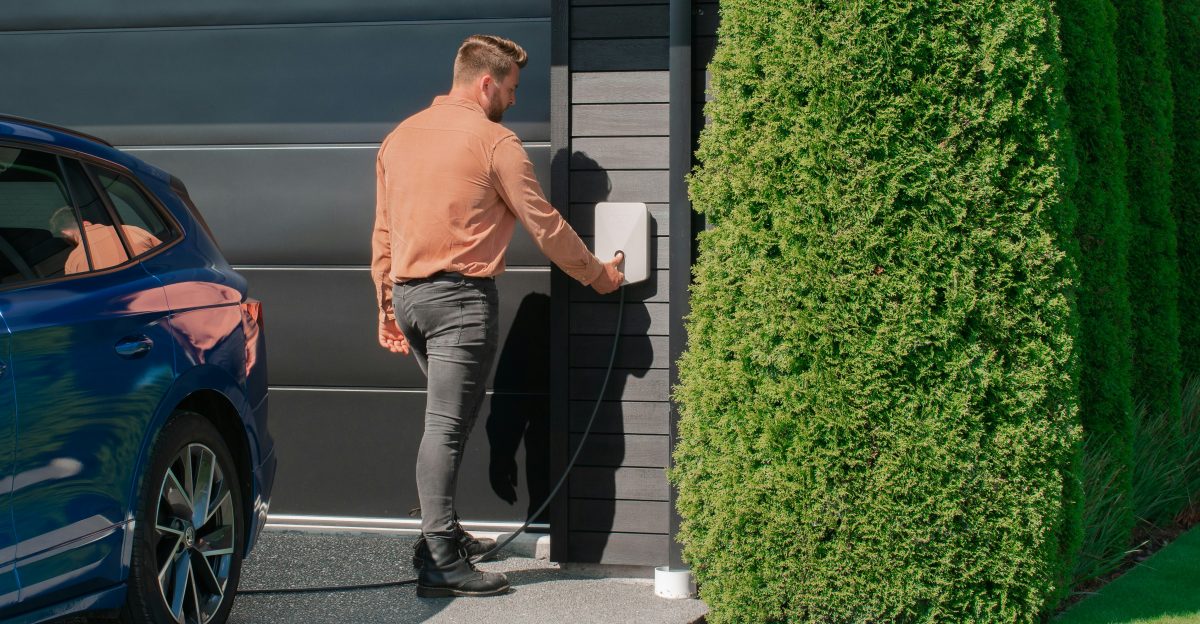
The EIA tracks residential electricity prices in cents per kilowatt-hour, state by state, month by month. That data reveals something uncomfortable: electricity prices vary enormously depending on where you live. The same car, driven the same miles, costs dramatically different amounts to charge in Texas versus Connecticut. “Home is always cheapest” assumes a flat, universal rate. No such rate exists. State-by-state price dispersion is a persistent feature of U.S. electricity markets, and it bites hardest when your car drinks from the grid every night.
When the Garage Stopped Being a Deal
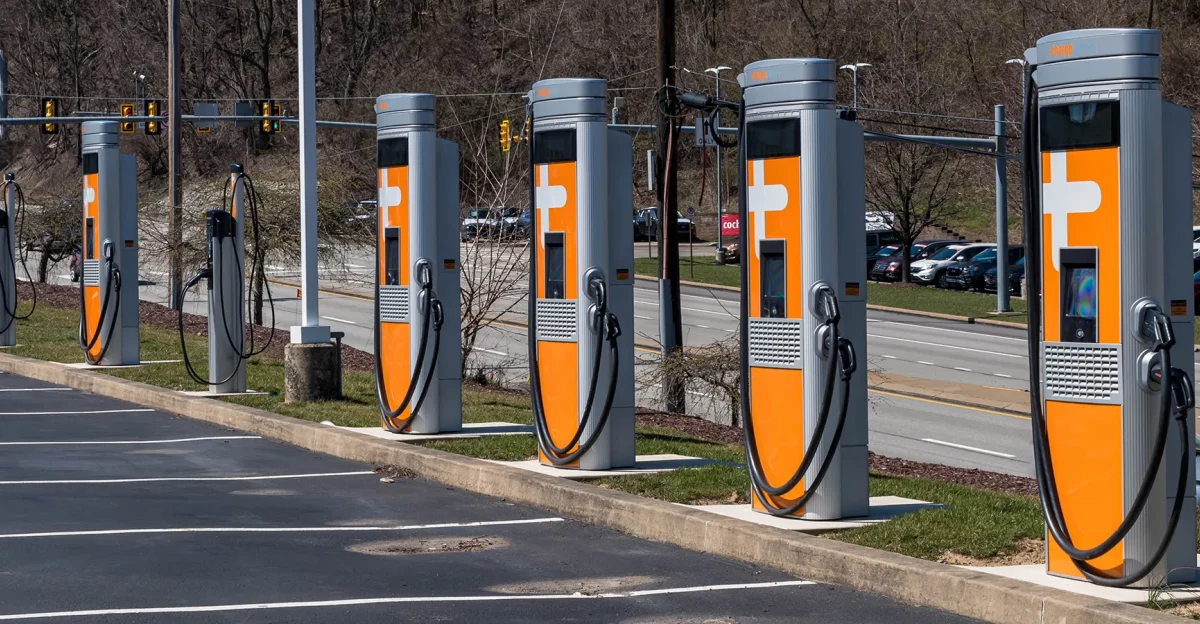
This driver quit charging at home. Not because the car failed, but because the garage stopped being a deal. EV ownership ties households to regulated retail electricity markets and rate design. Your “fuel price” isn’t set at a pump. It’s embedded in a tariff structure you probably didn’t read. The garage was never a gas station. It was a tariff contract. Once that registers, the entire EV value proposition rearranges itself around a question nobody asked at the dealership.
How the Rate Trap Works

Think of it like swapping a fixed-rate mortgage for a variable one. Your monthly “fuel” cost now floats on rate design, peak pricing windows, and utility decisions made in a boardroom you’ll never enter. The DOE documents home charging modalities and their constraints. Level 2 installation requires dedicated circuits, proper equipment, and compliance with safety standards. The NFPA and Underwriters Laboratories both publish guidance warning against improper setups, including extension cord use. The convenience advantage erodes fast when the infrastructure demands investment and the rate keeps moving.
Two Spreadsheets That Never Agree

The EIA’s long-running price series allows direct comparison of residential electricity costs over time. Prices move. What held true last year may not hold now. Meanwhile, the EPA quantifies gasoline emissions at 8.89 kilograms of CO2 per gallon for a typical passenger vehicle, giving EV owners their environmental justification. But environmental math and economic math are different spreadsheets. A driver choosing public charging over home charging has decided the wallet column matters more than the carbon column on any given Tuesday.
What Happens When Everyone Unplugs at Home
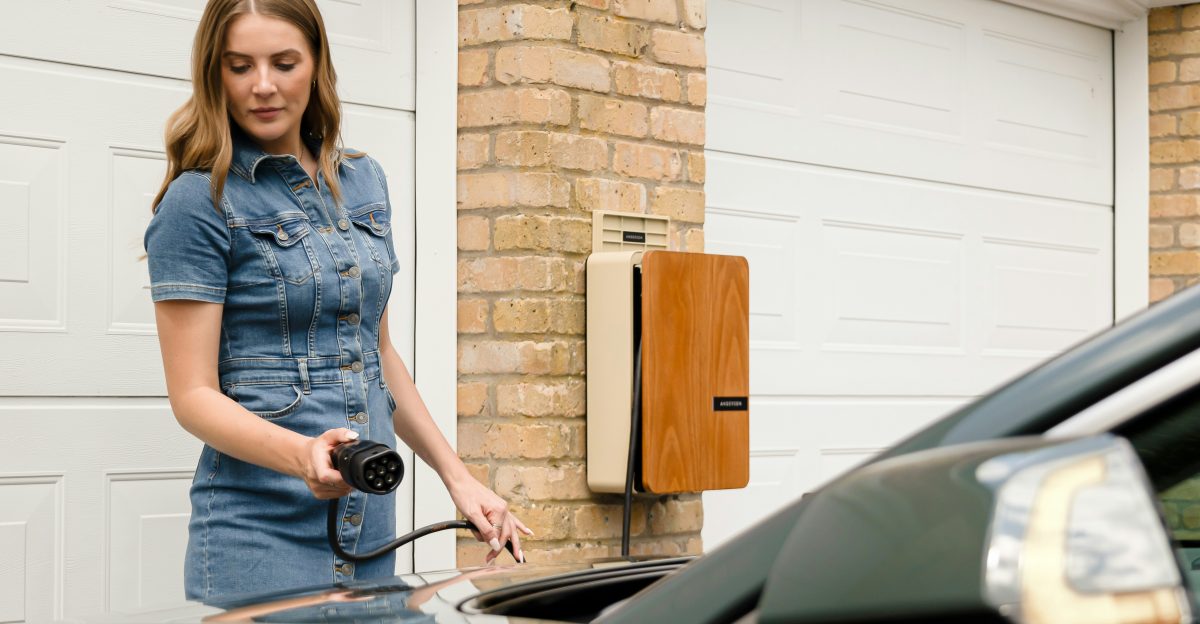
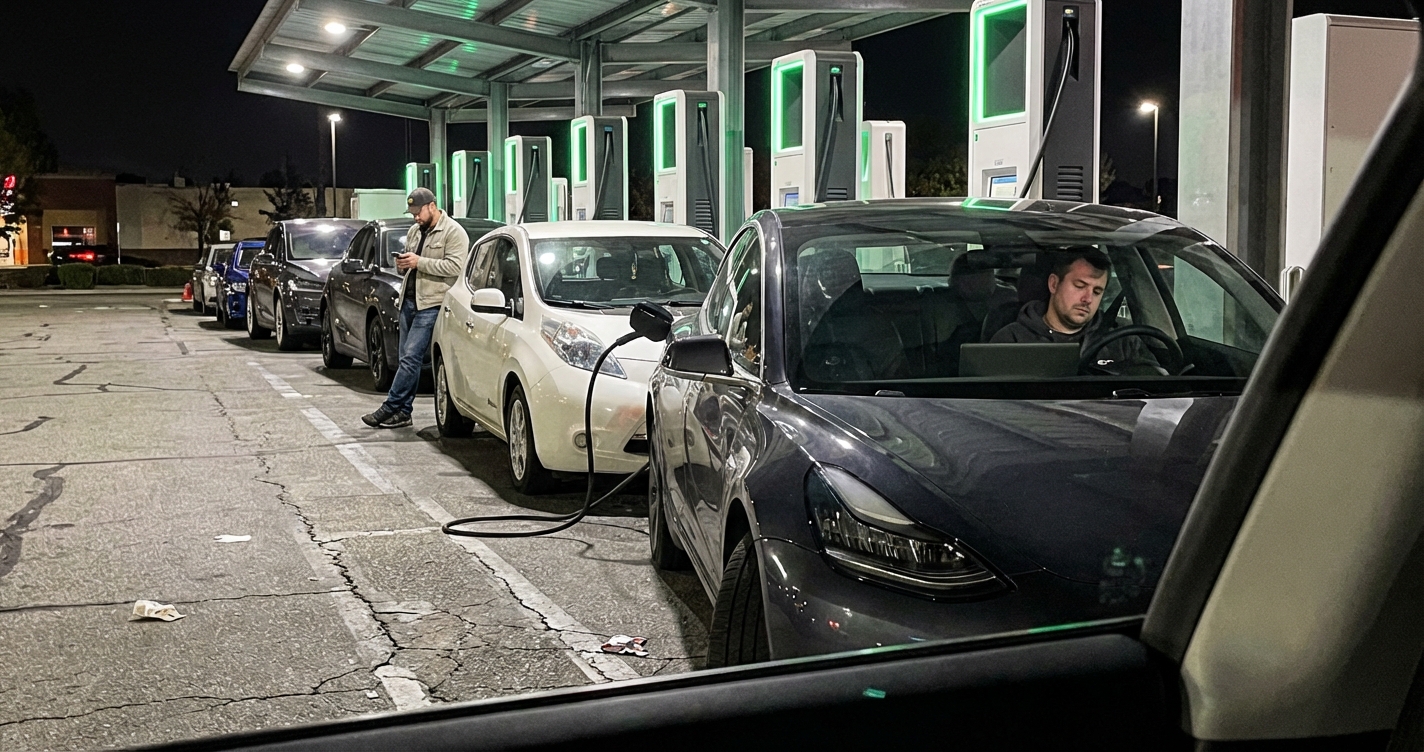
One driver’s decision is a data point. Multiply it and the grid shifts. If more owners abandon home charging, demand concentrates at public stations. The IEA’s Global EV Outlook documents accelerating adoption worldwide, and the DOE tracks expanding U.S. public charging infrastructure. More cars, more load, more pressure on networks that already face reliability questions. Charging networks and utilities now face higher expectations for pricing clarity. The individual workaround becomes a systemic bottleneck nobody budgeted for.
The New Rule of EV Ownership
This story looks like one person’s quirky charging habit. It’s actually a precedent. Consumer EV narratives are shifting from “car choice” to “energy contract choice.” The vehicle is the easy part. The hard part is the invisible pricing architecture underneath it. State price dispersion can reshape where EV ownership feels financially attractive at all. Drivers in high-rate states or without home-installation capability lose twice. The old myth said buy the right car. The new truth says negotiate the right kilowatt-hour.
The Squeeze Nobody Budgeted For
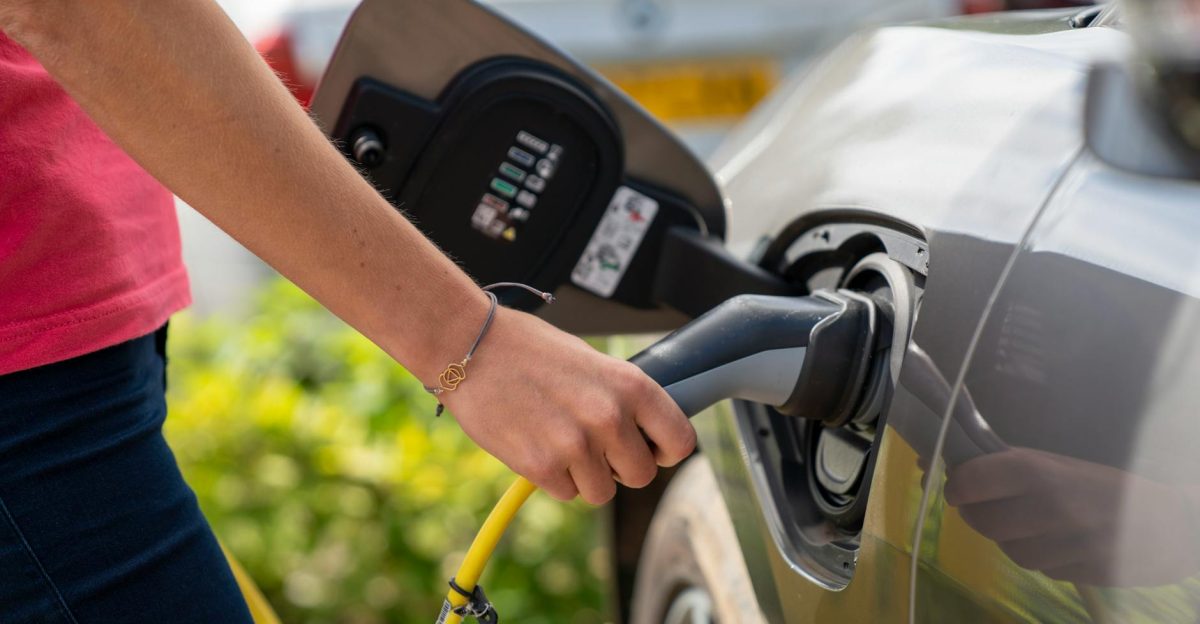
Higher public charging demand triggers a predictable chain: congestion at stations, political pressure on infrastructure spending, and eventual rate adjustments that could erase the public-charging advantage too. The FHWA tracks trillions of vehicle miles traveled annually across the U.S., and every mile increasingly runs through a charging decision shaped by access and price. Utilities may respond with time-of-use programs and safer home-install guidance to pull demand back home. That counter-move hasn’t arrived yet for most ZIP codes.
What the EV Conversation Is Really About
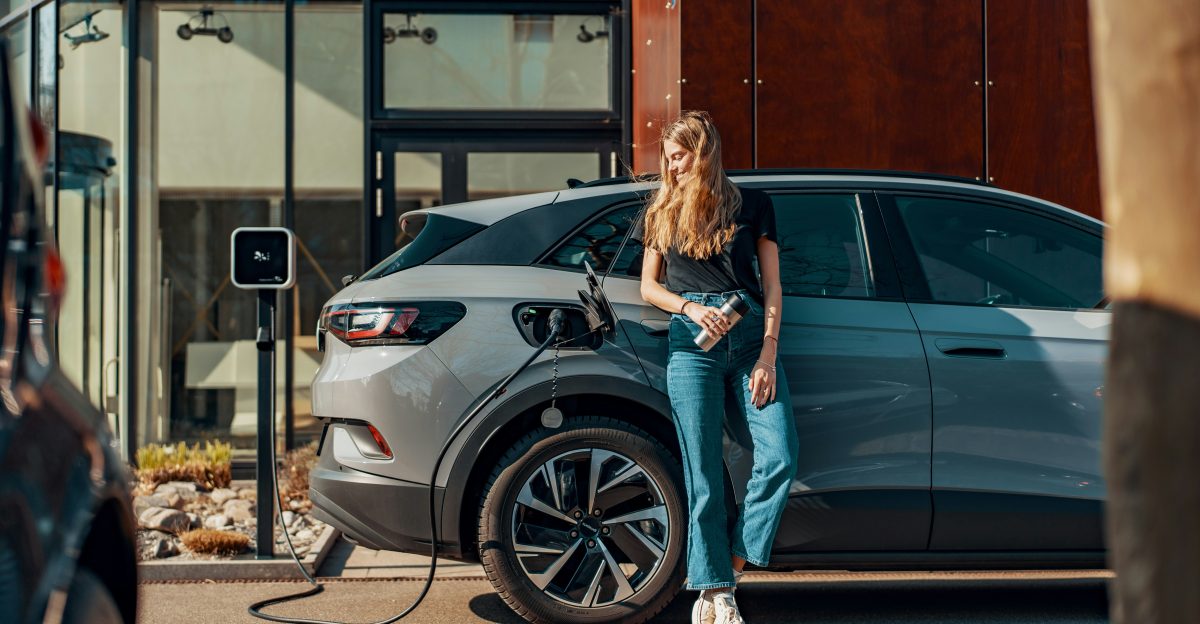
Most people still think the EV conversation is about batteries, range, and sticker price. After reading this, you know better. The real variable is the rate structure hiding behind your outlet. Your ZIP code sets your EV bill, and the garage you were promised as a fueling revolution is a utility contract with terms that change without your permission. The drivers who figure that out first will save the most. Everyone else will keep wondering why the “cheaper” car doesn’t feel cheap.
Sources:
“Charging Electric Vehicles at Home.” U.S. Department of Energy, Alternative Fuels Data Center, 2025.
“Average Price of Electricity to Ultimate Customers by End-Use Sector, by State, 2024.” U.S. Energy Information Administration, Electric Power Annual, 2025.
“Greenhouse Gas Equivalencies Calculator Calculations and References.” U.S. Environmental Protection Agency, updated 2024.
“Global EV Outlook 2024.” International Energy Agency, 2024.