What Automakers Aren’t Telling You About 2026
The automotive industry in 2026 operates under a set of pressures that manufacturers discuss only in earnings calls and regulatory filings. Tariffs reshape where cars get built. Emissions standards shift depending on administration priorities. Dealers markup vehicles beyond sticker price while repossession rates climb. Consumer affordability collapses even as transaction prices stay elevated. Supply chains fracture under geopolitical tension. Electric vehicle commitments get scaled back. The industry absorbs warranty costs and recall expenses. Suppliers pass price increases to OEMs. Lower-income buyers trade down to cheaper vehicles. Nobody really explains how this shapes the cars people actually drive.
Toyota Tacoma
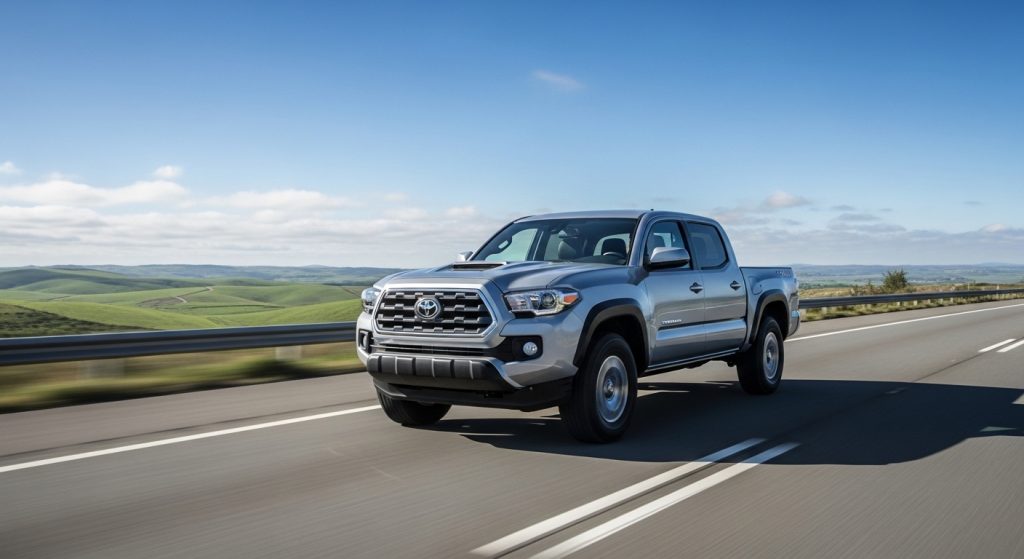
The Tacoma exists in a strange middle position. It gets outsourced parts and sometimes final assembly happens overseas before import to the US. Dealers marked up TRD Pro versions by five to ten thousand dollars over MSRP during the pandemic. People bought them anyway. Now those same trucks sit on lots with diminished value. The truck itself probably works fine but the transaction feels wrong.
Ford F-150 Lightning
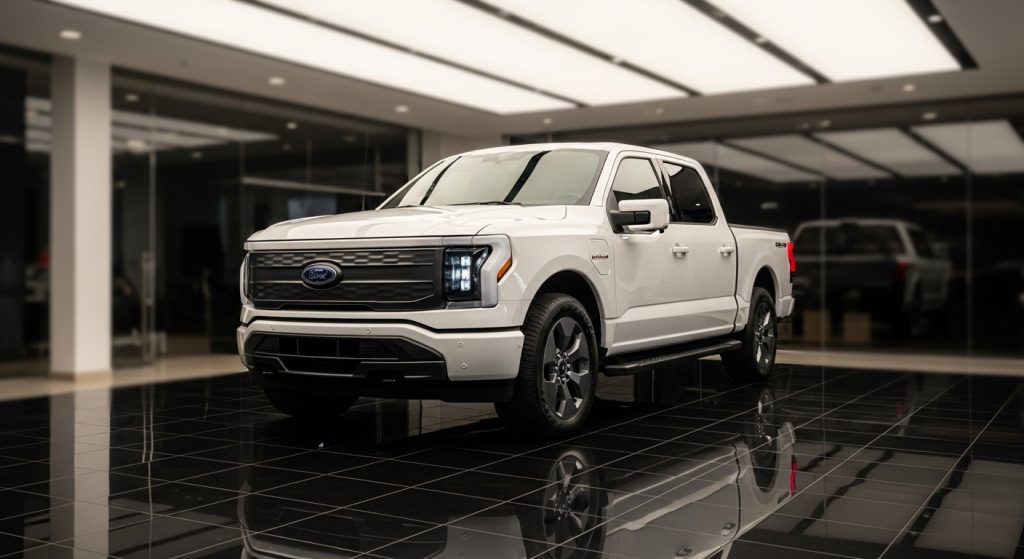
Ford stopped making the F-150 Lightning. The business case eroded. There was a moment where this truck was supposed to matter. Now it represents something abandoned. Dealers had charged markups on early models. Customers who believed in the vehicle are left holding depreciating assets. The truck itself is still capable but the story around it collapsed.
General Motors Electric Vehicles
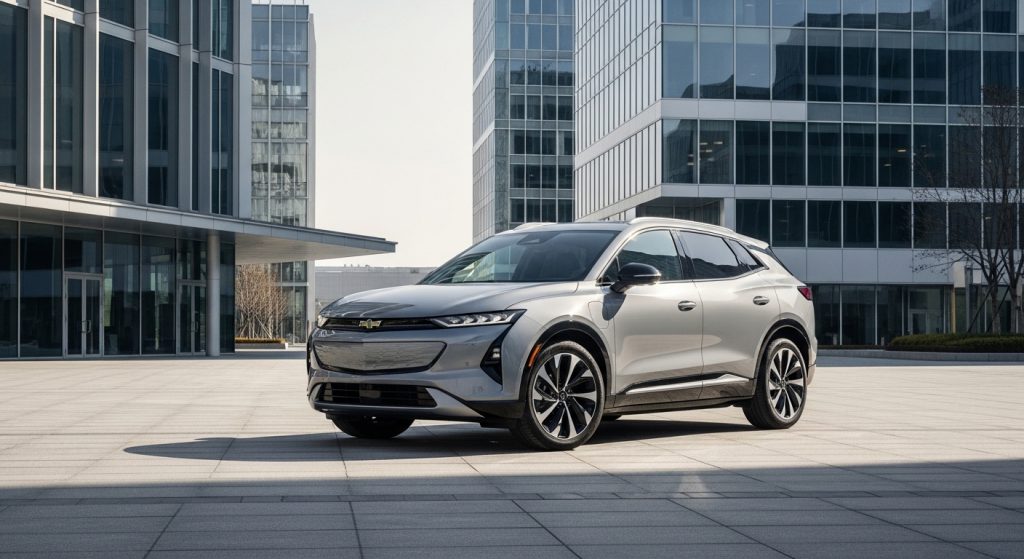
GM took a six billion dollar earnings hit scaling back EV production. That number is large enough that it signals something fundamental shifted. Consumers adopted electric vehicles more slowly than expected. Investment got reallocated. The factories remain but the commitment feels conditional. People who bought early generation GM electrics face uncertain resale value. The company still produces them but less enthusiastically.
Honda Civic
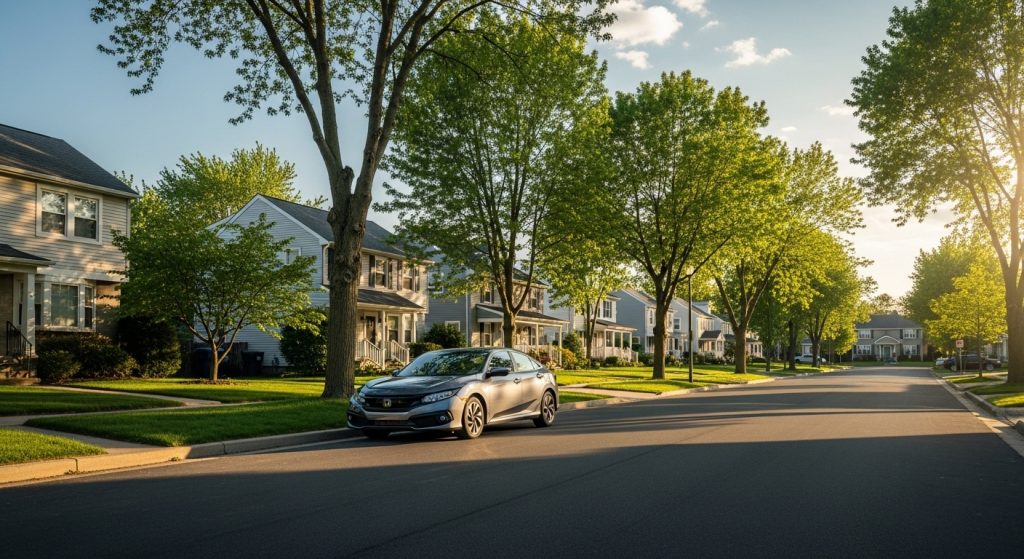
The Civic is everywhere and nowhere. It still sells reasonably. Dealers marked up inventory during the pandemic like every other vehicle. Consumers overpaid. Now the Civic sits in a market where twenty percent mortgage and rent increases squeeze affordability. It is still a reasonable car. It just costs too much relative to what people earn. The vehicle itself did not change but its context did.
Toyota RAV4
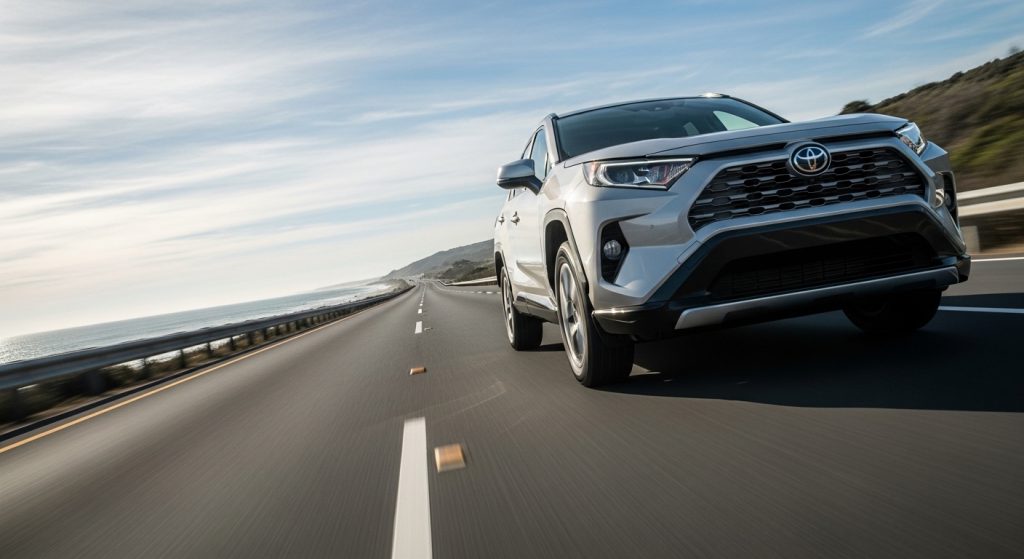
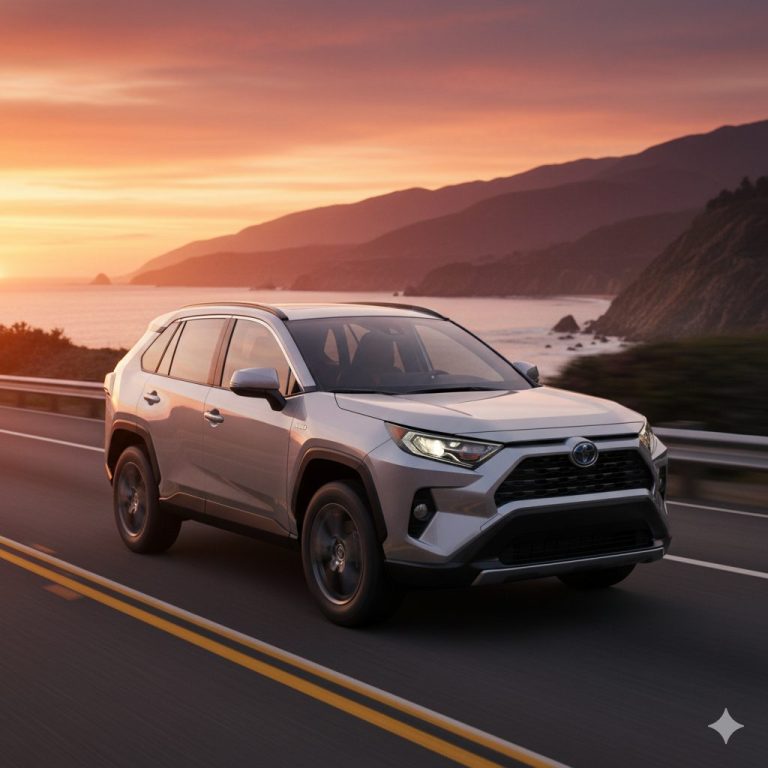
The RAV4 is perhaps the most demanded compact SUV in the market. Tariff uncertainty complicates component sourcing. Raw material dependency creates supply risk. The vehicle gets assembled partly overseas and imported. Dealers charged markups. Consumers bought them at inflated prices. Now some owners carry negative equity. The RAV4 functions adequately but the financial burden of ownership lingers.
Chevrolet Silverado
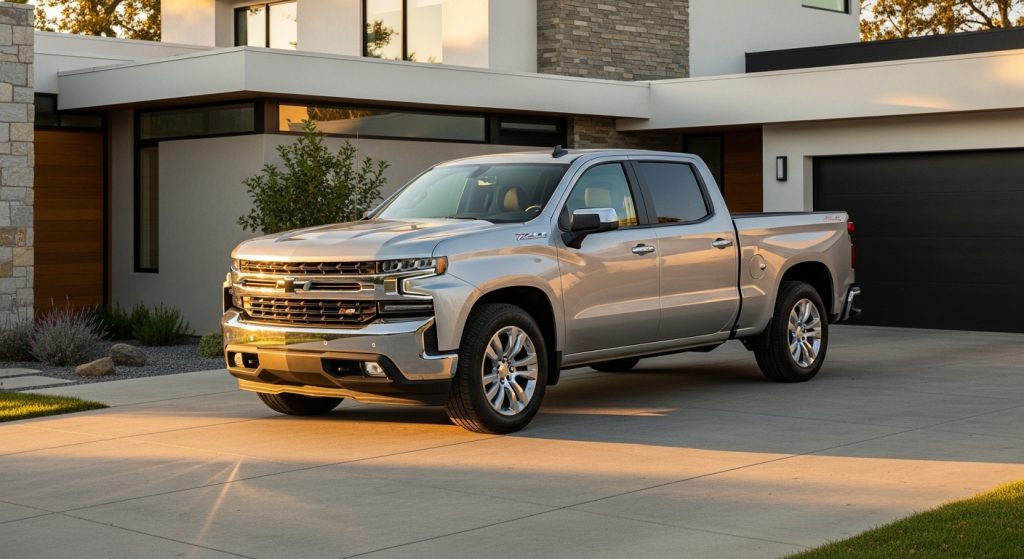
The Silverado exists as a full-size truck when tariff policy remains uncertain. Production location strategies shift based on reshoring incentives and supply chain resilience requirements. Dealers pushed markup packages during the pandemic. New buyers face higher financing costs. Warranty provisions increased for new powertrains. The truck still tows and hauls. But the complexity of owning one extends beyond the vehicle itself.
Ford F-150
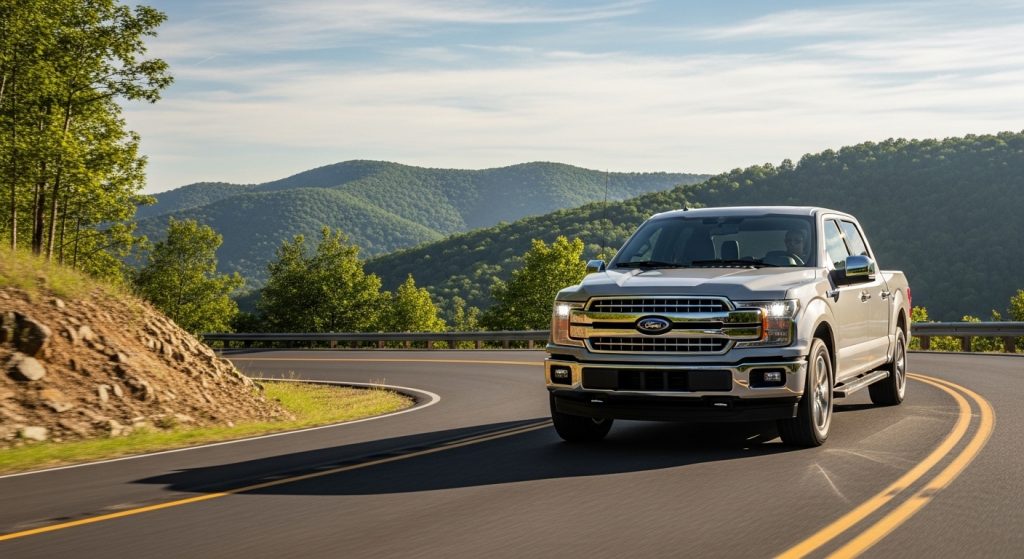
The F-150 remains the best-selling truck in America. The price exceeds what many consumers comfortably afford. Tariff costs filter into final pricing. Suppliers pass increased expenses to Ford. Ford passes them to buyers. The truck works as intended. But the affordability divide accelerates trade-down behavior among lower-income consumers. The vehicle did not change but access to it contracted.
Tesla Model 3
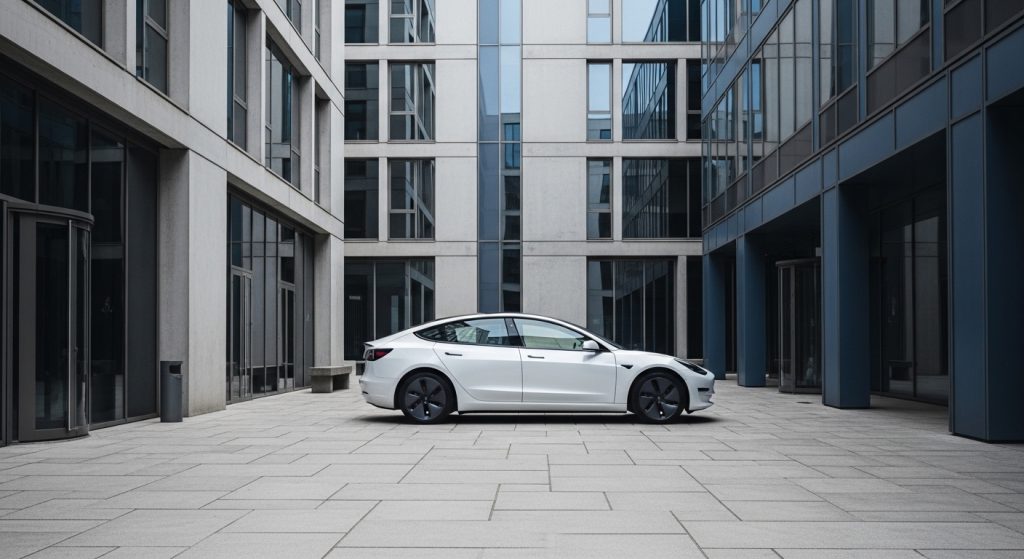
Electric vehicle adoption slowed more than manufacturers projected. Consumer sentiment shifted. The Model 3 still exists but the assumption that EV demand would grow continuously feels dated. Policymakers reassessed commitments. Some countries scrapped strict ICE ban timelines. The vehicle itself performs as designed. The broader conviction supporting it seems less certain.
Hyundai Ioniq
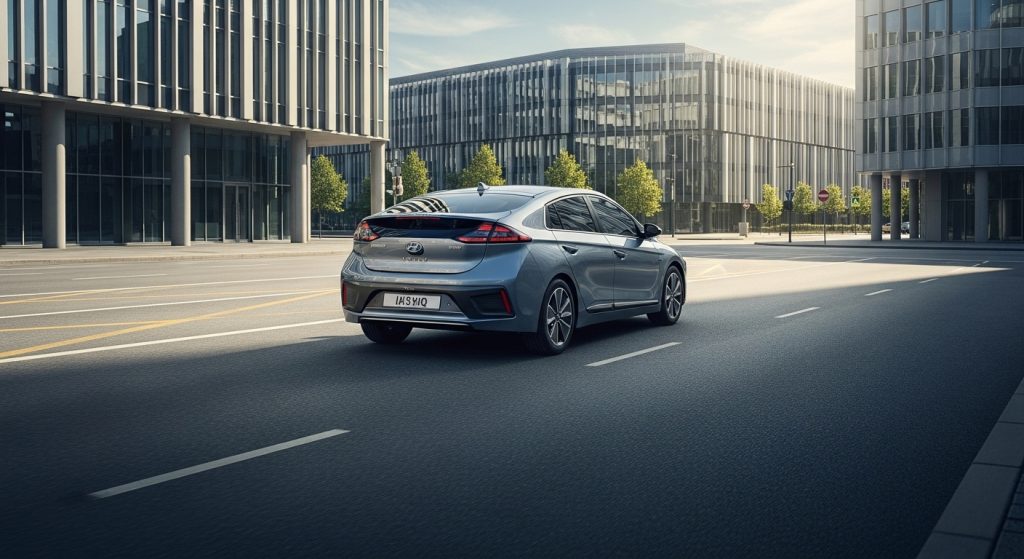
The Ioniq is a smaller EV option. EV policies shifted globally including EU modifications to 2035 timelines. Geopolitical tension between US and Korea resulted in new tariffs. Component costs increase. Consumers remain price sensitive. The vehicle exists but the regulatory environment supporting EV proliferation feels unstable. This probably matters for long-term viability more than immediate sales.
Nissan Altima
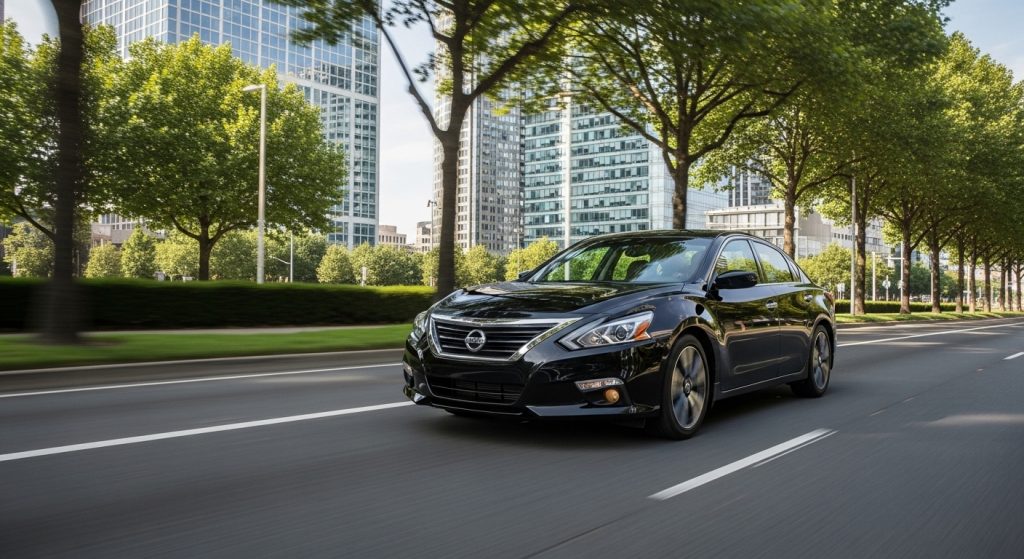
The Altima occupies mid-size sedan space. Mid-market consumers face compressed affordability. Banks issued auto loans at 150 percent LTV during peak pandemic demand. People overpaid. Repossession rates climbed substantially. 2.2 million vehicles were repossessed by early 2026 with projections reaching three million by year end. The Altima is a competent vehicle. It just exists in a market where financial strain shapes ownership more than vehicle merit.
Dodge RAM
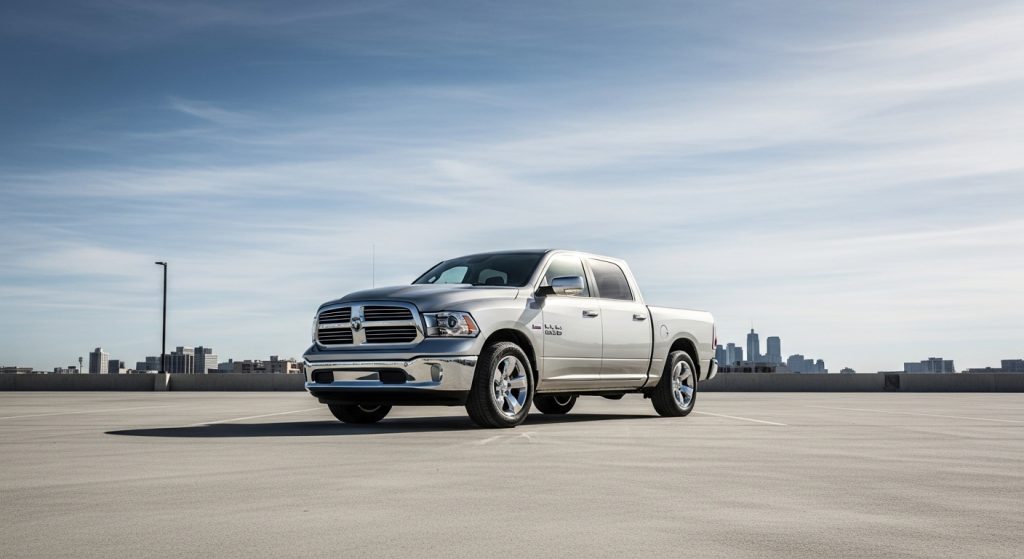
The RAM truck exists as a premium option. Supply chain risk concentration remains elevated. Tariff volatility complicates production planning. Dealers charged significant markups. Some owners now carry seven thousand eight hundred dollars average negative equity. Geopolitical uncertainty introduces ongoing supply disruption risk. The vehicle itself functions fine. The financial conditions surrounding ownership feel less stable than the truck deserves.