‘We’re Relying On The Extremely Wealthy’ As $19K Maintenance Costs Expose 5 Vehicles Draining US Wallets
The average new car in America now costs over $50,000. Median household income sits at $83,730. That means a single vehicle purchase consumes 61% of a family’s yearly earnings before taxes, rent, or groceries. A generation ago, cars were built for middle-class buyers. By 2024, the number of models under $30,000 fell from 72 in 2019 to just 22. Showrooms appear the same, but the price tags tell a different story. However, a closer look at the ten-year sales report hints at what was coming.
Middle-Class Buyers Disappear Fast
The middle class didn’t slowly drift from new cars. It got pushed aside. In 2020, half of all new-car buyers earned under $100,000. By 2026, that share fell to 37%. Meanwhile, buyers earning over $200,000 rose from 18% to 29%. Record numbers of Americans now face monthly car payments exceeding $1,000. Automakers responded by discontinuing affordable sedans and compacts, including the Nissan Versa, Chevrolet Malibu, and Acura TLX. With core customers gone, manufacturers focused on higher margins, leaving many buyers in the lurch. The consequences for vehicle ownership costs soon became obvious.
Luxury Vehicles Cost More Than You Think
Most assume a pricier car guarantees fewer headaches and better value. The data tells another story. Land Rover owners spend $19,000 on maintenance over ten years. Porsche requires $14,000. Mercedes costs $10,500. Mainstream brands like Honda and Toyota average closer to $8,000 over the same period. Many EVs and luxury vehicles lose significant value in the first two to three years. The expensive vehicle is often the worst financial choice for a middle-class family. This pattern revealed that high prices don’t guarantee reliability, but they do guarantee financial strain.
“We’re Relying On The Extremely Wealthy”
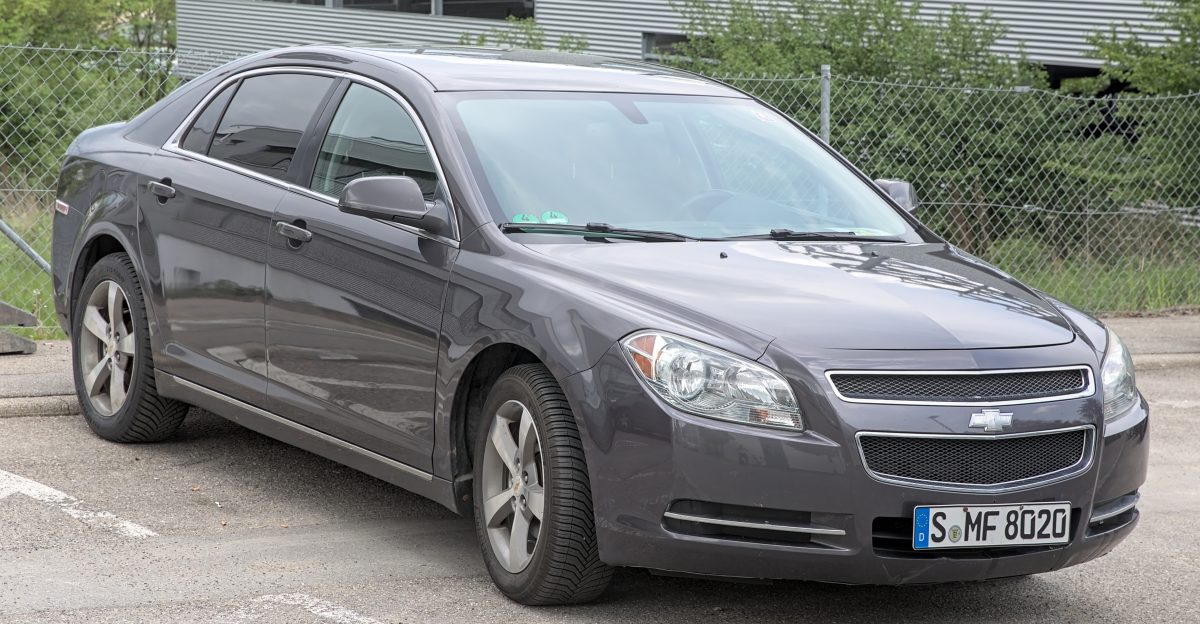
Mark Barrott of consulting firm Plante Moran said plainly, “We’re now relying on the extremely wealthy to generate the sales. That’s a structural problem from an affordability perspective.” Automakers deliberately pivoted toward high-margin vehicles while affordable models disappeared. The Nissan Versa, Chevrolet Malibu, and Acura TLX were discontinued. Companies chose smaller markets at higher profits instead of serving middle-class customers who built their brands. This shift highlights a clear structural change.
Five Vehicles Drain Middle-Class Wallets
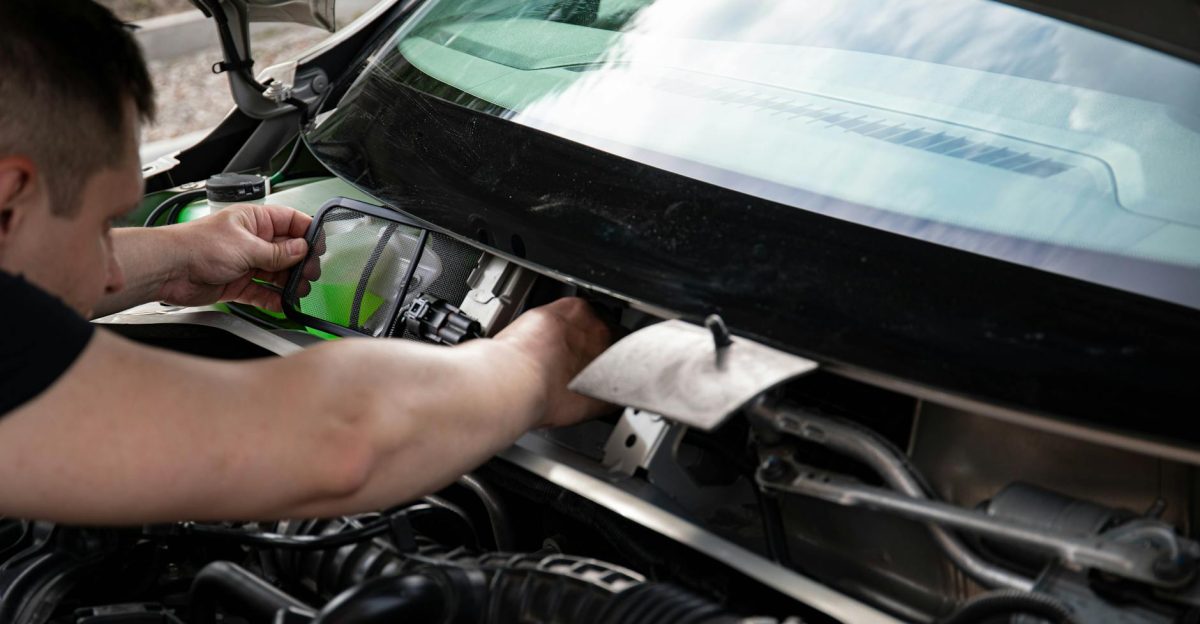
A small group of popular vehicles shows how quickly costs can spiral for middle-class buyers chasing affordability. Luxury maintenance, unexpected repairs, and rapid depreciation are quietly punishing owners. Some vehicles carry risks that far exceed what a family anticipates when signing the paperwork. Hidden repair bills, early depreciation, and specialized maintenance trap buyers who thought they were making smart choices. Understanding which models carry these risks is crucial.
1. BMW X5
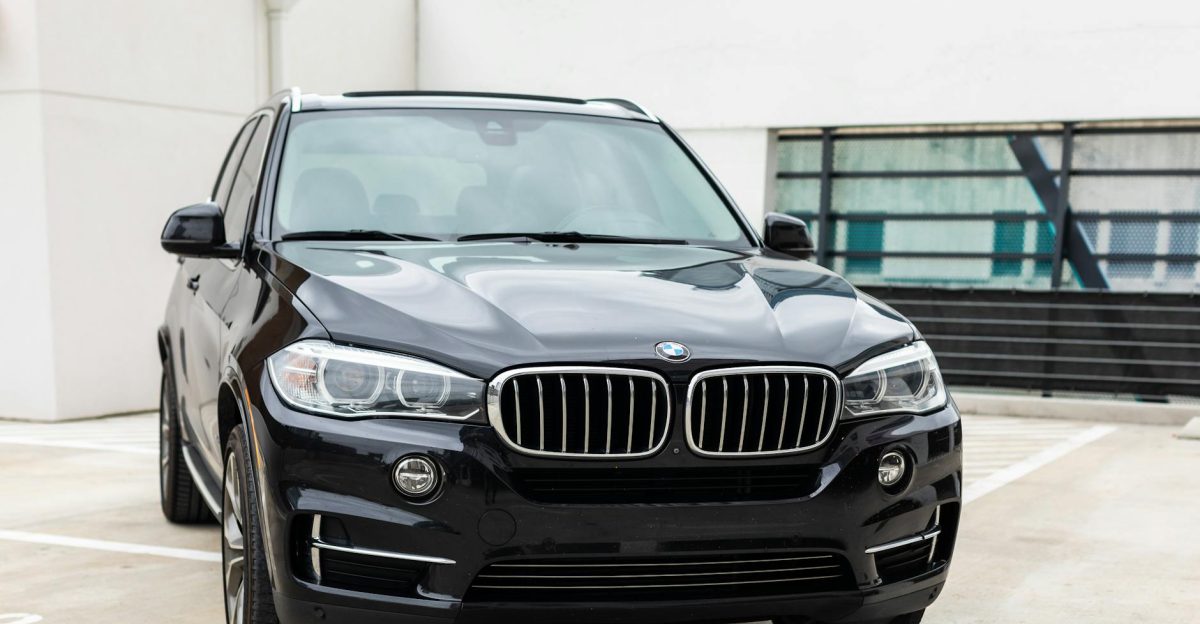
The BMW X5 combines luxury and performance with a punishing ownership cost. CarEdge data shows $19,460 in maintenance and repairs over the first 10 years, $7,007 above the luxury SUV average. Annual expenses average $1,223 in the first five years, rising to $2,919 by year 10. By decade’s end, there is a 56.41% chance of a major repair. Routine oil changes every 15,000 miles and brake replacements every 25,000 miles, combined with labor rates exceeding $200 per hour, drain wallets quickly. Proprietary diagnostic tools force dealership visits, making the X5 a subscription to financial pain.
2. Land Rover Defender

The Land Rover Defender demands $18,097 in maintenance over 10 years, $5,644 above luxury SUV averages. Probability of major repair is 51.26% by year 10, rising to 76.88% by year 11 and 95.64% by year 12. Annual costs start at $761 and reach $2,694 by year 10. Electrical faults, oil leaks, and sensor failures are common. Complex electronics and advanced suspension systems amplify repair expenses. Specialized technicians command premium rates. Insurance adds $3,343 annually, totaling $16,715 over five years. Luxury buyers pay heavily for reliability worse than mainstream SUVs, exposing hidden financial traps in high-end ownership.
3. Nissan Leaf
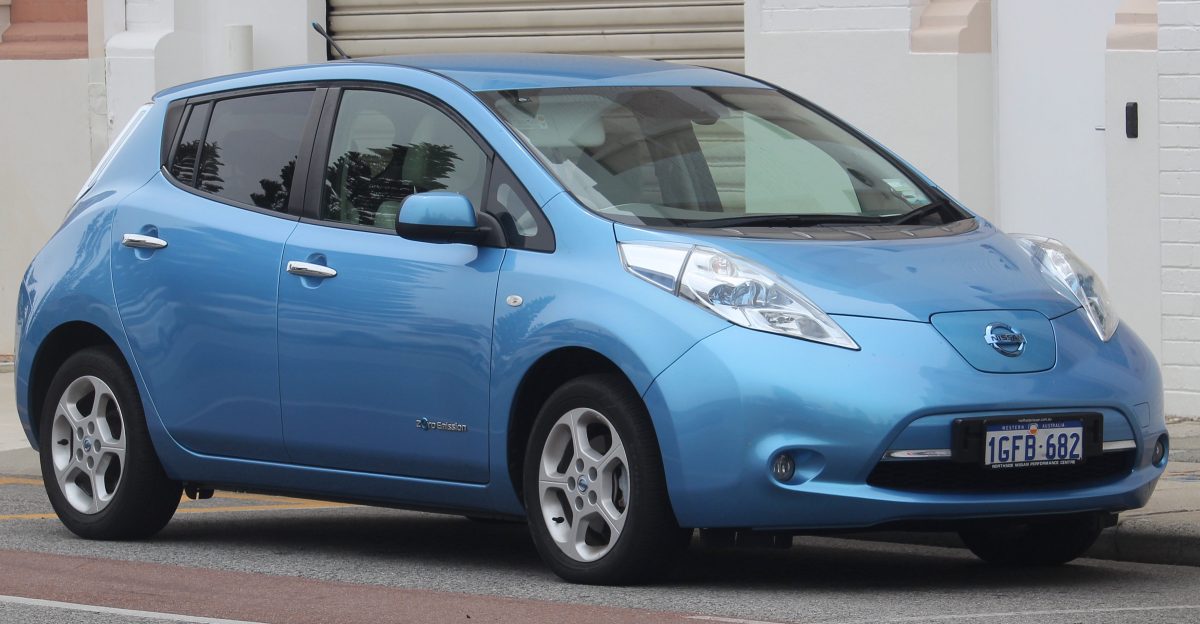
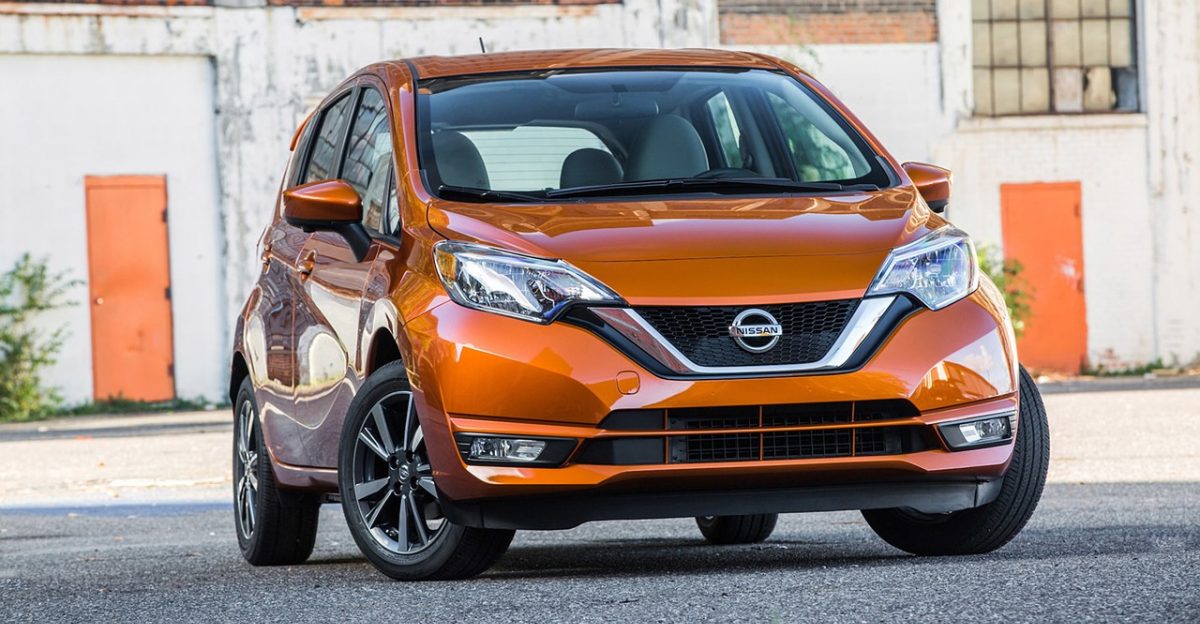
The Nissan Leaf starts as an affordable electric option but quickly becomes a financial burden. It loses 59% to 61% of its value in the first two to three years due to battery degradation, which reduces range by 10% to 20%. Early Leafs with air-cooled batteries degrade faster in hot climates, with some losing 30% to 40% capacity. A 2015 Leaf sold for $29,000 now trades for $8,000 to $10,000. Battery replacements after warranty cost $5,500 to $8,500, often exceeding the car’s remaining value. Attractive bargains can quickly turn into costly traps.
4. Ford 1.0
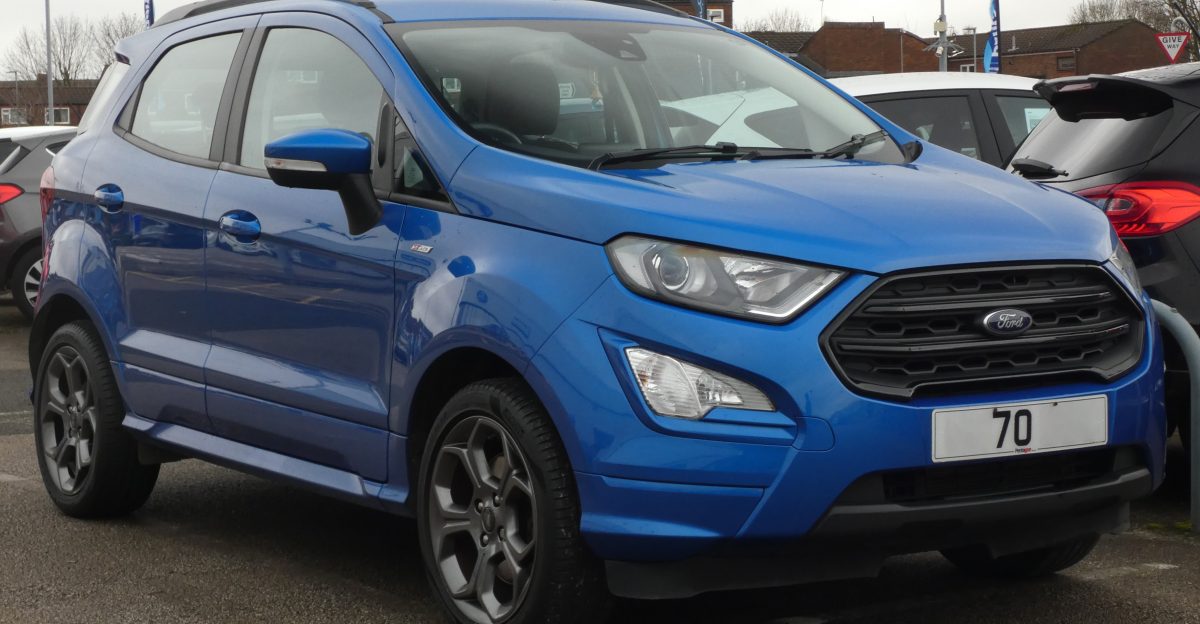
Ford promoted the 1.0-liter three-cylinder EcoBoost as fuel-efficient engineering, but owners often faced catastrophic failures. Coolant leaks into the combustion chamber, overheating, timing belt issues, and turbo destruction were common. Contaminated oil starves turbo bearings, leading to full turbo failure. Repairs can range from roughly $2,500 to $6,500 depending on severity, with some engines replaced entirely before 60,000 miles. Turbocharger replacements alone can run around $1,000 to $2,000. Recalls and extended warranties helped some owners, but many outside coverage face crushing bills. Fuel savings vanish as repair costs mount, turning the EcoBoost into a harsh financial trap.
5. BYD Atto 3
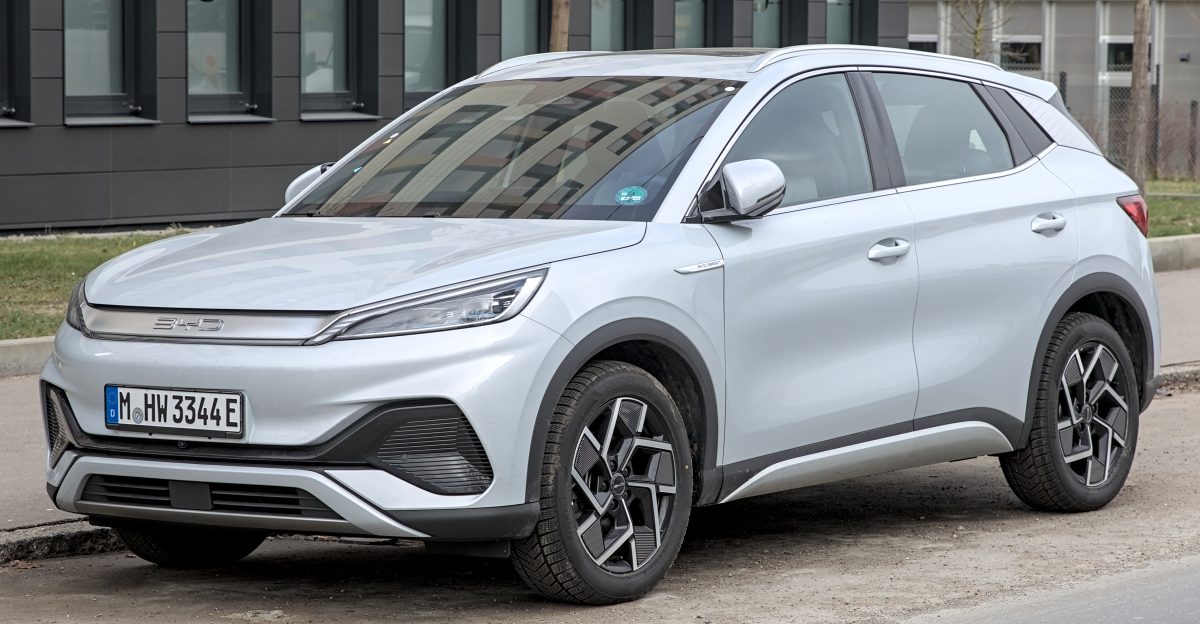
The BYD Atto 3 entered global markets with low pricing and modern features. The vehicle dropped about 35.8% in value in its first year in Australia, and early data suggests it could lose roughly half its value within the first three years. A $45,000 Atto 3 can fall to around $29,000 in 12 months and potentially the low-$20,000 range by year three. Depreciation is driven by brand perception, limited service networks, new-model discounting, and parts uncertainty. Buyers attracted to low upfront costs quickly face negative equity. The initial savings vanish, turning what seemed affordable into a steep financial loss that traps owners.
The True Cost Of Ownership

The American auto market no longer serves the middle class. Average transaction prices exceed $50,000, while buyers skew toward households earning over $200,000. The five vehicles detailed here reveal a system designed to extract profit while shifting risk to owners. BMW X5 and Land Rover Defender maintenance surpass $18,000 over ten years. The Nissan Leaf can lose around 60% of its value within just a few years. Ford’s 1.0 EcoBoost engines are prone to failures that can cost several thousand dollars to repair or replace. The BYD Atto 3 depreciates more than a third in a single year. The smartest 2026 strategy is buying a two-to-three-year-old Japanese or Korean sedan with remaining warranty at about 60% of sticker price.
Sources:
Average U.S. New Car Prices Top $50,000 For The First Time Ever. Forbes, October 13, 2025
New cars are increasingly a luxury amid K-shaped economy concerns. CNBC, January 30, 2026
BMW X5 Maintenance Schedule and Costs. CarEdge, February 18, 2026
Land Rover Defender Maintenance Costs. CarEdge, February 18, 2026
Nissan Leaf Has Terrible Resale Value. MoneyDigest, November 26, 2025
How Reliable Is the Ford 1.0 EcoBoost Engine in 2025. Approved Engines, January 24, 2026