Washington’s ‘Relief’ Plan Hands $2.4B To Oil Companies While It Saves America’s Poorest Drivers Just $5
Gas prices soared 35% in less than a month. By the end of March 2026, drivers across the country were paying an average of $4.02 per gallon. This was the highest since August 2022. Diesel was also climbing, topping out at $5.45. Families keeping a close eye on every dollar saw fill-ups jump from $40 to $60. Washington rushed out new proposals.
Congressman Chris Pappas introduced the Gas Prices Relief Act on March 9, aiming to pause the 18.4-cent federal gas tax until October 1. The bill’s title suggested hope. The reality was more complicated.
The Blockade Behind the Price Tag
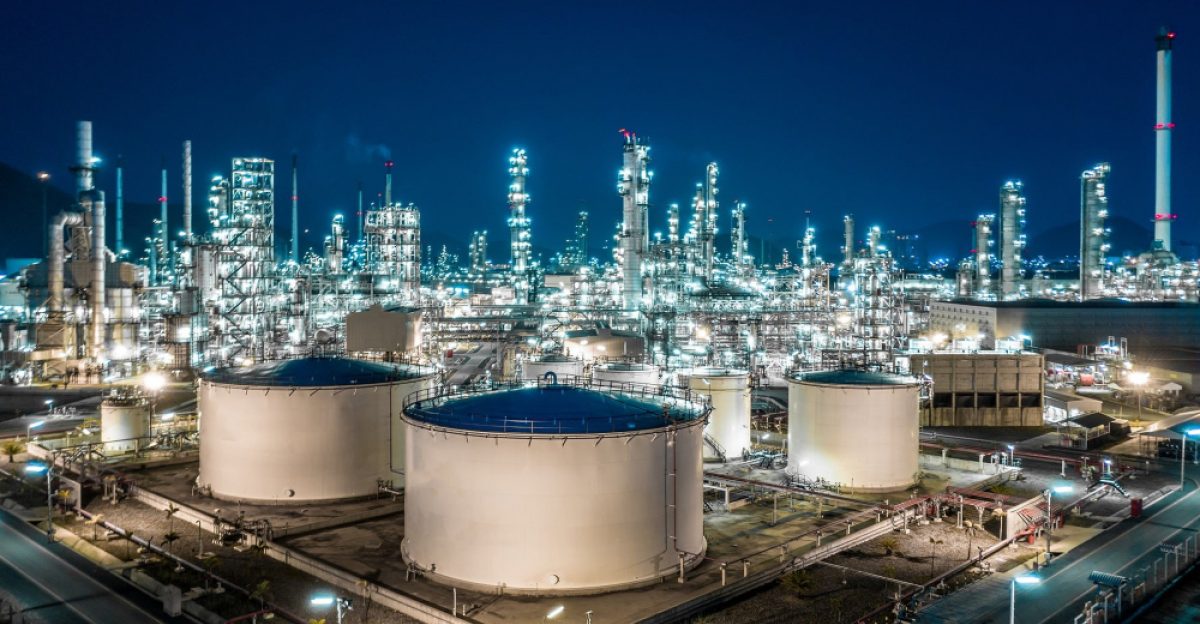
The blockade at the Strait of Hormuz bottled up an estimated 14 to 15 million barrels of crude oil every day. That level of disruption was about five times the supply shock caused by Russia’s invasion of Ukraine in 2022. Brent crude prices shot up to nearly $120 a barrel. Oil was only part of the story. Between 9 and 11 million barrels a day of refined fuels, including gasoline, diesel, and jet fuel needed by Americans, could not move around the blockade. No pipeline could solve this.
Georgia’s Governor Kemp signed a 60-day state gas tax suspension on March 20, costing the state $370.2 million. Connecticut considered its own break. None of these moves reopened the Strait.
A 97-Year Record Starts Cracking
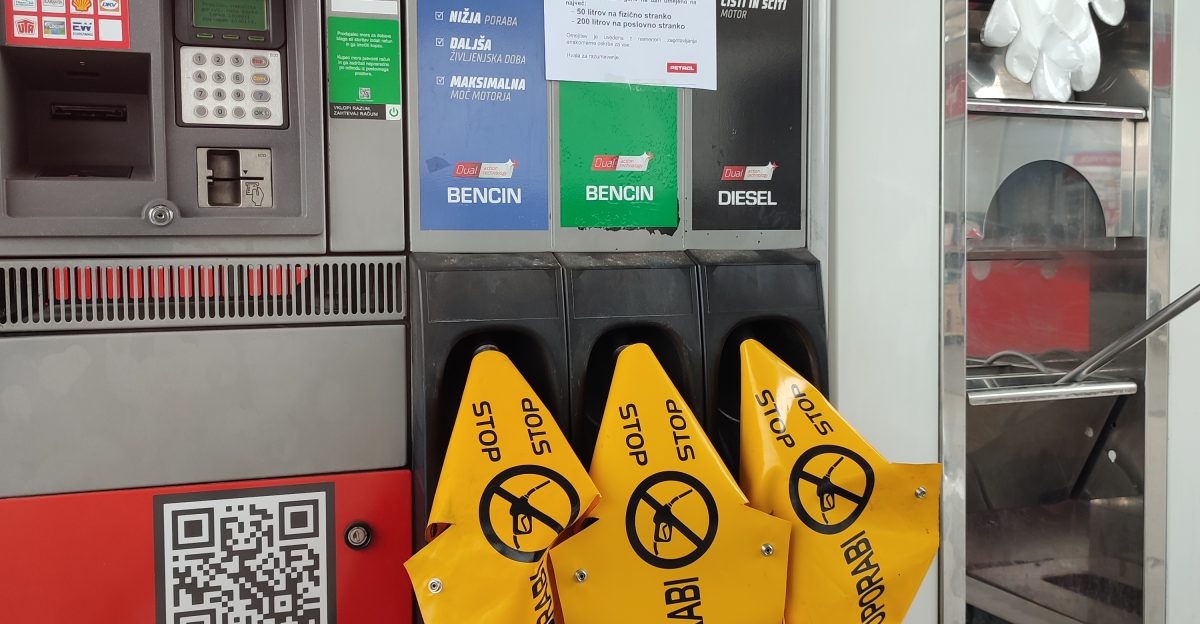
Since 1929, Massachusetts has never paused its gas tax, not during wars, recessions, or oil shocks. Governor Maura Healey stayed the course this time as well, saying, “I just don’t think it’s going to get us very far right now in the overall picture.” Prices in Massachusetts jumped from $2.91 to $3.76 in just a month.
Over 159,000 households in the state relied on energy assistance during the last heating season. Many assume that dropping a tax means lower prices. The tax holidays in Georgia, Maryland, and New York during 2022 showed that lower prices do not always follow.
The $5 That Tells the Whole Story
The Gas Prices Relief Act would cost the federal government about $2.4 billion each month. According to ITEP, low-income families making under $53,000 a year would see only $5 a month in savings. Five dollars. In Georgia, the bottom 60% of households received just 22% of the state’s tax cut benefits, averaging $13 per family. Most of the savings went to oil companies, out-of-state drivers, and wealthier households.
During supply shortages, companies keep pump prices steady and pocket the tax break as extra profit. This occurred in 2022, as several states found out firsthand.
How Oil Companies Capture the Cut
Drivers do not see the federal gas tax at the pump. The tax is collected at the distributor level, behind the scenes. This structure makes price changes difficult to notice. When fuel supply is limited and demand remains high, cutting the tax does not increase gasoline supply. Refiners keep prices steady and widen their profit margins.
The bill asks the Treasury to check if savings reach consumers, but the experience in 2022 showed they do not. Turning off the thermostat during a heat wave because the air conditioning is broken would have a similar effect.
The Numbers Nobody Mentions
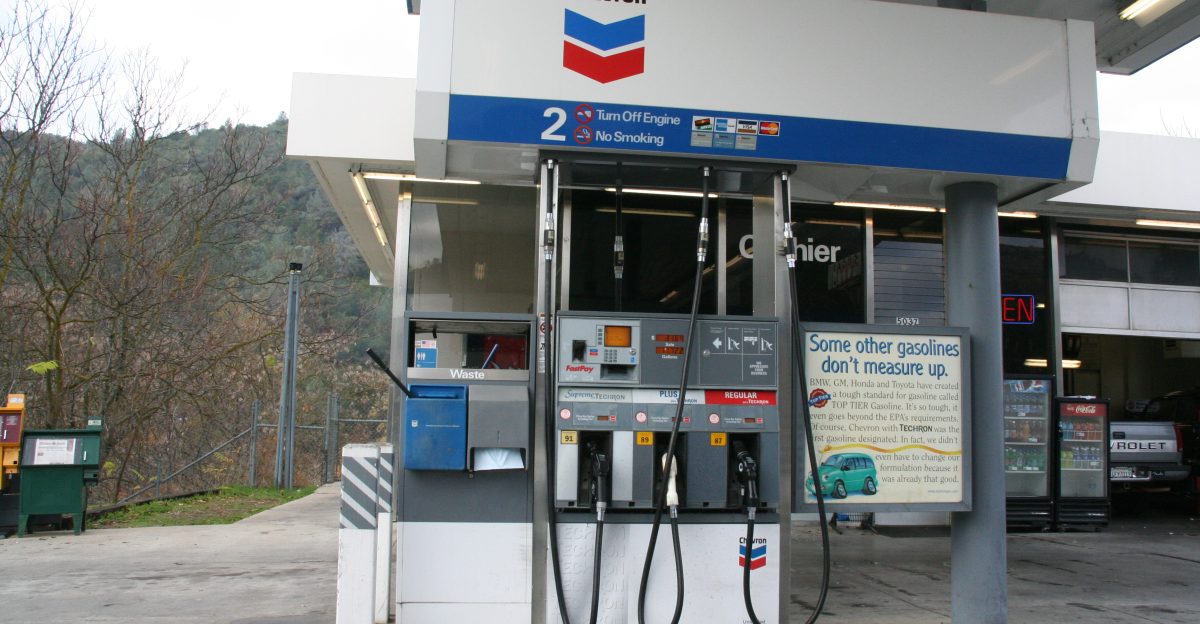
The federal gas tax has remained at 18.4 cents per gallon since 1993. Over 33 years, inflation has increased the cost of everything the tax was intended to fund. The Highway Trust Fund now faces a $340 billion shortfall from 2027 to 2036. A seven-month gas tax holiday would remove another $16.8 billion. These funds support roads, bridges, and maintenance.
The bill states that Treasury will fill the gap, but the replacement money must come from another source. Driver savings amount to $5 a month. The cost is billions of dollars in delayed repairs. This is the actual tradeoff.
Diesel Hits Everyone’s Grocery Bill
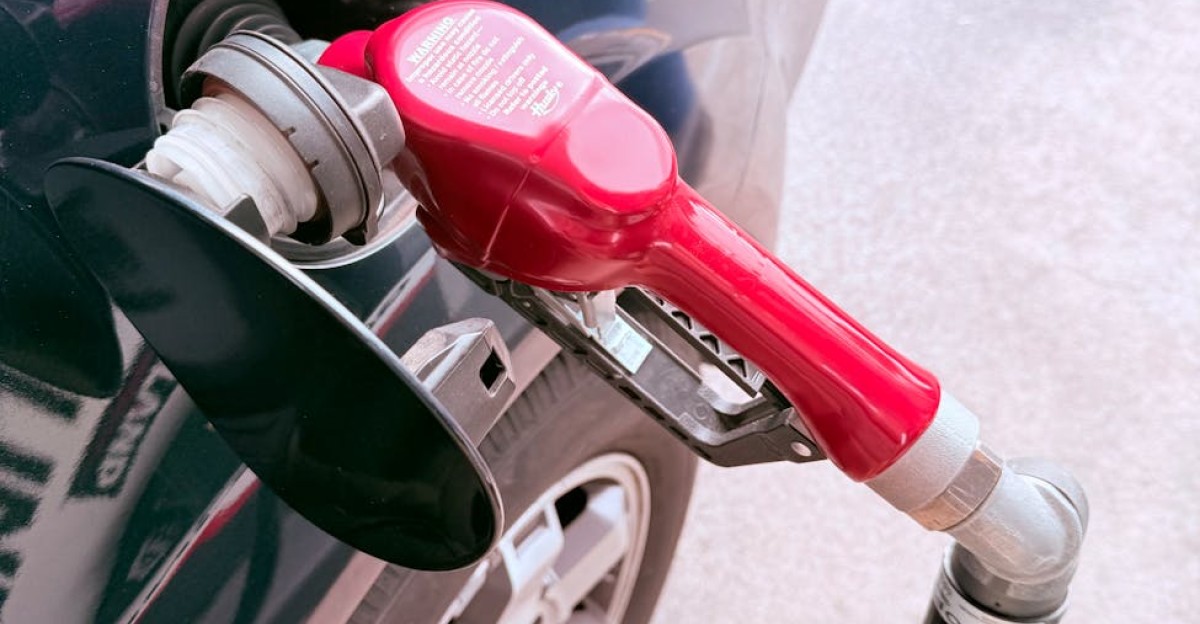
Diesel at $5.45 a gallon increases the cost of everything transported by road. Groceries, building materials, farm fuel, and school bus rides all become more expensive. Small businesses either absorb the extra expense or pass it to customers. Inflation spreads from every warehouse and loading dock.
Refinery profits also rose, especially for jet fuel. Refiners made more money, and families saw the price of milk and other essentials climb. The gas tax holiday does not address these problems. Reducing gasoline tax by eighteen cents does not resolve the diesel shortage affecting supply chains across the country.
“Temporary” Lasts Until 2028

On March 10, White House Press Secretary Karoline Leavitt stated: “Rest assured to the American people, the recent increase in oil and gas prices is temporary, and this operation will result in lower gas prices in the long term.” The administration’s own Energy Information Administration expects gas prices to remain well above $3 per gallon through 2027. This forecast implies nearly two years before prices return to previous levels.
The gap between the word “temporary” and reality reframes other promises from Washington during this crisis. This policy acts more as a press release with a price tag than a solution.
The Squeeze That Won’t Let Up

If the Strait stays closed into May, the EIA expects prices to remain high through 2027. The tax holiday ends October 1, and no lasting fix is in place. The government’s release of 172 million barrels from the strategic reserve addresses crude oil, not the refined fuel shortage that determines what drivers pay at the pump. Massachusetts families already pay about $1,300 more for utilities than the national average, with gas adding another $300 or more each year.
Working families face rising costs for fuel, heat, and groceries. Many of the households targeted by the bill cannot wait nearly two years for relief.
The Scam You Can Now Explain
The core challenge is a refining problem, not a pricing problem. No tax cut can build a new refinery or reopen a strait. Reducing taxes when fuel is in short supply encourages higher demand, which pushes prices up. The bill includes the word “relief” in the title, but in practice it produces a wealth transfer. Oil companies collect higher margins. The Highway Trust Fund loses revenue.
For a family paying $4.02 a gallon, the savings may be no more than a nickel per gallon. Congress proceeded with the bill despite these facts.
Sources:
Pappas House Official Press Release, Amid Skyrocketing Prices, Pappas Introduces Legislation to Suspend Gas Tax and Lower Costs at the Pump, March 9, 2026
ITEP (Institute on Taxation and Economic Policy), Gas Price Surge Costs American Drivers $9.4 Billion a Month; Gas Tax Holidays Won’t Solve This Problem, March 22, 2026
Office of the Governor of Georgia, Gov. Kemp Signs Major Tax Relief Bills for Hardworking Georgians, March 20, 2026
CRFB (Committee for a Responsible Federal Budget), A Gas Tax Holiday Would Cost Billions Each Month, March 16, 2026
U.S. Department of Energy, Energy Department Initiates Strategic Petroleum Reserve Emergency Exchange to Stabilize Markets, March 12, 2026
U.S. Energy Information Administration, Short-Term Energy Outlook, March 2026