Washington Ends Tesla’s 12‑Year Direct‑Sales Monopoly as Rivian and Lucid Gain Direct Deals
In Olympia, tucked inside Washington’s dealer-licensing code, a little-known detail is quietly changing the rules for Tesla. Headlines and grand announcements never appeared. The change happened during a routine legislative session with a few bills that barely made a splash.
Until now, Tesla was the only electric vehicle brand allowed to sell directly to customers in Washington, a privilege that set it apart. That exclusivity is gone. What has replaced it shows a much bigger shift in how car buying works.
Tesla’s Exclusive Lane Closes
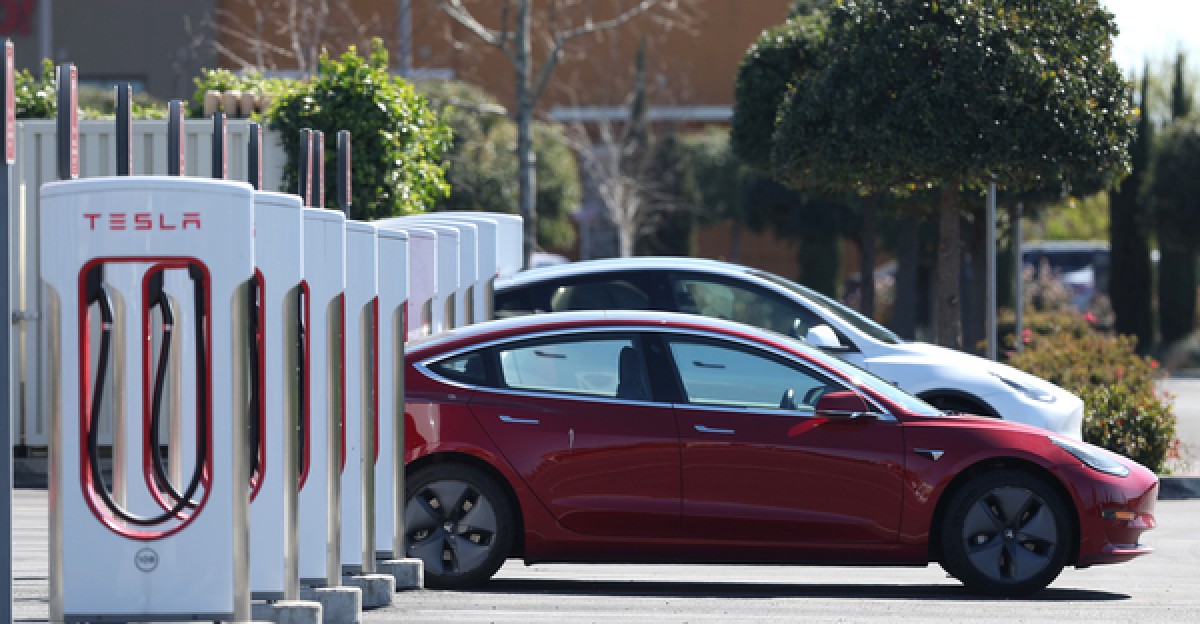
Tesla’s special treatment remains on the books, and now two newer EV brands, Rivian and Lucid, are joining in. Rivian is opening retail locations called “Spaces.” Lucid has its own “Studios.” Changes to state law, especially Senate Bill 6354 passed in 2026, give both brands a way to make direct deals with buyers.
The rules are different. Tesla, once the lone pioneer, is now sharing the road with competitors who have entered what used to be its private lane.
How Car Buying Really Works
Many people believe car buying should be simple: see a car, buy it from the manufacturer. Dealer franchise laws, backed by groups like the National Automobile Dealers Association, have created a barrier between carmakers and customers for years.
Tesla’s direct-sales model has clashed with these laws around the country, creating a patchwork of rules from state to state. Washington’s recent changes show that, even as electric cars grow more popular, the old system still holds power.
Lawmakers Set the Terms
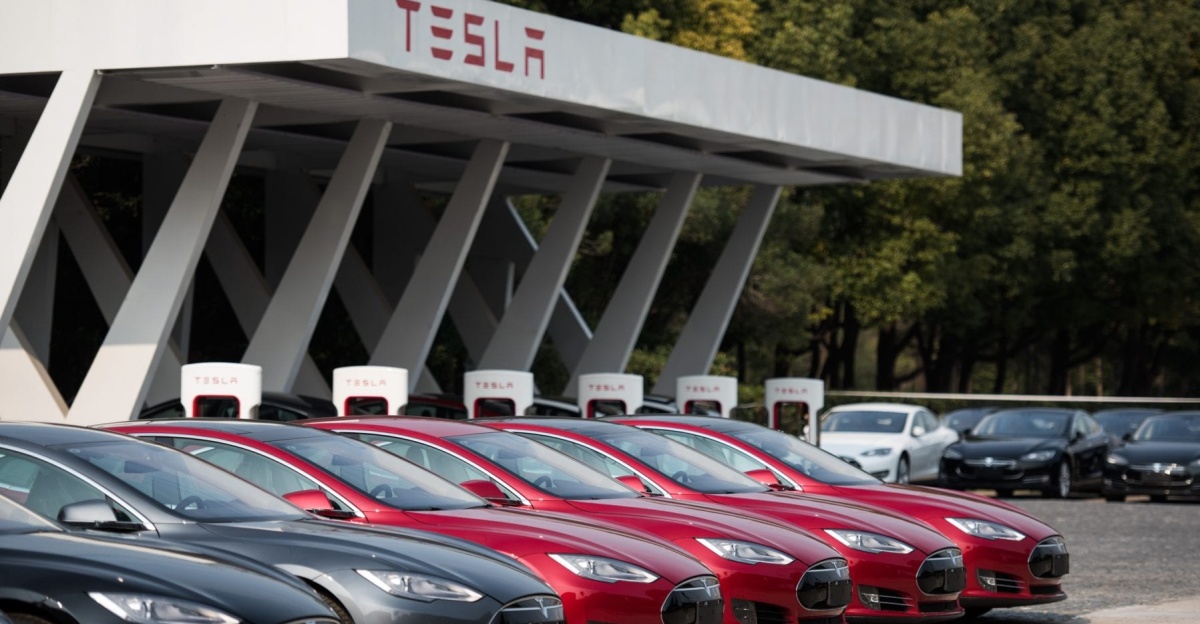
Tesla’s ability to sell directly to buyers was a fragile exception that lawmakers could have ended at any time. Washington chose to expand access rather than end Tesla’s carveout. Rivian and Lucid earned their spots by meeting specific requirements in the new law.
Tesla kept its original carveout. In one legislative session, three brands now have three different ways to reach customers. Lawmakers decide who gets to play by which rules.
The Law Behind the Purchase
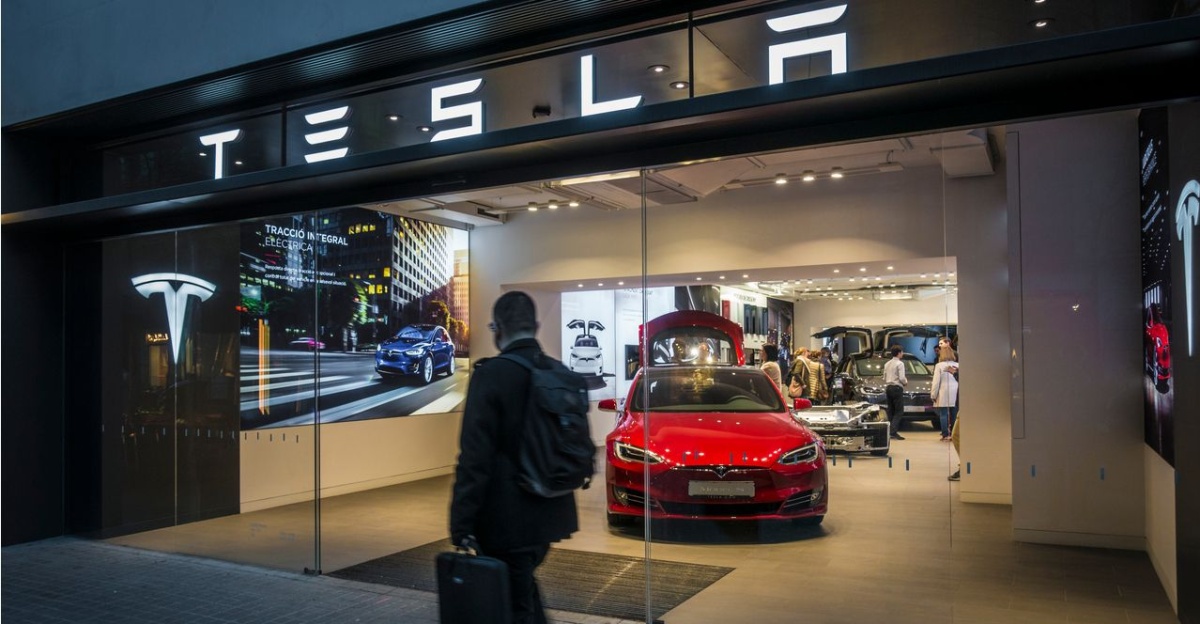
RCW 46.70, Washington’s set of rules for dealer licensing, contains the definitions, exceptions, and categories that determine who qualifies as a dealer.
The battle over direct EV sales plays out in these legal details. Change a definition, adjust an exemption, and the process of buying a car shifts. Most people never notice these laws, but they shape the experience between a manufacturer’s website and a buyer’s driveway.
Dealer Rules Shape the Price
When a brand is required to sell through dealers, the car buying process becomes more complicated. Haggling over price, extra fees, and middlemen often appear. For EV shoppers in Washington, whether a brand can sell directly or must use dealers changes the experience.
Dealer rules affect shoppers, local tax flows, and the final price. The price a buyer sees as a free market price is often shaped by laws that go unnoticed.
Washington Sets a Precedent
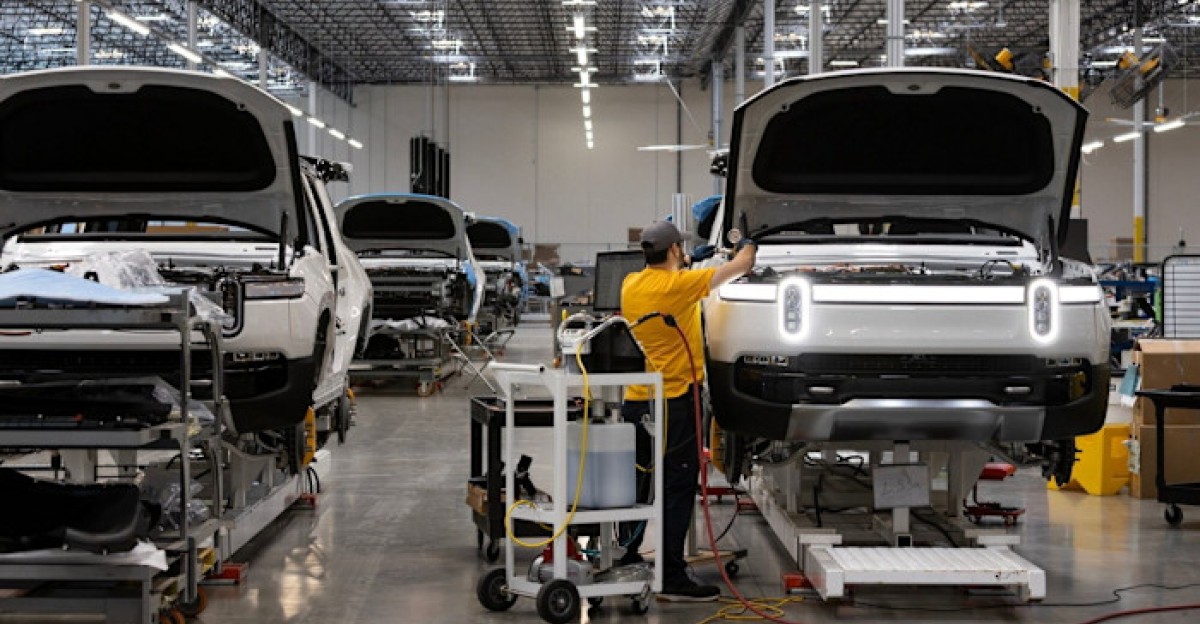
This change in Washington is influencing other EV manufacturers. Many are watching and planning how to secure their own exceptions before established car companies can block them. State legislatures have the power to pick which brands can sell directly and which cannot.
A single session in a statehouse can change how cars are sold. For shoppers who prefer fixed prices and direct buying, it is the fine print in state law that shapes those choices.
A Blueprint for Direct Sales
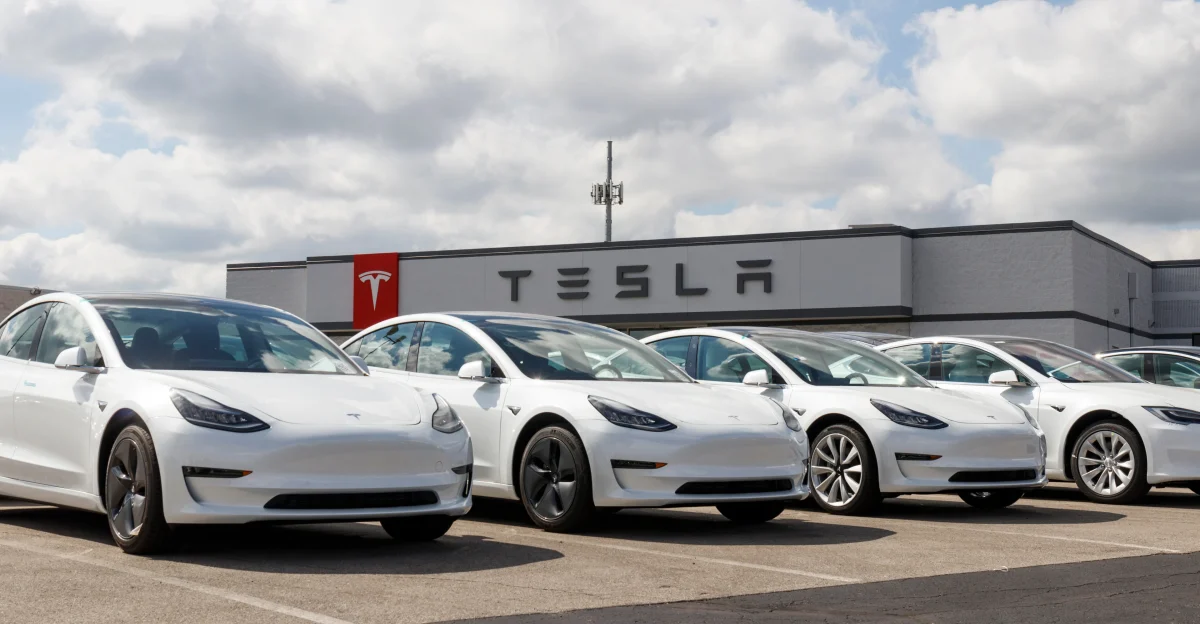
This policy update serves as a blueprint for how states can shape the car market. Lawmakers, not customers or car companies, decide who can sell and under what conditions.
Every state’s dealer law acts as a tollbooth. Washington’s changes show that statutes call the shots. Tesla’s battles across different states fit this pattern: each state sets its own rules, and every rule carries a cost.
The Ongoing Battle for Access
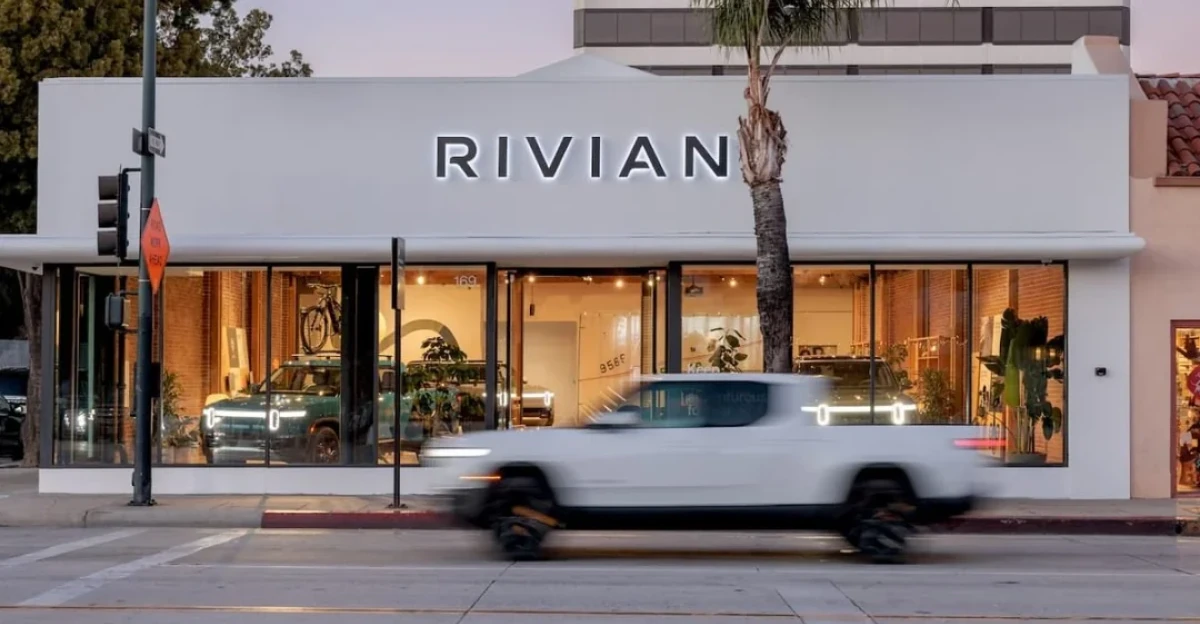
Tesla, Rivian, and Lucid have, or soon will have, the right to sell directly to Washington buyers. The fight continues. Large car companies and dealer groups are lobbying, going to court, and pushing for new laws.
Brands with direct access will work to build their presence. This battle is just beginning, and it will play out in statehouses across the country wherever franchise laws remain.
Who Decides How You Buy
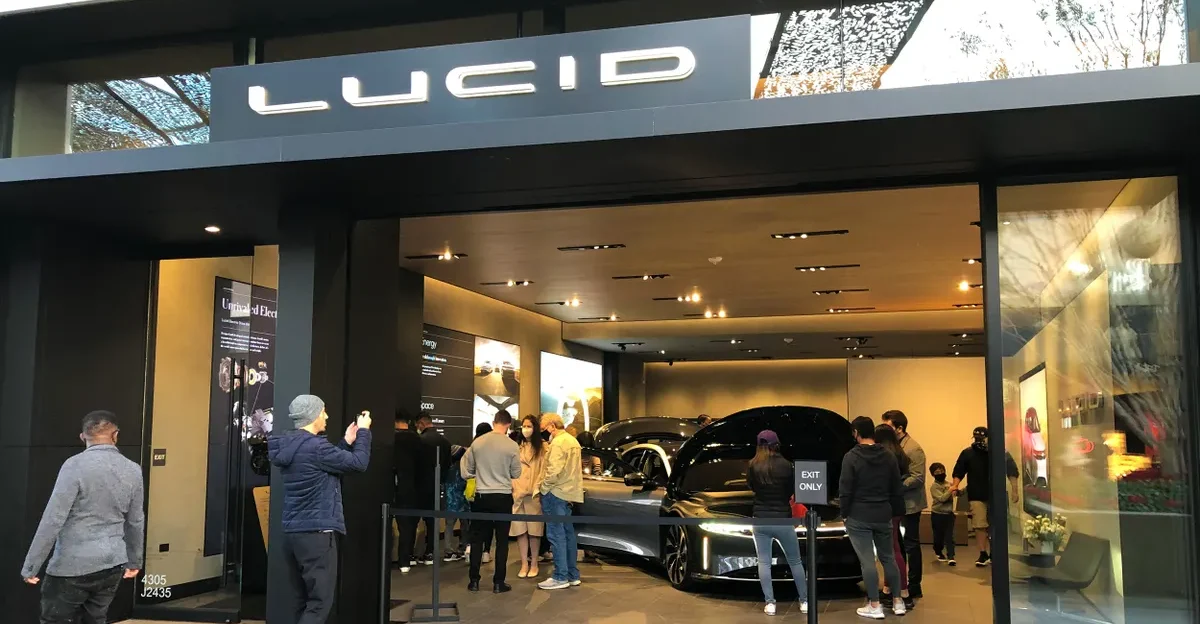
Buying a car in a free market is only possible if the law allows it. State rules determine who can sell cars and how buyers make purchases. Each dealership visit or online order follows rules set by lawmakers.
Washington’s changes make it clear that legislatures pick which EV brands get direct access and which face extra steps. Every other state now faces the same decision about its own code and who benefits from those choices.
Sources:
KUOW, Tesla loses Washington loophole as Rivian, Lucid score direct deals, 2026-03-15
GeekWire, Rivian and Lucid break through Washington state’s dealership wall, 2026-03-12
Yahoo News, WA is close to letting Rivian and Lucid sell directly to customers at company-owned stores, 2026-03-16
Drive Tesla Canada, Washington State expands EV direct sales to Rivian and Lucid, 2026-03-16
Washington State Legislature, Chapter 46.70 RCW: Dealers and Manufacturers, 2024-12-31
Washington State Legislature, Senate Bill 6354 (Direct sales by certain electric vehicle manufacturers), 2026-03-12