VW’s Entire ID Lineup Recalled for Fire Risk Across America
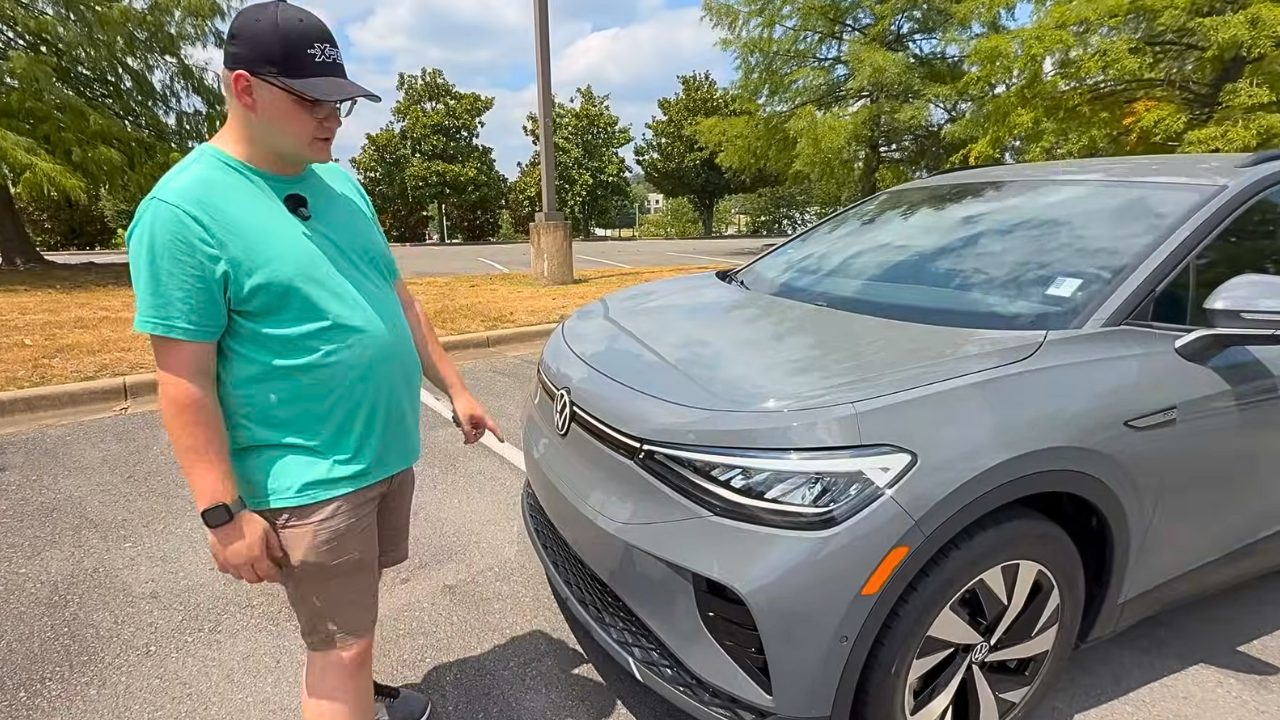
Somewhere in a garage tonight, a Volkswagen ID.4 sits on a charger while a family sleeps upstairs. The owner paid north of $45,000 for German engineering and a clean conscience. What they got instead is a high-voltage battery pack with electrodes shifted by microns, enough to trigger a chain reaction that turns a parked car into an inferno. Volkswagen just recalled 94,031 electric vehicles worldwide. Four have already caught fire. And the company knew about the first one more than a year before it told the public.
The Fire That Started the Clock
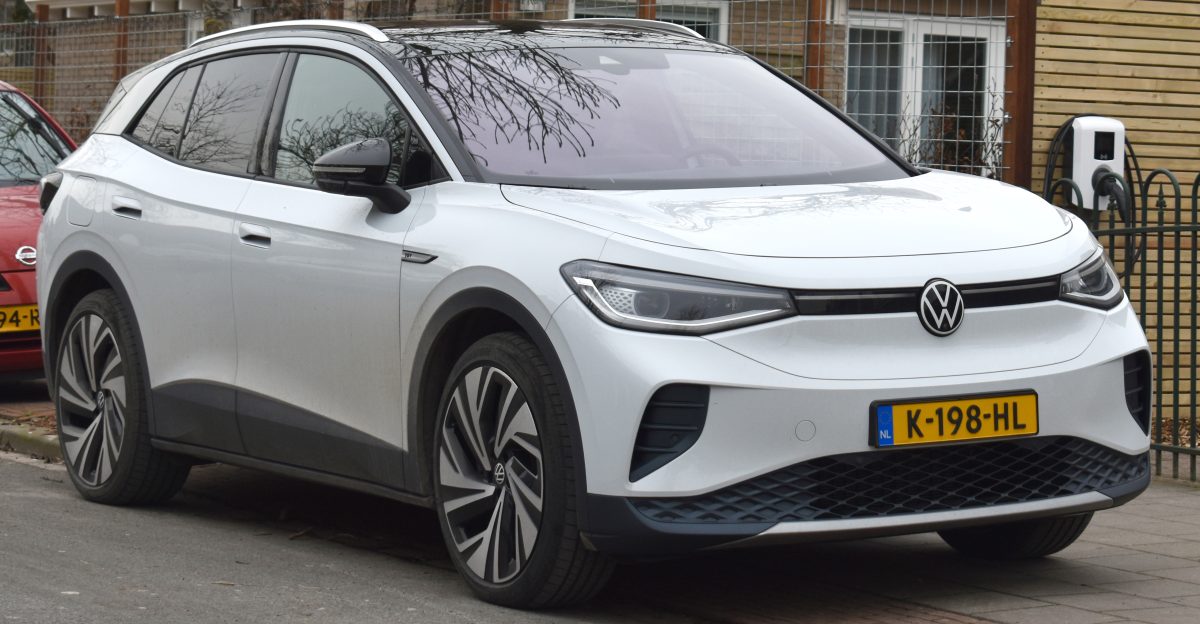
January 18, 2024, Illinois. A VW ID.4 experienced its first documented thermal event. Then California. Twice. Then Utah. Four fires across three states, all in 2024. Every one of these vehicles rolled off the line between February 2022 and August 2024, the exact window when Volkswagen was ramping MEB platform production to compete with Tesla. The recall covers every ID model built during that period: ID.3, ID.4, ID.5, ID.Buzz, and the Cupra Born. One battery supplier fed them all.
The Promise That Cracked
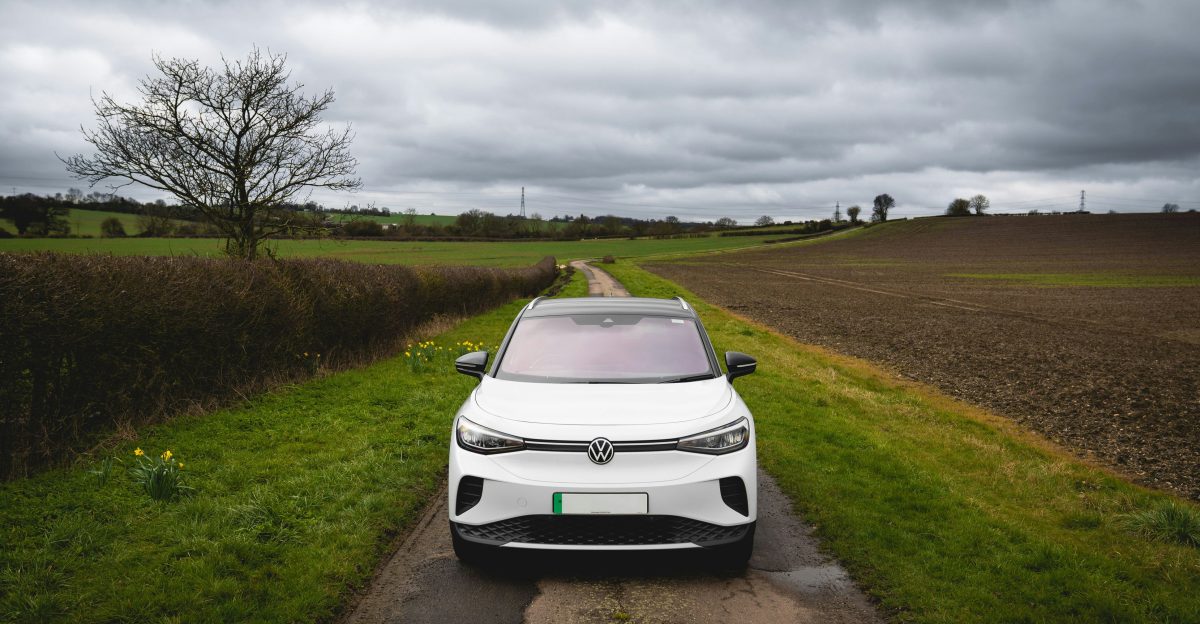
Volkswagen sold these cars on precision. German engineering. The future of mobility. Buyers believed that spending $40,000 to $60,000 on a newer EV meant safety was baked in. It wasn’t. SK Battery America, a Georgia-based subsidiary of South Korea’s SK On, manufactured the defective high-voltage modules. A micron-scale electrode misalignment escaped every quality gate across two years and 94,000 vehicles. The root cause wasn’t identified until a September 2025 supplier teardown, 20 months after the first fire.
Park Outside and Pray
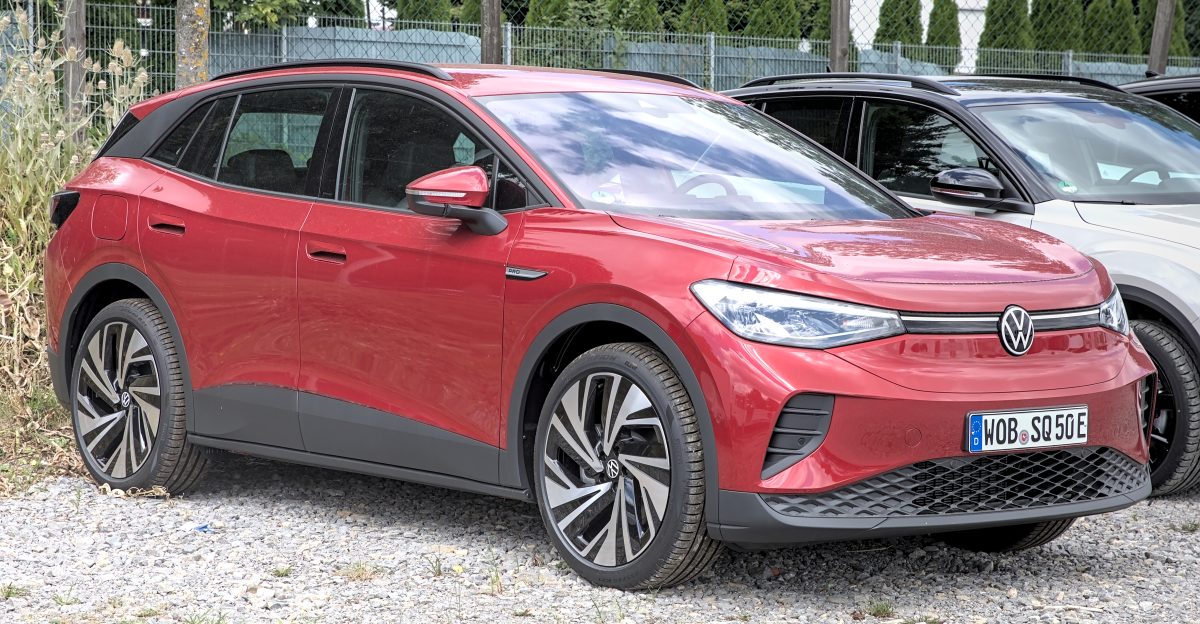
Here is what VW told owners to do until repairs arrive: park outside immediately after charging and limit the battery to 80%. That guidance is unprecedented for a mainstream EV. It means the company lost confidence in its own product’s ability to sit safely in a garage. NHTSA confirmed thermal events can occur while vehicles are parked and not charging. Not driving. Not plugged in. Just sitting there. The 1,299 highest-risk vehicles carry a 100% estimated defect rate.
The Hidden Machine Behind the Defect
VW’s MEB platform was designed for one thing: scalability. One architecture, five models, three continents. That modularity was the marketing pitch. It is also the reason a single electrode defect from one supplier cascaded to 94,031 vehicles globally. Think of it as one electrical panel wired to every room in a house. When that panel fails, the whole building goes dark. SK Battery America installed monitoring cameras in late January 2025 to catch stacking anomalies. That was a full year after the first fire.
The Numbers Behind the Recall
NHTSA filed two separate campaigns: 26V030 covering 43,881 ID.4s, and 26V028 covering 670 with confirmed misaligned electrodes. Roughly 1% of the larger population carries the defect. But in that smaller subset of 1,299 high-risk vehicles, the defect rate hits 100%. Germany alone accounts for 28,158 affected cars. The initial December 2025 filing covered 311 vehicles. By January 2026, the scope ballooned to 44,551 in the US alone. Scope creep like that suggests VW kept discovering failures it hadn’t anticipated.
The Supplier That Walked Away
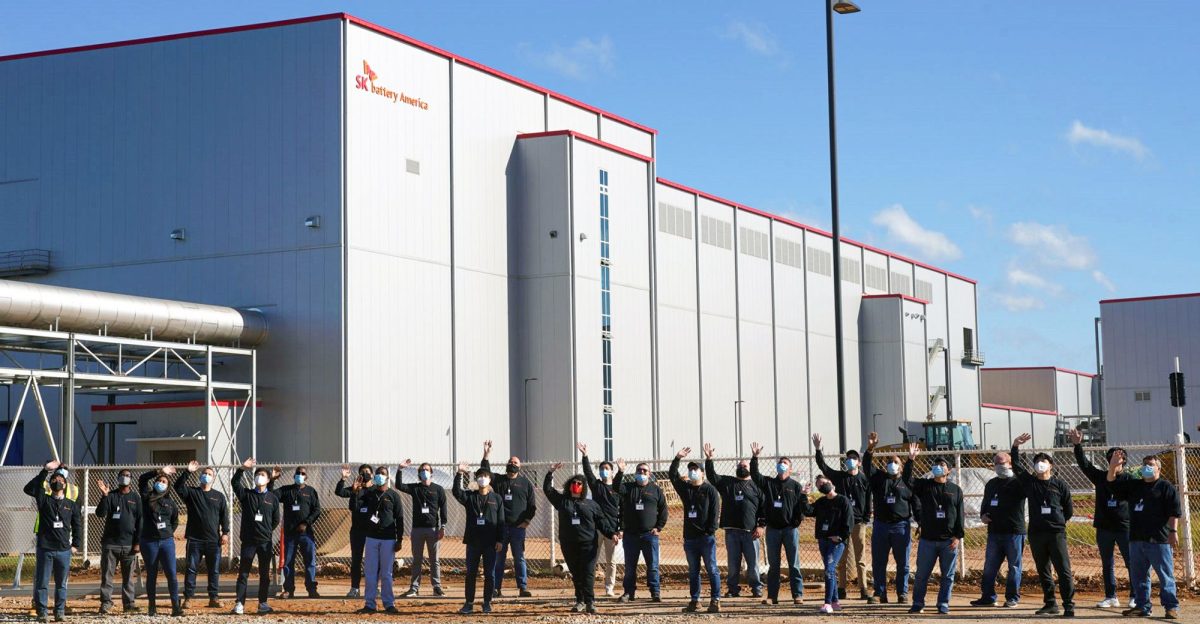
SK Battery America laid off 958 workers at its Commerce, Georgia facility on March 6, 2026, cutting its workforce from 2,566 to 1,600. That was 18 days before VW’s global recall went public. The company had already pivoted away from EV batteries toward stationary energy storage after its Ford joint venture collapsed in December 2025. Laying off nearly a thousand workers while your customer manages a fire-risk recall is like a surgeon dismissing operating-room staff mid-procedure. VW bears the public cost. SK Battery quietly exits.
The New Rule Nobody Wanted
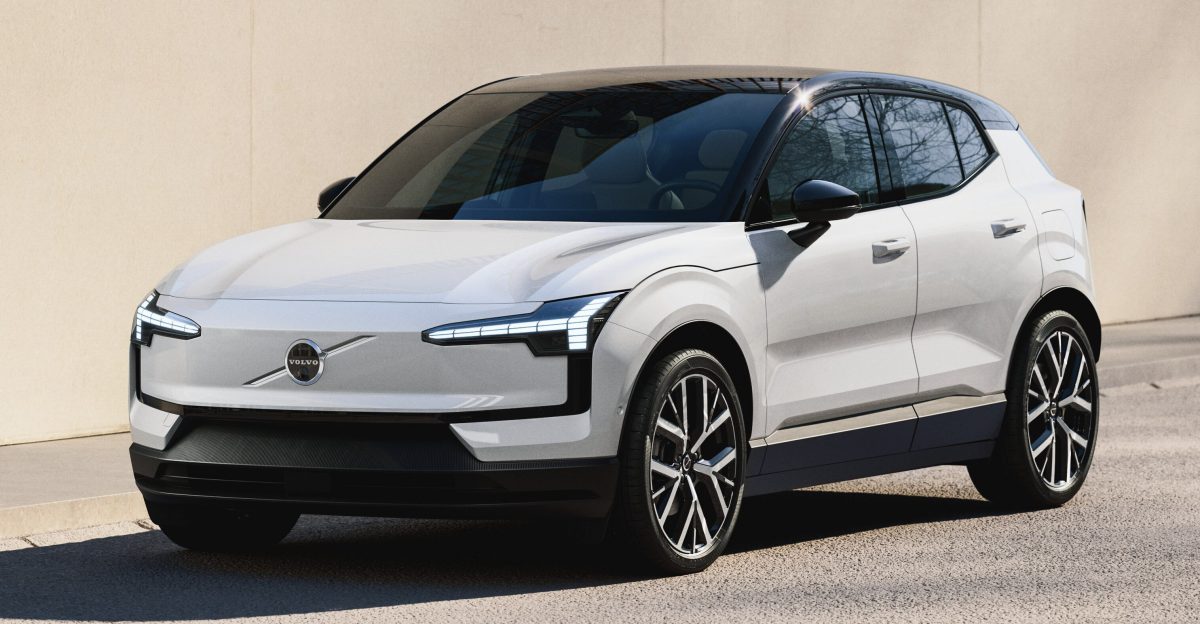
This recall landed alongside Volvo’s 40,323-unit EX30 recall and Ford’s 24,690-unit action. Combined: 117,000 electrified vehicles recalled for battery defects in early 2026. Battery supplier failures are now systemic: Samsung, SK Battery, Geely-Sunwoda, LG Chem. The pattern is clear. Real-world fires have become the final quality gate for EV batteries. Not factory testing. Not CT scans. Actual thermal events in actual garages. VW’s public admission that parked vehicles can catch fire establishes a disclosure precedent every future EV recall will reference.
What Comes Next for Owners
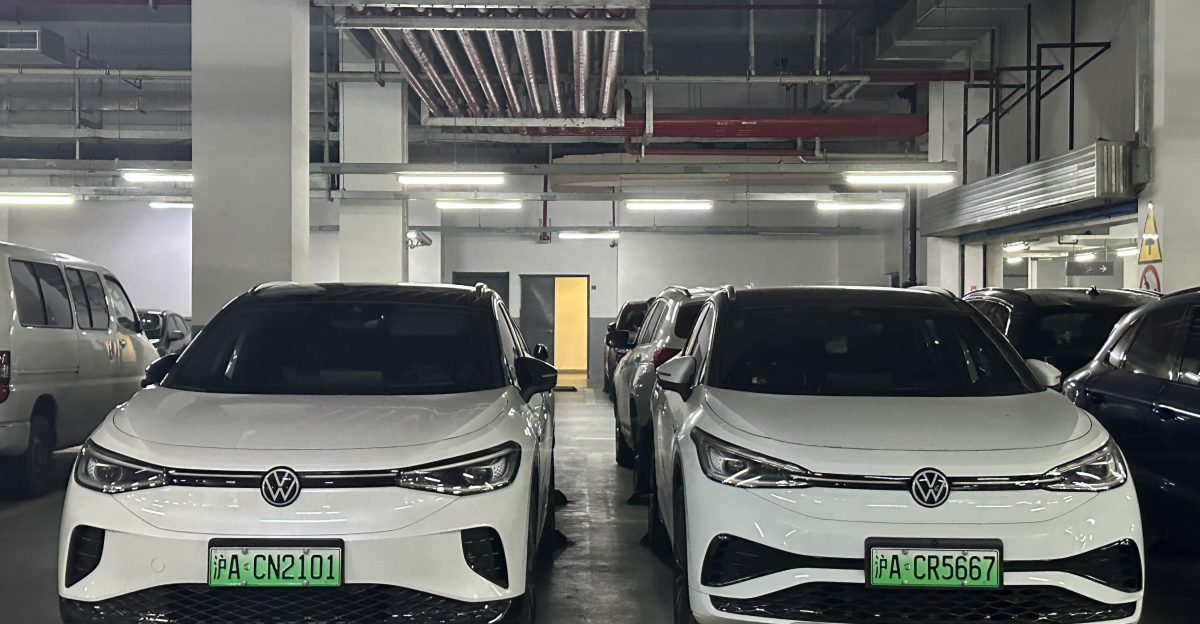
If repair slots fill faster than parts arrive, owners face months of restricted use on vehicles they’re still making payments on. Lemon-law claims will spike. EV insurance premiums will tighten as underwriters recalculate total-loss risk on recall-affected models. Resale values erode the moment a recall appears on a vehicle history report. VW will likely offer loaner vehicles and accelerated service to manage the fallout, but the nearly two-year gap between first fire and first filing has already drawn regulatory attention that could invite subpoenas.
The Framework Most People Miss
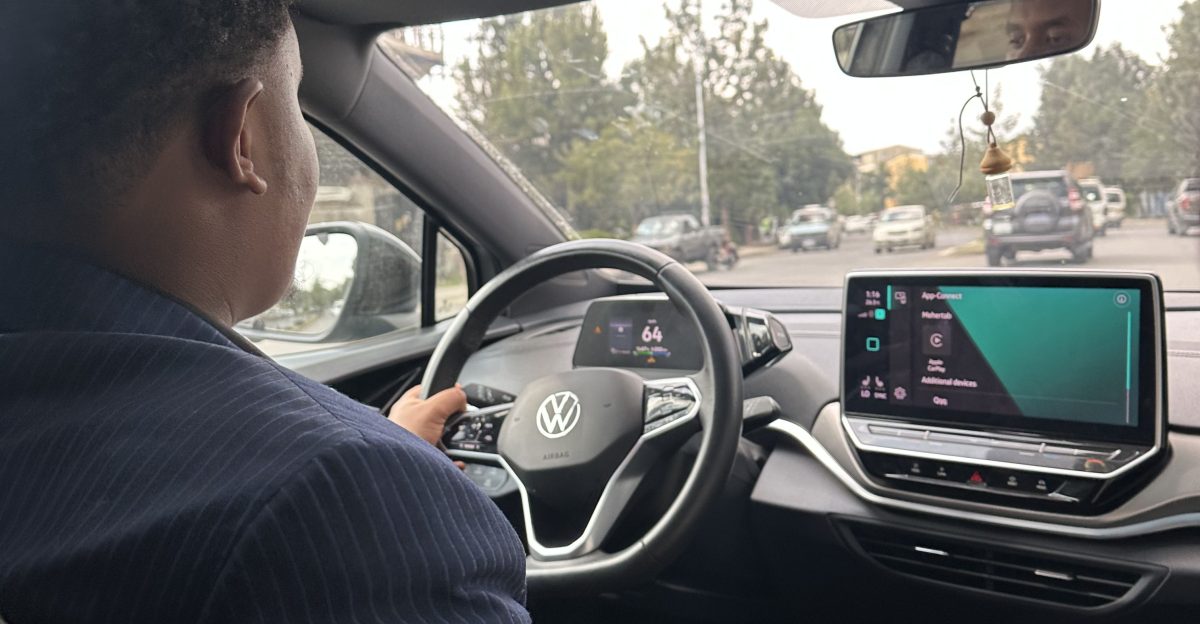
Every EV maker sells modularity as efficiency. Fewer parts, lower costs, faster production. Nobody mentions the other side: one defect at one supplier infects every model on the platform simultaneously. VW’s entire ID family shares the same battery architecture from the same supplier. That architecture turned a microscopic manufacturing flaw into a 94,031-vehicle global recall spanning five model lines and three continents. No injuries reported yet. But the next buyer walking into a VW dealership now knows something most people still don’t: the platform is the product, and the platform is the risk.
Sources:
“VW Recalls Nearly 100,000 EVs Over Battery Fire Risk.” Autoblog, 24 Mar 2026.
“Part 573 Safety Recall Report 26V030 (Volkswagen ID.4 High-Voltage Battery).” National Highway Traffic Safety Administration, 21 Jan 2026.
“Volkswagen Recalls More Than 44,000 ID.4 EVs for Battery Fire Risk Defects Linked to SK Battery America.” WardsAuto, 5 Feb 2026.
“SK Battery Lays Off Nearly 1,000 Employees at North Georgia Plant.” The Atlanta Journal-Constitution, 6 Mar 2026.