VW Recalls 94,000 EVs and Warns Owners to Avoid DC Fast Charging Until Fire Risk Fixed
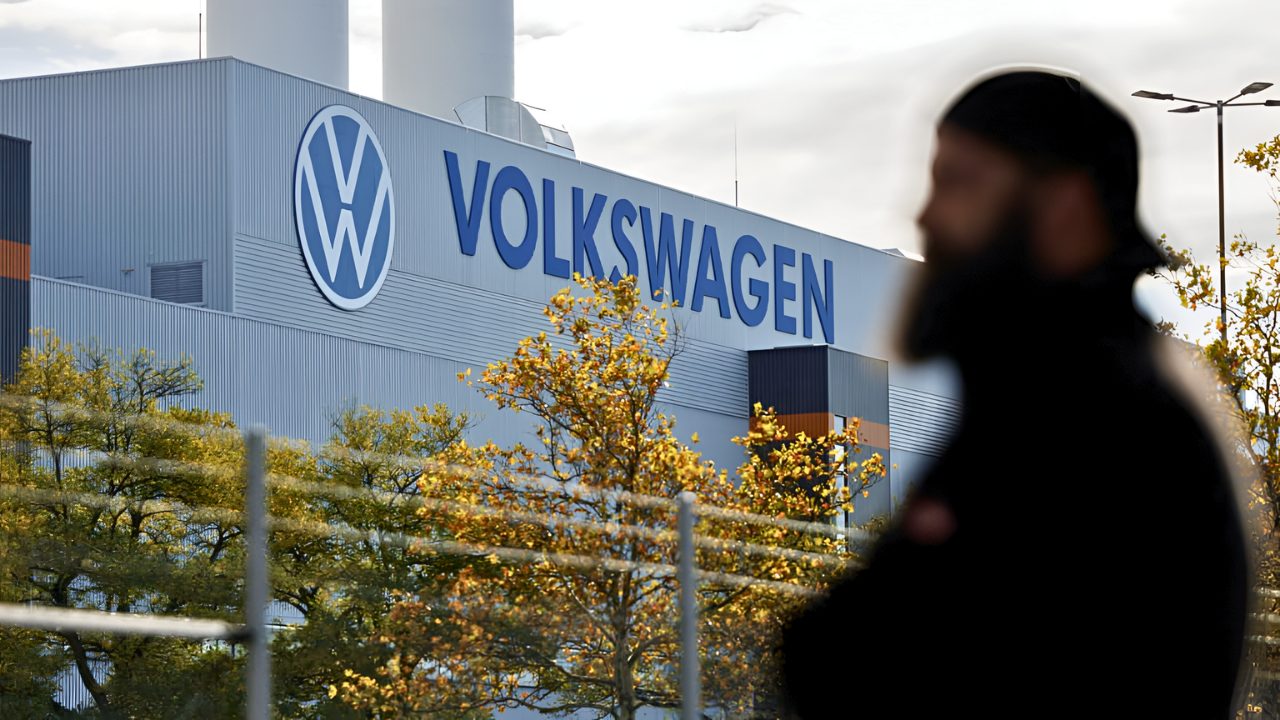
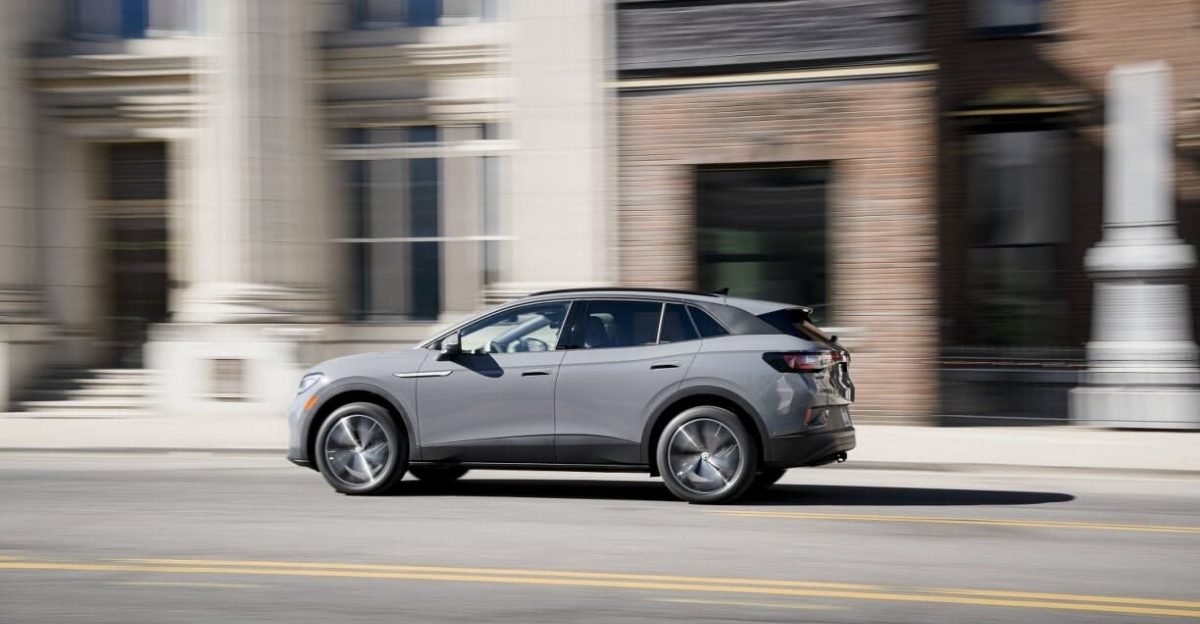
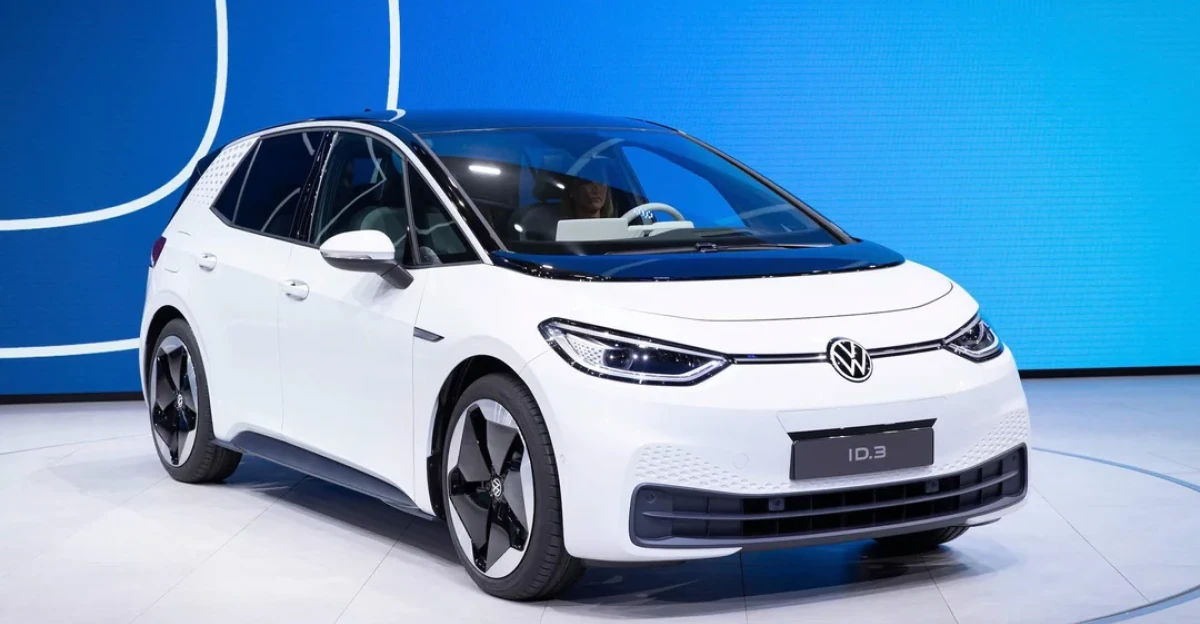
Volkswagen just pulled 94,031 electric vehicles off the road in Europe, with more than 52,000 additional ID.4s recalled separately in the United States and Canada. The ID.3, ID.4, ID.5, ID.Buzz, and Cupra Born are all affected in Europe, built between February 2022 and August 2024. Five battery fires across four U.S. states triggered a 26-month investigation that traced the problem to a single defect: misaligned electrodes inside the battery cells. NHTSA confirmed the batteries “may overheat and catch fire—even while the vehicle is parked or charging.” That last part changes everything. The parking garage where your EV charges overnight just became part of this story.
One Factory in Georgia
In the U.S., the defective cells trace back to one supplier: SK Battery America’s plant in Commerce, Georgia. In Europe, battery modules come from multiple suppliers. During the cell-stacking process, electrodes shifted out of alignment. Invisible to standard inspection. CT imaging in June 2025 was unable to identify a root cause. A physical teardown in late September 2025 confirmed the shifted electrode condition. That gap matters. SK Battery America didn’t install monitoring cameras at the Georgia facility until January 2025, a full year after the first fire in Illinois. One factory. One process failure. And more than 140,000 vehicles scattered across the globe carrying the result.
Your Garage, Their Problem
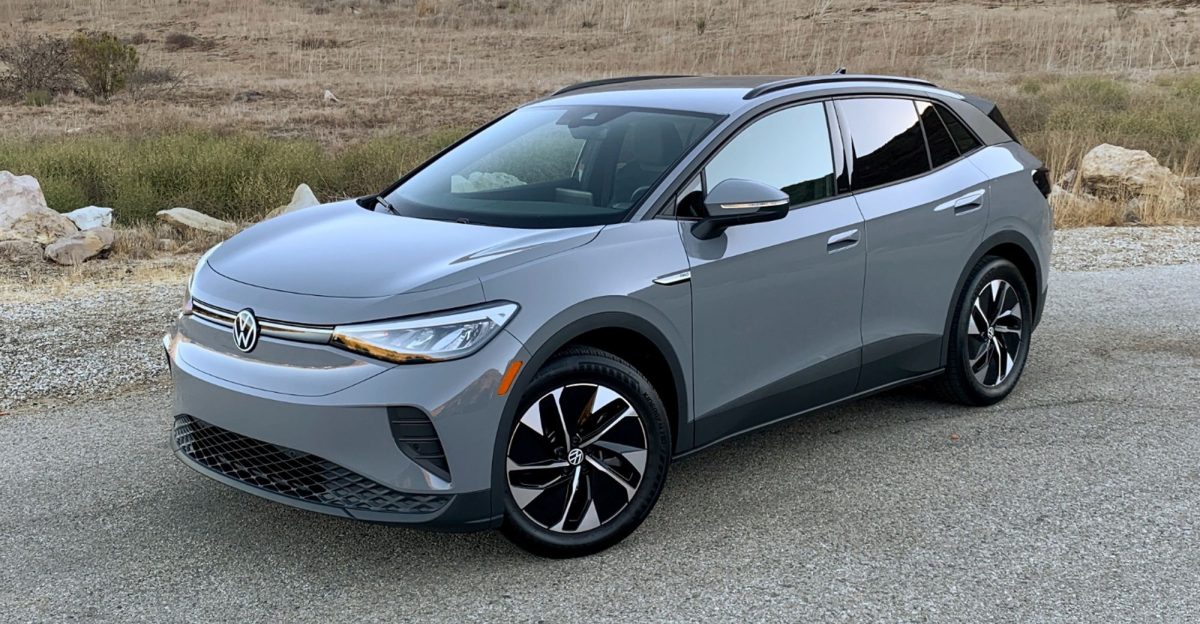
Owners received blunt instructions: limit charging to 80% and avoid Level 3 DC fast chargers. Owners of roughly 1,300 vehicles with the highest defect concentration were also told to park outside immediately after charging. That last directive strips the core convenience promise of EV ownership. Charge overnight in your garage while you sleep? Not for those owners. Lithium-ion fires reach flashover in residential settings within 30 seconds and burn 6 to 7 feet above the battery pack. They produce their own oxygen. Standard fire extinguishers and water are useless. The business response from dealers tells you how bad it really is.
Dealers Drowning in Demand
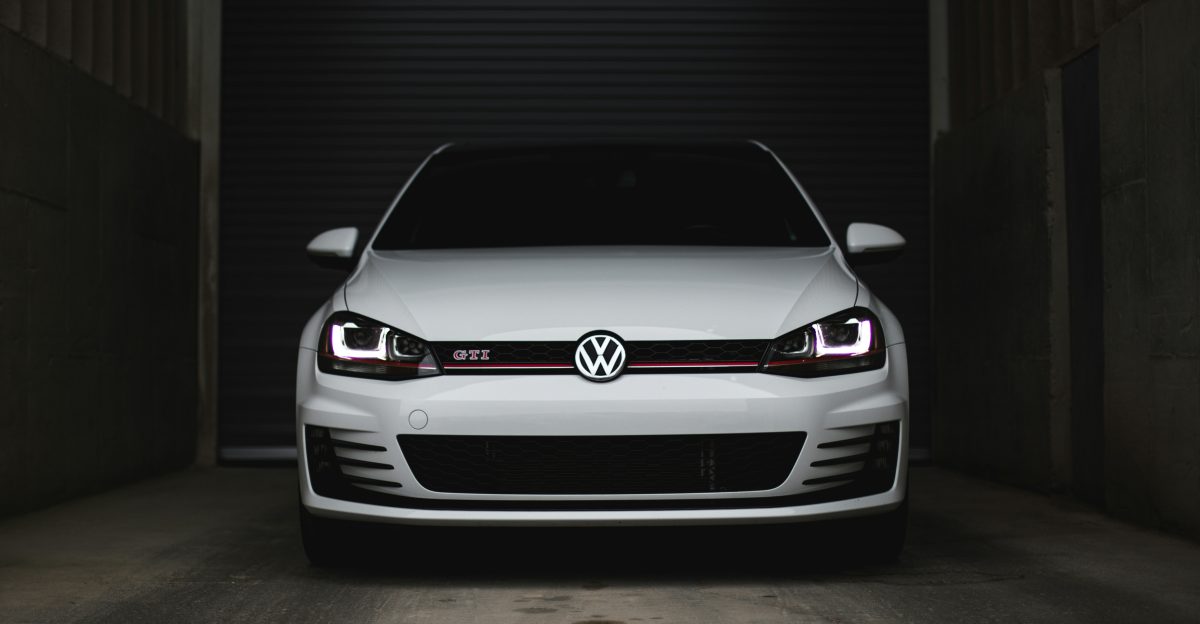
Volkswagen’s dealer network now faces more than 140,000 vehicles needing battery inspection and potential module replacement across both recalls. The remedy involves installing self-discharge detection software and swapping defective modules at no cost to owners. But SK Battery America’s Georgia facility, the same plant that produced the defective cells, must retool production to supply replacement parts. That bottleneck could stretch repair timelines for months. Estimated remediation costs could land between $500 million and $800 million based on industry precedent, potentially pressuring already-thin EV profit margins. And Volkswagen’s problem just became several other automakers’ nightmare.
Ford, Hyundai, and Kia Are Watching
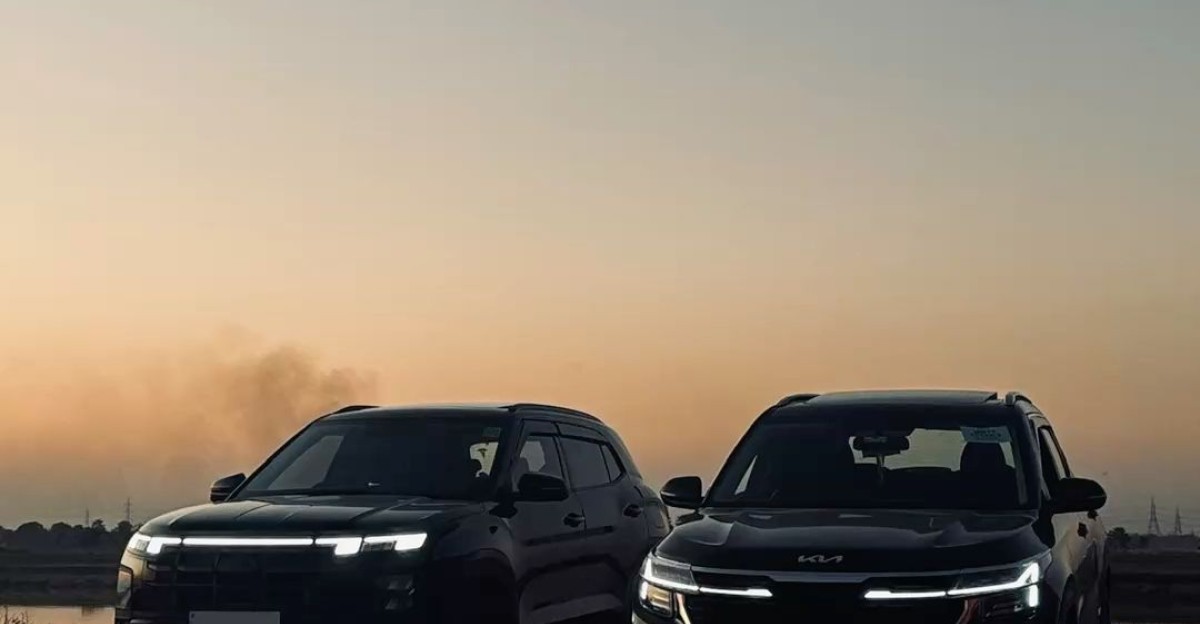
SK On doesn’t just supply Volkswagen. The parent company of SK Battery America also feeds battery cells into platforms for Hyundai and Kia from the same Georgia facility, while supplying Ford through separate plants in Kentucky and Tennessee. The Ioniq 5. The EV6. If the misaligned electrode defect extends beyond VW’s production window, secondary recalls could ripple across the industry. Nobody has confirmed that yet. But nobody has ruled it out either. One supplier. Multiple automakers. The semiconductor shortage taught this industry what single-point-of-failure supply chains can do. The battery version of that lesson just arrived.
The Outsourcing Trap
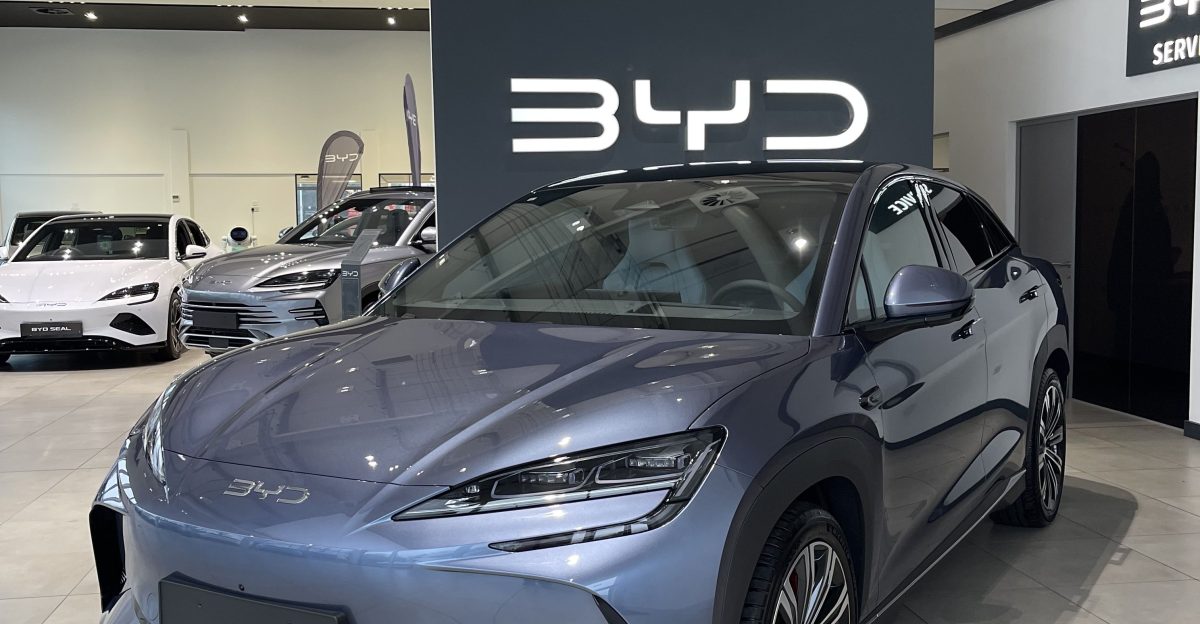
Here is the thread connecting every ripple. Western automakers outsourced their most critical EV component to a handful of battery suppliers. SK On captured approximately 4% of the global battery market in 2025 but feeds multiple major platforms simultaneously. Tesla builds its own cells alongside external suppliers. BYD controls its entire supply chain. Chinese manufacturers held approximately 69% of global EV battery installations through October 2025, rising to over 70% for the full year. Volkswagen, Ford, Hyundai, and Kia handed that control to third parties. One misaligned electrode at one Georgia plant. More than 140,000 vehicles. The structural vulnerability was always there. Now everyone can see it.
A Fire That Can’t Be Fought
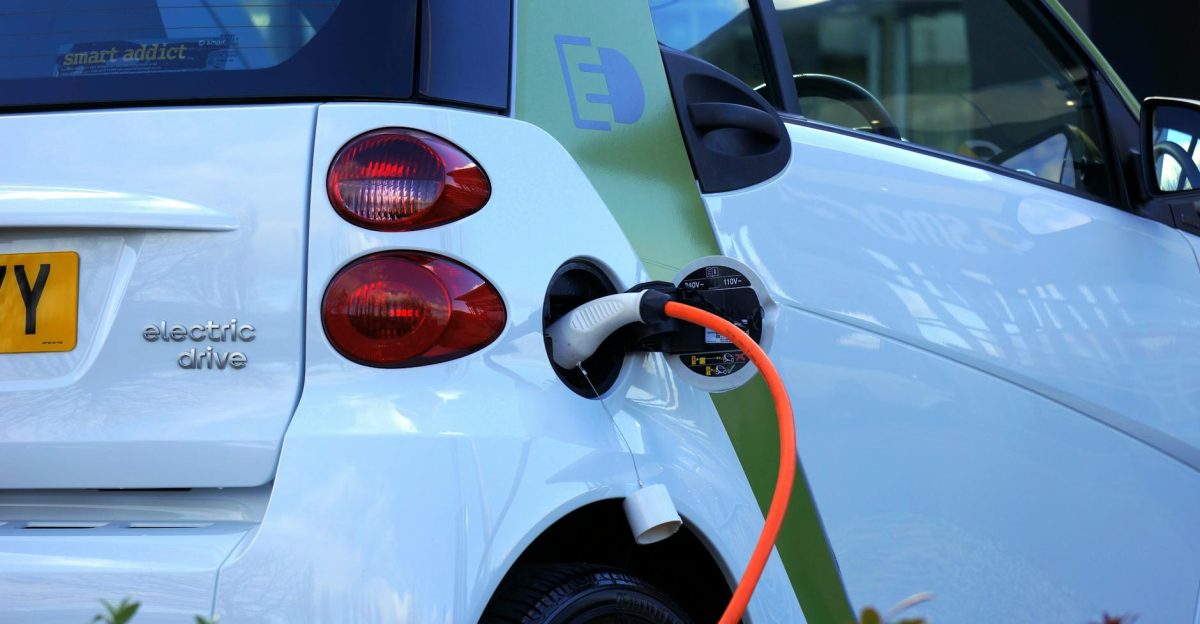
“These fires, they burn really, really hot, really, really fast. And they produce their own oxygen. So, there’s really no way to put a battery out that’s in thermal runaway.” That’s a fire safety official describing what happens when one misaligned cell fails. Heat spreads to adjacent cells. Chain reaction. Unstoppable. Thirty seconds to flashover. The recall isn’t precautionary. The physics are already proven.
Two Continents, Two Rulebooks
This recall marked the first trans-Atlantic battery fire action, with America’s NHTSA filing in December 2025 and Germany’s KBA following in March 2026. But the two actions diverged on details. The Audi Q4 e-tron, built on the same assembly line at Zwickau using the same MEB platform, was excluded from the KBA’s recall. No explanation given. That inconsistency sets a troubling precedent. If regulators can exclude vehicles from the same factory without explanation, the framework for EV battery oversight has a hole in it. And the people who profit from that gap aren’t the owners.
Winners, Losers, and the Dieselgate Echo
Volkswagen built its entire EV strategy as a redemption arc after Dieselgate. Clean. Electric. Trustworthy. This is the company’s third major recall in 12 months. The irony writes itself. Tesla and Chinese competitors like BYD and CATL now market their vertical battery control as a direct advantage. Residual values on 2023-2024 ID.4s face downward pressure as recall concerns spread. EV insurance premiums could rise as thermal fire risk enters actuarial models. The losers are owners who bought the promise. The winners built their own batteries.
The Cascade Isn’t Over
If a single thermal event occurs before repairs finish, NHTSA could escalate to a Do-Not-Drive order. Class action litigation could form, with California lemon law providing a potential avenue for affected owners. Volkswagen is accelerating its in-house PowerCo battery program, but that capacity won’t arrive for years. SK Battery America revised its manufacturing protocols. Whether those revisions prevent the next defect is an open question. The recalls cover more than 140,000 vehicles. By some estimates, roughly 2.3 million MEB platform cars share similar battery architecture globally. The stone hit the water in January 2024. The ripples haven’t stopped spreading.
Sources:
“Part 573 Safety Recall Report 26V028.” National Highway Traffic Safety Administration (NHTSA), 22 Jan 2026.
“Volkswagen recalls more than 44,000 EVs for battery fire risk.” Wards Auto, 5 Feb 2026.
“Volkswagen is recalling 100,000 EVs over potential battery issues.” Electrek, 24 Mar 2026.
“VW Issues Recall for 100,000 Electric Vehicles.” Autoweek, 23 Mar 2026.