VW Recalls 48,165 Jettas After Loose Ground Wire Sparks 3 Confirmed Engine Bay Fires
Nearly 50,000 Volkswagen owners recently received a notice that no one ever hopes to find in their mailbox. Picture this: somewhere under the hood, a wiring fault sits, like a worn-out phone charger next to a gas can. Most days, everything runs as it should. When it fails, the situation can escalate quickly.
The recall appeared in the NHTSA’s federal database, which signals that officials consider the risk serious enough to track. For those still commuting in these cars, driving to work, dropping kids at school, or making grocery runs, the countdown started before the letter even landed at their door.
A Small Mistake, Major Risk
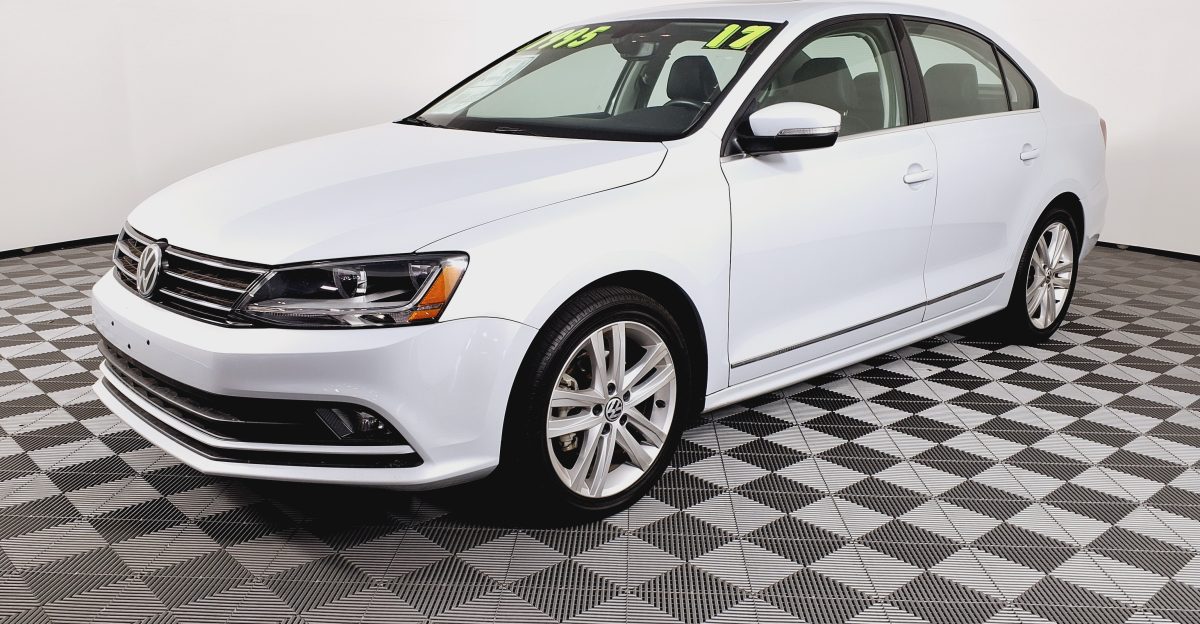
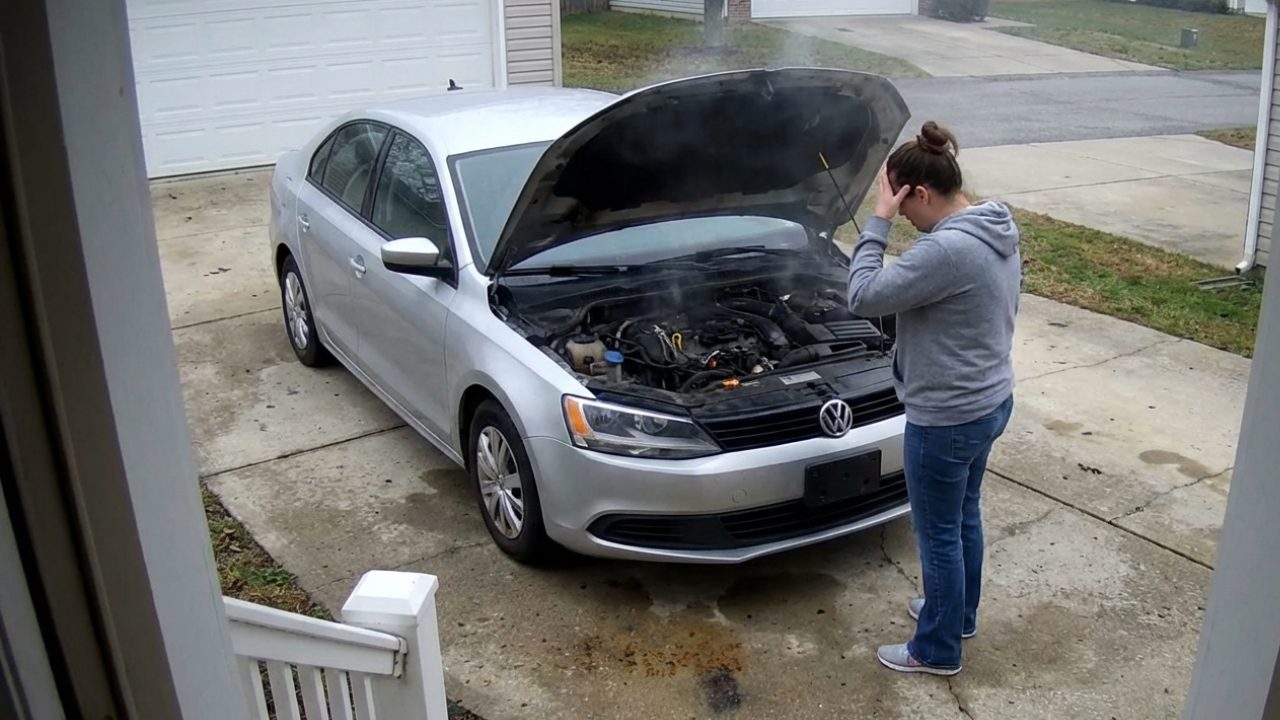
The mechanics of the defect resemble a technician’s worst-case scenario. A single faulty wire under the hood can overheat, short out, and set off a chain reaction that leads to a fire. A “wiring issue” can mean an extra trip to the shop.
A vehicle fire means pulling your family off the side of a busy highway. NHTSA classifies this as an engine-compartment fire risk, a type tracked in national fire statistics by the NFPA. The specific culprit is a ground wire for the transmission’s auxiliary hydraulic pump control module. If this wire is left unconnected during assembly, it may draw too much current at engine start, becoming dangerously hot and possibly igniting nearby materials.
The Recall Illusion
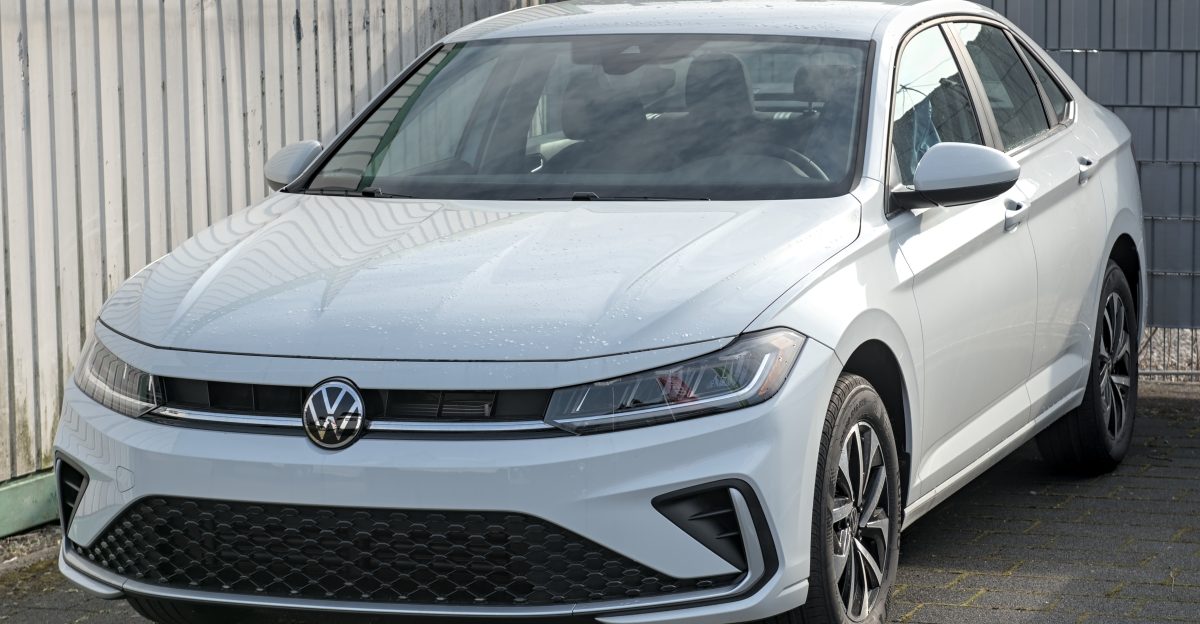
Most people see a recall notice and think the problem is solved. That belief can be dangerous. Volkswagen sent out the warnings. NHTSA posted the campaign online. But right now, those vehicles are still on the road, still carrying the same risk, still generating heat in the wrong places.
The announcement does not keep anyone safe. Only the actual repair addresses the risk. In the time between those steps, nearly 50,000 cars remain exposed to the hazard described in the recall.
What’s Actually at Stake
Volkswagen’s recall follows reports of a wiring issue that can overheat and start a fire under the hood. A simple electrical short can turn the engine bay into a fire hazard. This issue goes beyond keeping the car running. It affects property and people’s safety. Nearly 50,000 vehicles. One missed wire. Every one of them remains at risk until a technician fixes the wiring.
The cause is a single ground wire for the transmission’s auxiliary hydraulic pump control module, left unconnected during assembly in some Jettas. The repair is free. Waiting can come with a high cost.
How the Process Works
NHTSA posts the recall. Volkswagen organizes the repair process. Dealers handle the actual fix. Nothing happens until the owner takes the first step. Both NHTSA and Volkswagen offer online VIN lookup tools. Owners can check their car’s status immediately instead of waiting for a letter.
Official notifications are scheduled for early May, but VINs appeared in NHTSA’s database in mid-March. This gives proactive owners a head start on repairs. The fastest way from risk to safety is through a phone screen. The entire system moves only as quickly as the person behind the wheel.
Recall by the Numbers
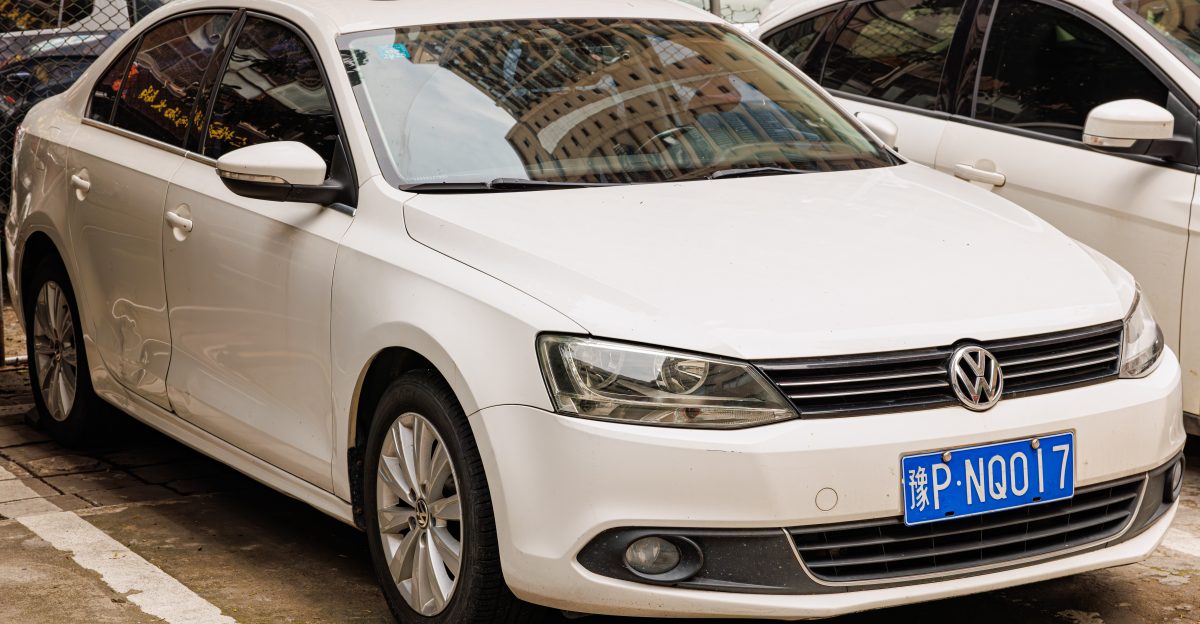
Nearly 50,000 vehicles is about as many cars as you’d find in a mid-sized American city. Behind every one of those VINs is a family: parking in a garage, waiting in a school pickup line, or sitting in summer traffic while the engine heats up next to a faulty wire. If one percent of owners experience the problem, nearly 500 cars are affected.
Volkswagen’s numbers estimate fewer than one percent, about 480 vehicles, are likely to have the defect. Every car needs an inspection to be sure. The repair is free. The time spent scheduling, waiting for parts, and making the trip to the dealer is a cost owners pay, even though they had nothing to do with the faulty wiring.
Ripple Effects of a Recall
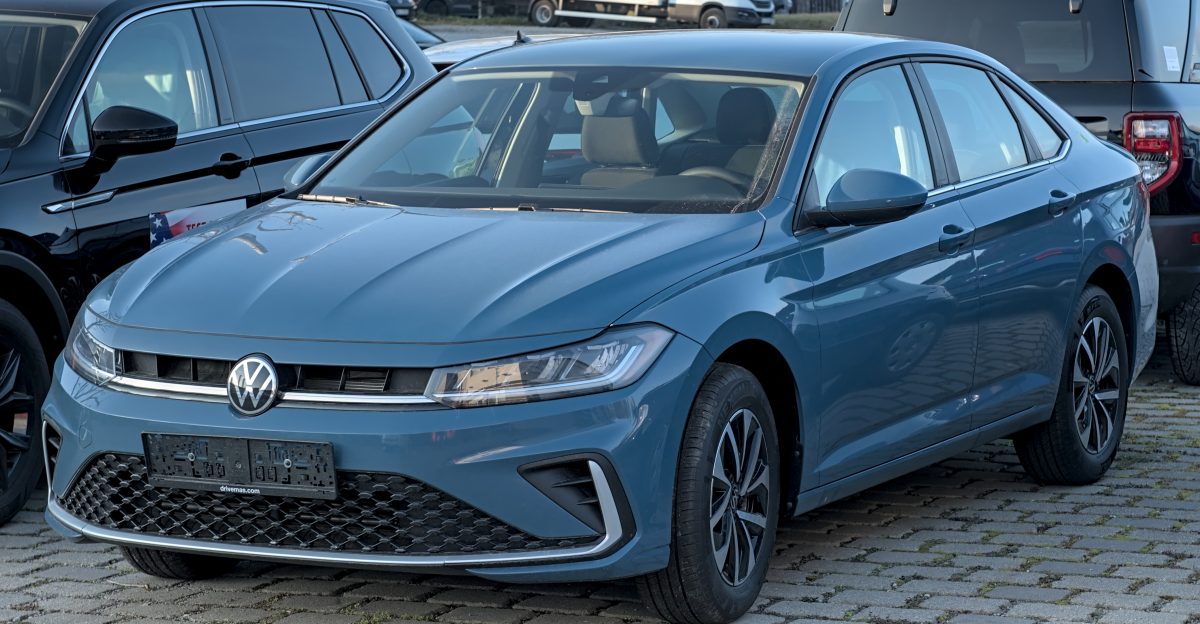
A recall continues to affect a vehicle after the service bay visit. Open recalls follow a car into trade-in quotes, used-car sales, and insurance paperwork. Buyers check recall status before signing. Dealers avoid cars with unresolved issues. A VIN with an open recall lowers value and complicates each transaction.
Behind the scenes, service centers manage increased appointments and manufacturers review wiring design and quality control. One simple defect causes ripple effects throughout the industry.
Patterns from the Past
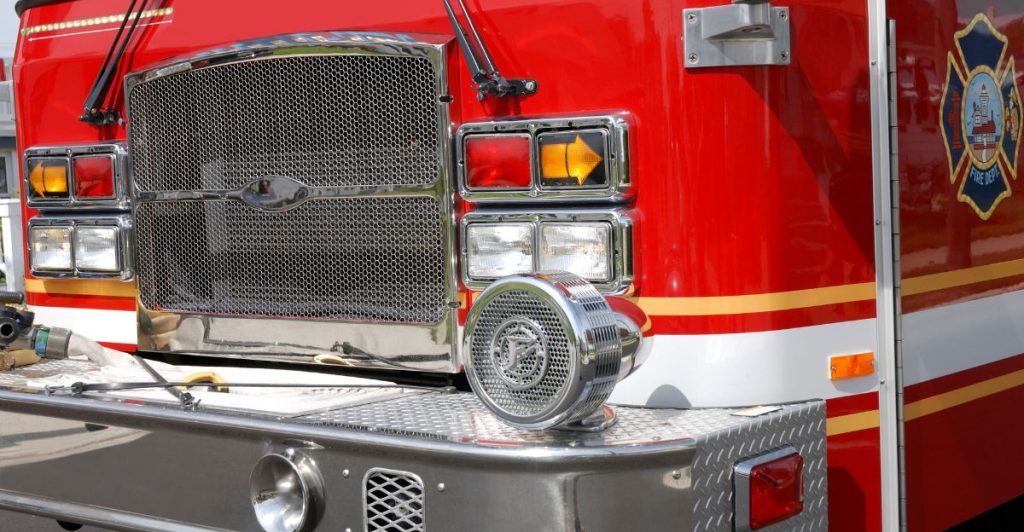
Car fires on American highways remain a persistent safety problem, appearing in national statistics every year. This recall shows NHTSA’s essential role. Every defect must lead to a real repair. Even modern, high-tech vehicles can be sidelined by a simple wiring mistake. A recall notice does not remove the danger. Only a completed repair does.
Every future recall notice carries a different meaning once that gap is clear. The announcement is the starting gun. The finish line is the completed fix.
What Happens Now
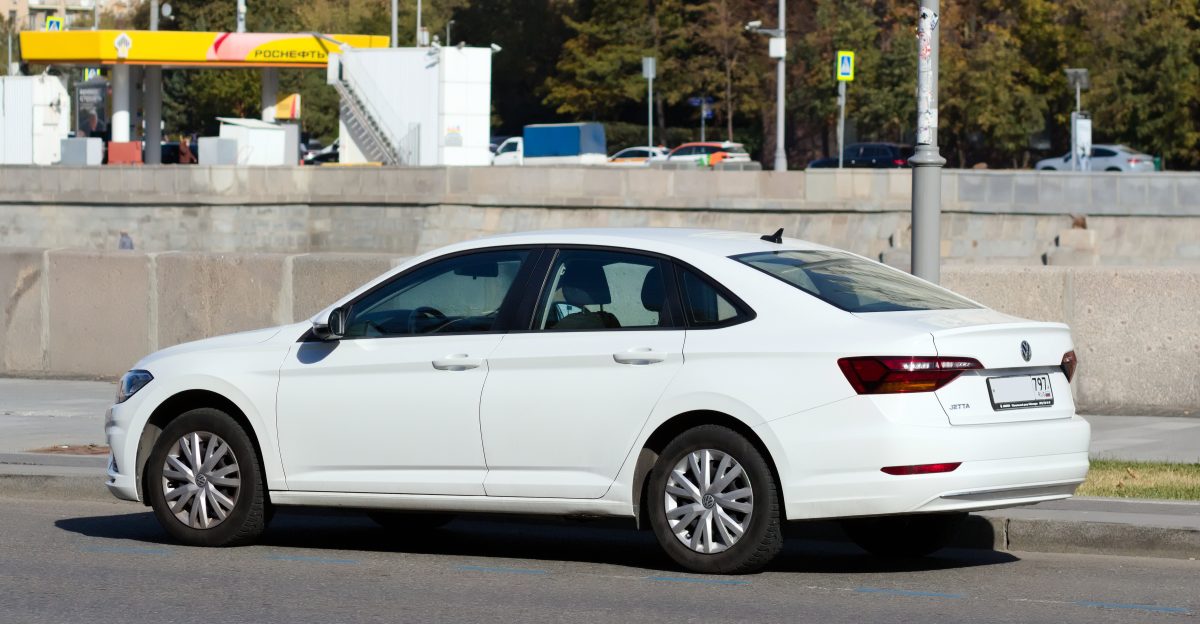
Ignoring the recall notice increases risk. If something happens before the fix, regulators can step in, tighten the rules, and expand the recall. The longer a car goes unrepaired, the higher the chance of the very outcome the recall is meant to prevent. For used-car sellers, an open recall is especially risky. A VIN with a fire-risk defect creates a growing legal headache with every mile.
The problem first appeared in late 2025, when early cases prompted inspections. By February 2026, Volkswagen had traced the issue and launched a full recall.
Actions for Owners
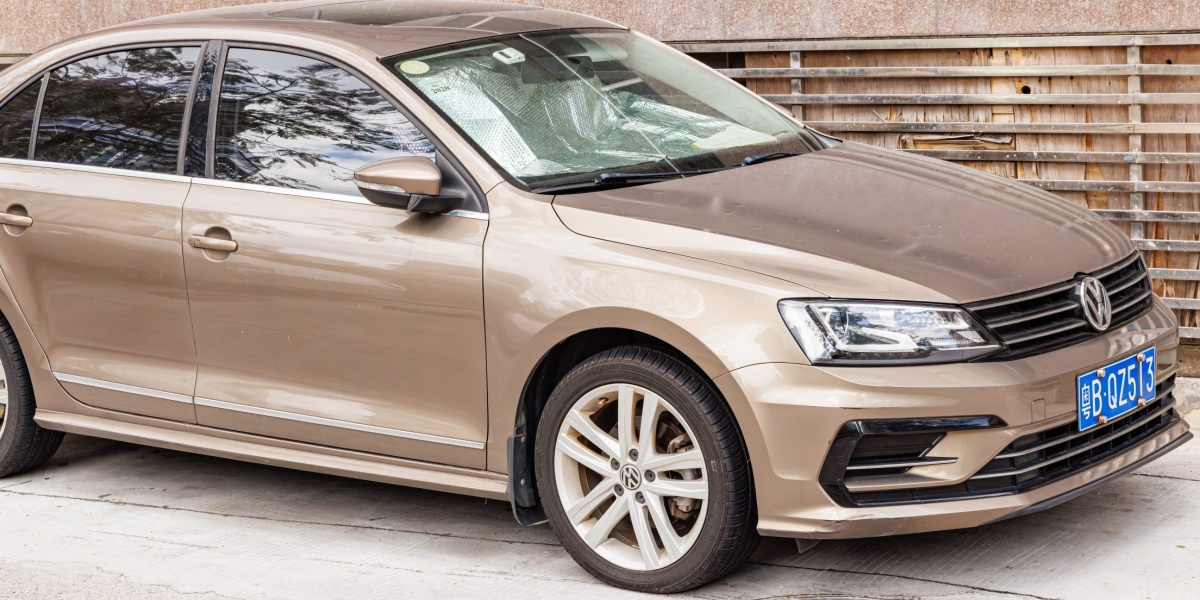
Volkswagen is increasing outreach through online VIN tools and streamlined dealer scheduling to help owners get repairs completed sooner. Ultimately, safety depends on the vehicle owner. Check your VIN on NHTSA’s website or Volkswagen’s recall page. Schedule a free repair.
For questions, call Volkswagen customer service at 1-800-893-5298 to confirm recall status and book an appointment. Do not wait for the letter. By the time it arrives, the clock has already started. The family that understands the difference between a recall and a repair drives away in a safer car.
Sources:
National Highway Traffic Safety Administration (NHTSA) – Part 573 Safety Recall Report 26V138 (Volkswagen Group of America, Inc. – Recall No. 97TC) – March 13, 2026
National Highway Traffic Safety Administration (NHTSA) – Recall Campaign 26V138: 2025–2026 Volkswagen Jetta – Owner Notification Schedule and Remedy Description – March 11–13, 2026
Fox Business – “Volkswagen recalls nearly 50,000 Jetta vehicles over engine fire risk from faulty wiring” – March 16, 2026
Boston 25 News / Cox Media – “48K Volkswagen Jettas recalled over issue in electrical system” – March 17, 2026
Yahoo Autos – “Recall Alert: 2025–2026 Volkswagen Jetta” – March 17, 2026
Yahoo Autos / Autoblog – “Volkswagen Jettas Are a Fire Risk Right Now – 6 Cases Confirmed” – March 18, 2026