VW Crushed By 96% Union Vote As 3,200 Workers End 40-Year Non-Union Streak
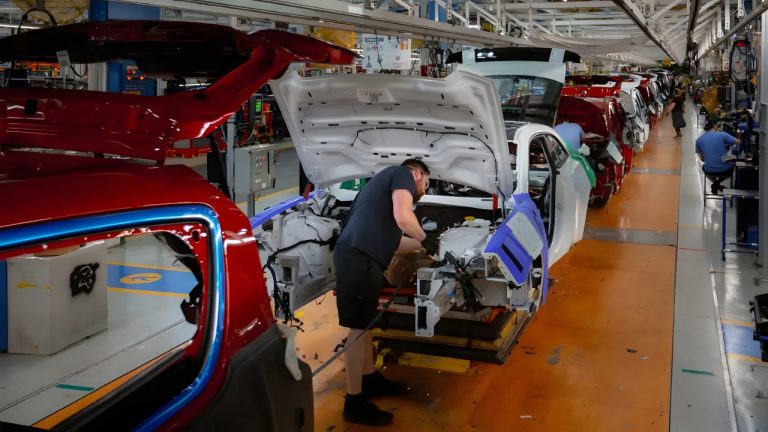
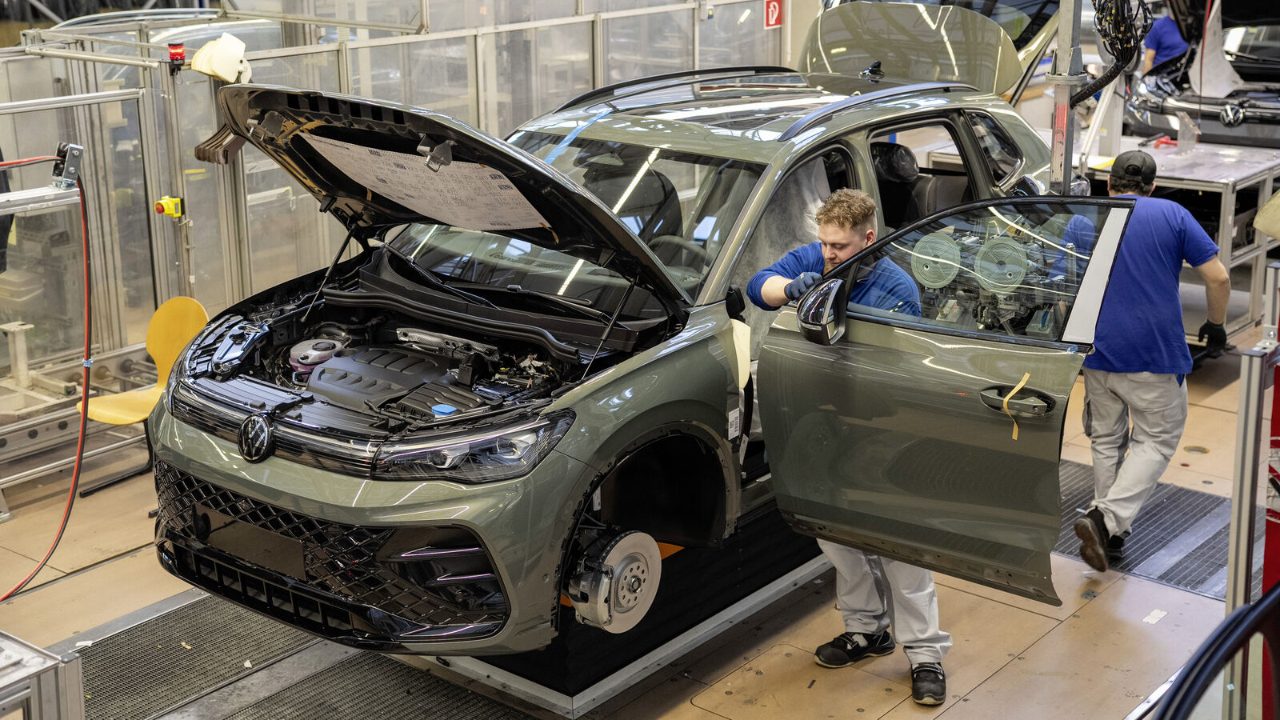
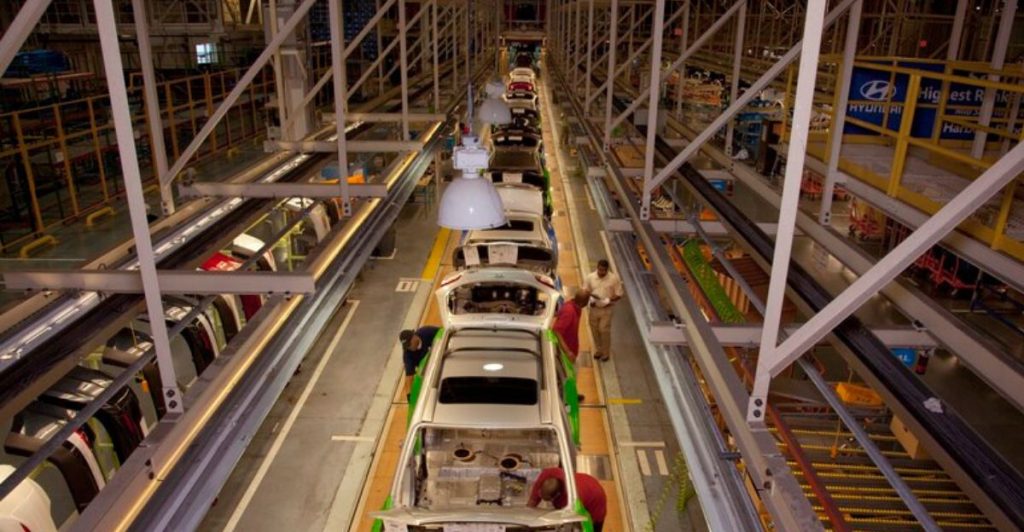
160 workers never arrived for their second shift at the Chattanooga assembly plant. They burned sick days and PTO. Management scrambled to fill the gaps, moving personnel between stations, trying to keep the ID.4 line moving.
Equipment operator Josh Epperson watched it happen: “They couldn’t run the lines. They limped along where they could. And ultimately they decided to cancel production.” One coordinated absence on one shift, and an $800 million factory went dark.
Broken Promises
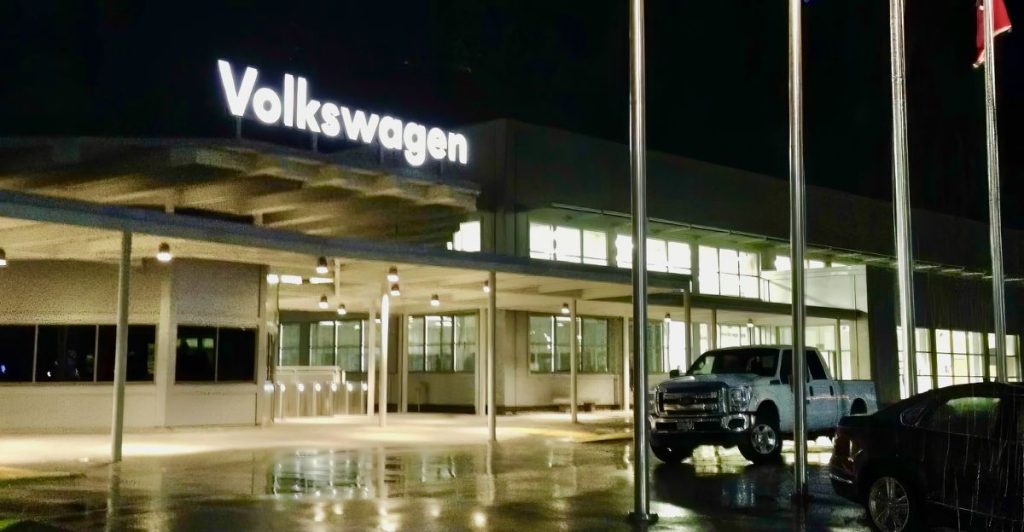
That mass call-out didn’t materialize from nowhere. Workers at this same Chattanooga plant had rejected unionization twice before, in 2014 and 2019, each time after the company signaled improvements were coming without a union.
The improvements never materialized, and instead, workers got $400-a-month healthcare premiums, $1,300 deductibles, and $6,400 out-of-pocket maximums on family plans. A decade of trusting management produced nothing but thinner paychecks and shorter breaks.
The Trap
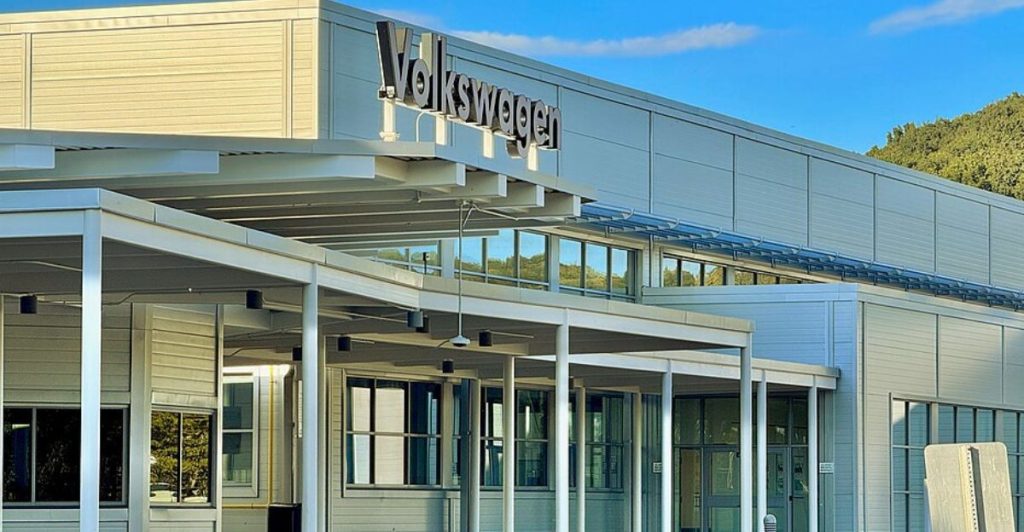
Conventional wisdom held that Southern workers simply didn’t want unions. This narrative kept organizing drives dead for 40 years across Tennessee, Alabama, and Georgia.
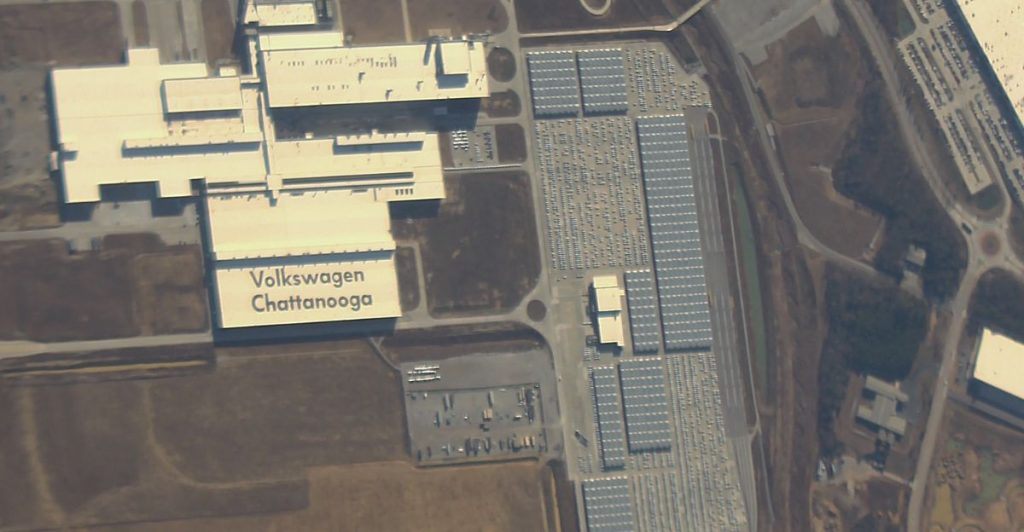
Foreign automakers built plants in right-to-work states specifically to avoid the UAW. The threat was always the same: organize, and the factory would leave. Volkswagen sank $800 million into Chattanooga in 2019 to build the electric ID.4 line. That money is poured into concrete, robotics, and tooling that cannot be loaded onto a truck.
The Rout
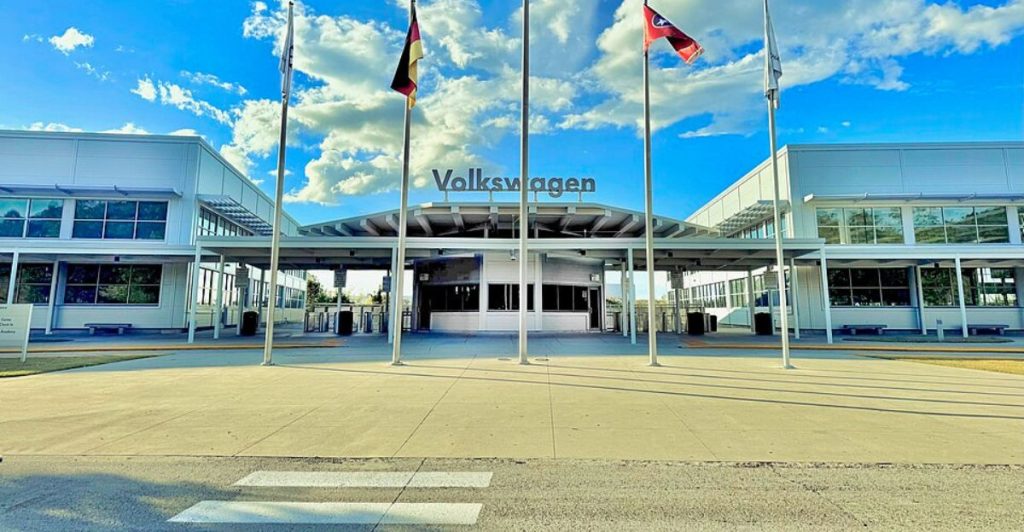
On February 19, 2026, after nearly two years of stalled negotiations and a late 2025 strike authorization, 3,200 Volkswagen workers ratified their first union contract. The margin: 96% yes. Typical union ratification votes pass at 60 to 75%.
This wasn’t a negotiation outcome. This was a company that fought unionization for a decade across two failed votes, then lost so completely that virtually no opposition remained. Management capitulated. Workers secured 20% wage increases over four years, topping out at $39.41 an hour by 2030.
Trapped Capital
VW’s own investment created the weapon that defeated VW. Eight hundred million dollars in fixed capital meant the company couldn’t credibly threaten relocation.
Tariffs and anti-EV policies both squeezed VW’s revenue, shrinking the financial cushion management needed to outlast a strike. Workers authorized the strike at the exact moment the company was weakest. Bargaining committee member Yolanda Peoples stated, “We forced respect onto the table and got it all in writing.”
The Paycheck
Healthcare premiums dropped from $400 a month to $80.82 for family coverage on premier plans. Deductibles fell from $1,300 to $900. Out-of-pocket maximums shrank from $6,400 to $4,800.
Each worker received a $6,550 ratification bonus immediately, totaling roughly $20.96 million across the workforce. Annual bonuses of $2,550 follow for the contract’s life. New hires start at $23.40 an hour with a 48-month path to the top rate. For families budgeting solely for healthcare costs, the savings reach an estimated $15,000 over 4 years.
The Ripple
Hyundai announced a 25% wage increase for production workers at its Alabama and Georgia plants in November 2023, set to phase in by 2028. By then, the two workforces will earn near parity, but by 2030, VW’s top rate of $39.41 will pull ahead — a gap worth roughly $7,000 a year at full-time hours.
That widening differential is a recruitment poster the UAW didn’t have to print. Meanwhile, 600 workers have reportedly departed the Mercedes-Benz Alabama plant since the UAW lost that election 56–44 in May 2024.
The New Rule
All foreign automakers in the south sit on billions in sunk capital. Hyundai’s Georgia investment alone runs into the billions. Mercedes has decades of experience in Alabama’s production infrastructure. Honda, Toyota, and Nissan, all anchored by facilities that cannot relocate without catastrophic loss.
For 40 years, the non-union South survived on one bluff: organize, and we leave. VW proved the bluff is hollow. UAW President Shawn Fain called it: “VW workers are leading the way for the entire labor movement and non-union autoworkers everywhere.”
The Counterpunch
Alabama’s political establishment closed ranks against the UAW at Mercedes with billboards, television ads, and press conferences from business and political elites.
The UAW filed unfair labor practice complaints at the Navistar plant in Huntsville, alleging that employers made coercive statements and engaged in intimidation. At BlueOval SK’s Kentucky battery plant, the union won by just 11 votes, and 41 ballots remain challenged. The Trump administration continues to reduce NLRB resources, slowing the progress of every pending case. Every delay favors employers.
The Real Score
Only 9.9% of American workers carried a union card in 2024. Auto sector density collapsed from 62% in the early 1980s to 16% today. Those numbers built a system where foreign manufacturers located in the South, states subsidized the plants with hundreds of millions in taxpayer money, and companies used the threat of leaving to suppress wages for four decades.
VW workers just proved the threat is dead once the capital is sunk. Every non-union auto plant in the South now sits on the same trapped capital.
Sources:
UAW — “Volkswagen Workers Make History, Ratify First Union Contract at Major Southern Auto Plant” — February 19, 2026
Labor Notes — “In Major Breakthrough, Volkswagen Auto Workers Reach Tentative Deal” — February 9, 2026
NPR — “In a historic vote, Tennessee Volkswagen workers get their first union contract” — February 19, 2026
Louisville Public Media — “BlueOval SK challenging the UAW’s 11-vote victory among workers at Kentucky EV battery plant” — August 27, 2025
Bureau of Labor Statistics — “Union Membership (Annual) News Release” — February 17, 2026