Volvo’s ‘Very Rare’ Fire Risk Forces Recall Of 40,000 EVs—Owners Can’t Fully Charge Until 2027
Volvo has spent over 60 years telling you one thing: your safety is our entire reason for existing. So what happens when the company synonymous with protection tells 40,323 of its own customers to park away from their homes, cap their charging, and wait—indefinitely—because the battery in their electric SUV might catch fire? That’s not a hypothetical.
On February 23, Volvo issued a global recall for the EX30, its best-selling electric model, after seven vehicles caught fire due to a battery defect nobody saw coming. The fix? It doesn’t exist yet. Owners were handed a set of restrictions instead—charge only to 70%, avoid enclosed parking, and sit tight. No repair date. No loaner program. No buyback offer.
A Joint Venture Volvo’s Parent Company Controls

The defective batteries came from Shandong Geely Sunwoda Power Battery Co., a joint venture originally controlled 70% by Geely, Volvo’s parent company, and 30% by Sunwoda. So Volvo is recalling cars with batteries supplied through its own corporate family. But it gets better: Geely’s battery unit Vremt filed a 2.31 billion yuan lawsuit (roughly $330 million) against a Sunwoda subsidiary in December over defective battery cells supplied between June 2021 and December 2023.
Both sides reached a cost-sharing settlement in February, but only after publicly fighting over who screwed up while 40,000 owners sat with fire warnings and capped charging. When your supplier network and parent company are this interconnected and still produce a catastrophic defect, it’s not a supply chain failure; it’s a total accountability vacuum.
Owners Rejected Volvo’s Compensation
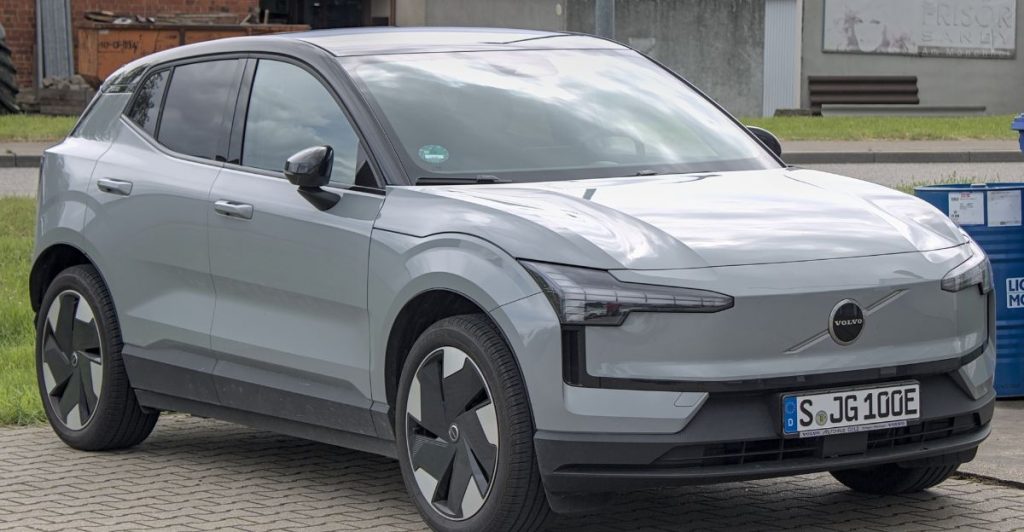
Volvo offered modest goodwill compensation in some markets for vehicles that lost roughly 30% of their usable range and became potential fire hazards. Multiple owners rejected the offers and demanded loaner cars instead. One owner reported that the charging cap reduced his real-world range to about 140 miles, forcing frequent public charging stops—the exact hassle the extended range was supposed to eliminate.
Matthew Owen, a British insurance agent, told Reuters he bought the EX30 for Volvo’s safety reputation and now wants accountability for a vehicle “that poses risks instead of preventing them”. Tony Lu in New Zealand said he’d be “thrilled” if Volvo just bought his car back. These aren’t trolls on Reddit—these are people who paid premium prices for Swedish safety engineering and ended up with a parking restriction instead.
Risk Identified Months Earlier
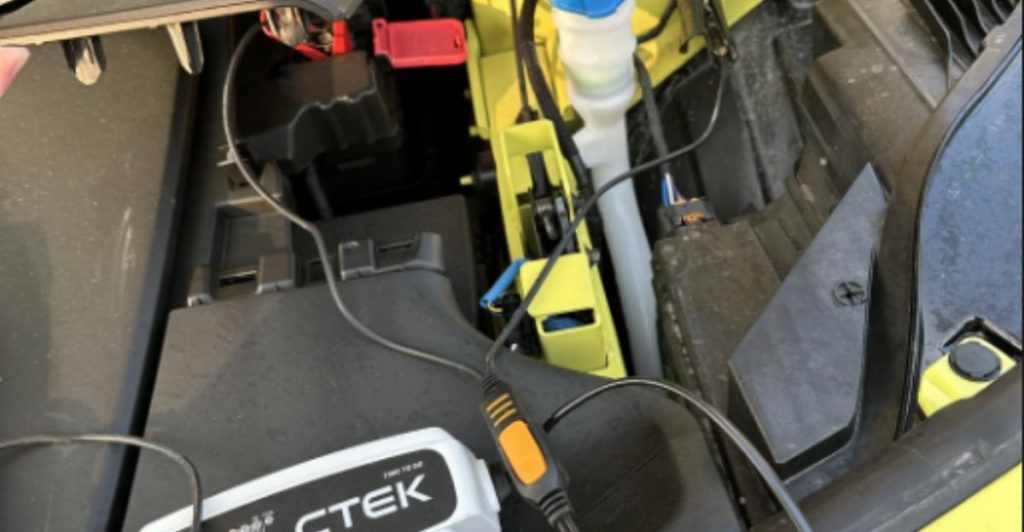
Owners started getting the warnings in December 2025 to charge only to 70%, park away from structures, and good luck. Volvo made the recall decision on December 26 and submitted it to NHTSA on January 2, 2026, but owner notification letters weren’t scheduled until February 23. That timeline means Volvo was processing the recall for weeks while tens of thousands of people drove around on interim safety instructions, wondering when the formal fix would come.
Some owners received recall letters for vehicles they hadn’t even picked up from the dealer yet. The technical problem? Internal short circuits in high-voltage battery cells causing thermal runaway—chemical reactions that generate uncontrollable heat and flames. And the repair? Still “under development”, which is corporate code for “we shipped 40,000 cars with a defect we don’t know how to fix yet.”
Volvo’s Weapon Against Chinese EVs
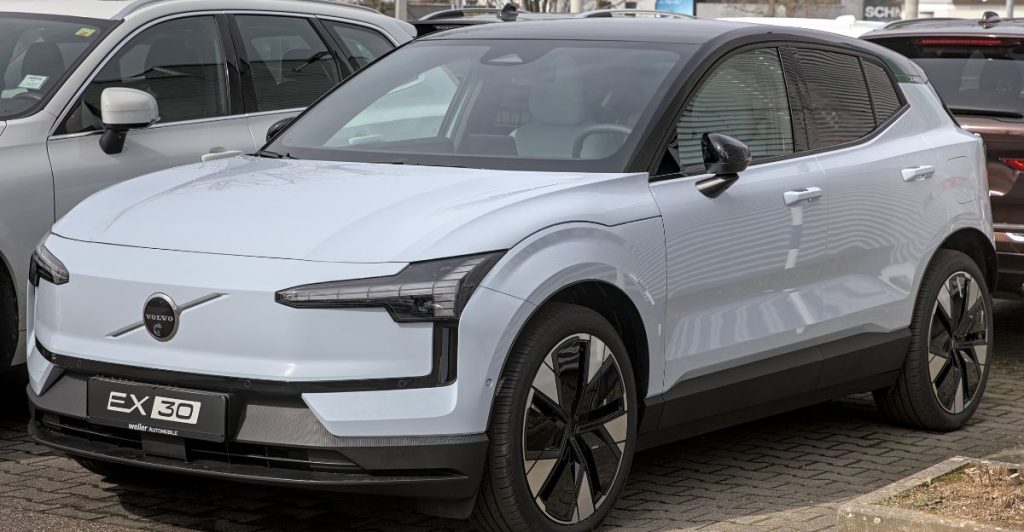
The EX30 launched in November 2023 as Volvo’s affordable counter-punch to BYD, Nio, and the flood of cheap Chinese EVs hitting Europe. The sales numbers backed it up—98,065 units in 2024, 75,169 in 2025. Strong momentum for a compact EV from a legacy brand. Now, 40,323 of those vehicles need battery replacements at the exact moment Volvo was scaling production to compete.
Chinese competitors will absolutely weaponize this in their marketing, subtly reminding buyers that Volvo’s “premium Swedish engineering” just got exposed using batteries from a joint venture involving its Chinese parent company. The irony is brutal: position yourself as the safer, better-built alternative to Chinese brands, then get undercut by batteries supplied through your Chinese owner’s partners.
About 40 US Vehicles Are Affected
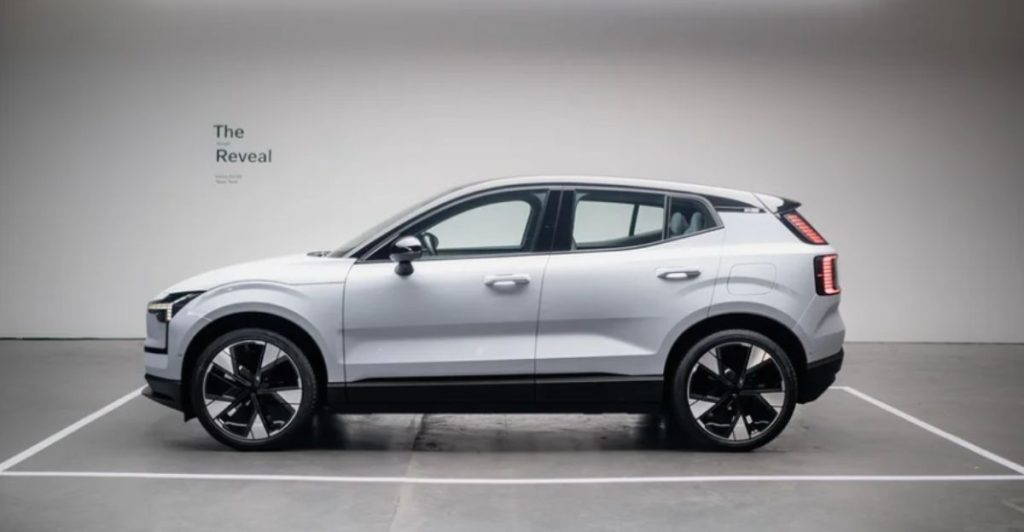
NHTSA documents show about 40 affected EX30s registered in the United States, though Volvo’s own inspection scope identified 189 US vehicles. Either way, the vast majority of the defective batteries are parked in Europe and other global markets. That geographic split complicates replacement logistics and reveals where Volvo concentrated EX30 sales. American buyers might think they dodged the issue—until they realize perception doesn’t care about borders.
If you’re shopping for an EX30 in California and see global headlines screaming “40,000 Volvo battery fire recall,” you’re not thinking “only 40 US cars affected.” You’re thinking, “Why would I risk being next?” For a global brand, reputation travels at internet speed. The recall becomes the story regardless of where the broken batteries physically sit.
Volvo Can’t Afford A Safety Issue

Palmer, the auto industry veteran who oversaw the launch of the Nissan Leaf, said it best in comments to Reuters. Volvo’s entire identity is safety—the company that invented the three-point seatbelt in 1959 and gave away the patent so everyone could save lives. Every premium price, every marketing campaign, every design choice is justified by that reputation. This recall destroys it in one NHTSA filing.
It says Volvo either didn’t test rigorously enough to catch a defect affecting roughly one in four units sold over two years, or knew about risks and shipped anyway, or can’t guarantee basic component quality anymore. None of those explanations rebuilds trust with buyers who paid extra specifically for Volvo’s safety engineering.
Laying Off 3,000 Workers

Volvo announced massive restructuring in April 2025, roughly $1.9 billion in cost cuts and 3,000 layoffs, to improve margins and stay competitive. Now it faces a recall bill Reuters estimates at $195 million just for battery hardware, with total costs potentially climbing toward $300 million to $400 million when you add logistics, dealer labor, and customer support. That’s 15% to 20% of the savings just squeezed out of the workforce, vaporized by a quality failure that should’ve been caught before launch.
The company posted record 2024 sales of 763,389 vehicles with strong profit, so it’s not going bankrupt. But the optics are catastrophic—fire thousands of workers to cut costs, then burn hundreds of millions fixing batteries while owners sit in limbo with capped charging and parking restrictions.
GM Spent $2 Billion Fixing Chevy Bolt Fires
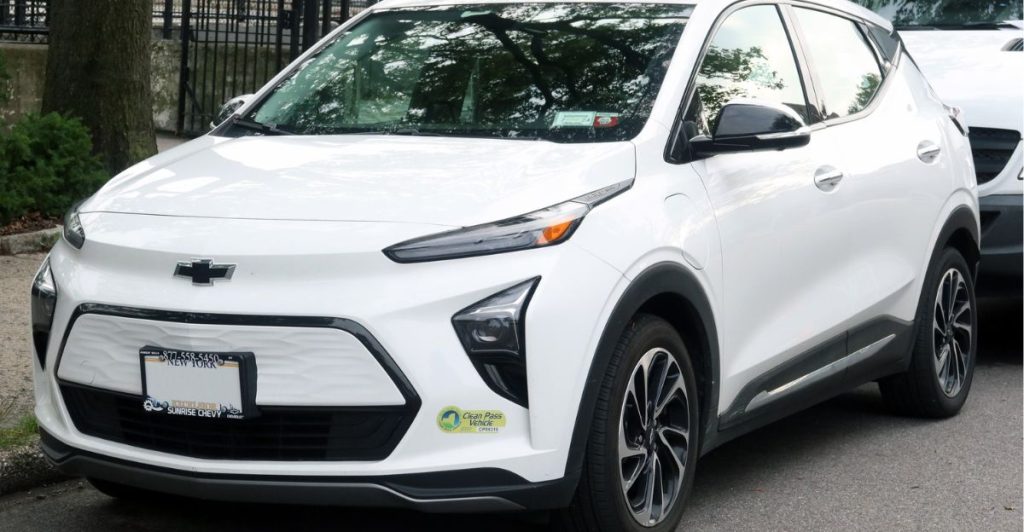
The Chevy Bolt battery recall from 2020-2021 began with a thermal runaway risk in LG-supplied batteries and ballooned to roughly 143,000 vehicles at an estimated total cost of $2 billion. GM eventually extracted reimbursement from LG, but only after public financial bloodletting and brand damage. Volvo’s 40,323-unit recall is smaller in terms of units, but the cost-per-vehicle math could track similarly, depending on labor complexity, logistics, and repair time.
Volvo called the $195 million estimate “speculative” and said cost-sharing talks with suppliers are ongoing—corporate language for “we’re fighting about who pays.” The settlement with Sunwoda helps, but history shows automakers always lowball early recall estimates.
Every Buyer Googling “Volvo EX30” Sees “Fire Risk” First
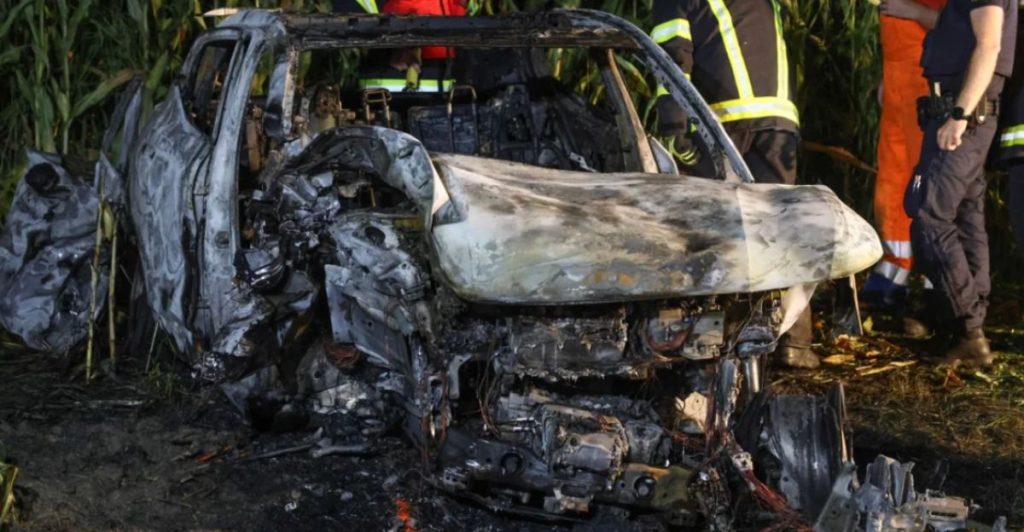
Volvo will eventually fix the batteries. Engineers will swap modules, dealers will process claims, and owners will get their cars back. But rebuilding a safety reputation that just imploded on the global stage takes a generation. Every potential EX30 buyer for the next five years will Google the model and see “battery fire,” “40,000 recall,” “park outside your house.” Every competitor will reference it. Every journalist will mention it.
The company that invented the modern seatbelt and spent over 60 years building trust as the safest choice just handed the automotive world a case study in how quickly a reputation can collapse when you ship tens of thousands of defective batteries and tell owners to wait for a fix that doesn’t exist yet. Owners stuck at a 70% charge have plenty of time to reconsider their brand loyalty. Competitors have even more time to position themselves as the safer choice.
Sources:
Volvo Cars to recall 40000 electric SUVs over battery fire risk | Reuters
NHTSA Part 573 Safety Recall Report 26V001
Sunwoda, Geely unit settle $330 million battery quality lawsuit | CNEVPost
Trump tariffs force Volvo Cars to drop guidance, launch $1.9 bln cost cuts | Reuters
Sales volumes December 2025 | Volvo Cars Media
GM settles $2 bln Bolt EV recall cost deal with S.Korea’s LG | Reuters