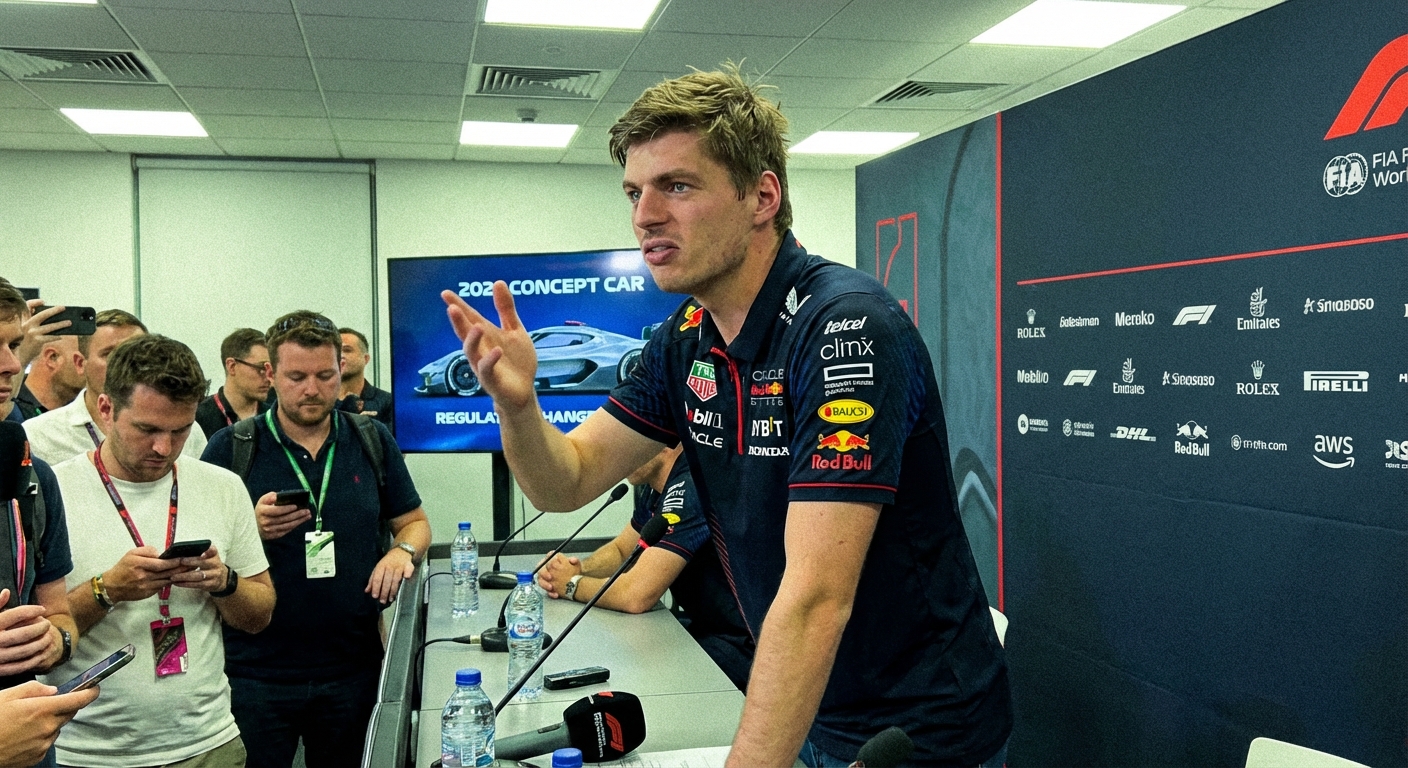
Verstappen Blasts 2026 “Mario Kart” Cars As Engine-Heavy Rules Threaten To Ruin F1’s Pure Racing
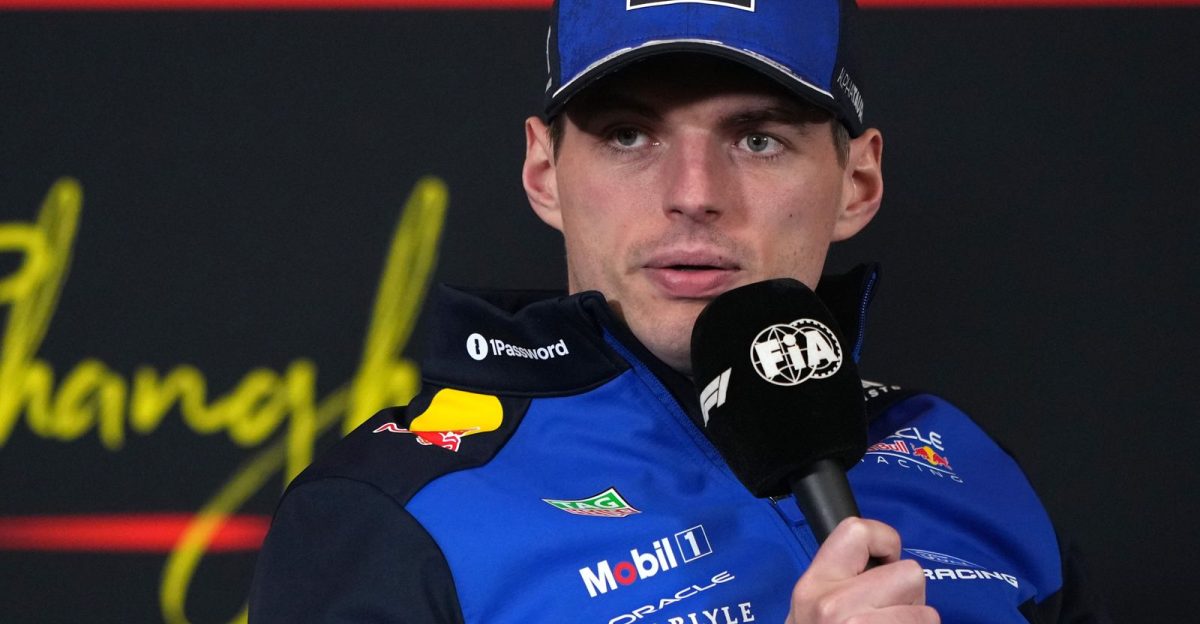
Formula 1’s 2026 regulations, approved in 2023 and already in development across all 10 teams, drew a sharp warning from Max Verstappen, who said the new engine-heavy rules risk damaging the sport’s racing quality. His criticism centers on a planned 50/50 split between combustion and electric power, a shift that could force drivers into energy-saving tactics over flat-out competition. As sustainability goals reshape the rulebook, the debate now focuses on whether Formula 1 is evolving or drifting away from its core appeal.
A Four-Word Verdict Echoes Across Paddock
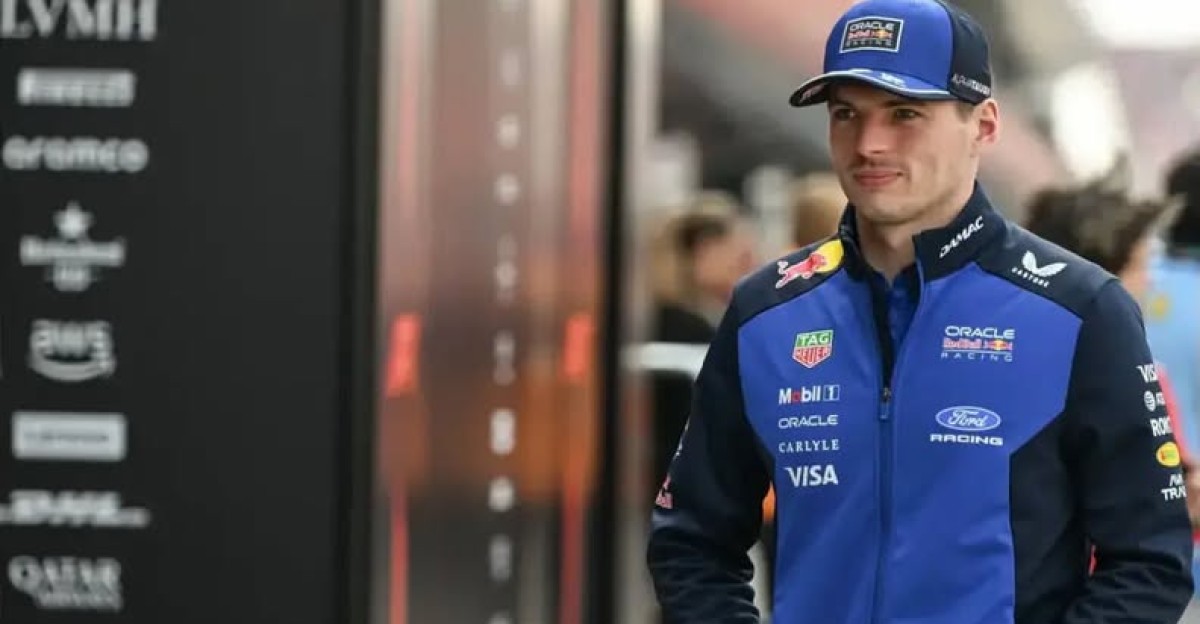
During the 2024 season, Verstappen delivered a sharp four-word response to the 2026 regulations that quickly spread through Formula 1. The comment carried weight because development had already begun across all 10 teams. Engineers were committing resources, and suppliers were aligning with new specifications. His words landed at a moment when changes could no longer be easily reversed. That timing turned a personal opinion into a wider concern, especially as internal discussions about these rules had already taken place behind closed doors before reaching public view.
Rules Approved Before Drivers Could Shift Outcome
In June 2023, the FIA World Motor Sport Council formally approved the 2026 power unit regulations. Technical details were released soon after, allowing teams to begin design work. Verstappen later stated that driver feedback had limited influence during this process. Concerns raised earlier did not alter the final direction. By early 2024, manufacturers were already investing heavily in new systems. With 20 drivers and 10 teams committed, the sport entered a phase where adaptation replaced debate as the dominant reality.
A Vision Built On New Technology Promises
Formula 1 presented the 2026 rules as a step forward when details emerged in 2023. Plans included lighter cars, active aerodynamics, and improved efficiency. The headline change centered on a 50/50 split between internal combustion and electric power, combined with 100% sustainable fuel. This structure aimed to align performance with environmental goals. Early reactions focused on innovation and progress. Attention soon shifted toward how these changes would affect racing itself, especially as engineers began modeling real-world performance under the new energy balance.
“It Will Ruin The Sport”
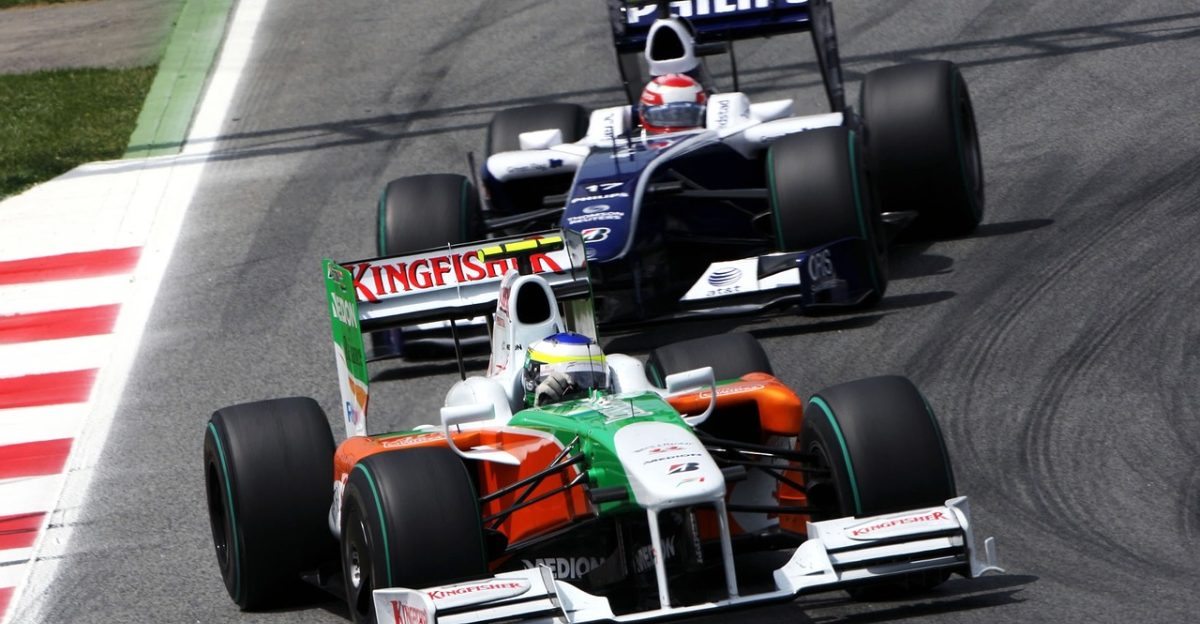
“It will ruin the sport.” Verstappen made that statement in 2024 after reviewing how the energy system would influence driving. The 50/50 split requires strict energy management across each lap. Drivers must lift off the throttle earlier, coast into braking zones, and carefully control deployment. These adjustments reduce opportunities for constant flat-out racing. The rulebook now directly shapes driving behavior, linking performance to energy conservation in a way that changes how races unfold from start to finish under the upcoming regulations.
Engineering Choices Now Dictate Driving Limits
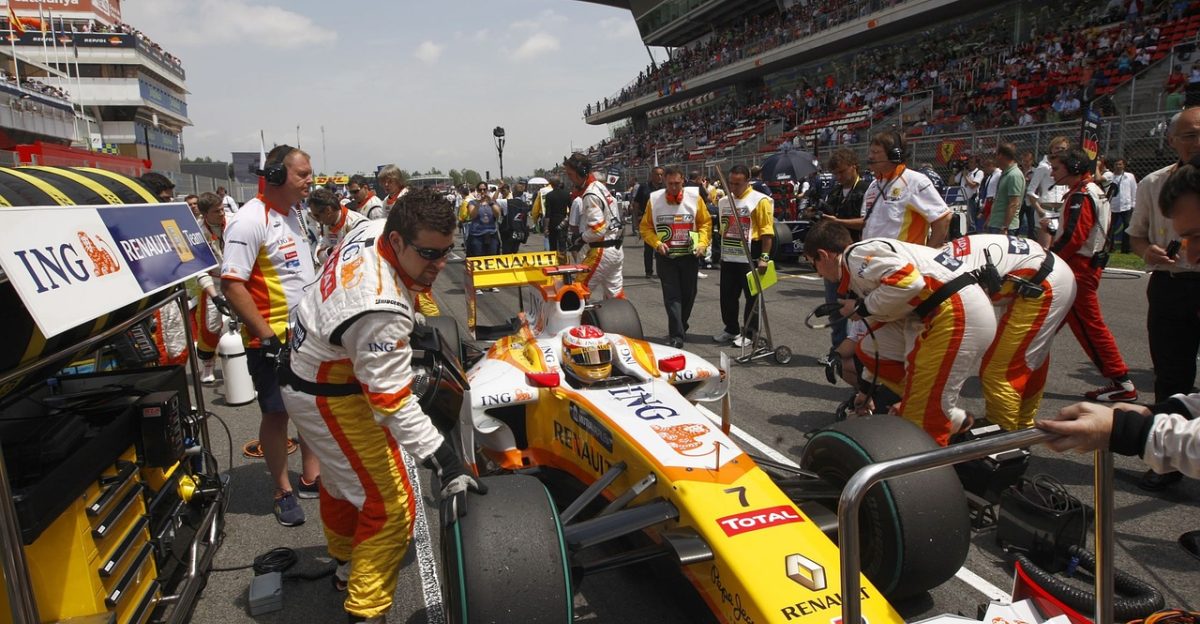
The Fédération Internationale de l’Automobile removed the MGU-H as part of the 2026 redesign to simplify engines and attract new manufacturers. This decision, confirmed in 2023, altered how energy is recovered and deployed. Electrical systems now carry greater responsibility in overall performance. Teams must balance battery usage across race distance, influencing when drivers can attack or defend. Engineering decisions now define the limits of aggression on track, connecting technical design directly to how each race is contested.
One Ratio Reshapes Competitive Balance
The 50/50 power split stands at the center of the 2026 regulations. Under current systems, combustion engines provide most output. From 2026, electrical energy will match that contribution. Teams including Mercedes-AMG Petronas Formula One Team and Red Bull Racing described this shift in 2024 as a complete reset in power unit design. Performance gains will depend on energy harvesting and deployment efficiency. Small differences in these systems could create large gaps in lap time and overall competitiveness.
Racing Product Faces Growing Pressure
By 2025, teams had accelerated development to meet the 2026 deadline. Focus shifted toward mastering energy systems alongside aerodynamic efficiency. Concerns began to extend beyond performance gaps. Racing that depends heavily on lift-and-coast strategies may reduce visible on-track battles. Sponsors and broadcasters rely on sustained action to maintain engagement. Drivers managing energy over long stints may produce fewer overtaking moments. That possibility raises questions about how the final product will be received once these cars reach competitive race conditions.
A Precedent That Redefines Future Regulations
The 2026 rules establish a direction that extends beyond a single season. Sustainability targets became central to Formula 1 planning during the early 2020s, and this package confirms that priority. Regulatory decisions now integrate environmental goals directly into performance frameworks. Energy management will shape racing across every lap. Future rule cycles are likely to follow this model, building on the same balance between efficiency and competition. This shift marks a long-term change in how the sport approaches both innovation and race design.
Why The Direction Is Set For 2026
Manufacturers committed major investments between 2023 and 2025 to prepare for the new regulations. Engine development programs, infrastructure upgrades, and supplier agreements created strong momentum behind the 2026 framework. Reversing course would require large financial and political concessions. Adjustments may still occur, though they are expected to remain within the existing structure. The cars arriving in 2026 will reflect years of planning and investment. Their performance on track will ultimately determine how this new era is judged by teams, drivers, and fans.
Sources:
All you need to know about F1’s new power units. Formula 1, 13 January 2026
2026 F1 Tech Regulations in focus – the Power Unit: 50+50=1000. Motorsport.tech, 31 January 2026
Explaining F1’s new 2026 regulations: What’s new and what it means. McLaren, 15 January 2026
FIA unveils Formula 1 regulations for 2026 and beyond. FIA / Formula 1, 5 June 2024
Max Verstappen jokes he swapped his sim for Mario Kart. PlanetF1, 12 March 2026