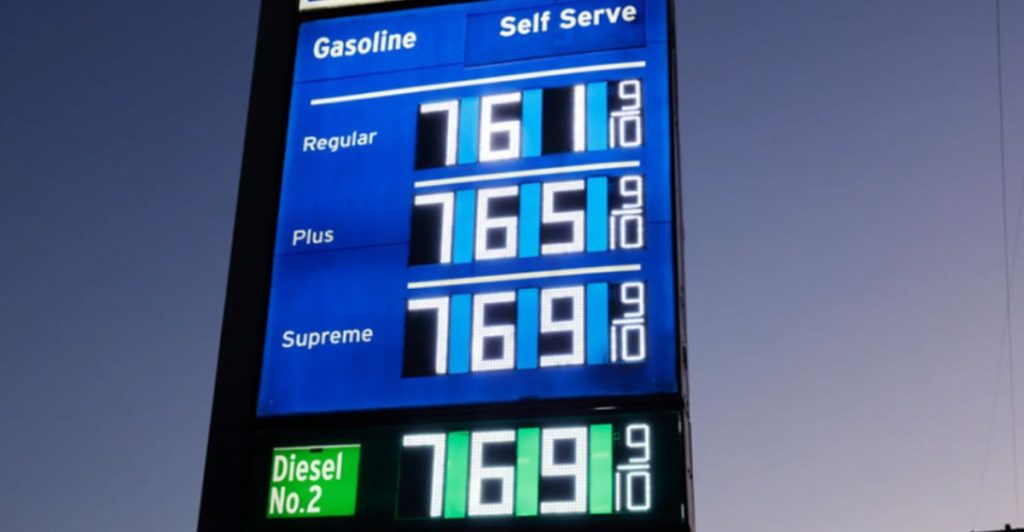
Utah’s 5 Refineries Supply 6 States Yet Drivers Pay $3.94 a Gallon as Wholesale Gouging Goes Unchecked
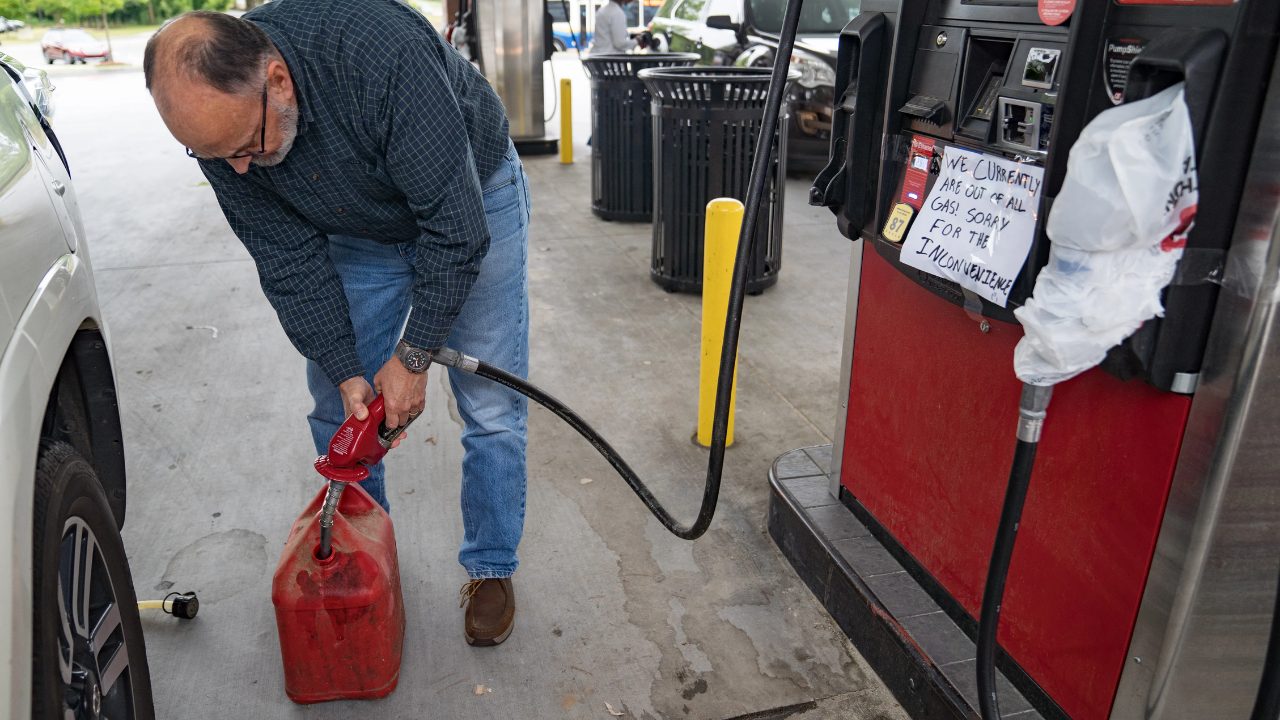
You didn’t budget for this, and neither did anyone else who pulled up to a Utah pump this week and did a double-take at the number on the screen. A $1.19 jump in thirty days — 43% — would be hard to explain anywhere, but Utah isn’t some fuel desert stranded from the supply chain. This state runs five refineries that pipe gasoline into six western states, and the people living closest to the source are somehow getting squeezed harder than drivers halfway across the country.
Speaker Mike Schultz is asking why. The answers coming back don’t add up. They never do when the money’s this good for the people doing the explaining.
February 28. The Shooting Started. The Price Followed
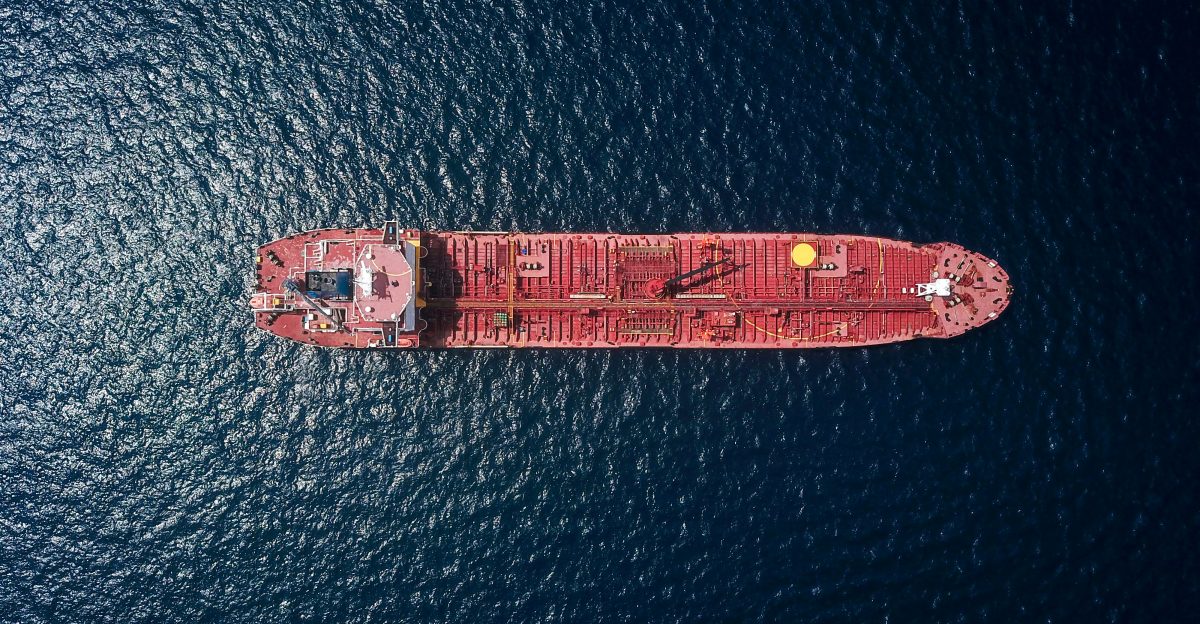
No contingency. No hedge. Just an air campaign against Iran and a global supply chain that had no plan for what came next. The Strait closed, and twenty percent of the world’s daily oil flow went with it — rerouted, delayed, or stopped cold. By March 19, Brent crude had hit $119 a barrel, and the IEA’s executive director was calling it the largest supply disruption in the history of the global oil market… not this decade, not since the Gulf War, but in recorded history.
Tyson Slocum of Public Citizen didn’t reach for diplomatic language: “Prices have spiked for one reason, and that is because the United States is engaged in a military confrontation with Iran, and we did not properly plan for it.
The 33-Cent Gap Nobody Can Explain
For a decade, crude oil accounted for slightly more than half of what you paid at the pump, a ratio so stable it barely made the news. The EIA’s own March 2026 outlook projects that share falling below 45% this year, meaning crude’s piece of your gallon is shrinking while the price keeps climbing, and something else is filling the gap. It isn’t taxes. It isn’t transport.
California refinery gross margins were 51 cents a gallon in January and $1.50 by March 23, a near-tripling in under two months. Crude oil costs moved 66 cents. Refinery margins moved 99 cents. One of those numbers is a cost. The other is a choice, and Jamie Court at Consumer Watchdog named it directly: “This is a pig at the trough moment for California oil refiners.” Every gallon sold right now carries almost a dollar of margin that didn’t exist two months ago, and the refineries didn’t build a single new asset to earn it.
There Is No Law for This. That’s Not an Accident
This is the part that should make you put the nozzle down and just stare at the sky for a second, because here’s what Slocum — energy program director at Public Citizen — confirmed flat out: “There aren’t any laws governing wholesale price gouging, and there’s no federal rules on it.” The price-gouging statutes that exist in most states were written to chase the retailer whose name is on the sign out front, the guy netting maybe 10 to 15 cents a gallon when everything goes right.
The refinery collecting $1.50 a gallon in margin is legally invisible to every enforcement mechanism on the books, no subpoena, no phone call, nothing. California’s petroleum watchdog is threatening retail stations for charging $9 a gallon while the upstream entity that sets the wholesale price those stations are forced to pass on operates without a single regulatory consequence. The system wasn’t broken into. It was built this way.
California Shows You the Endgame and It’s Already Spreading
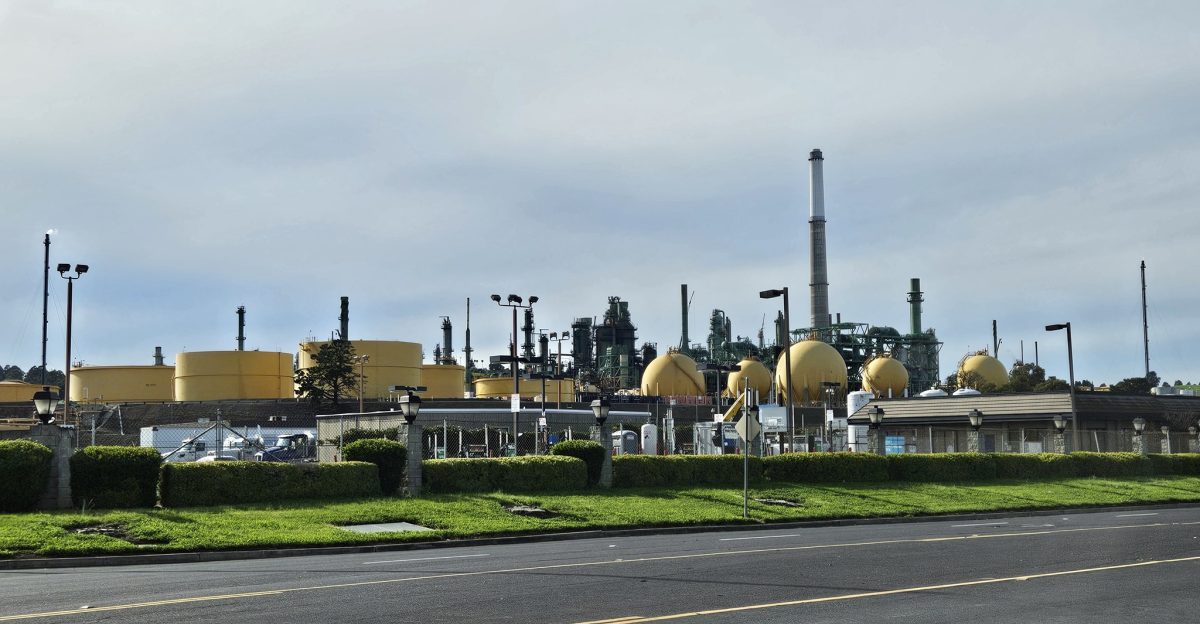
California’s statewide average hit $5.66 on March 20, with individual pumps crossing $9, and the structural reason isn’t hard to find. The state had 13 operating refineries going into 2025. Phillips 66’s Wilmington plant closed late last year. Valero’s Benicia facility shuts in April 2026, two closures in under six months, 284,000 barrels a day of combined capacity gone, with no replacement supply lined up. That’s California. Now look at Texas. On March 23, the Valero refinery in Port Arthur — 380,000 barrels a day, the company’s single largest facility — suffered an explosion that took out its 47,000-barrel-per-day diesel hydrotreater and forced a full shutdown. The blast was audible 11 miles out, and that hydrotreater unit alone processes enough diesel daily to supply a mid-sized city. It doesn’t come back overnight.
The Kids Just Starting Out Are Getting Crushed
There was a quiet milestone in mid-2025 that most people missed: young workers in their twenties, with their first real jobs and paychecks, briefly outspent Baby Boomers for the first time in years. Four weeks of elevated gas prices erased it. Gas takes a bigger cut of take-home pay for young earners than for any other age group, and unlike older workers, they don’t have a savings buffer, equity, or a company vehicle to fall back on.
Macki Atkinson is a college student from Kamas who’s spending $50 to $60 a week just to keep his tank full. His words: “If things don’t calm down a little bit, I might have to drop out of college, find a job, and go from there.” The operation launched without an energy contingency plan. The tab landed on a 22-year-old.
That’s a Food Price Story. It Just Hasn’t Broken Yet

Diesel crossed $5.35 nationally, up as much as 55% since February, and diesel isn’t a lifestyle choice; it’s the fuel that moves freight, hauls grain, and runs the equipment turning soil right now across every farming state in the country. In some Texas markets, nitrogen fertilizer is up 150% year-over-year at the exact moment spring planting locks in purchases that can’t be deferred. What doesn’t get planted this week doesn’t show up in the store this fall.
Jet fuel ran $2.11 in January and hit $3.40 by early March — 60% in six weeks, and airlines are already passing it on, with IATA projecting up to 9% global fare increases. The pump price is just the visible edge of something running much deeper through the economy.
While You’re Paying $5 Diesel, They’re Selling It to Europe
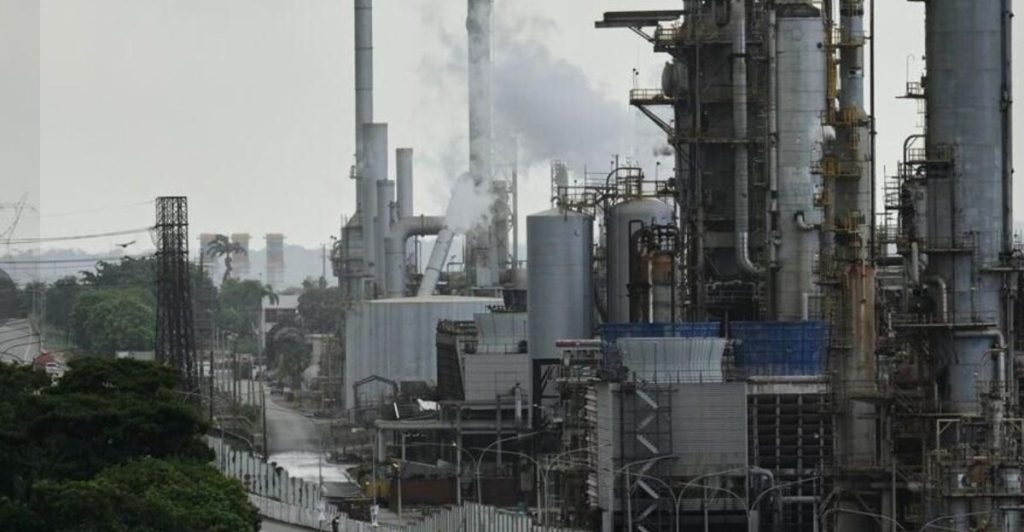
In January 2025, U.S. refineries were exporting 167,000 barrels of diesel a day across the Atlantic. By January 2026, that number had more than doubled to 396,000 barrels a day — an all-time record — flowing into European ports while domestic diesel crossed $5.35 at home.
The pull came from Europe’s ban on Russian-derived fuel, which created a premium market that U.S. Gulf Coast refiners were happy to serve, processing American crude, locking in record margins, and shipping the product overseas while the trucker filling up in Amarillo absorbed the tighter domestic supply.
The Fed Has No Good Move

On March 18, the Federal Reserve held rates at 3.5 to 3.75% and offered almost nothing in the way of reassurance, with Powell describing it as “an energy shock of some size and duration” while declining to signal which direction policy would move next. Cut rates, and you pour fuel on the inflation that the war is already building. Hold them, and you choke an economy absorbing a supply shock it didn’t see coming.
Morgan Stanley pushed its first rate-cut call back to September, and Goldman lifted recession odds to 30% on March 23, saying even that estimate hinges entirely on the Hormuz reopening within four weeks, which it flagged as optimistic. JPMorgan puts the probability of a recession at 35%. Moody’s Analytics sits at 49%. Every institution is working from a different number, but they’re all pointing in the same direction.
Five Refineries. Six States. $3.94. Nobody Stopped It
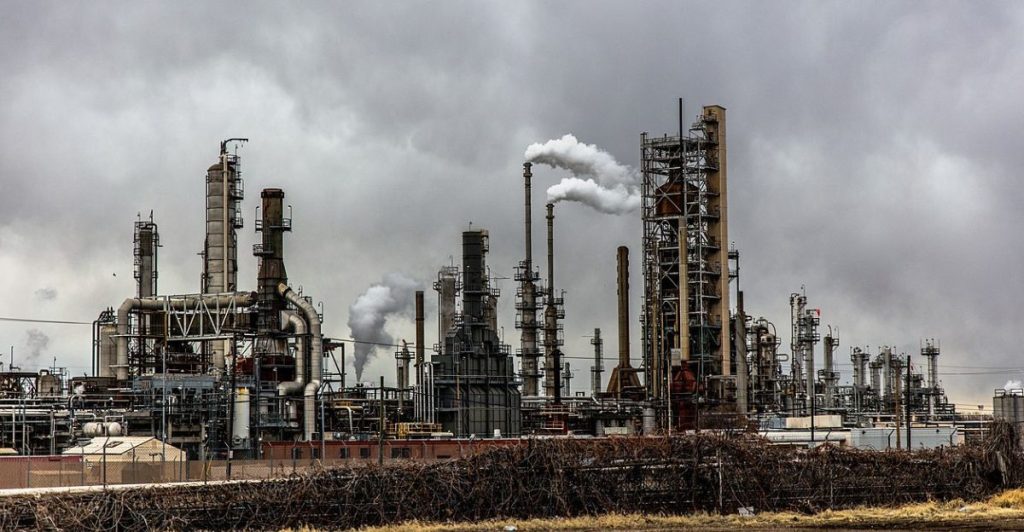
The refineries in Utah are running, the margins are the fattest they’ve been in years, and the law that was supposed to police this stops at the retail station and goes no further. Goldman’s baseline assumes this resolves in four weeks. The IEA isn’t that optimistic, and neither is the trucker watching fuel eat 40% of his revenue, the farmer locked into fertilizer prices before the shooting started, or the airline quietly repricing summer fares for travel booked months ago under cheaper-fuel assumptions.
Somewhere in Kamas, a college kid is doing the math to see if he can afford next semester. The pump told him the answer before anyone in Washington did.
Sources
“Drivers concerned about price-gouging as gas prices rise across Utah, nation” — KUTV 2 News Salt Lake City, March 22, 2026
“EIA expects lower gasoline prices in 2026 and 2027 as crude oil prices fall” — U.S. Energy Information Administration, March 23, 2026
“Maritime exports of petroleum products increased to near-record highs in January 2026” — U.S. Energy Information Administration, March 23, 2026
“Gasoline price gouging in California draws a warning” — Los Angeles Times, March 19, 2026
“Valero shuts Texas refinery after explosion, sources say” — Reuters, March 24, 2026
“Oil prices rise despite efforts to open Strait of Hormuz” — RTÉ News, March 20, 2026