Utah Bill Could Cost Idaho Drivers $250 Million Annually At The Pump
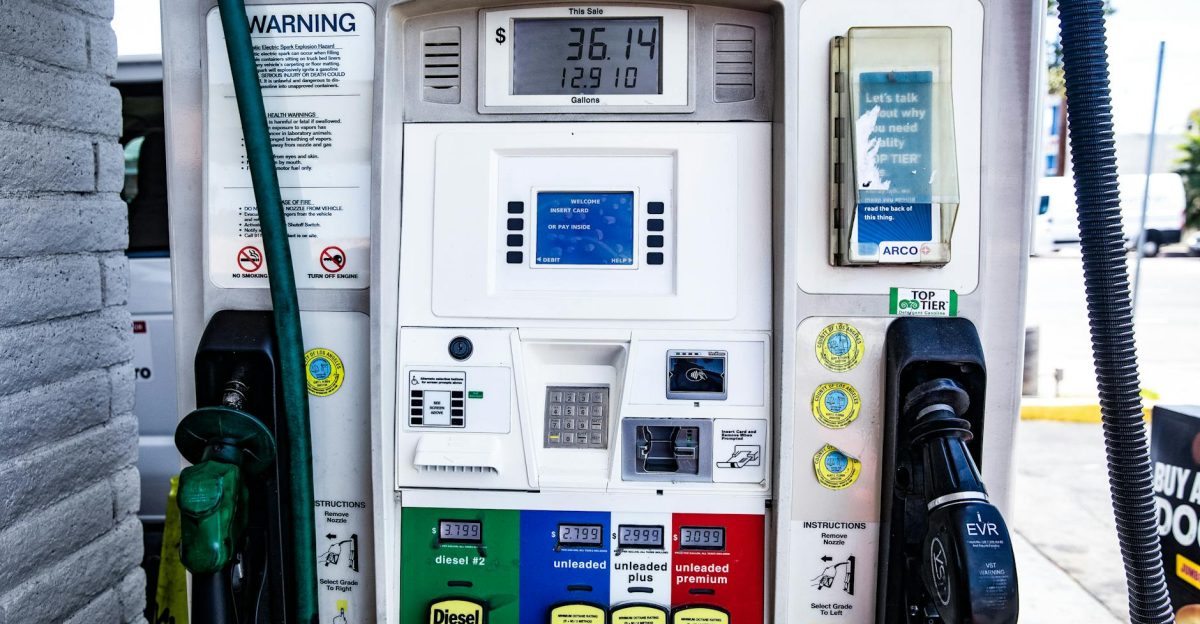
Utah’s HB 575 proposed slashing the state gas tax by 50% while slapping a 24-to-38-cent-per-gallon export tax on refined fuel leaving the state. The estimated annual cost to Idaho: $250 million. Idaho has zero operating refineries. Seventy to 85% of its gasoline flows through pipelines from Utah’s five refineries, which produce 220,000 barrels daily. Idaho drivers were already paying $2.97 a gallon as of March 2026, ranking 14th nationally. Utah basically proposed making a captive customer pay for its own tax cut.
Monopoly Geography
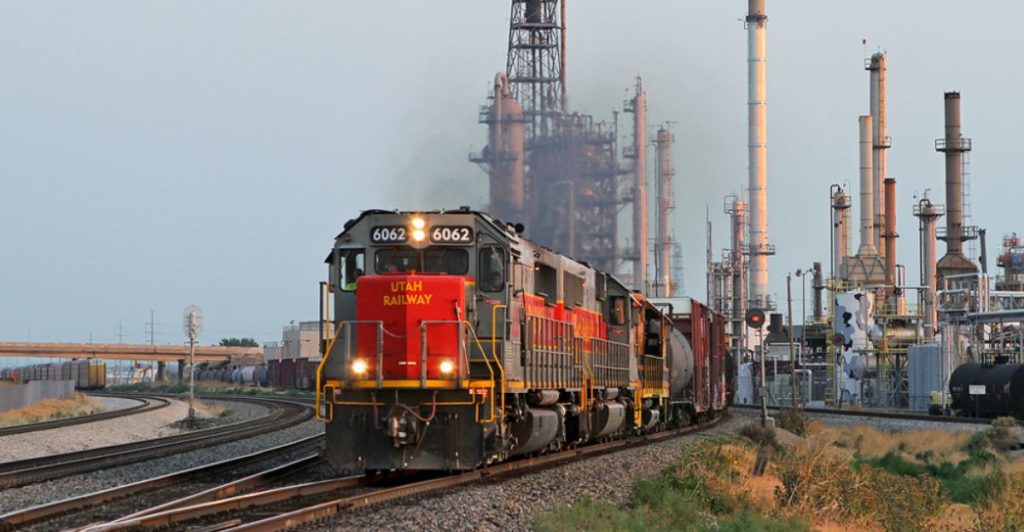
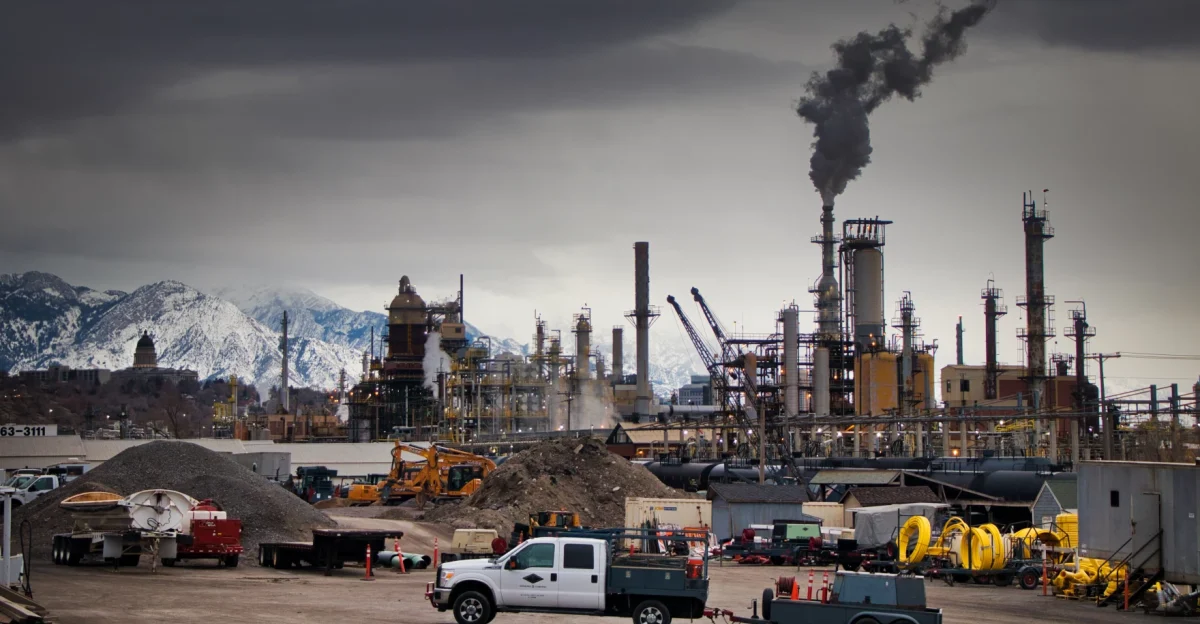
The cause is simple and structural: Utah sits on the only refinery corridor between the Rockies and the Sierra Nevada. Five facilities. One pipeline system. Roughly 75,000 barrels are exported daily, with Idaho absorbing the bulk. No competitor can undercut those refineries because no competitor exists within pipeline distance. That geographic lock gave Utah lawmakers the confidence to propose an export tax that constitutional scholars flagged as a likely violation of the dormant Commerce Clause. The bill banked on Idaho having nowhere else to turn. That part was accurate.
Kitchen Table Math
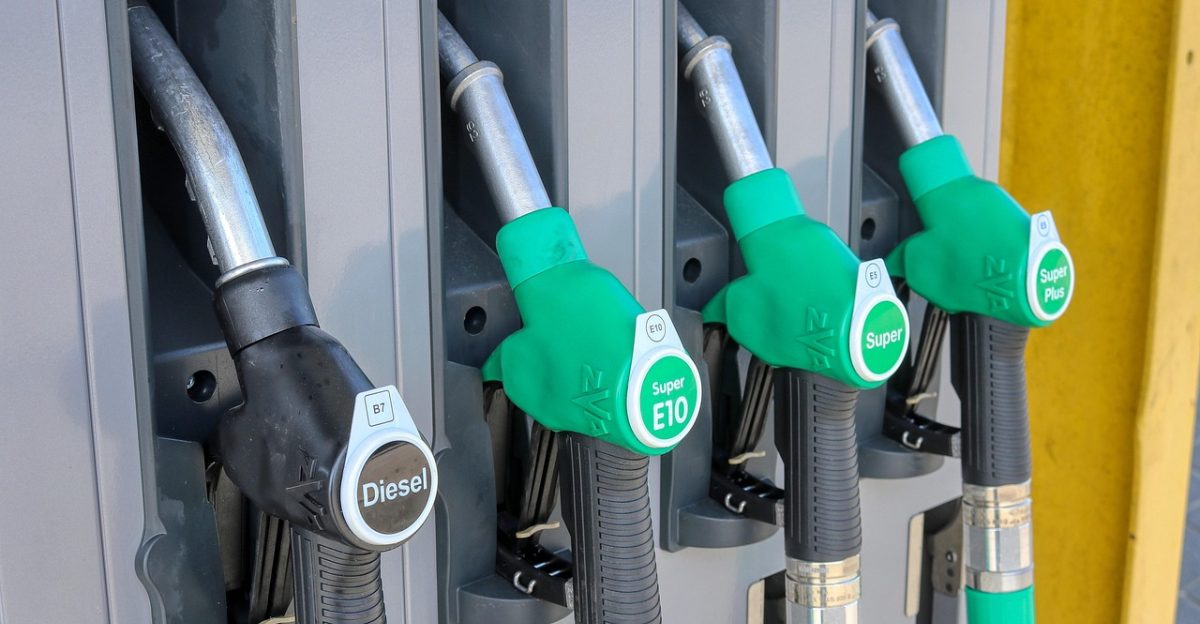
At 25 cents per gallon, an average Idaho household running two-and-a-half vehicles could absorb roughly $375 in additional fuel costs per year. For farmers hauling potatoes and grain across freight corridors on Interstates 84 and 15, the math compounds fast. Fuel-intensive agriculture could face 15 to 20% cost pressure on inputs alone. Grocery prices, construction materials, and delivery fees all ride on diesel. One refinery tax proposed in Salt Lake City, and the cost ripples straight into rural Idaho’s operating budget.
Refineries Respond
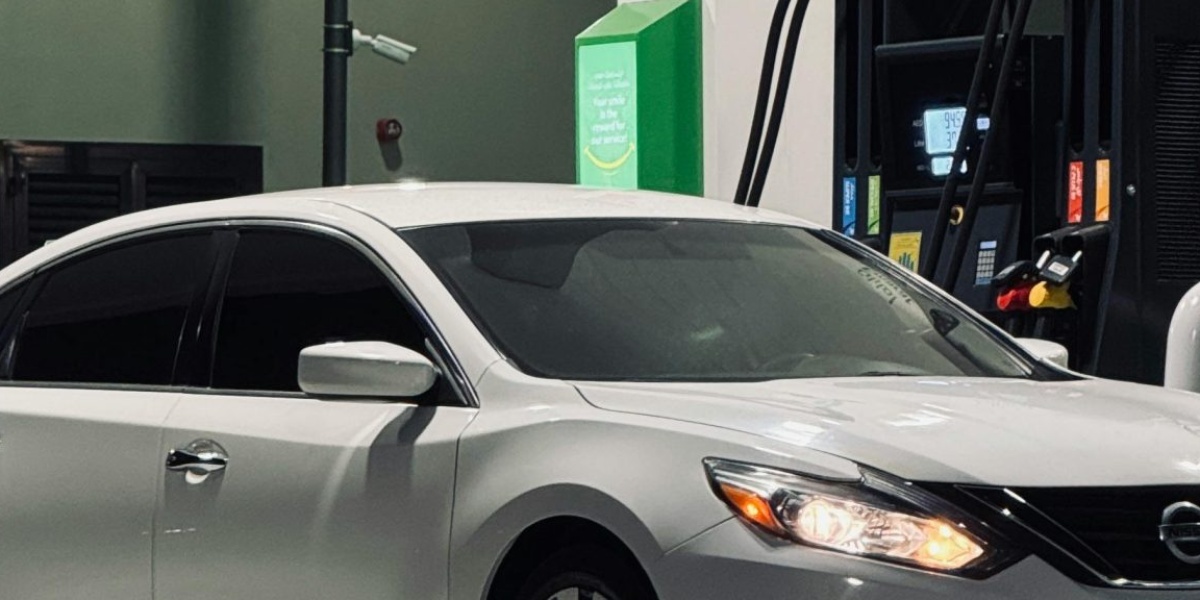
Utah’s refineries produce roughly 1.5 times the fuel Utah itself consumes. That surplus is their business model, and HB 575 threatened to tax it. Governor Spencer Cox scrambled to sign agreements with petroleum executives promising 800,000 additional gallons of fuel daily and 23,500 additional barrels of oil per day within five years. The catch: those commitments are nonbinding. Refineries could just as easily shift investment toward Gulf Coast facilities with friendlier politics. Utah’s own energy industry started hedging against Utah’s own legislature.
Water As Weapon
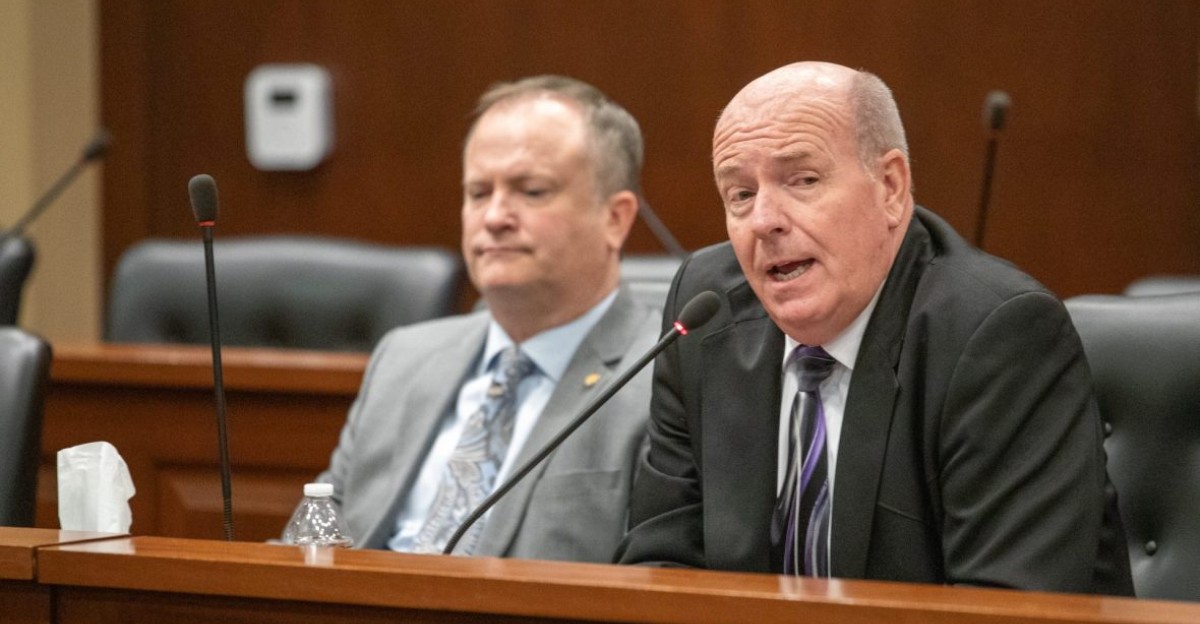
Idaho House Speaker Mike Moyle didn’t counter with lawyers. He countered with rivers. Idaho controls snowmelt that feeds Utah’s dying Great Salt Lake, and Moyle publicly threatened to restrict those flows. A fuel dispute became a water dispute overnight. One commodity monopoly collided with another. Nevada depends on California refineries for 86 to 88% of its fuel, but has no equivalent leverage. Arizona faces the same trap. Idaho had something those states don’t: a resource Utah cannot survive without.
Connected Scarcity
Utah’s refineries control Idaho’s gas prices because geography eliminated competition. Idaho’s snowpack controls Utah’s ecological survival because hydrology eliminated alternatives. Now zoom out: California shuttered over 30 refineries since the 1980s, dropping from 40-plus facilities to roughly seven. Phillips 66 closed its Wilmington refinery in October 2025. Valero planned to shutter Benicia by April 2026. Each closure tightens supply across Nevada, Arizona, and the entire Mountain West. One drought. One closure. Your pump price climbs.
Bull Manure
“Bull manure in my humble opinion,” Speaker Moyle told Idahoans. “Utah is about to stick you with a 25-cent increase in your fuel price, and it’s not right.” He introduced House Joint Memorial 12 opposing the plan, then invoked language from 1776: “This is taxation without representation, something we fought a war over 250 years ago.” Utah Rep. Cal Roberts fired back with seven words that confirmed the whole problem: “We represent Utahans. We don’t represent Idaho.” Two states. Two monopolies. Zero obligation to protect each other’s citizens.
Precedent Locked

No U.S. state has ever successfully implemented a permanent fuel export tax. Washington tried in 2009, and Alaska drafted a retaliatory $16-per-barrel oil tax. Washington tried again in 2022, and Alaska threatened boat and fish taxes. Both times, legislators backed down. Utah’s attempt followed the same arc: propose, provoke, retreat. HB 575 failed its Senate committee vote 2-to-1, then returned stripped of the refinery tax entirely. The replacement: a temporary 15% gas tax cut worth about 6 cents per gallon, expiring December 31, 2026.
Winners And Losers
Idaho won without deploying its threat. The water leverage was brandished, never exercised, and the refinery tax vanished. Governor Little refused to sign the water memorandum Utah offered, posting on social media: “Idaho’s water belongs to Idaho.” Utah got a temporary tax cut costing $11.9 million in revenue and nonbinding supply promises. The real losers are Nevada and Arizona. They face identical refinery dependency on California, carry zero water leverage, and just watched the only successful playbook require a weapon they don’t possess.
Cascade Continues
Utah’s temporary gas tax cut expires in January 2027, right as voters start paying attention to midterms. California’s refinery contraction keeps accelerating. Nevada formed a Fuel Resiliency Committee and started exploring pipeline expansion, but those projects take years. The pattern is now locked: states with monopoly resources propose export taxes, dependent states retaliate with whatever leverage they hold, and both sides retreat, claiming victory while consumers absorb the volatility. Same mechanism. Different states. The next fuel-versus-water showdown is already forming. The only question is which border it crosses.
Sources:
“Utah’s ‘Bull Manure’ Plan to Increase Gas Prices in Idaho Not Well Received, Likely Unconstitutional.” Mountain States Policy Center, Feb. 2026.
“Utah Inks Gas and Water Deals After Spat with Idaho.” Fox 13 News, 23 Feb. 2026.
“Idaho Gas Prices Hitting Wallets as Costs Move Above $3 per Gallon.” Idaho Business Review, 4 Mar. 2026.
“After a Speed Bump, Utah Lawmakers Push Through a Summer Gas Tax Holiday.” KUER, 5 Mar. 2026.