USPS Hits 169 Million Americans With First-Ever Fuel Surcharge—$118B In Losses
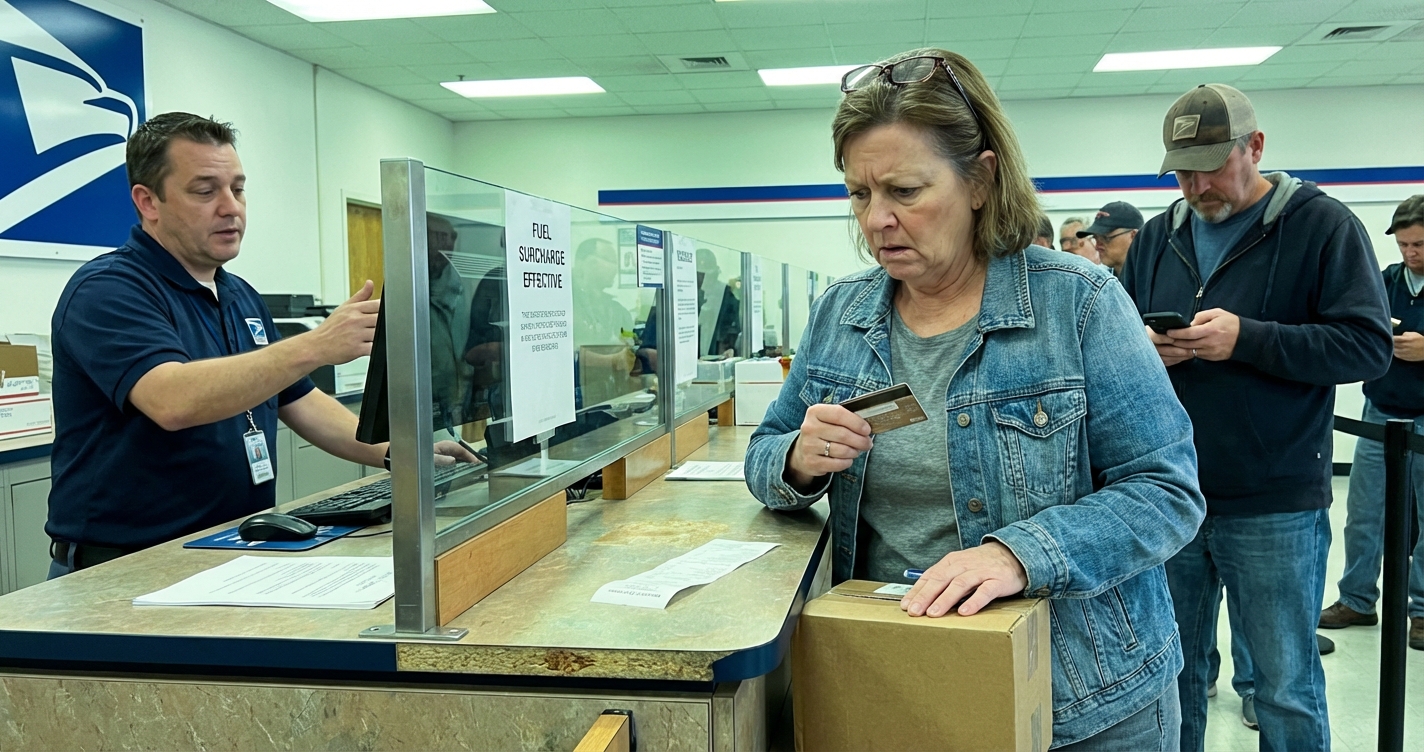
The U.S. Postal Service is rolling out a first-ever 8% fuel surcharge on key package deliveries, affecting shipments tied to more than 167 million addresses nationwide starting April 26 2026. The decision comes after a $9.0 billion loss in FY 2025 and more than $100 billion in cumulative deficits since 2007. Postmaster General David Steiner warned Congress on March 17 2026 that the agency could run out of cash within about a year without action. Driven by rising fuel costs and long-standing financial strain, the surcharge signals a turning point that reshapes how mail and packages move across the country.
Who Feels The Immediate Impact First
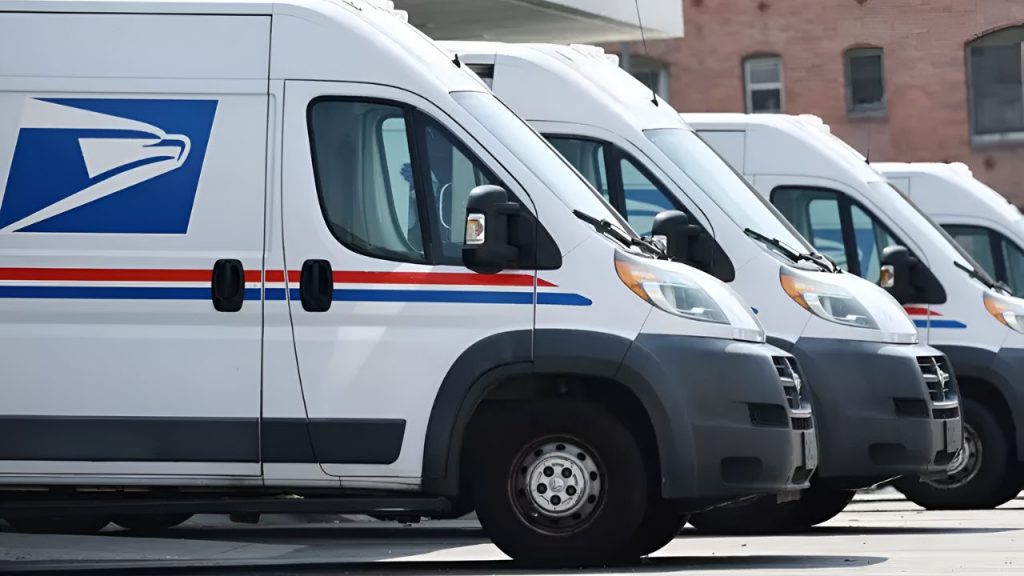
Small and mid-sized businesses that depend on Priority Mail, Priority Mail Express, USPS Ground Advantage, and Parcel Select face the most direct hit. USPS confirmed on March 26 2026 that these services will see an 8% increase, raising shipping costs overnight. For online sellers operating on thin margins, even modest cost increases can cut profitability sharply. With shipping already a major expense category, many merchants must now rethink pricing or absorb losses, and those decisions are already starting to ripple through supply chains nationwide.
Consumers Brace For Rising Everyday Costs

Consumers will not see a direct surcharge line, but the impact will surface through higher retail prices and shipping fees. Businesses typically pass along increased logistics costs, especially in competitive e-commerce markets. Rural communities may feel this more sharply due to limited carrier alternatives and longer delivery routes. Printing United Alliance noted on November 17 2025 that customers were already strained from earlier USPS rate hikes. This new increase adds pressure across the entire chain, and the effects are beginning to appear in subtle but widespread ways.
Inside The Numbers Behind Massive Losses
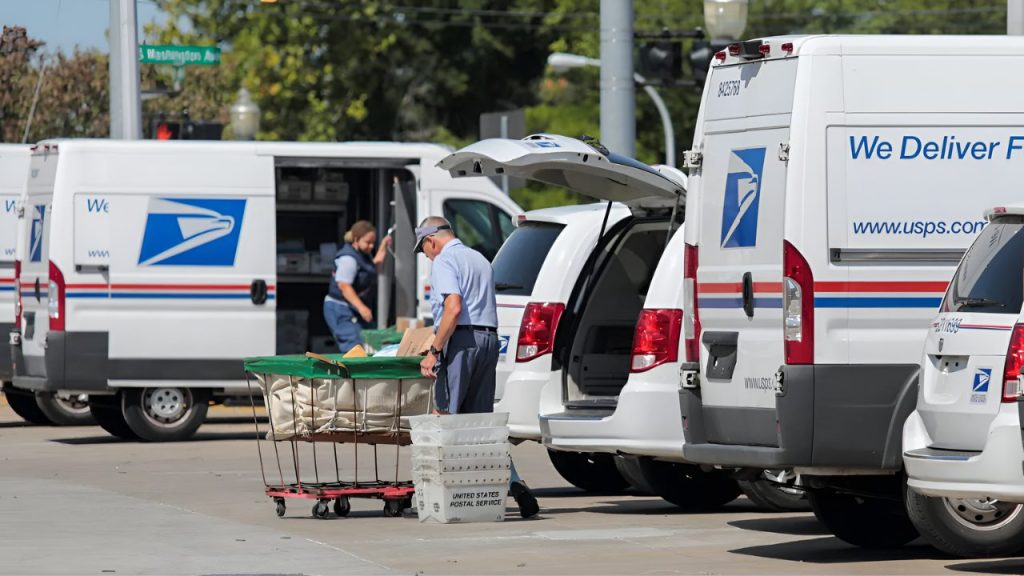
USPS reported a $9.0 billion net loss in FY 2025, extending a streak of annual deficits. Over the past three years alone, total losses reached $25 billion, reflecting a persistent gap between operating costs and revenue. Analysts also estimate cumulative losses have exceeded $100 billion since 2007. Despite previous rate increases and cost-cutting efforts, financial stability remains elusive. These figures highlight a system under continuous strain, raising concerns about long-term viability as each new fiscal report reveals the depth of the challenge.
The Exact Change Rolling Out Nationwide
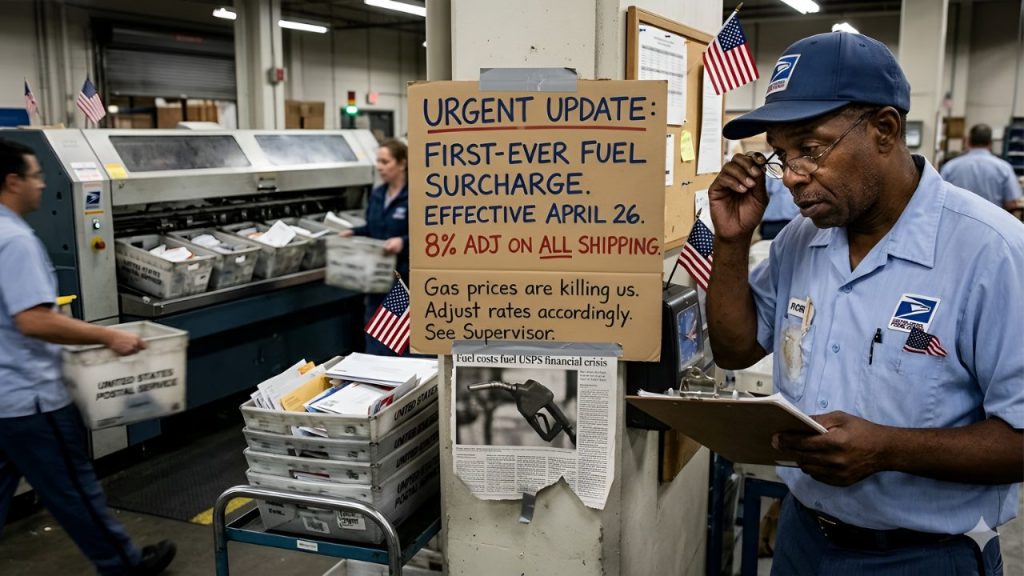
The surcharge applies specifically to package services and excludes First-Class Mail letters and stamps. USPS structured the increase as an 8% adjustment to existing rates rather than a separate fee. A $10 shipment will cost $10.80 during the surcharge period. The agency stated on March 26 2026, “this temporary price adjustment will provide needed flexibility for the Postal Service by helping to ensure that the actual costs of doing business are covered, as required by Congress,” clarifying both scope and intent behind the decision.
Why Fuel Costs Suddenly Became Critical
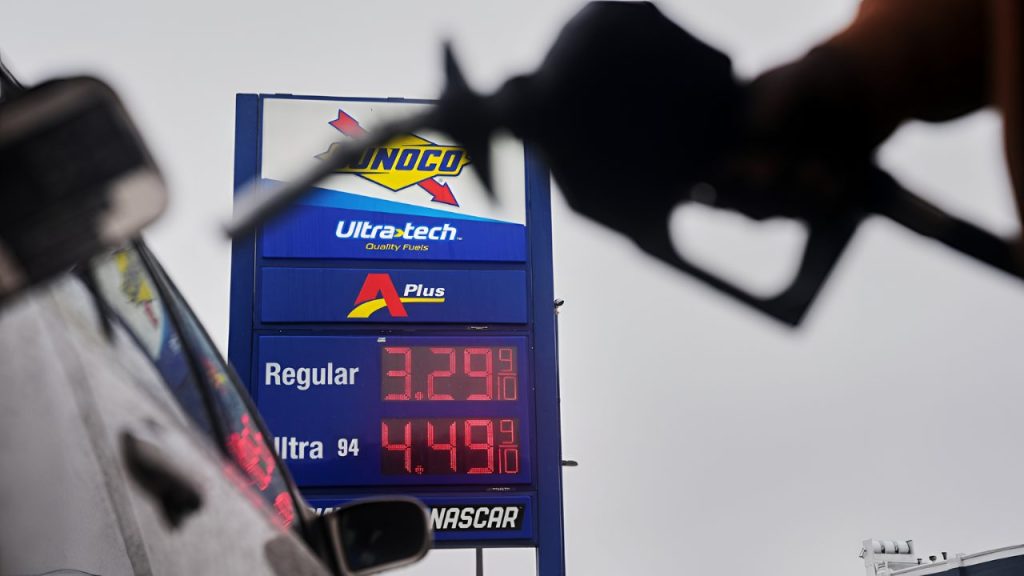
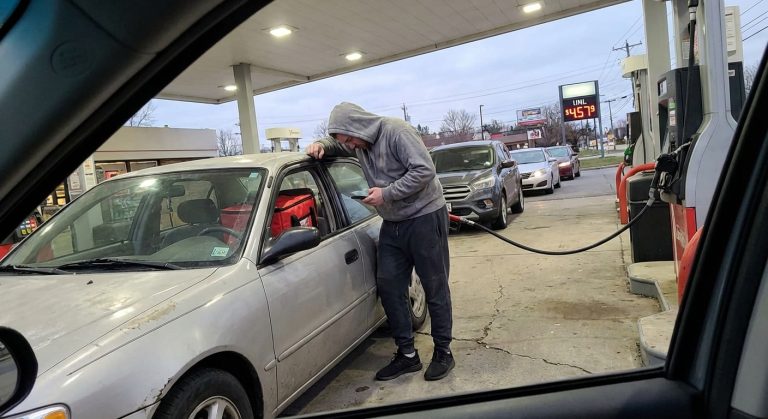
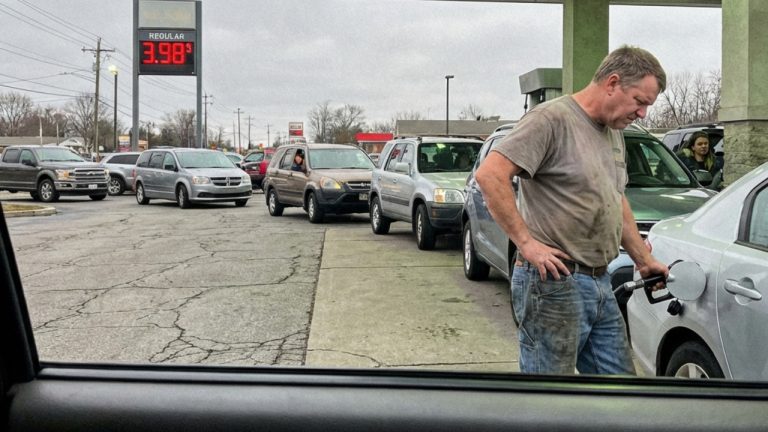
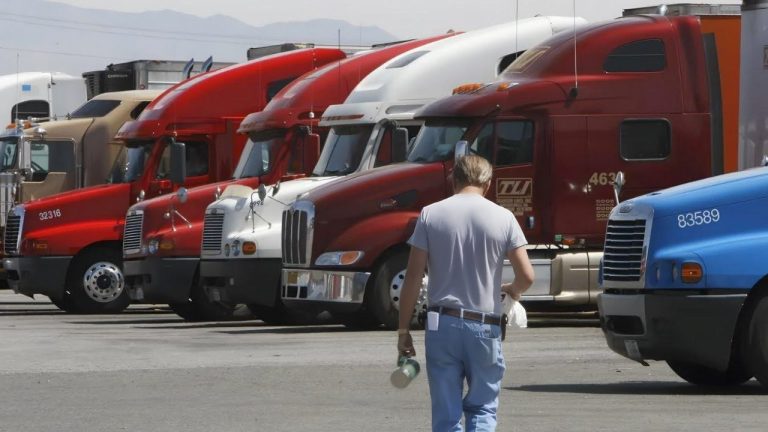
Fuel prices surged in mid Feb following tensions near the Strait of Hormuz, a region responsible for about 20% of global oil flow. Disruptions reduced tanker traffic and pushed prices higher worldwide. By late March, U.S. gasoline reached about $4 per gallon, while diesel exceeded $5 per gallon. Transportation costs, already a major USPS expense, rose sharply in response. These increases directly pressured operating budgets, forcing USPS to act quickly to avoid deeper financial losses as global conditions shifted rapidly.
When The Surcharge Takes Effect

The surcharge is scheduled to begin on April 26 2026 and remain in place until January 17 2027, pending approval from the Postal Regulatory Commission. This timing aligns with USPS pricing cycles and covers a period expected to include ongoing fuel volatility. The announcement came just months after the November 2025 financial report revealed steep losses. The timing ensures the surcharge applies during a full peak shipping cycle, positioning it as a bridge through an uncertain economic period that could shape future pricing strategies.
A Global Conflict Reaches Local Mailboxes
Events thousands of miles away are influencing shipping costs across the United States. Tensions involving Iran disrupted oil supply routes in early 2026, raising global fuel prices and increasing transportation costs domestically. Because USPS operates a nationwide delivery network, even small fuel increases scale rapidly across millions of daily deliveries. Rural areas, which depend heavily on USPS, face greater exposure due to longer delivery distances. This chain of events shows how global disruptions can quickly translate into everyday financial impacts at the local level.
Competitors Quietly Gain An Advantage
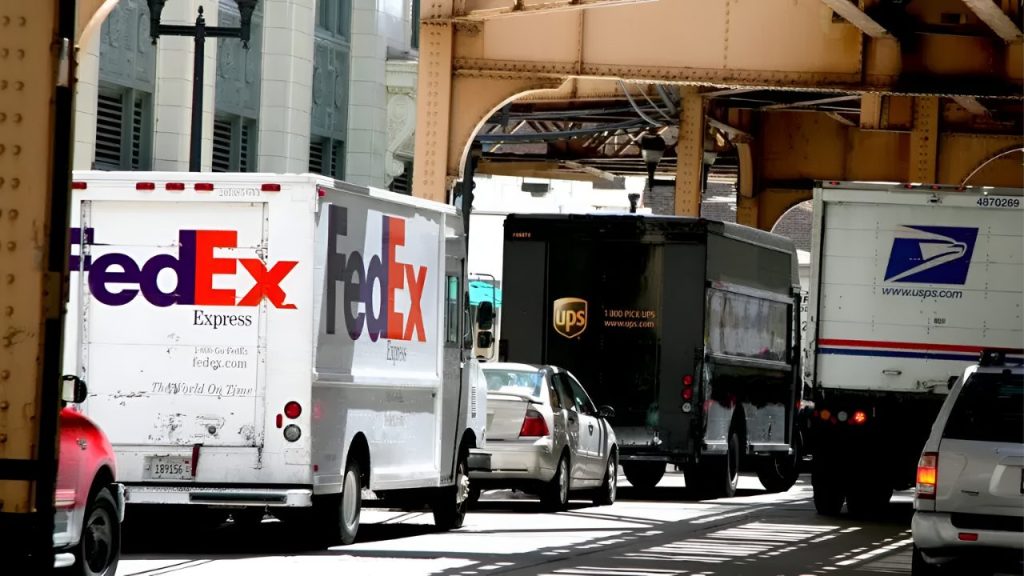
Private carriers such as UPS, FedEx, and Amazon are positioned to benefit as USPS raises prices. Pitney Bowes projected on June 29 2025 that Amazon Logistics could ship 8.4 billion U.S. parcels by 2028, surpassing USPS at 8.3 billion. Each USPS price increase narrows the cost gap between public and private carriers, encouraging businesses to explore alternatives. While USPS noted its surcharge is less than one-third of competitor fuel fees, shifting market dynamics suggest volume could gradually move away from its network.
What Happens If Nothing Changes Next
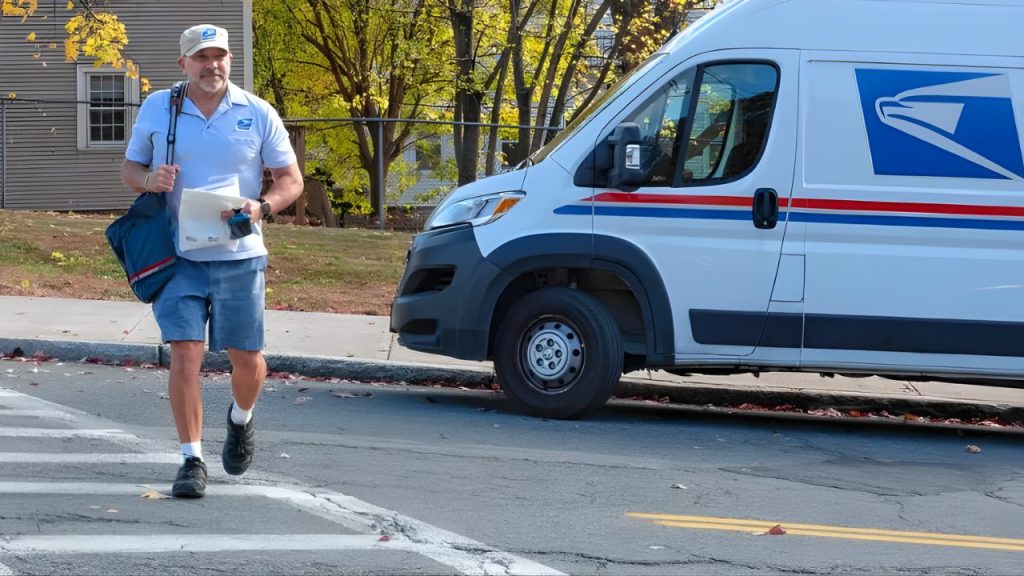
The surcharge provides temporary relief, but it does not resolve deeper structural issues. Declining mail volumes, fixed labor costs, and growing competition continue to challenge USPS finances. Without broader reforms or sustained revenue growth, deficits may persist beyond the surcharge period. Steiner’s March 17 2026 warning about potential cash shortages underscores the urgency. The coming months will test whether this measure stabilizes operations or simply delays larger decisions that could reshape how mail and packages move across the country.
Sources:
United States Postal Service FY2023 Annual Report. USPS, November 2023
Postal Service Reform Act of 2022 Overview. U.S. Congress, April 2022
USPS Mail Volume Data Historical Tables. USPS, various years
Amazon Logistics Growth and Parcel Volume रिपोर्ट. Pitney Bowes Parcel Shipping Index, 2024
USPS Price Changes and PRC Regulatory Framework. Postal Regulatory Commission, 2023
US Energy Information Administration Diesel Price Data. EIA, 2025
Who Is Louis DeJoy? USPS Leadership Profile. USPS, 2025