Used Car Prices Hit 3-Year High As Affordable Cars Under $15K Vanish—Just 38 Days’ Supply Left
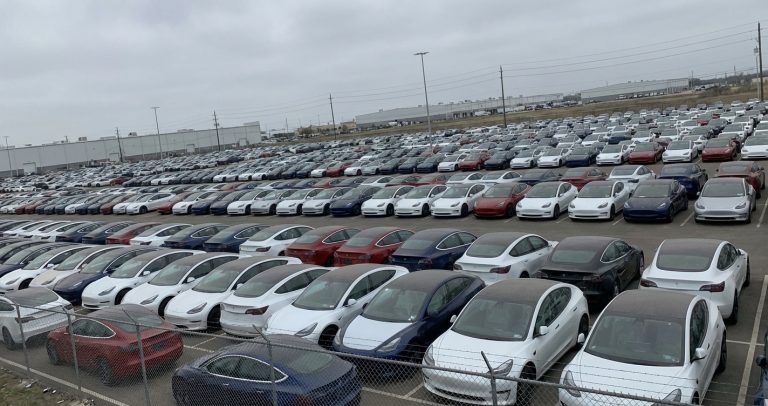
Used car prices in the United States have climbed to their highest level in nearly 3 years, with the Manheim Used Vehicle Value Index hitting 215.3 in March 2026, up 6.2% from a year earlier. At the same time, affordable cars under $15,000 are becoming scarce, with supply dropping to about 38 days nationwide. Rising new car prices, driven by tariffs and higher production costs, are pushing more buyers into the used market. That surge in demand is colliding with limited inventory, especially for budget buyers, setting off a chain reaction across the entire auto market.
Why New Cars Became Out Of Reach

Rising new car prices are quietly reshaping the entire market. Tariffs alone added about $30 billion in costs to the U.S. auto industry in their first full year. Kelley Blue Book reports price increases of $5,000 to $8,900 on some imports, and $1,600 to $2,000 on U.S. built vehicles. As a result, the average new vehicle price hovered near $50,000 in late 2025 and early 2026. Fewer models now fall under $30,000, shrinking that segment to the low teens. That shift is pushing more buyers toward used options.
The Disappearing Affordable Car Segment
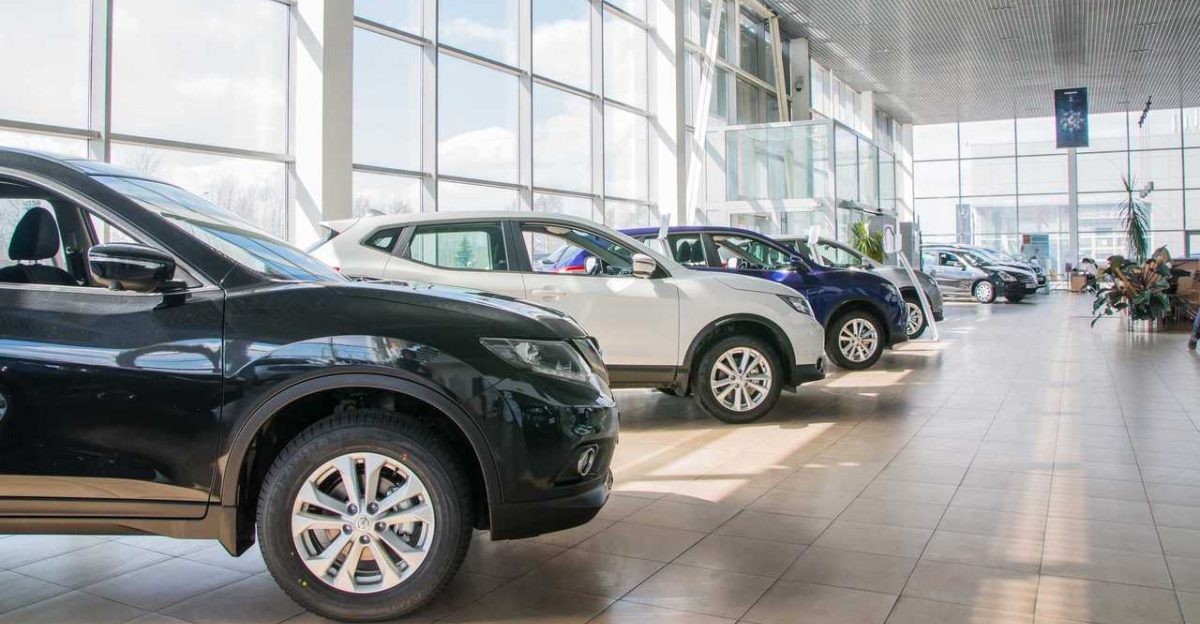
Affordable used cars are becoming harder to find. Vehicles priced under $15,000 now sit at roughly 38 days of supply in early 2026, about 9 days below the broader used vehicle average, according to CarGurus and Cox’s vAuto. That means these cars are selling faster and appearing less often in listings. Budget conscious buyers, including first time owners and working families, are competing for a smaller pool of vehicles. The imbalance between supply and demand is becoming clearer, but the pricing gap across different vehicle types reveals an even deeper divide.
A Market Split Between Rich And Budget Buyers
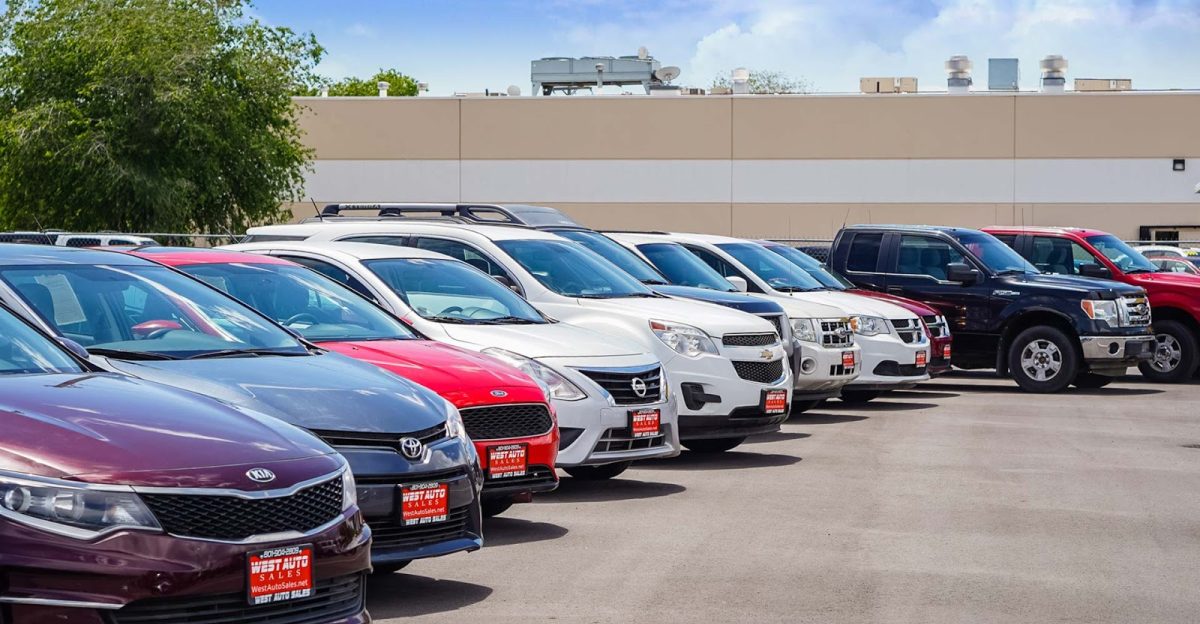
The used car market is splitting along income lines. Lower priced vehicles are scarce and quickly sold, while higher priced segments such as luxury models and large SUVs show more stable inventory. Some luxury vehicles have even posted year over year price increases, while pickup trucks continue gaining value. Meanwhile, older sedans are holding less appeal. This divide reflects a K shaped market where affordability determines access. Buyers with stronger finances have more choices, but others face limited options. Fuel costs are now adding another layer to this imbalance.
Rising Fuel Prices Add More Pressure
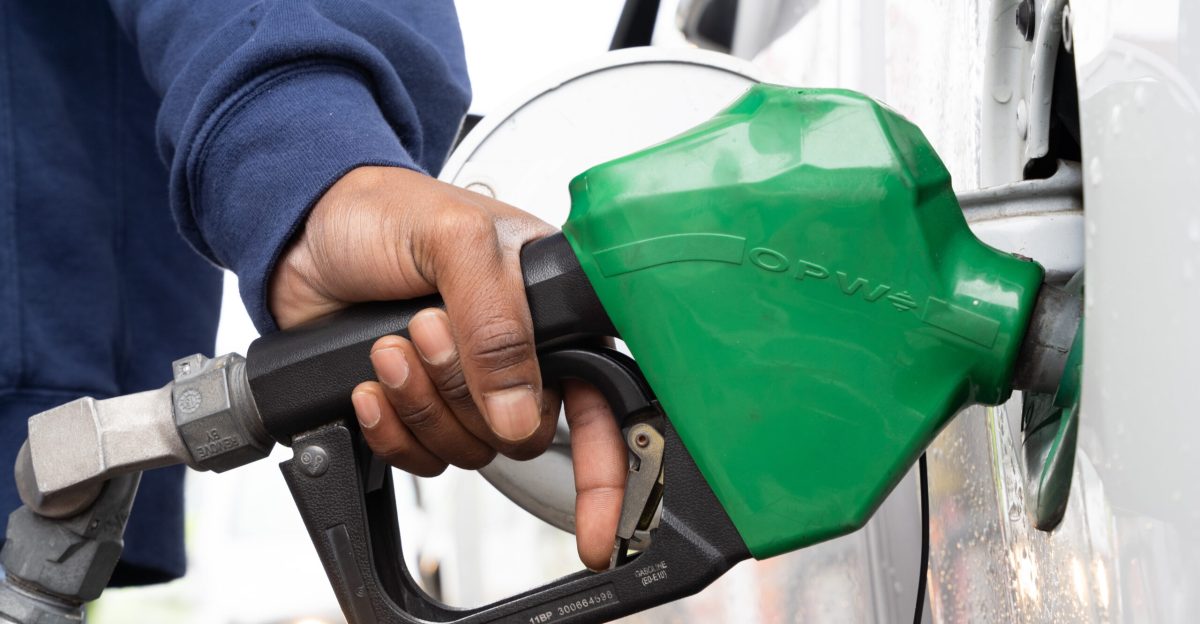
Gasoline prices have remained elevated in early 2026, often exceeding $4.00 per gallon in several regions. This trend places additional strain on households already facing higher vehicle costs. Lower income drivers are especially affected, as they tend to rely on older, less fuel efficient vehicles and longer commutes. Studies from the Institute on Taxation and Economic Policy show these households feel the impact more sharply. Extra monthly fuel expenses are reducing purchasing power, leaving many buyers squeezed from multiple directions at once. That pressure is reshaping how demand appears in the market.
Dealers Moved Before Buyers Arrived
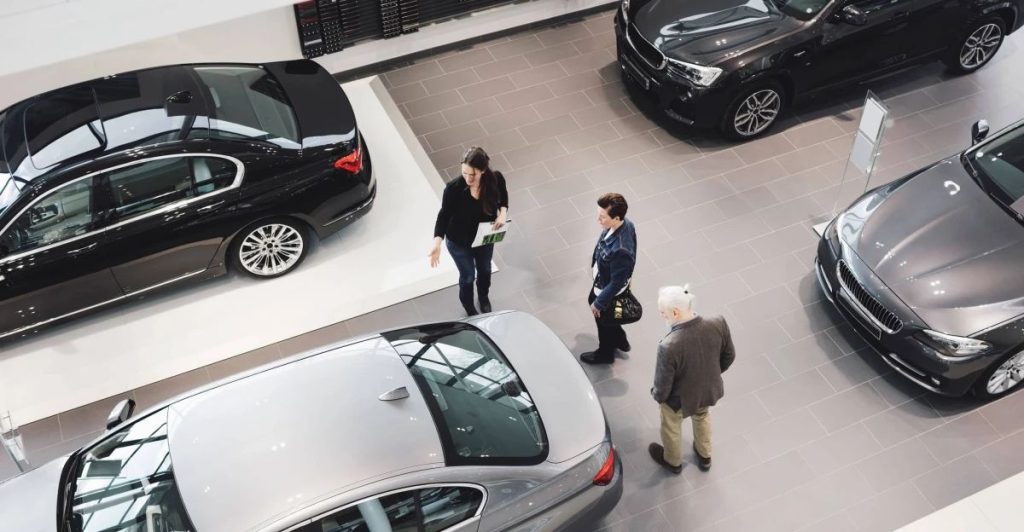
Dealers anticipated the surge in demand well before buyers entered the market. As 2026 began, wholesale prices started rising in preparation for tax season. Jeremy Robb, chief economist at Cox Automotive, explained, “As soon as this year began, prices at Manheim started moving higher as dealers anticipated strong demand from higher tax refunds to consumers.” Early IRS data shows average refunds in the mid $3,000 range, slightly above 2025 levels. That expected influx of cash encouraged aggressive buying behavior at auctions, setting the stage for what followed.
Strong Demand Confirmed At Auctions
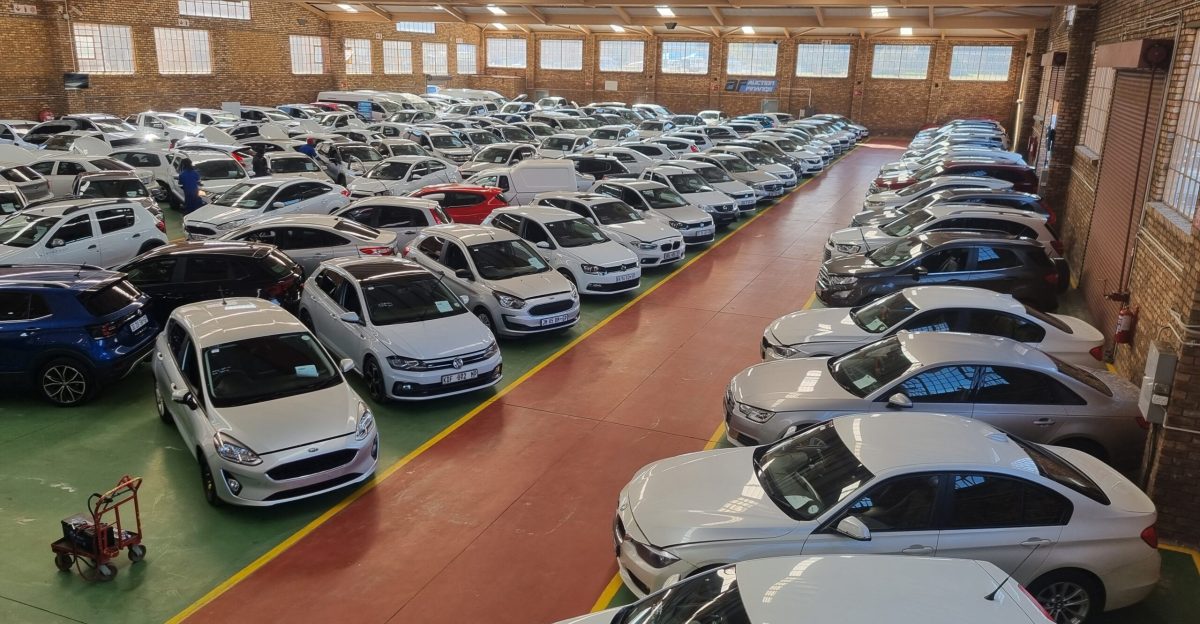
Auction activity in early 2026 confirmed how intense demand had become. Sales conversion rates remained higher than 2025 levels for nearly every week in the first quarter. Robb noted that conversion rates exceeded the previous year “for every week but one in Q1,” signaling that dealers were actively purchasing inventory rather than waiting. This behavior pushed wholesale prices upward before many consumers began shopping. At the same time, the average vehicle age on U.S. roads surpassed 12 years, increasing urgency for replacements. That urgency is now influencing another emerging segment.
The Unexpected Rise Of Used EVs
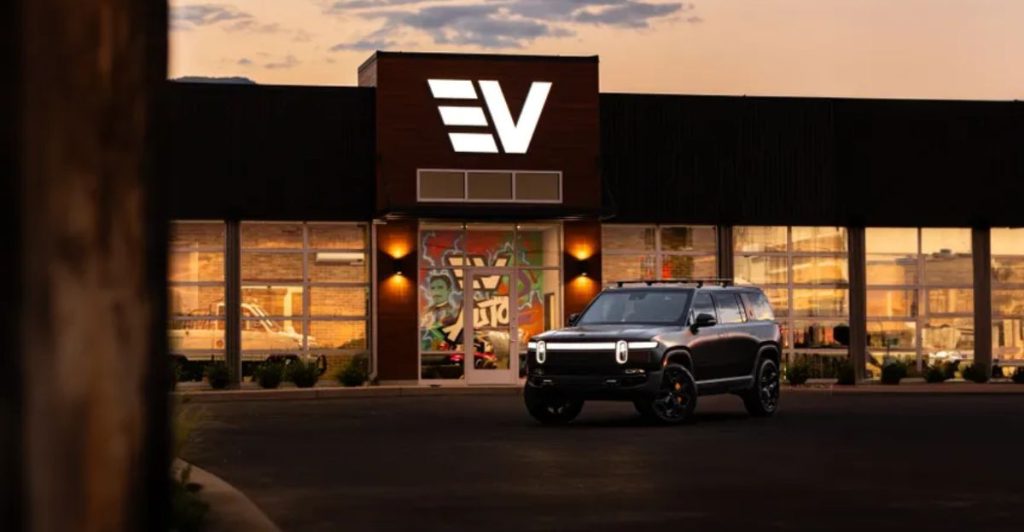
Used electric vehicles are seeing rising interest as fuel prices remain high. In the first quarter of 2026, used EV sales exceeded 100,000 units, one of the strongest performances on record. Lease returns are also increasing, adding more EVs into auctions. Normally, that would push prices down, yet values have held steady or even risen slightly. Buyers are showing more confidence in battery life and long term ownership. Dealers are capitalizing on this moment, but a larger wave of supply is still expected to arrive later this year.
The Hidden System Behind Pricing
Modern pricing systems are quietly shaping what buyers pay. Many dealerships now rely on data driven tools that track auction results, regional demand, and seasonal patterns in real time. These systems can adjust pricing before consumers even begin searching. When signals point to rising demand, such as larger tax refunds, dealers increase bids at auctions early. This creates a market that reacts ahead of buyers rather than after them. The result is a pricing environment that feels fast moving and difficult to predict, especially for budget focused shoppers.
What Comes Next For Used Car Buyers
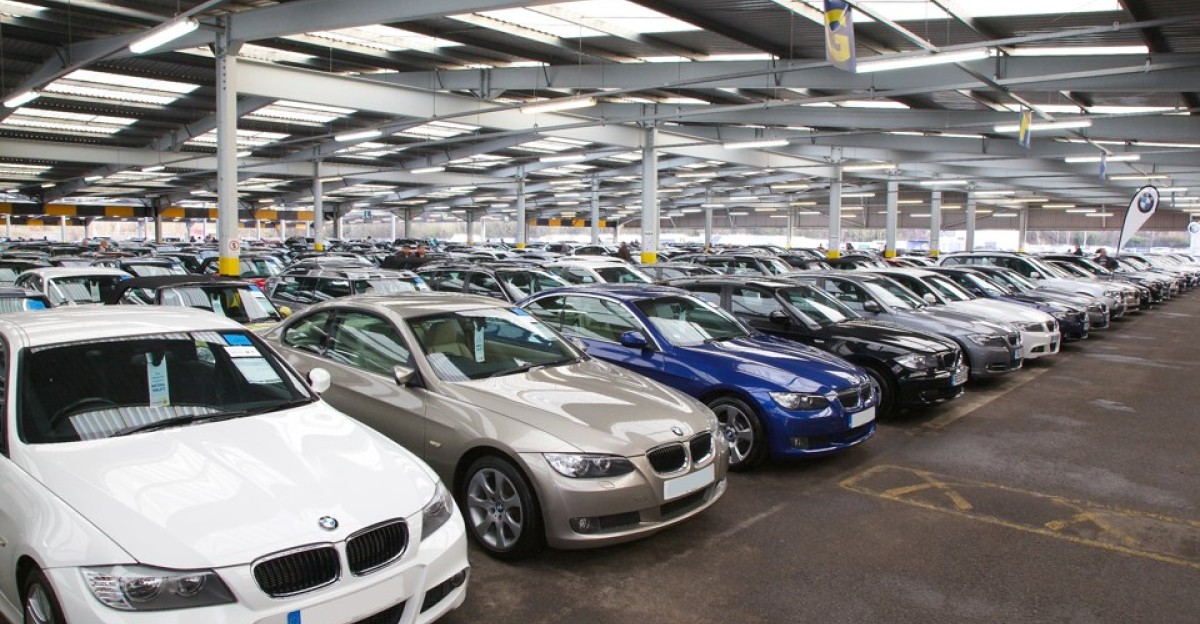
The rest of 2026 may bring some relief, but not evenly across the market. Analysts expect wholesale prices to soften later in the year as tax season demand fades and more off lease vehicles enter circulation. However, high new car prices are likely to persist, continuing to push buyers toward used options. Affordable vehicles may remain limited even as overall supply grows. For buyers, understanding these forces explains why prices remain elevated. The next shift may not be a sudden drop, but a gradual change shaped by supply returning.
Sources:
Manheim Used Vehicle Value Index March 2026 Report. Cox Automotive, April 2026
Average New Car Prices Reach Record Levels. Kelley Blue Book, 2025
State of the Automotive Finance Market Q1 2026. Experian, March 2026
Used Vehicle Market Report Q1 2026. CarGurus, April 2026
Auto Market Outlook 2026. Cox Automotive, February 2026
U.S. Vehicle Age Hits Record High. S&P Global Mobility, 2025
Electric Vehicle Market Trends and Lease Maturities. S&P Global Mobility, March 2026