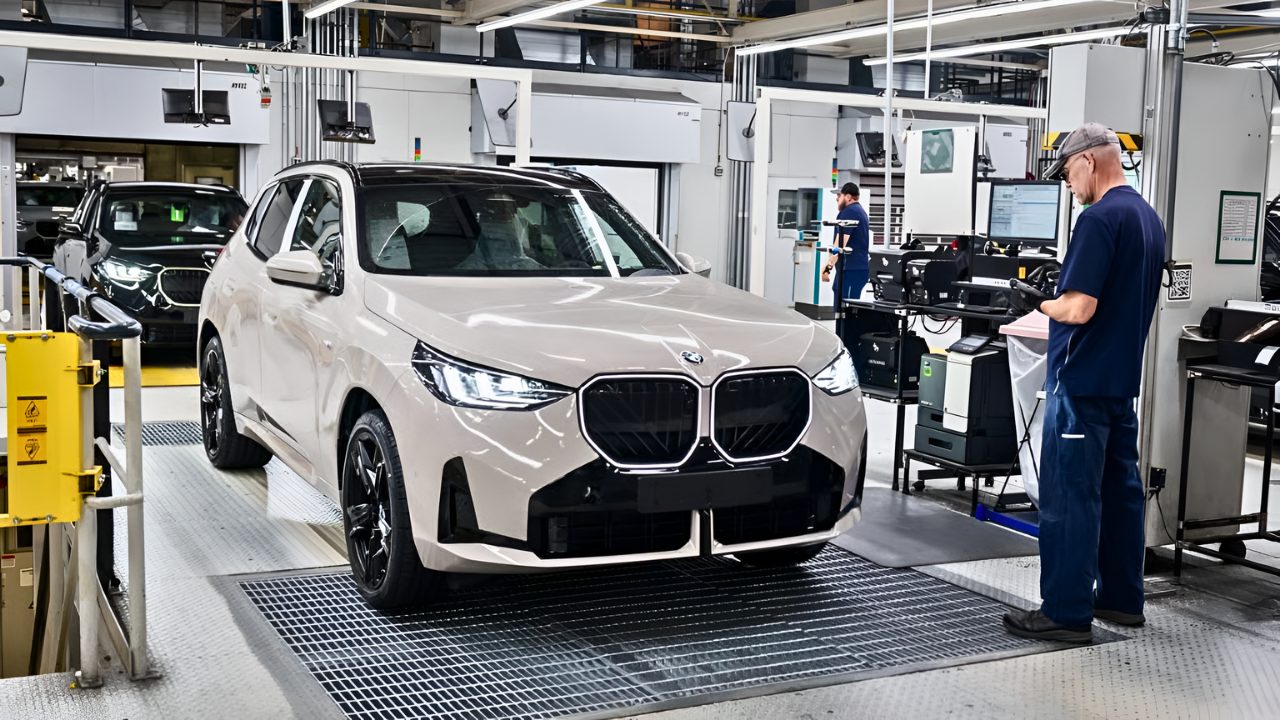
US Tariffs and EVs Bury BMW’s Most Iconic Parts Tuner After 39 Years
A legendary BMW tuning name is shutting down after nearly four decades. AC Schnitzer, founded in 1987 in Aachen, Germany, built its reputation on transforming BMW models into sharper, faster machines. From its ACS7 debut at the Frankfurt Motor Show to full vehicle builds, the brand became a staple across global enthusiast circles. In March 2026, parent company KOHL Group confirmed operations will end by December 31, 2026. The decision reflects deeper structural challenges that stretch far beyond a single company, pointing toward forces reshaping the entire aftermarket world.
How AC Schnitzer Built Its Reputation
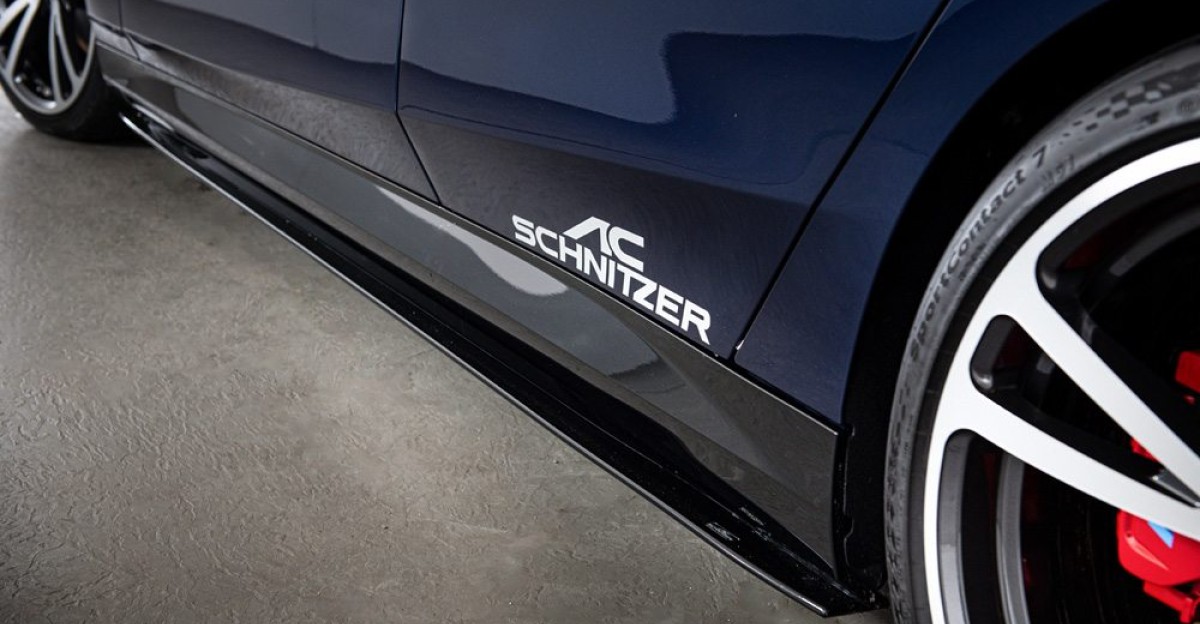
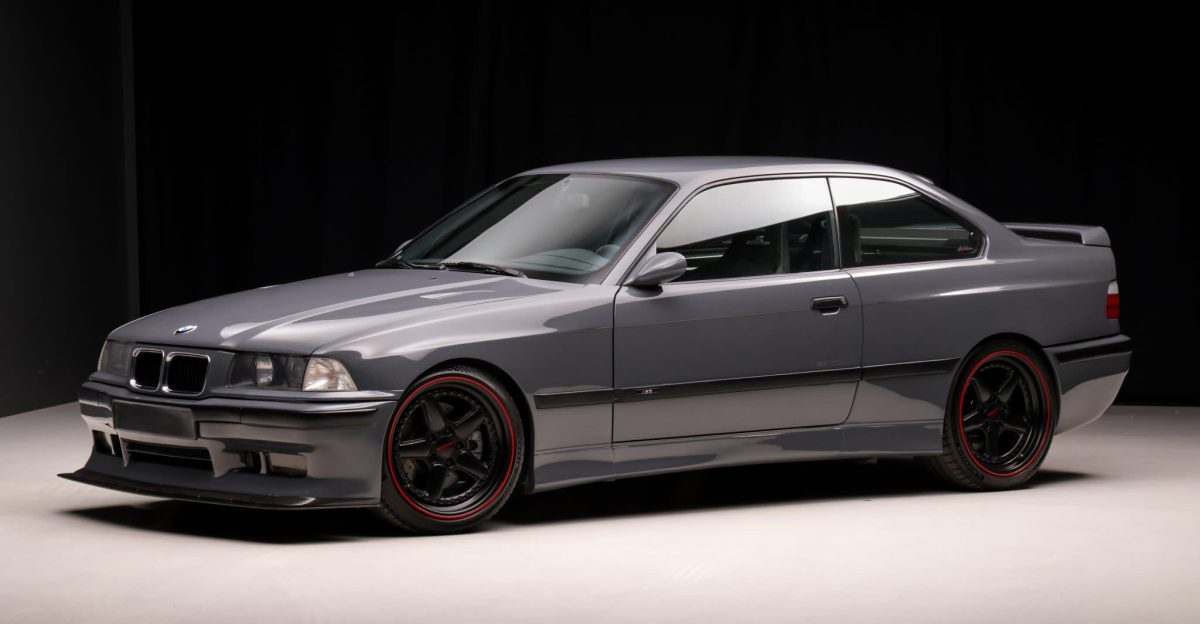
AC Schnitzer emerged from a partnership between Willi Kohl’s dealership network and Herbert Schnitzer’s motorsport success in DTM racing. Early credibility came from racing BMW E30 M3s and endurance events like the Nürburgring 24 Hours. Through the 1990s and 2000s, the company expanded into engine tuning, suspension systems, exhaust upgrades, and aerodynamic kits across nearly every BMW generation. It also developed complete builds, including V8-swapped projects and performance-focused sedans. This blend of motorsport heritage and road innovation created a loyal following that would later prove difficult to sustain.
The Executive Behind The Decision
The closure decision came from managing director Rainer Vogel, who framed it as a necessary step for long-term stability. “Making a rational decision regarding a business segment that is so emotionally charged is not easy, but as a family-owned business, we always think in terms of the entire Kohl Group and its stable future,” Vogel said in March 2026. His statement highlights the balance between heritage and financial reality. For a company rooted in passion, the reasoning signals that deeper pressures had already reshaped the business landscape long before this announcement.
The Real Reason Behind The Shutdown
Vogel pointed directly to Germany’s regulatory delays, stating, “If we can only bring aftermarket parts to market eight or nine months after the competition, that speaks for itself.” That delay creates a critical disadvantage when new BMW models launch and buyers act quickly. Competitors outside Germany reach customers faster, capturing demand before approval processes conclude. This structural lag proved more damaging than any single external factor, setting the stage for a gradual loss of competitiveness.
Economic Pressures That Added Up
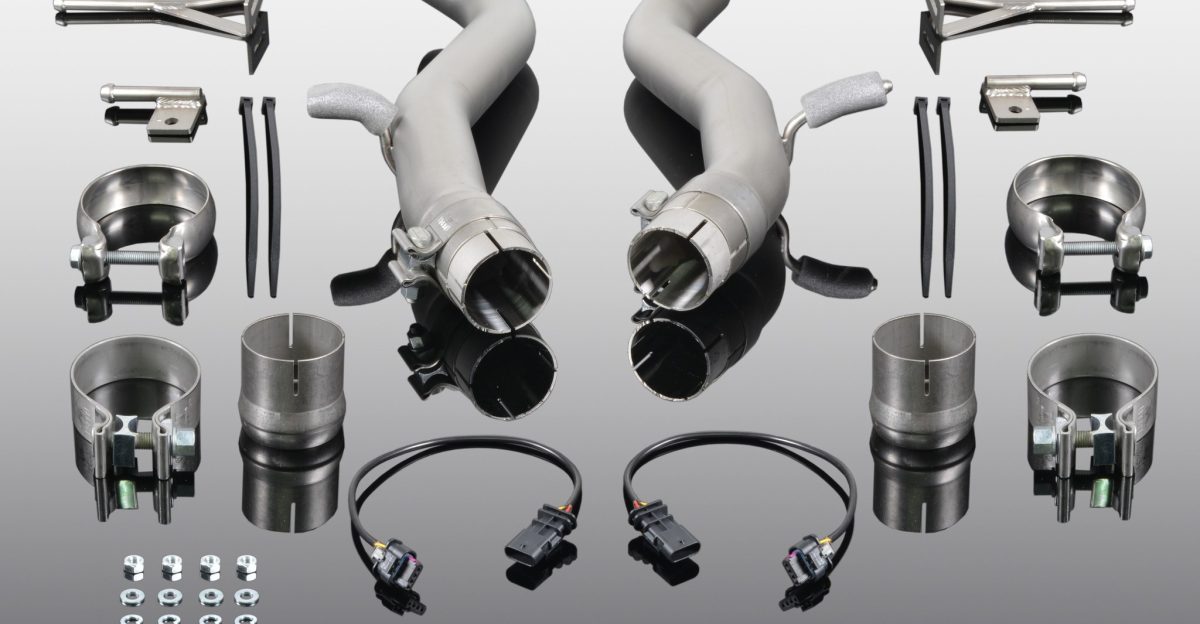
Beyond regulation, multiple economic forces compounded the strain. The KOHL Group cited US tariffs on imported parts, rising raw material costs, volatile exchange rates, and supplier failures as ongoing challenges. Germany’s economy also faced four consecutive years of contraction, reducing discretionary spending on performance upgrades. Enthusiast tuning relies heavily on optional purchases, making it sensitive to downturns. These overlapping pressures created a difficult environment where margins tightened and demand weakened at the same time, pushing the business toward a tipping point that became impossible to ignore.
A Changing Audience And Culture
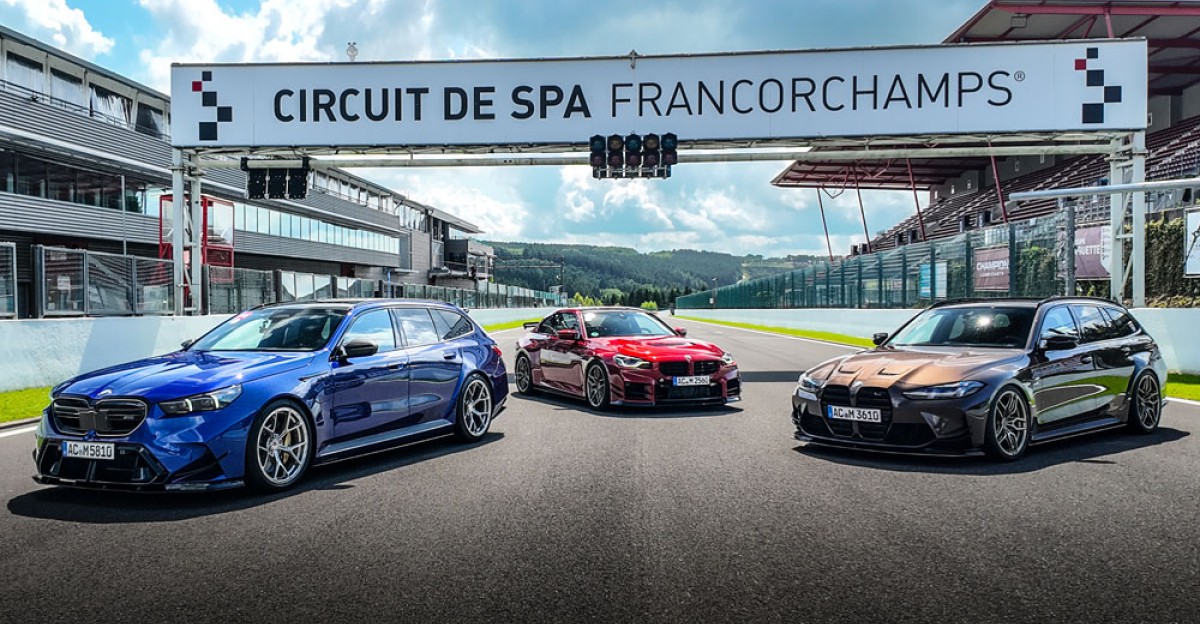
Another factor came from shifting customer behavior. Vogel acknowledged, “We have not succeeded in inspiring young customers to enjoy sporty driving with our brand to the same extent as their fathers’ generation did.” The KOHL Group also noted that media portrayals often label aftermarket buyers as “eccentrics or posers.” This perception narrowed the audience for tuning culture, especially among younger drivers. As interest declined, the pipeline of new customers weakened, leaving established brands with fewer buyers willing to invest in performance upgrades, even before technological changes began altering the market further.
The EV Shift Reshaping Tuning
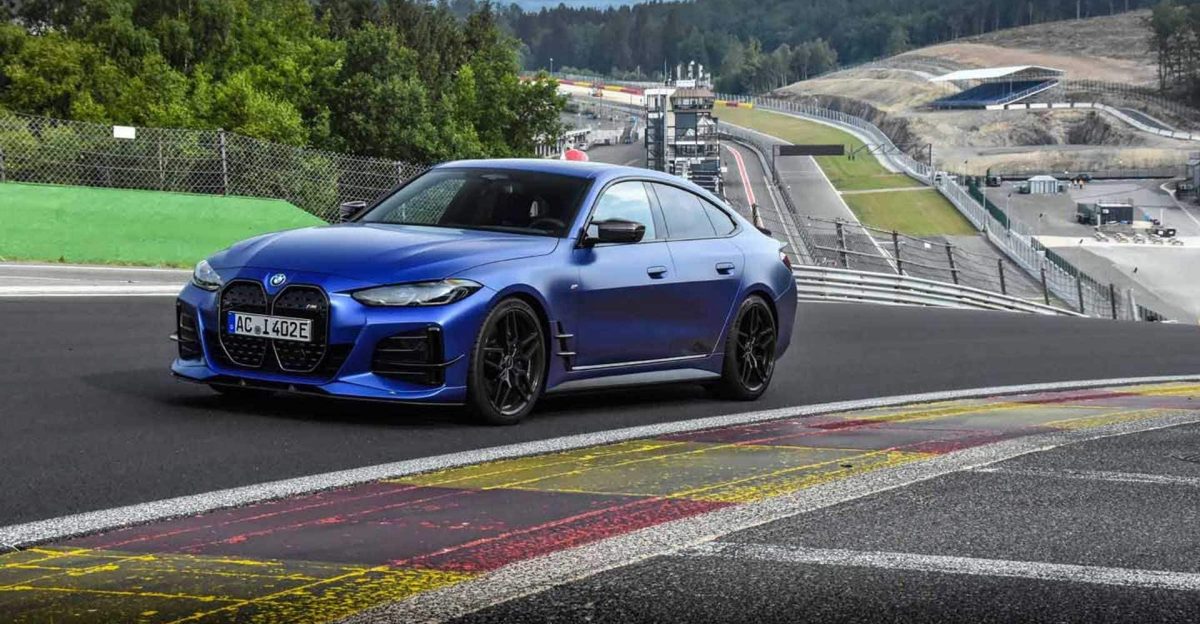
Electric vehicles introduced a deeper transformation. Traditional tuning thrives on combustion engines, focusing on power gains, sound, and mechanical response. As EV adoption increases, those elements become less relevant. AC Schnitzer did develop parts for hybrid and electric models, yet the demand remains smaller compared to combustion platforms. Enthusiasts have not embraced EV modification at the same scale, limiting revenue potential. This transition reduces the size of the traditional aftermarket space, raising a broader question about how performance culture will evolve as automakers accelerate electrification worldwide.
What Happens Before The Final Shutdown
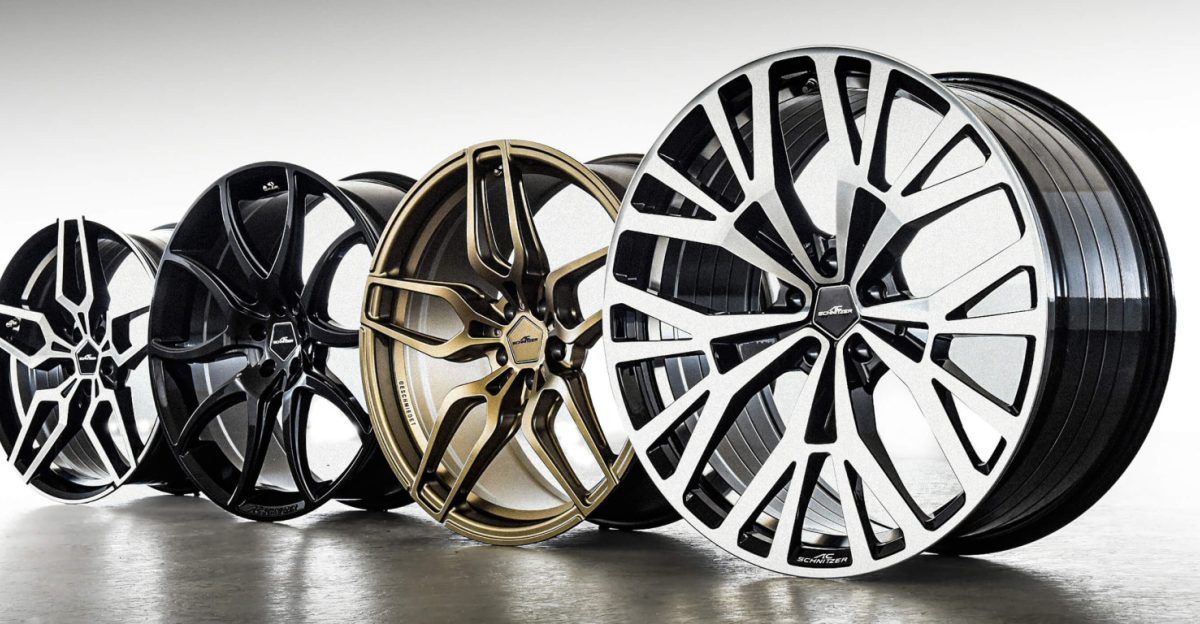
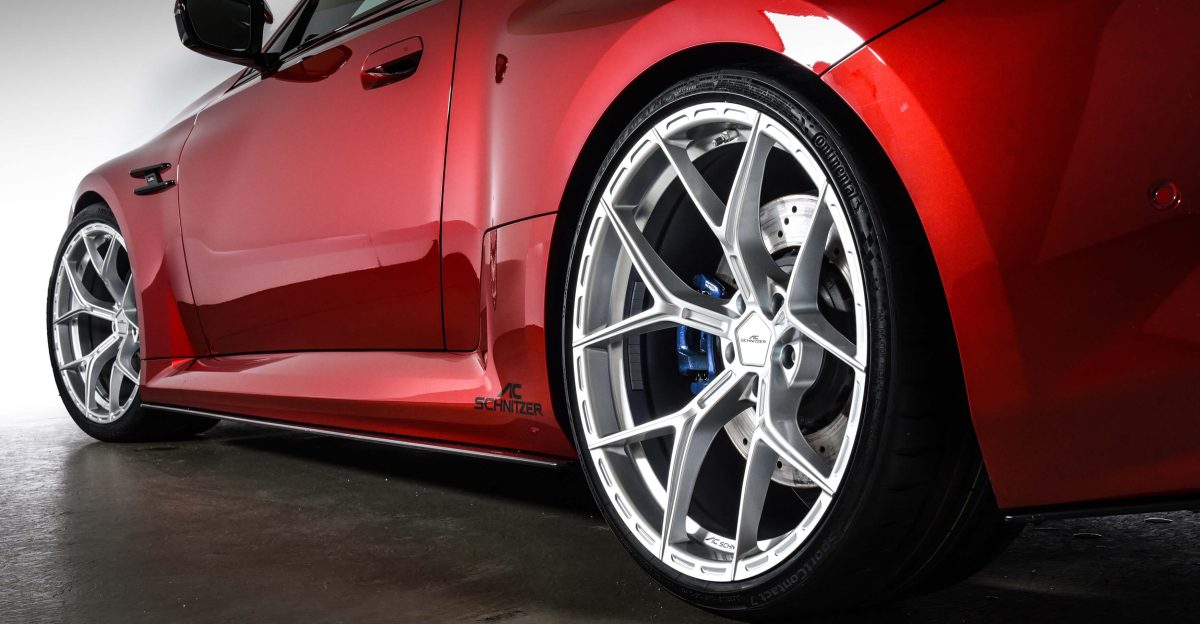
The wind-down will follow a structured timeline through December 2026. Production stops, while existing inventory continues to sell throughout the year. Products include wheels, exhaust systems, suspension kits, and aerodynamic components across BMW, MINI, and select other models like the Toyota GR Supra. Warranty and after-sales support will continue beyond 2026, ensuring existing customers retain coverage. This approach avoids a sudden collapse and allows a controlled exit from the market, though it also signals that remaining stock represents the final opportunity for buyers to access original components.
The Global Ripple Effect Begins
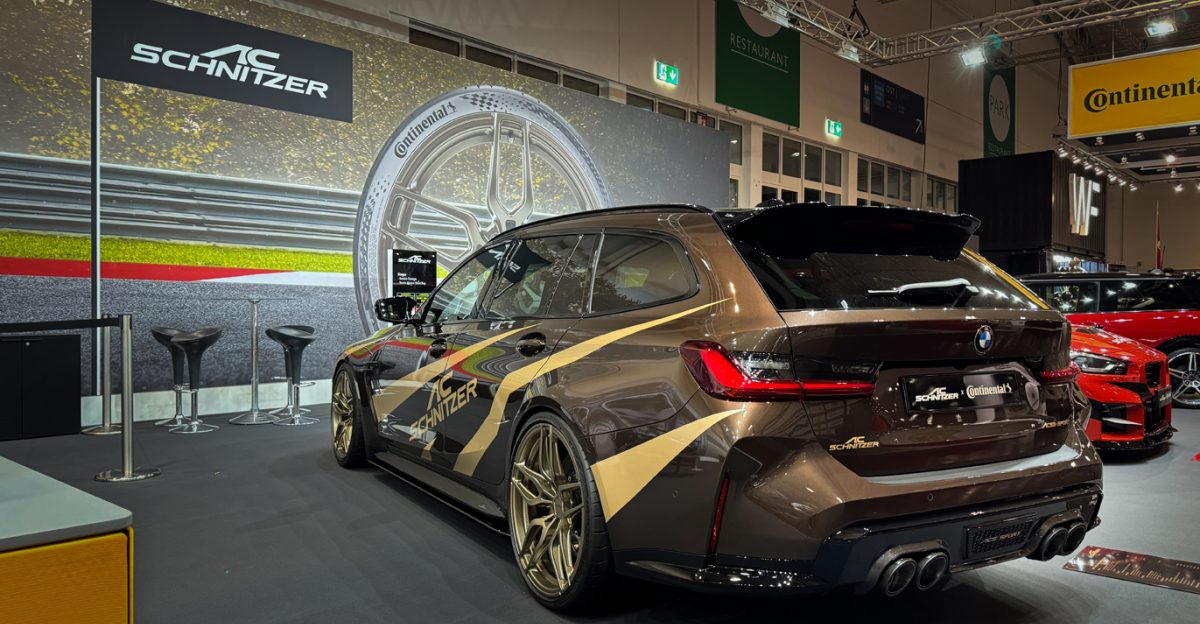
The closure affects more than one company. BMW dealerships lose a premium aftermarket revenue stream that required no in-house development. Independent workshops must shift to alternative suppliers, often at higher cost. In the United States, distributor Tuner Source LLC in Miami loses its primary product line. Employees in Aachen face uncertainty as operations wind down. Across Europe, the exit removes one of the longest-running specialists, concentrating demand among fewer competitors. These changes highlight how one shutdown can ripple through an entire ecosystem tied closely to a single brand.
What Comes Next For The Brand
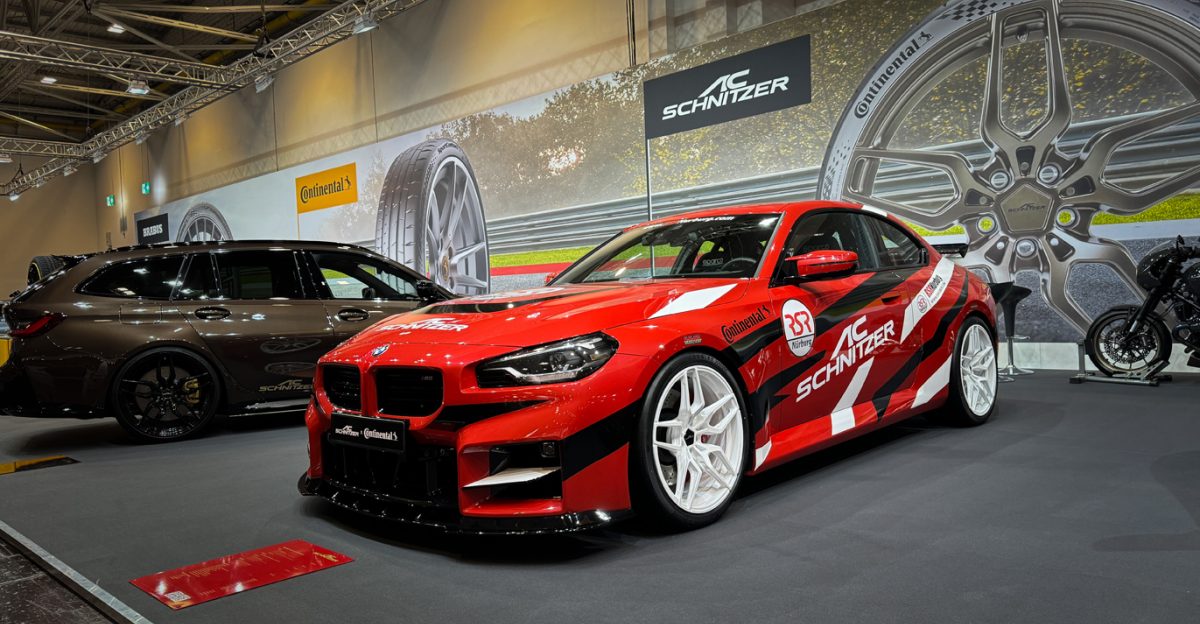
The story may not end completely. The KOHL Group confirmed ongoing discussions with potential buyers interested in acquiring the AC Schnitzer name. A sale could allow the brand to continue under new ownership, possibly outside Germany to avoid regulatory constraints. If no deal emerges, the company’s 39-year legacy will conclude at the end of 2026. Either outcome reflects a turning point for the tuning industry, where tradition, regulation, and technology now collide in ways that will shape which names survive in the years ahead.
Sources:
BMW tuner AC Schnitzer will shut down at the end of 2026. Top Gear, March 19, 2026
AC Schnitzer Is Shutting Down After 39 Years. BMW Blog, March 19, 2026
AC Schnitzer Is Closing Up Shop Amid Hard Times. Road & Track, March 19, 2026
Longtime BMW Tuner Blames Closure on Bureaucracy, Logistics, and Failing to Inspire the Youth. The Drive, March 19, 2026
BMW tuner AC Schnitzer will shut down by end of 2026. CarExpert, March 21, 2026
AC Schnitzer Tunes Out After Almost 40 Years. Hagerty Media, March 23, 2026
AC Schnitzer — Wikipedia (founding and corporate details)