US EV Searches Jump 20% in Days as Gas Hits Highest Price in 3 Years
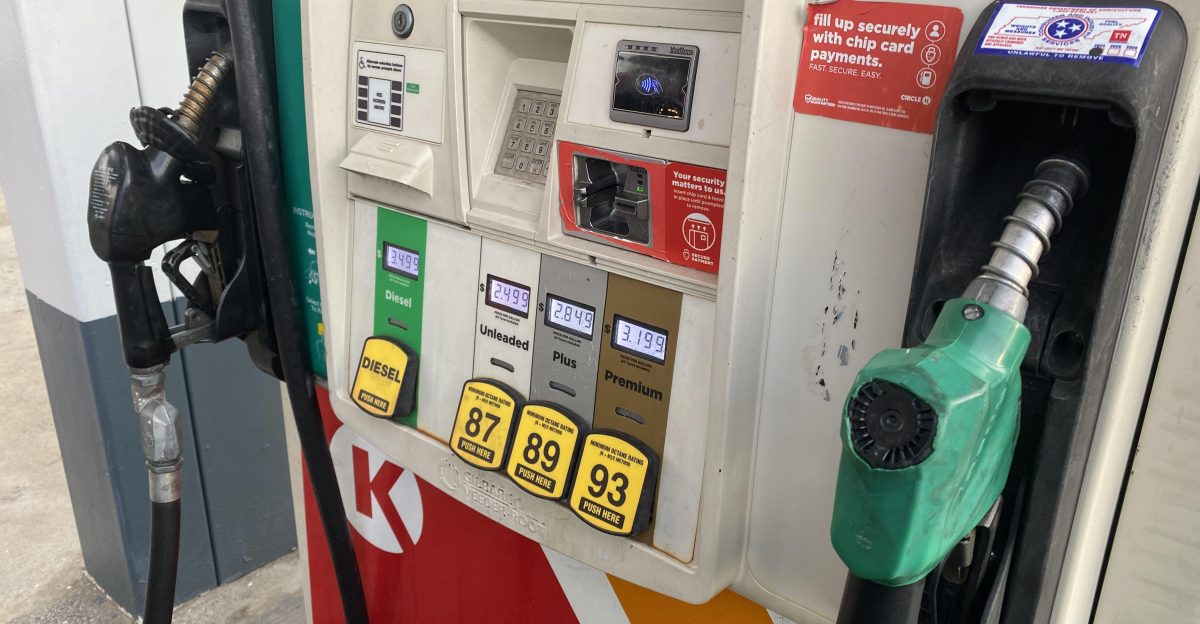
US gasoline prices have surged to $3.956 per gallon, the highest level in nearly three years, as the Iran-Israel conflict disrupts global oil supplies. This dramatic price jump occurred just three weeks after hostilities began, immediately impacting American household budgets nationwide. The increase reflects growing concerns about oil flow through the Strait of Hormuz, a critical waterway where approximately 20% of the world’s oil passes. Drivers across the country are suddenly facing significantly higher costs at the pump, creating immediate financial pressure that is reshaping daily transportation decisions and sparking urgent searches for alternatives to traditional gasoline-powered vehicles.
Strait of Hormuz Disruption Fuels Price Surge

The crisis stems directly from military actions affecting the Strait of Hormuz, where Iran has restricted access to this vital maritime chokepoint. As tankers encounter delays and insurance costs rise due to heightened tensions, the global oil market has tightened substantially. This restriction has pushed wholesale gasoline prices upward, transmitting cost increases to American consumers almost immediately. Energy analysts note that any disruption to this strategic waterway creates ripple effects throughout global energy markets, with the current situation representing one of the most significant supply concerns since previous regional conflicts. The geopolitical instability has transformed what was once a steady fuel cost into a volatile household expense.
AAA Confirms National Average Above $3.95
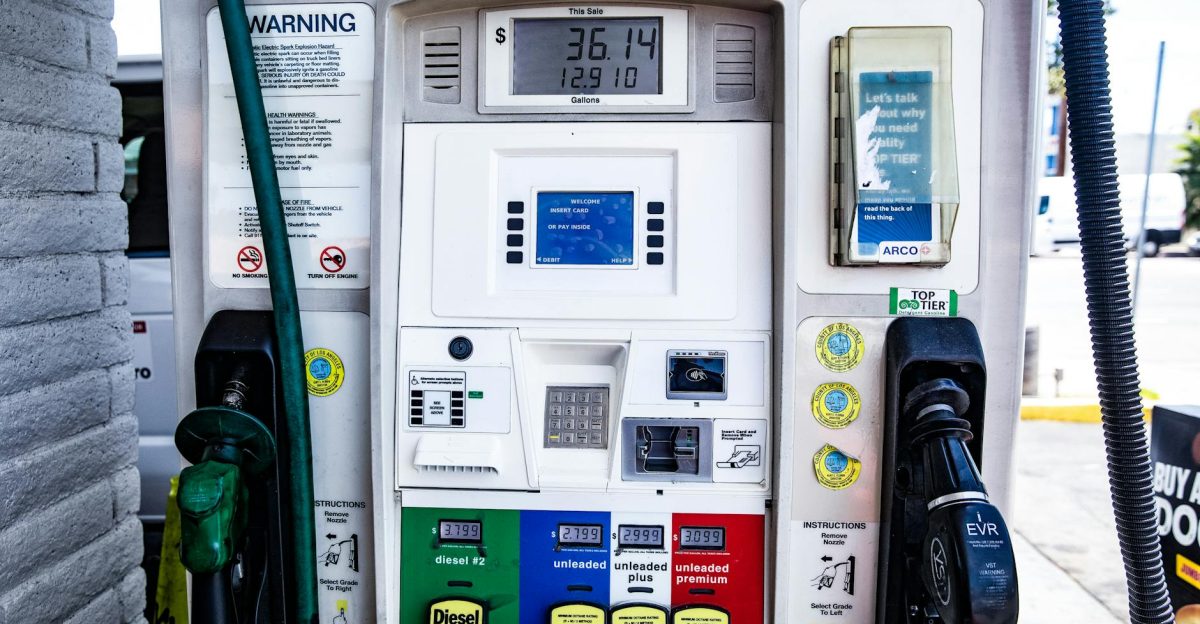
According to AAA data, the national average price for regular gasoline reached $3.90 on Friday before climbing further to $3.956 as of March 23, 2026, marking a substantial and continuing increase from previous weeks. This figure represents the highest pump prices seen since 2023, creating immediate concern for American households already managing inflation pressures in other budget areas. In regions particularly sensitive to Middle East oil disruptions, prices have climbed even higher than the national average, intensifying the economic impact. The sudden increase has ended any period of relative price stability at the pump, forcing consumers to rapidly adjust their weekly fuel budgets and reconsider transportation choices that were previously based on more predictable gasoline costs.
Electric Vehicle Searches Jump 20%

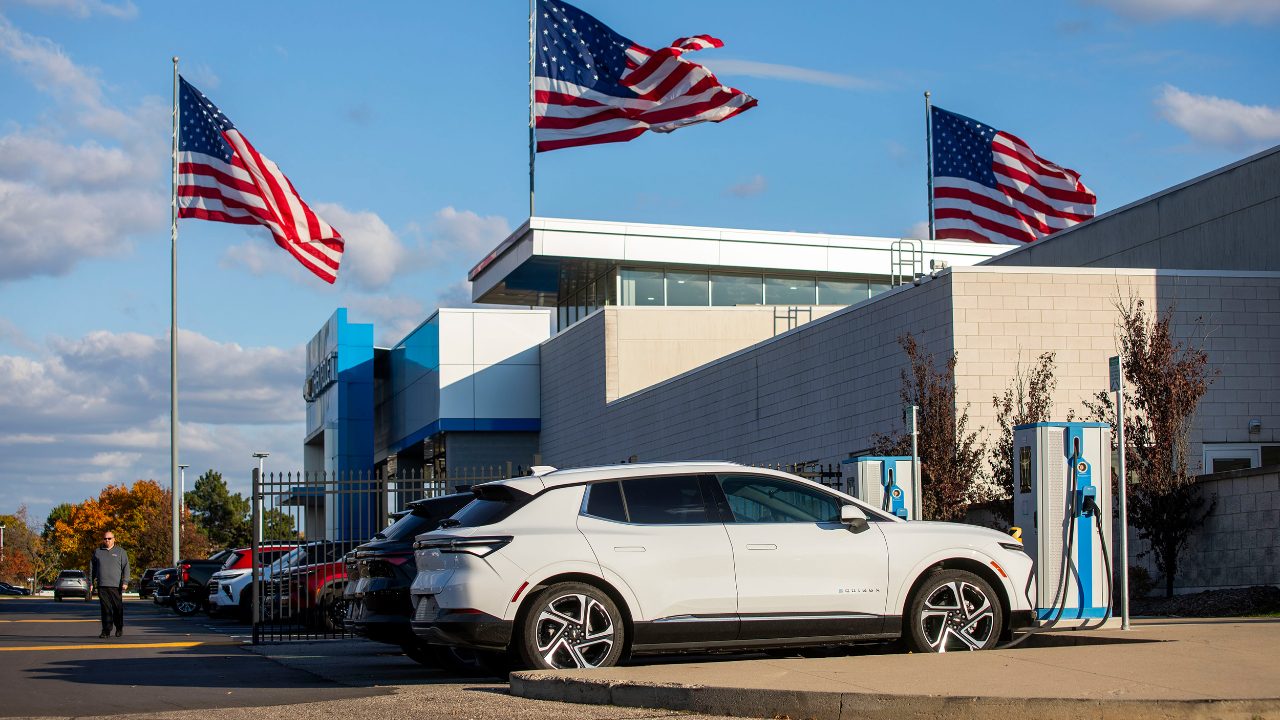
Consumer behavior has shifted rapidly in response to the price surge, with CarEdge reporting a 20% increase in searches for electric vehicle models since the conflict began three weeks ago. This significant uptick in online research indicates that Americans are actively exploring alternatives to gasoline-powered vehicles as they seek protection from the volatility that now characterizes their weekly fuel expenses. The timing of this increase aligns precisely with the onset of hostilities, suggesting a direct correlation between geopolitical events and consumer interest in electrified transportation. Dealerships and online automotive platforms have reported corresponding increases in inquiries about EV specifications, charging infrastructure, and total ownership costs compared to traditional vehicles.
Expert Notes Gas Price Volatility Concerns
Automotive analyst Jessica Caldwell of Edmunds observes that “gas price volatility is top of mind for car buyers” in the current environment, noting that many consumers are researching electric vehicles specifically as a strategy to avoid unpredictable fluctuations at the pump. Caldwell, who tracks consumer sentiment through Edmunds’ regular surveys, emphasizes that the psychological impact of price instability often drives purchasing decisions more than absolute price levels. Her research shows that when consumers perceive fuel costs as uncontrollable and likely to remain volatile, they become significantly more receptive to considering alternative powertrains that offer greater predictability in operating expenses, even if upfront costs remain higher.
Used EVs Becoming More Accessible

The affordability outlook for electric vehicles is improving for budget-conscious buyers, with Caldwell pointing out that “you can find a used EV under $30,000 which is quite reasonable compared to the prices of new vehicles.” Specific models gaining attention include used Teslas, Chevrolet Equinoxes, and Nissan Leafs, which are now entering the used market in greater numbers as early adopters upgrade or lease terms expire. This trend represents a significant shift from just a few years ago when used EV options were limited and often carried premium prices. The growing availability of pre-owned electric vehicles is beginning to create genuine alternatives for middle-income Americans seeking to reduce their gasoline dependence without taking on new vehicle premiums.
EV Market Share Faces Challenges
Despite growing interest, electric vehicles represented 8.1% of all car sales in 2024, a slight increase from 7.8% the previous year, yet continue to attract primarily wealthier segments of the population. This statistic highlights the ongoing affordability barrier that prevents broader adoption across different income groups, even as gasoline prices create stronger economic incentives for electrification. Industry analysts note that while fuel savings can be substantial over time, the higher upfront cost of electric vehicles remains a significant obstacle for many consumers, particularly when combined with concerns about charging infrastructure availability and battery longevity in various climate conditions.
Vehicle Ownership Costs Rising Sharply

The economic calculus of vehicle ownership has become substantially more challenging in recent years, with Edmunds data showing the average transaction price for a new vehicle reached $48,766 in February 2026 compared to $45,596 in February 2022. Simultaneously, average loan APRs jumped from 4.4% to 7.0% over the same period, pushing monthly payments from $656 to $775 for typical financing arrangements. These increases mean that switching vehicles, whether to electric or remaining gasoline-powered, represents a major financial decision for most American households. The combination of higher vehicle prices and financing costs has created additional complexity in consumer decision-making processes during periods of fuel price volatility.
Used EV Supply Expected to Grow
A potential supply-side shift is emerging as Edmunds reports that while internal combustion vehicles made up 93% of expected lease returns in 2025, that share is projected to fall to just 82% in 2026. This change means a growing wave of used electric vehicles will soon enter the market, potentially providing more affordable options for cost-conscious consumers seeking alternatives to gasoline-powered transportation. The increasing availability of off-lease EVs is expected to put downward pressure on used electric vehicle prices over the coming months, making them accessible to a broader range of buyers. This trend could accelerate if gasoline prices remain elevated, creating stronger demand for fuel-efficient alternatives.
Persistent Prices May Trigger Tipping Point
Industry analysts suggest that if the elevated gas prices persist beyond the immediate crisis period, there may be a tipping point where more consumers seriously consider electrification for their next vehicle purchase. However, this transition faces headwinds from automaker priorities that continue to favor larger, less fuel-efficient SUVs and pickup trucks, which generate higher profit margins. Additionally, policy challenges persist, with some administrations attempting to hinder EV growth through regulatory changes while others push for greater adoption. The coming months will likely determine whether current high gas prices represent a temporary spike that triggers short-term interest or a sustained shift that accelerates America’s gradual transition toward electric transportation.
Sources
“Daily Fuel Gauge Report.” AAA, March 23, 2026.
“Amid Regional Conflict, the Strait of Hormuz Remains Critical to Global Energy Markets.” U.S. Energy Information Administration, March 2026.
“Car Shoppers Paying More Attention to EVs as Gas Prices Keep Rising.” Edmunds, March 2026.
“Rising Gas Prices from Iran Conflict Drive More Americans to Search for EVs.” CBT News, March 2026.
“Electric Vehicle Sales Jump Higher in Q4, Pushing U.S. Sales to a Record High.” Cox Automotive/Kelley Blue Book, 2025.