UPS Tried To Gut 30,000 Jobs Alone—37 Local Unions Forced A $1.1B Deal For Drivers
UPS announced in January 2026 that it would eliminate up to 30,000 operational positions and shutter 24 facilities in what the company called the largest network reconfiguration in its history. That’s roughly 8% of its entire U.S. workforce, gone in a single calendar year. The company developed its Driver Choice Program behind closed doors, according to court filings, rolling it out without a single conversation with the Teamsters. Corporate headquarters treated it as a done deal. The nearly 37 local unions that filed grievances across 13 states had a different opinion, and the settlement that followed — capping potential severance at up to $1.125 billion — tells you who won.
Built Behind Closed Doors
UPS CFO Brian Dykes announced the cuts during the Q4 2025 earnings call on January 27, framing them as a response to declining Amazon shipping volume. The company then pivoted to the Driver Choice Program in early February, setting enrollment windows from February 13 through March 12 and scheduling separation dates for April 26. The Teamsters had submitted multiple information and bargaining requests before the rollout. UPS ignored every single one. The company pursued its buyout scheme as a unilateral corporate initiative, treating union input as optional. That miscalculation would cost them dearly.
Your Package Gets More Expensive
The settlement caps severance at 7,500 long-haul feeder drivers and Regular Package Car Drivers, each eligible for up to $150,000 based on seniority. That math lands at up to $1.125 billion in total potential separation costs. UPS absorbs that figure while simultaneously losing experienced drivers who know routes, handle volume surges, and train replacements. The operational drag hits delivery networks first. Fewer veteran drivers means slower sorts, more misroutes, and rising per-package costs that UPS will pass downstream. The consumer absorbs the inefficiency before they ever hear the word “settlement.”
Competitors Smell Blood
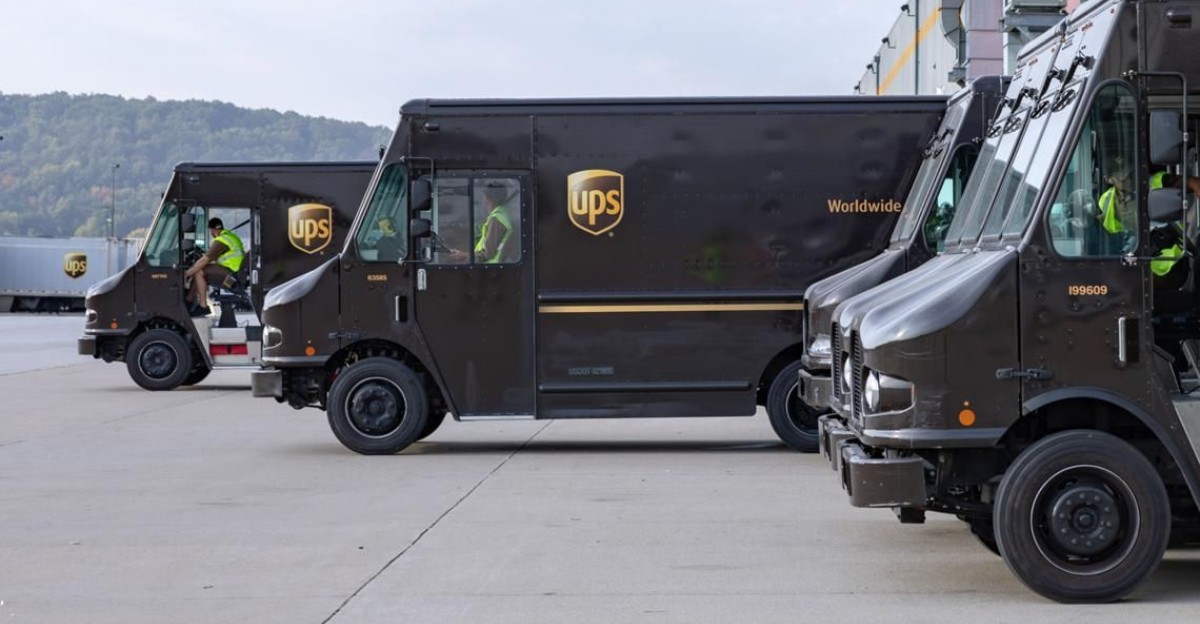
UPS froze additional buyout programs through July 31, 2028, the same date the Teamsters National Master Agreement expires. That means the company cannot restructure its driver workforce for over two years while competitors face no such constraint. FedEx and Amazon’s logistics arm can adjust headcount freely. UPS locked itself into a workforce configuration during a period of rapid delivery market evolution. The settlement protected 7,500 drivers, but it also handed every rival a two-year window to outmaneuver UPS on cost structure. That competitive math changes the entire shipping industry’s calculus.
The Amazon Domino Nobody Expected
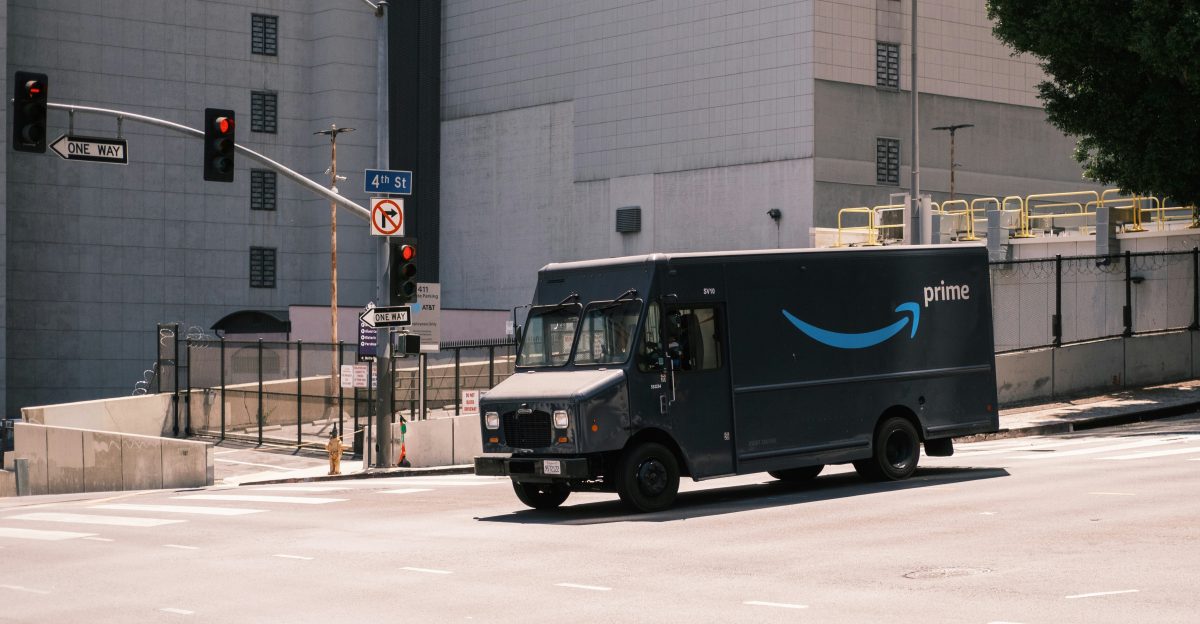
Amazon’s volume reduction triggered UPS’s original restructuring plan. Now Amazon Labor Union-International Brotherhood of Teamsters Local 1 is watching this settlement as a live blueprint. If coordinated grievances forced UPS to negotiate a deal worth up to $1.125 billion, Amazon’s own warehouse and delivery workers have a template. The Teamsters already represent the newly chartered Amazon local. Same union. Same playbook. Different target with a far larger workforce. One settlement just became a proof of concept for organizing the biggest logistics employer on the planet.
The Grievance Machine That Won
Here’s what connects every ripple: the grievance system worked when the courts didn’t. On February 20, 2026, Judge Denise J. Casper denied the Teamsters’ emergency injunction, clearing UPS to proceed. The legal path was open. In the weeks that followed, nearly 37 local unions filed coordinated grievances across the Central Region, covering 68,000 members from Nebraska to Ohio. By March 24, UPS withdrew the DCP from all 13 states. Courts. Injunctions. Federal judges. None of it stopped the program. Local unions filing paperwork did. That’s the mechanism corporate America should be studying.
A Driver Speaks the Quiet Part
Teamsters President Sean M. O’Brien put it bluntly: “UPS never had the contractual right to unilaterally offer driver buyouts, but with enough pressure and member solidarity UPS finally did the right thing by putting its commitments to hardworking Teamsters down in writing.” Read that again. The union’s own president said UPS never had the right. The company spent months designing enrollment windows, scheduling separation dates, marketing buyout packages to drivers. All of it, according to the union that just won, built on a contractual foundation that never existed. The settlement is the receipt.
The New Rules for Corporate Layoffs
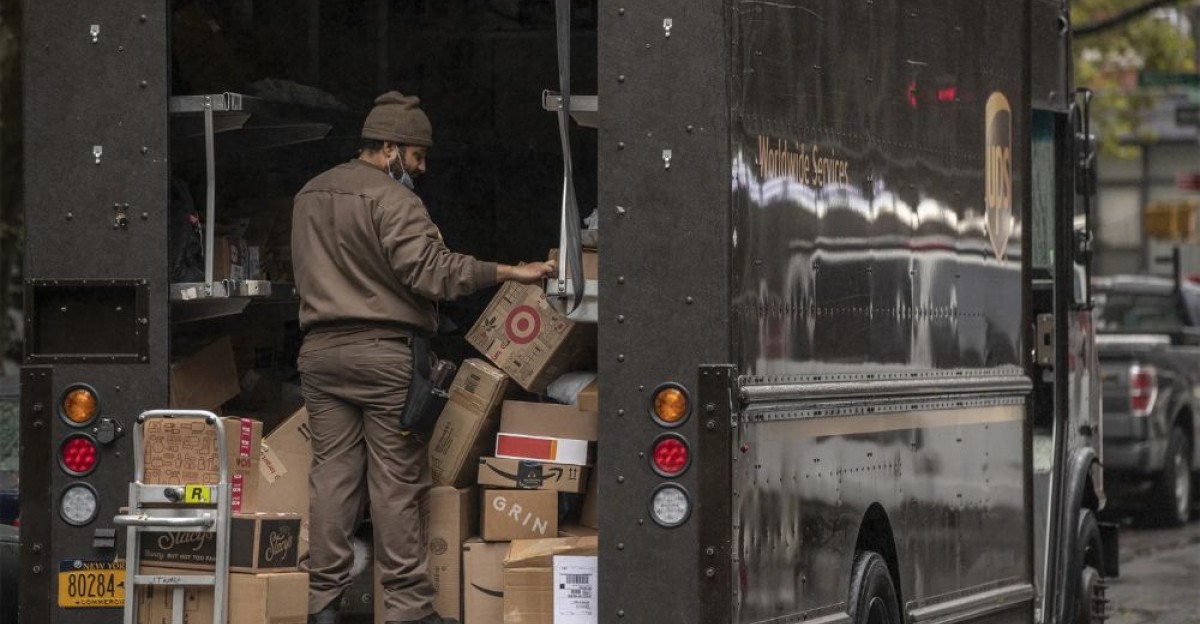
This settlement creates precedent that extends far beyond brown trucks. Marathon Petroleum, ExxonMobil, Chevron, and Phillips 66 all face United Steelworkers contracts with similar grievance mechanisms. Volkswagen’s workforce in Chattanooga recently unionized. Starbucks Workers United has organized hundreds of stores. Every unionized employer in America just watched UPS lose a unilateral restructuring fight despite winning in federal court. The lesson: a court victory doesn’t override coordinated labor action. That rewrites the playbook for every corporate restructuring planned in the next decade. Once you see it, the pattern is everywhere.
Winners, Losers, and the 2028 Clock
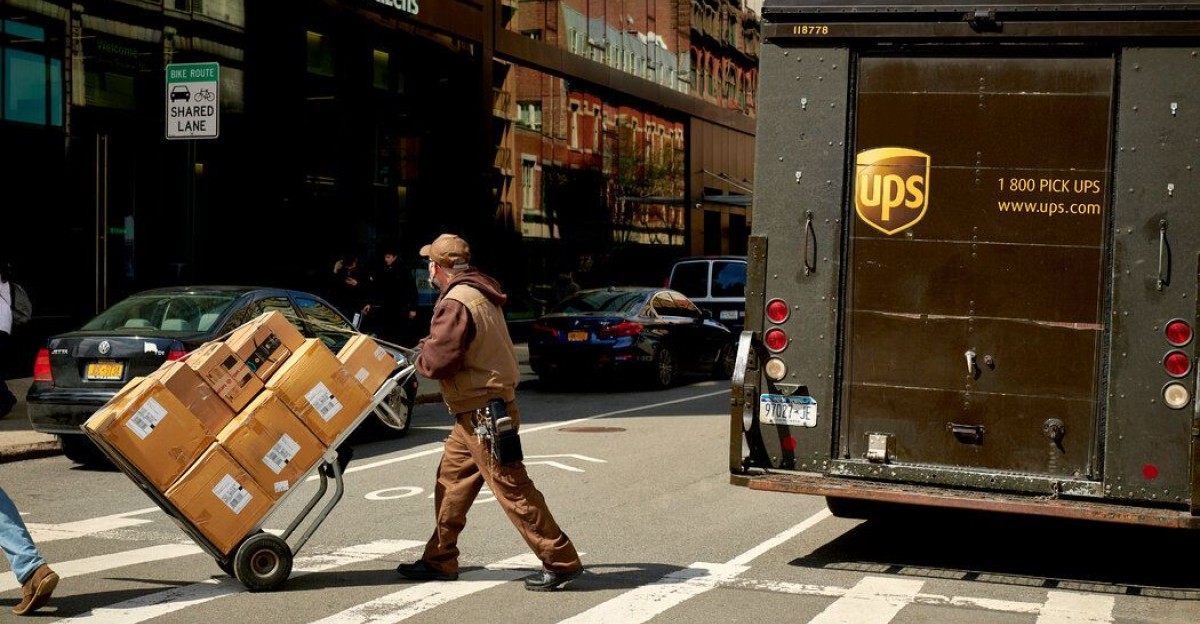
Winners: 7,500 drivers with seniority-based severance offers of up to $150,000 each and every unionized worker watching this as a template. Losers: UPS shareholders facing up to $1.125 billion in potential separation costs while the company’s restructuring timeline freezes until July 2028. The deeper loser: any corporation that assumed announcing layoffs meant executing them. The freeze through 2028 is the real weapon. It aligns with the National Master Agreement expiration, meaning the Teamsters walk into the next contract negotiation having already proven they can reverse corporate restructuring mid-execution. That leverage compounds.
The Cascade Keeps Breaking
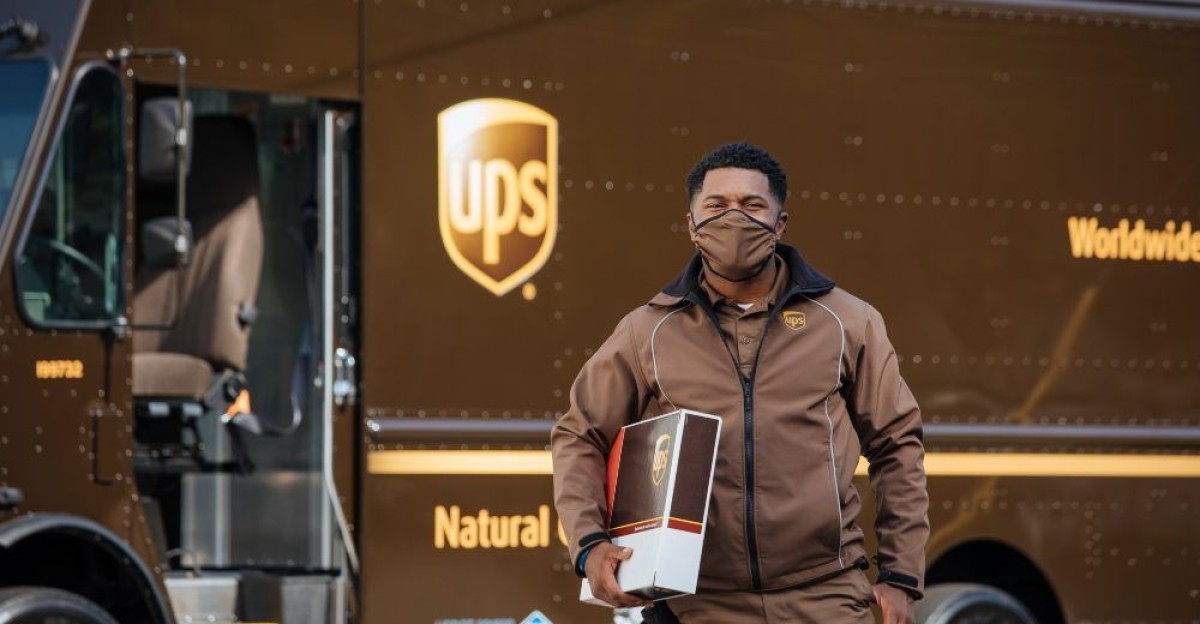
The settlement isn’t an ending. The buyout freeze expires July 31, 2028, the same day the National Master Agreement does. UPS will return to the restructuring table with the same cost pressures and fewer options. The Teamsters will arrive with a proven playbook and a membership that watched nearly 37 locals bend a Fortune 50 company. Amazon’s union local is chartering under the same banner. Starbucks, oil refineries, and auto plants are all watching. One settlement in April 2026 just armed every organized labor movement in America with a blueprint that works.
Sources:
International Brotherhood of Teamsters, “Teamsters Reach Strong Settlement with UPS on Driver Severance Packages,” press release, April 5, 2026.
International Brotherhood of Teamsters, “UPS Admits Driver Buyouts Violate Teamsters Contract in Central Region,” press release, March 24, 2026.
United Parcel Service, “UPS Releases 4Q 2025 Earnings and Provides 2026 Guidance,” investor relations press release, Jan. 27, 2026.
International Brotherhood of Teamsters, “Teamsters Sue UPS for Breach of National Contract,” press release, Feb. 9, 2026.
Reuters, “UPS Can Offer $150,000 Buyouts to Unionized Drivers, US Judge Rules,” Feb. 23, 2026.
Supply Chain Dive, “UPS Nixes Driver Buyouts in 13 States,” March 25, 2026.