UPS Offered Drivers $150,000 to Never Work There Again and 37 Union Locals Said No
The envelope hit kitchen tables across 13 states in February 2026. Inside: a lump-sum offer of $150,000. One check, one signature, one condition. Walk away from UPS forever. Waive your rights to union representation. Agree never to seek future employment with UPS again. Sign an irrevocable release of claims. Never drive a brown truck again. For many veteran drivers, that $150,000 represented a fraction of the long-term value of their union wages, employer-paid health care, and guaranteed retirement benefits. UPS called it the Driver Choice Program. The Teamsters called it something else entirely, and nearly 37 local unions were about to prove why.
The Biggest Workforce Purge in UPS History
This buyout landed on top of a body count. UPS had already eliminated approximately 48,000 positions in 2025, the largest single-year workforce reduction in company history. That included roughly 34,000 operational jobs and 14,000 management roles. The company shuttered dozens of facilities. Another round of closures was scheduled for early 2026. And through it all, UPS returned $6.4 billion to shareholders through dividends and buybacks. The math told the real story: workers were being cut so shareholders could be paid. Now, UPS wants approximately 105,000 more drivers to volunteer for the exit.
A Contract Built to Prevent Exactly This
The 2023 UPS-Teamsters contract required UPS to create thousands of full-time permanent jobs and convert part-time positions to full-time roles during the contract’s term. The buyout program was designed to do the opposite. Teamsters detailed at least six violations of the National Master Agreement, including direct dealing with workers, elimination of union jobs the company had committed to creating, and erosion of shop steward rights. The contract was supposed to be a shield. UPS treated it like a suggestion. A federal judge appeared to agree with UPS.
The Court Said Yes. The Workers Said No.
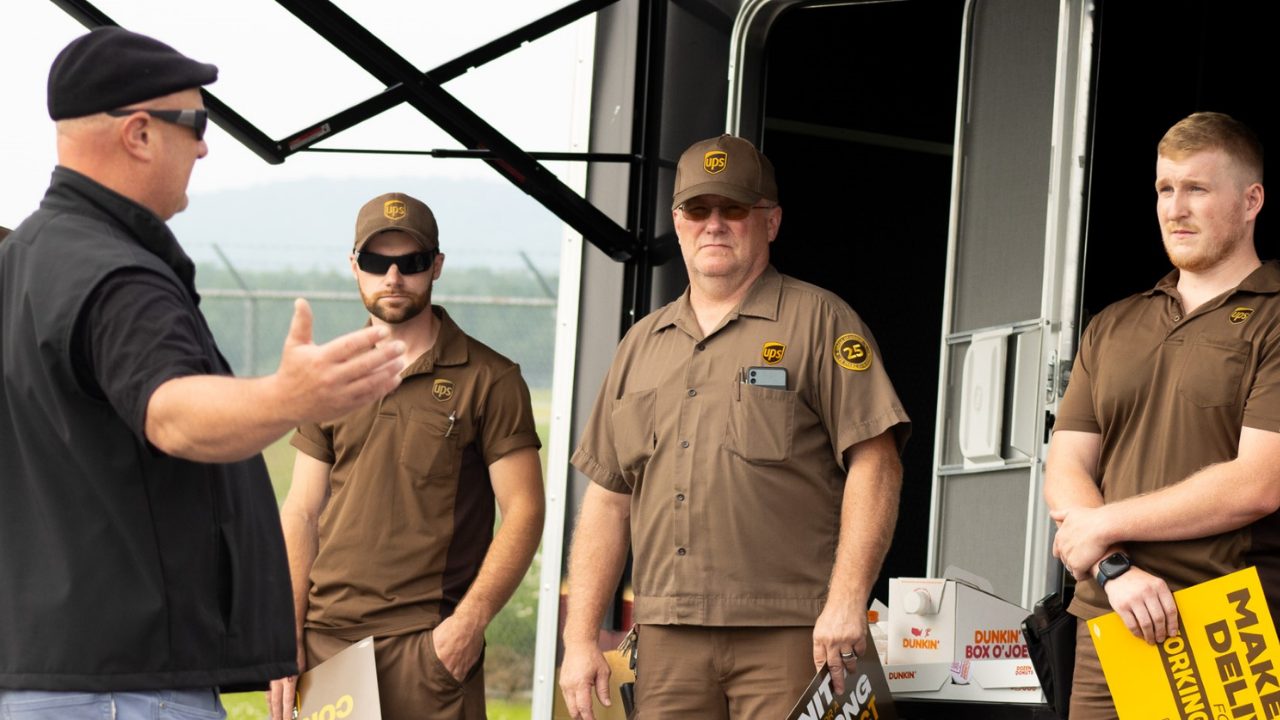
Chief U.S. District Judge Denise J. Casper denied the Teamsters’ motion for injunctive relief on February 20, 2026. UPS told Supply Chain Dive it was “pleased with the court’s ruling and intends to move forward as originally planned.” Approximately one month later, on March 24, UPS notified the Teamsters it was withdrawing the Driver Choice Program from the entire Central Region. Nearly 37 local unions had filed coordinated grievances. Not scattered complaints. Organized simultaneous resistance across 13 states. The court gave UPS permission. The workers revoked it.
How Grievances Outgunned a Gavel
A court ruling grants legal authority. It does not grant worker cooperation. UPS needed drivers to voluntarily accept the buyout, sign away their futures, and leave quietly. When locals across the Central Region filed grievances instead, the program became unexecutable. The buyout structure asked workers to trade $150,000 today for the long-term value of union wages, employer-paid health care, and guaranteed retirement benefits worth far more over a career. The 2025 version, known as the Driver Voluntary Separation Program, attracted only about 3,000 participants out of nearly 115,000 eligible drivers. This time, UPS offered significantly more money. That escalation revealed desperation, not generosity.
The Numbers Behind the Retreat
The Central Region is home to more than 68,000 rank-and-file Teamsters. UPS has approximately 370,000 employees in the United States, of whom roughly 80% are represented by the Teamsters. Losing this region gutted the buyout’s national math. UPS targets $3.5 billion in annual cost savings from workforce restructuring. Meanwhile, the stock has struggled. Revenue per piece in the U.S. Domestic segment grew approximately 8.3% in Q4 2025, even as overall domestic revenue declined modestly. Workers weren’t dragging down performance. They were subsidizing a margin story that Wall Street no longer fully embraces, and the Central Region just blew a hole in the savings thesis.
Ripple Effects Across the Brown Empire
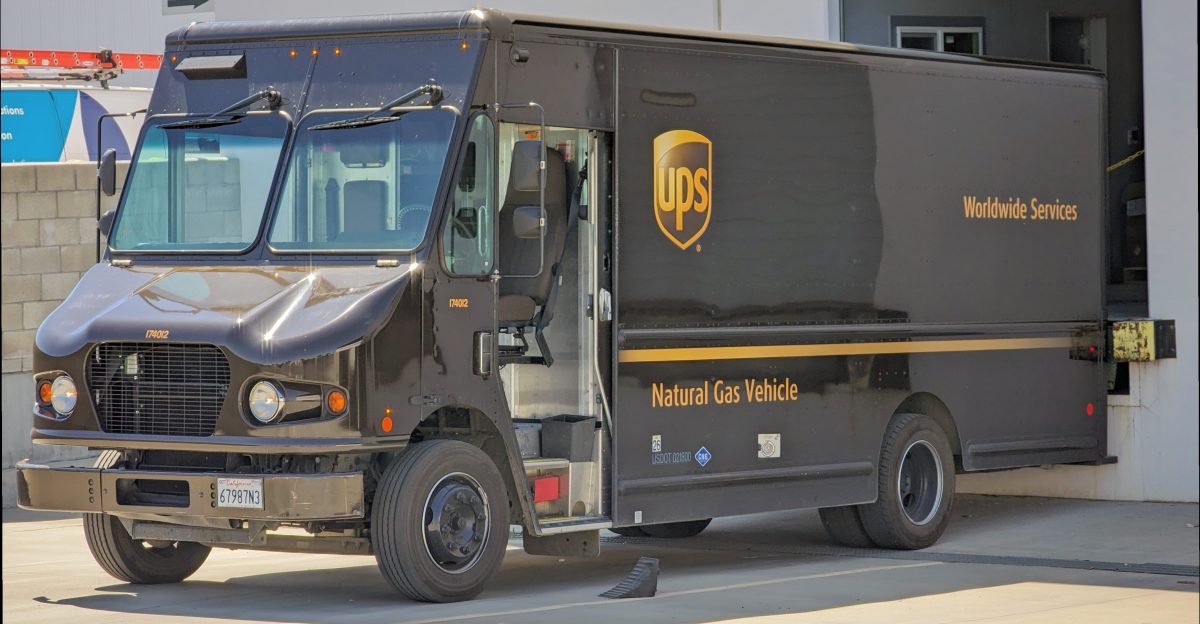
Teamsters General President Sean O’Brien declared UPS “conceded that its buyout programs are illegal. They are scams designed to fuel corporate greed.” The withdrawal, he argued, “greatly undermines the company’s illegal pursuit of buyouts in other regions.” UPS still plans to reduce its driver workforce in 2026 through attrition and involuntary layoffs. It is deliberately shedding Amazon revenue and reducing volume through mid-2026. The company invested $120 million in hundreds of Pickle Robots for truck unloading. Robots don’t file grievances. But robots don’t deliver packages to porches either.
The Precedent Nobody Expected
Grievances over the earlier DVSP program are expected to be heard before an arbitrator. A ruling against UPS could apply nationwide, forcing the suspension of buyout programs across every region. That would establish a new playbook: coordinated local grievance filings as a collective veto against corporate separation programs, even court-approved ones. Once you see the mechanism, you cannot unsee it. Every “voluntary” corporate program requires worker participation to function. Refuse collectively, and the program dies regardless of what any judge says. The Central Region proved the template works. Every other union in America just took notes.
June 2026: The Clock UPS Can’t Stop
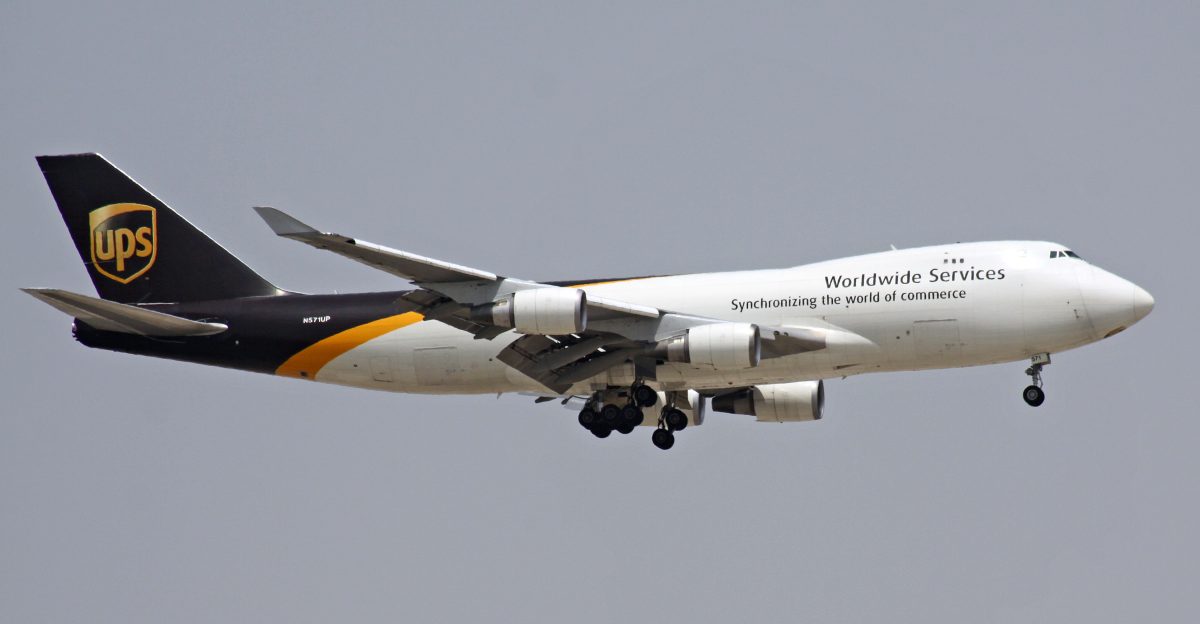
UPS faces a mid-2026 inflection point. The Amazon volume reduction must be completed on schedule. The $3.5 billion savings target depends on workforce attrition; the buyout was supposed to accelerate. Without it, UPS must achieve cuts through involuntary layoffs and natural attrition, a slower, uglier path that risks triggering the one thing management fears more than grievances: a strike. Fred Zuckerman, Teamsters General Secretary-Treasurer, put it plainly: “UPS wants to offload as many well-paid drivers as possible to boost its corporate earnings.” The clock is ticking on a strategy that just lost its fastest gear.
The Power That Courts Can’t Grant
Most people assumed a federal court victory meant UPS could proceed. That assumption died on March 24. Corporate authority over labor restructuring has always rested on an invisible foundation: worker compliance. Not legal compliance. Actual, physical, human compliance. Workers showing up, signing papers, walking out the door. When nearly 37 locals coordinated a refusal across 13 states, they exposed the seam in the system. UPS can invest in robots, shed Amazon volume, close facilities, and win in court. It still cannot force a driver to quit. And that changes the math for every company watching.
Sources:
Teamsters, “UPS Admits Driver Buyouts Violate Teamsters Contract in Central Region,” March 23, 2026
Supply Chain Dive, “UPS nixes driver buyouts in 13 states,” March 26, 2026
Justia Dockets, Court Memorandum and Order , International Brotherhood of Teamsters v. United Parcel Service, February 20, 2026
AlphaStreet, “UPS (NYSE:UPS) delivered solid core results in Q4 2025,” January 26, 2026
UPI, “UPS cut nearly 48,000 jobs in 2025, more than initial expectations,” October 28, 2025
Investing.com, “UPS invests $120 million in robots to unload trucks , Bloomberg,” December 15, 2025