Uber’s $6,500 EV Grant Covers Just 2,500 Of Its 286,000 Electric Drivers
Gas cracked $4 a gallon on March 31 for the first time since 2022. By April 1, CNN reported rideshare drivers were on the brink of quitting. By April 2, Uber rolled out a nationwide expansion of its Go Electric grant, promising up to $6,500 in combined incentives for drivers willing to switch to an EV. The number sounded generous. The timing sounded heroic. Then the fine print landed, and the math told a completely different story about who Uber is actually trying to save.
The Gas Crisis Nobody Could Ignore
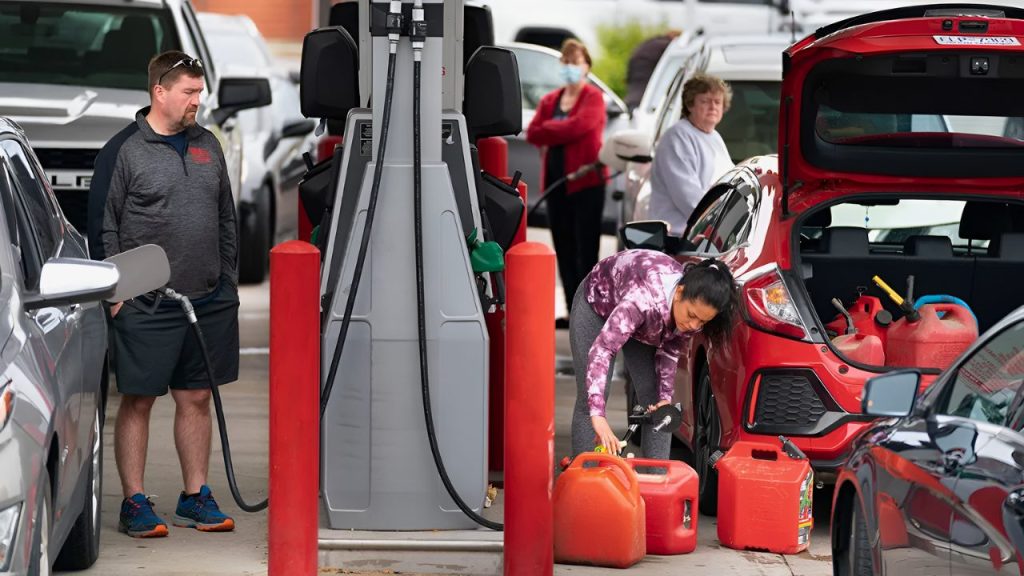
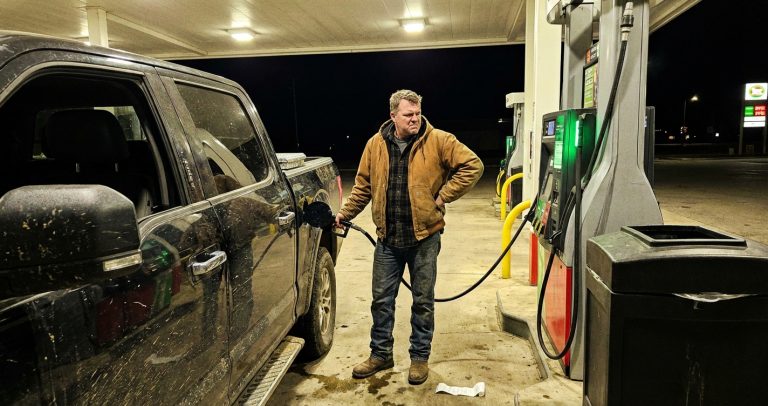
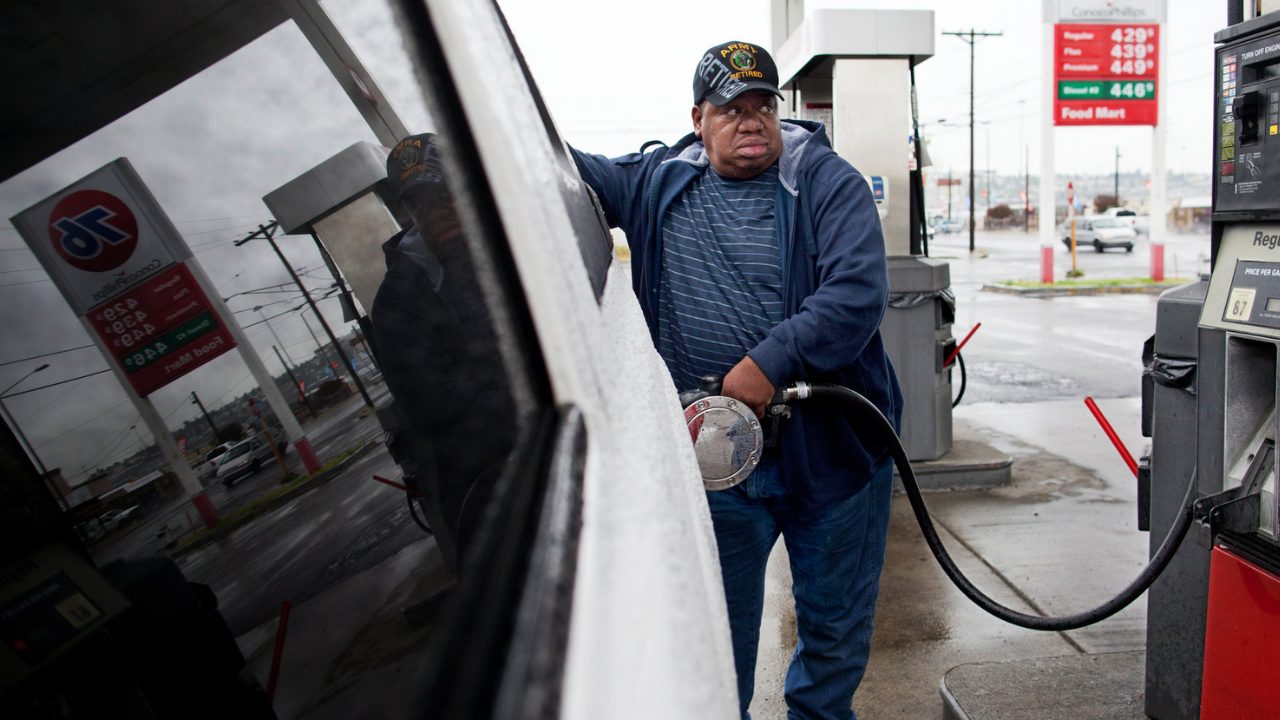
Gas prices surged more than $1 in March 2026 alone. Americans spent an extra $8 billion that month just filling their tanks, driven by fallout from the Iran conflict. For full-time rideshare drivers burning fuel across hundreds of miles daily, that spike hit like a second rent payment. Uber had already built the world’s largest EV rideshare fleet: 286,000 electric vehicles globally, with drivers adopting EVs five times faster than average motorists. The infrastructure for a real response existed. What Uber chose to do with it reveals everything.
The Promise That Came Before
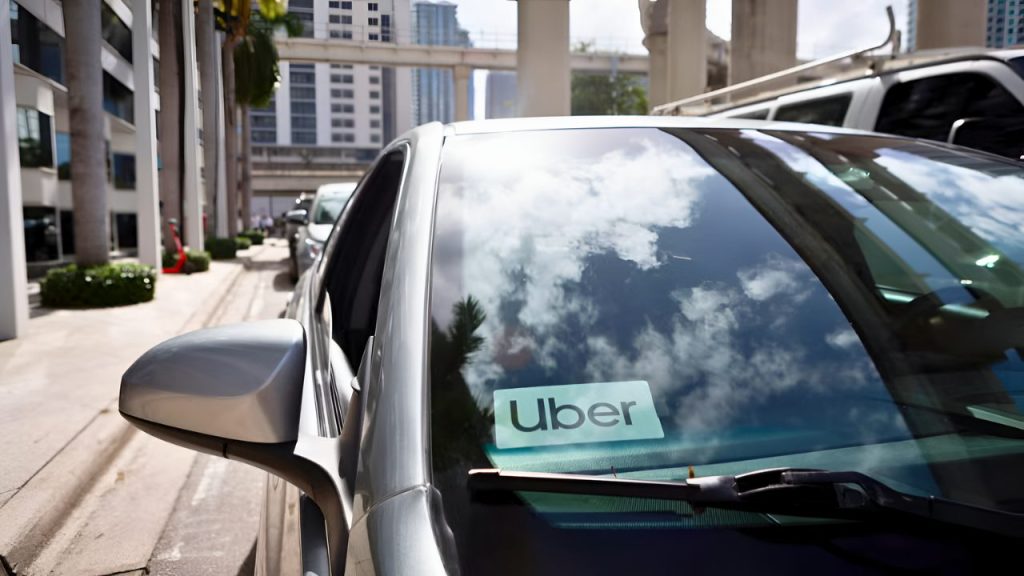
Uber had pledged $800 million over five years to help drivers go electric. Through 2024, the company distributed $539 million. Then 2025 arrived, and only $100 million more followed. That same December, Uber eliminated monthly EV bonuses entirely. The timing mattered: operating profits were doubling. The company simultaneously announced a $20 billion stock buyback. For every dollar Uber added to its EV commitment in 2025, it earmarked $200 for shareholders. If that ratio doesn’t crack the myth of climate-first corporate leadership, nothing will.
The CEO’s 90-Day Reversal
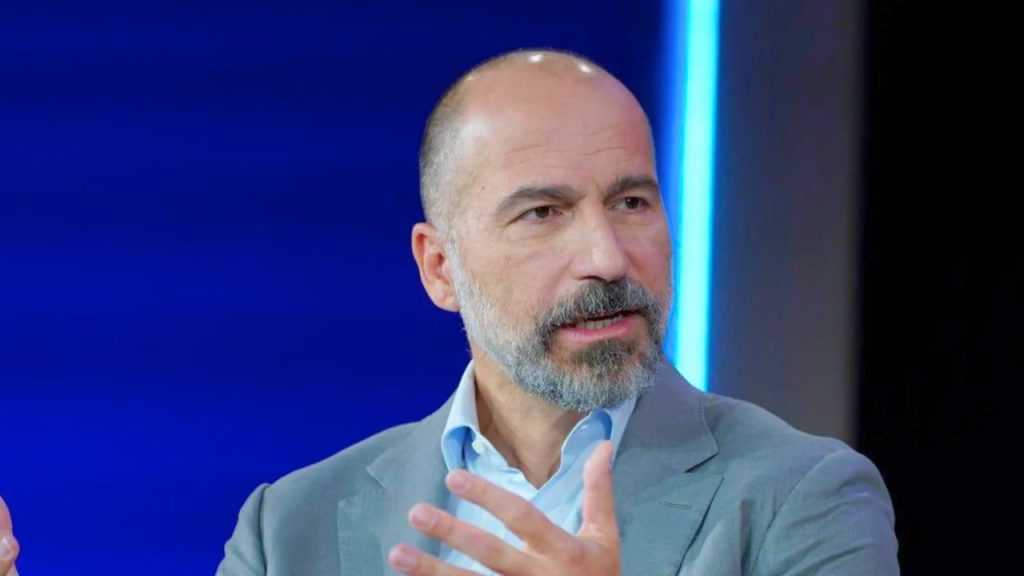
In January 2026, Dara Khosrowshahi said it plainly: “Anyone who bases their business plan based on government subsidies is not doing the right thing. We don’t need subsidies for EVs to succeed at Uber.” Ninety days later, Uber launched a nationwide $4,000 subsidy. The base grant matches the exact federal used-EV credit the Trump administration killed in September 2025. Uber didn’t amplify the lost incentive. It photocopied it. One-time payment. No recurring support. Cheaper on the balance sheet than the bonuses it just eliminated.
Who Actually Qualifies

The grant caps at 2,500 drivers. First come, first served. Only Platinum and Diamond tier drivers can apply, meaning high-volume, high-rated veterans. Part-time drivers, newer drivers, anyone struggling to hit elite status while paying $4-plus gas: locked out. Applications open April 16, just 14 days after the announcement, during peak fuel panic. That combination of scarcity, urgency, and crisis timing is textbook behavioral economics. Uber built a program that looks nationwide but functions like a velvet rope. The 2,500 slots will likely vanish within days.
The Numbers Behind the Headline
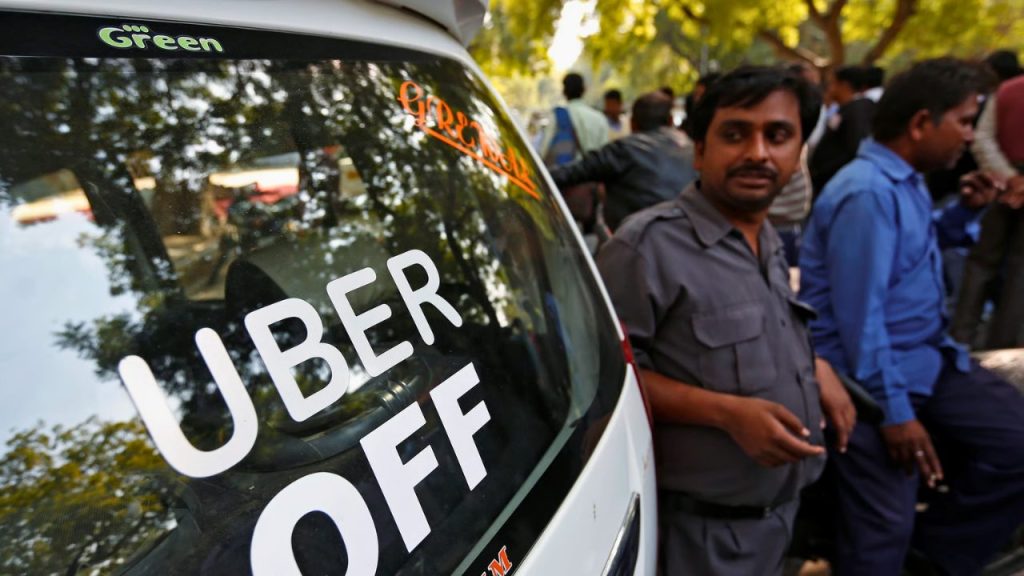
Run it: 2,500 grants divided by 286,000 EV drivers on the platform. That’s 0.87%. Uber’s own sustainability head, Santosh Rao, acknowledged “affordability remains a challenge with electric vehicles.” Meanwhile, the company’s 2030 target called for 100% electric miles in London. Current achievement: 40%. Europe sits at roughly 15%. North America at approximately 9%. Every major target is underwater. The $6,500 maximum requires choosing a specific Kia model, completing 100 trips by year-end, and winning the application lottery. Generous is doing heavy lifting in that press release.
The Driver Who Believed
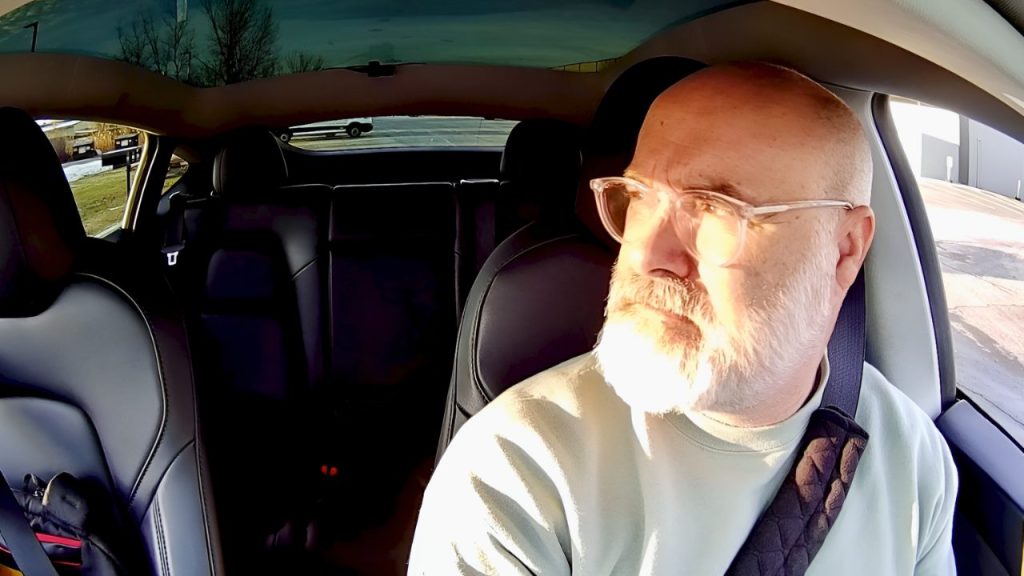
Levi Spires, a Syracuse driver, bought a Tesla after Uber dangled a $2,000 promotion. Over 23 months and roughly 139,000 miles, he earned approximately $3,500 in EV bonuses. Then December came and the bonuses disappeared. No phase-out. No warning tied to his investment timeline. Spires now says his goal is “for Uber to not be my main profession anymore.” One driver. One Tesla. One corporate promise broken mid-commitment. Multiply that betrayal across thousands of EV adopters who trusted the incentive structure, and the retention crisis writes itself.
The Pattern You Can’t Unsee
From 2020 through 2024, Uber ramped EV support: bonuses, fleet discounts, public pledges. In 2025, the company plateaued, then cut. In 2026, it launched a limited grant timed to a gas emergency. The pattern tracks profit cycles, not climate conviction. Federal EV credits ended September 2025. Uber waited 6.5 months to respond. The grant appeared only after gas prices became a political crisis and CNN broadcast driver desperation. This isn’t a new rule for how platforms handle electrification. It’s the old rule finally visible: support follows headlines, not commitments.
What Comes Next

DoorDash already rolled out 10% fuel cash back. Lyft is scrambling. If gas stays above $4 through the summer, the 283,500 EV drivers who cannot access Uber’s grant will watch 2,500 peers get relief while they absorb the full shock. Uber also quietly invested up to $1.25 billion in Rivian for autonomous vehicles through 2031. The company is spending on robots, not drivers. The fuel relief programs top out at $1.44 per gallon for elite-tier members. Gas rose more than $1 in a single month.
The Real Grant Recipient
Here is what most people will miss: the grant’s true beneficiary is Uber’s quarterly earnings call. A one-time $4,000 payment to 2,500 drivers costs roughly $10 million. The $20 billion buyback costs 2,000 times more. The grant generates a nationwide headline. The buyback generates shareholder returns. Both happened within the same fiscal window. Uber replaced recurring driver support with a one-time crisis gesture and called it expansion. Lyft, DoorDash, and every regional competitor now get to decide whether to match the gesture or expose it.
Sources
“‘I’m Done’: Rideshare Drivers on the Brink of Quitting Over Higher Gas Prices” — CNN Business, April 1, 2026
“Uber Expands Its $4,000 ‘Go Electric’ Grant to Drivers Nationwide” — The Verge, April 2, 2026
“Uber EV Grant Expanded Nationwide, Offering Drivers Big Incentives” — Electrek, April 2, 2026
“Uber Expands $4,000 Grants for Drivers Who Switch to EVs” — InsideEVs, April 2, 2026
“Uber Expands Its EV Incentive Program Across the US” — Engadget, April 2, 2026
“$4 a Gallon for Gas? These Drivers Don’t Care” — CNN Business, April 3, 2026