Two EV Companies Allowed To Sell Cars In Washington Without Middlemen – Tesla Not Named
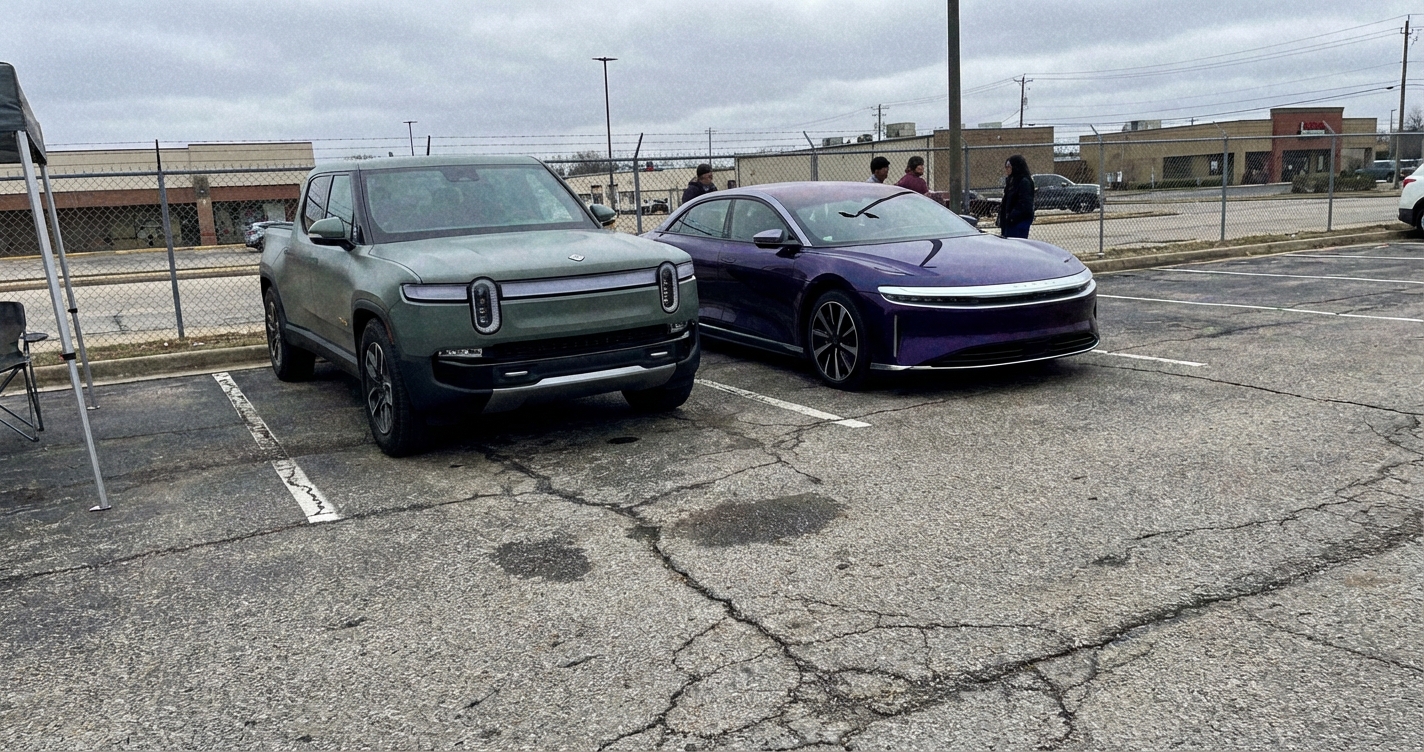
Somewhere in Washington’s statutory code, a line changed. There was no press conference or ribbon cutting. Just new eligibility language buried inside the state’s dealer‑and‑manufacturer licensing framework, the kind of edit most people never read. But two EV companies apparently did. Rivian and Lucid could now be positioned to transact more directly with Washington buyers, bypassing the franchise dealer layer that has controlled American car retail for decades. The brands got named. The rules got rewritten in Senate Bill 6354, a narrowly tailored carveout that passed the Legislature and now waits for the governor’s signature. And the company that pioneered direct EV sales wasn’t on the list.
Old Gate
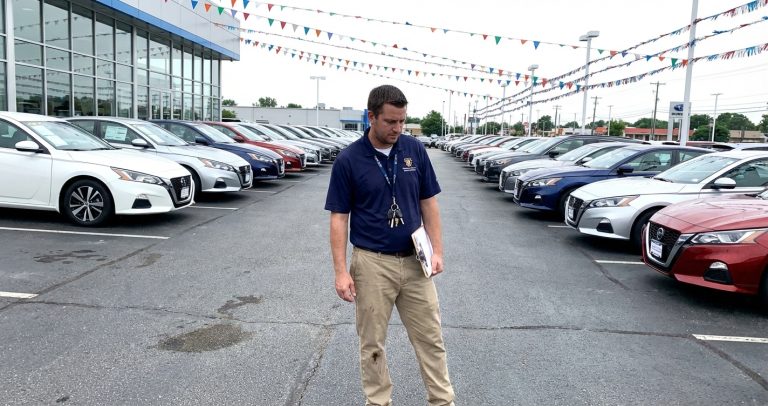
Washington’s vehicle retail market is governed by two chapters of state law: RCW 46.70 governs dealer and manufacturer licensing, and RCW 46.96 governs franchise relationships. Together, they form a statutory moat. Every car sold in the state flows through that gate. For years, the assumption was simple: manufacturers build, dealers sell, consumers choose from the lot. That architecture protected dealer margins, controlled pricing transparency, and kept the transaction locked inside a middleman structure most buyers never questioned. Until the eligibility language moved.
Myth Cracks
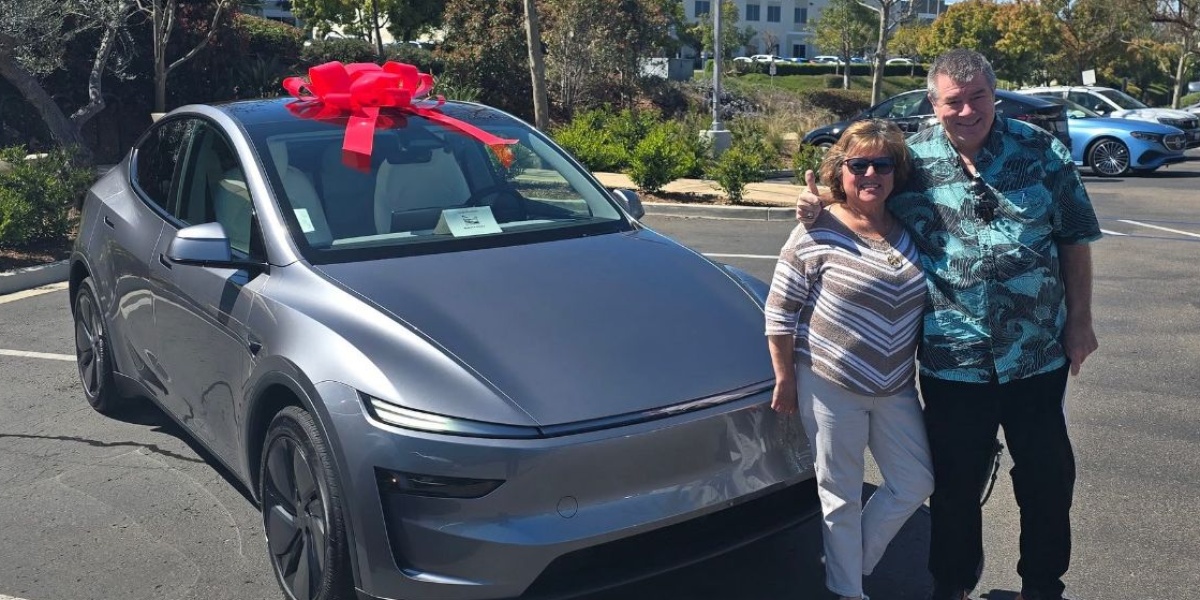
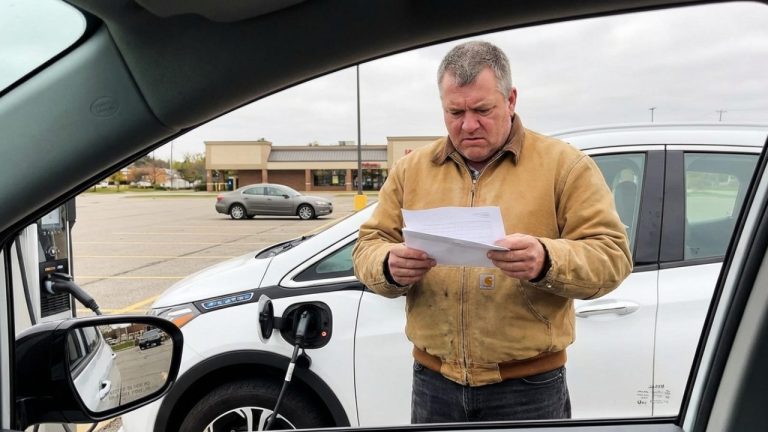
Most people still think direct sales is a Tesla fight. That framing made sense when one company was battling dealer associations in courtrooms across the country, and when Tesla secured a unique Washington exemption in 2014 that let it sell directly while everyone else had to use franchise dealers. But the Washington expansion names Rivian and Lucid, not Tesla. That distinction matters. The state can effectively pick winners by naming brands or setting eligibility thresholds in bill text. Which means the real power was never about one company’s retail model. The assumption that buying a car naturally requires a dealer? That’s the part quietly dying in the fine print.
Named Brands
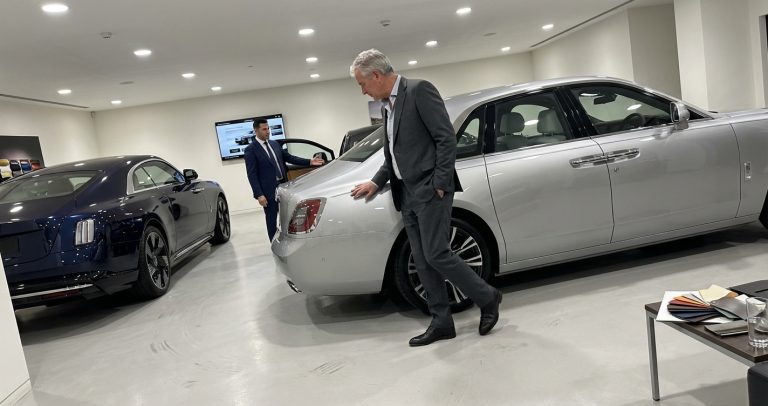
Two brands. Written into eligibility language. That’s how a state rewrites who gets to sell you a car. Under SB 6354, the lane is limited to U.S.‑based companies that build only battery‑electric vehicles, have never used franchised dealers, operate at least one in‑state service facility, and have had at least 300 vehicles registered in Washington before January 1, 2026. Rivian and Lucid are the only new manufacturers that meet that bar today. Tesla keeps operating under its older carveout. The franchise layer doesn’t disappear. It just stops being mandatory for the named companies. Two brands in. Everyone else is still behind the gate. The loud part is the company names. The quiet part is the eligibility clause that decides who follows them through the door and who stays locked out.
Skip Lane
Think of it like a state granting two airlines permission to sell tickets directly, while every other carrier must route through travel agents. The product is identical. The access is not. Washington’s franchise‑law architecture controls distribution, margins, and customer ownership. “Direct sales” sounds like a consumer convenience story, but the legal lever can mean sales, delivery, or licensing classification, each with different economic consequences. The definition buried in the bill text determines whether this is a narrow exception or a template that reshapes how vehicles reach driveways statewide.
Proof Trail
A viral claim is not proof until matched to the bill text and a signing record. Washington publishes both. The Legislature’s bill summary portal tracks status and history, and SB 6354’s roll‑call votes and eligibility criteria are now public. The Governor’s office maintains an official list of bills signed into law. The Department of Licensing handles implementation once a law takes effect, typically about 90 days after signing, including licensing qualifying manufacturers as dealers under the new rules. That three‑layer audit trail is how “approved” becomes real‑world ability to sell. Knowing that the verification path is the difference between repeating a headline and understanding the policy underneath it. Every carveout lives or dies in those documents.
Dealer Fallout
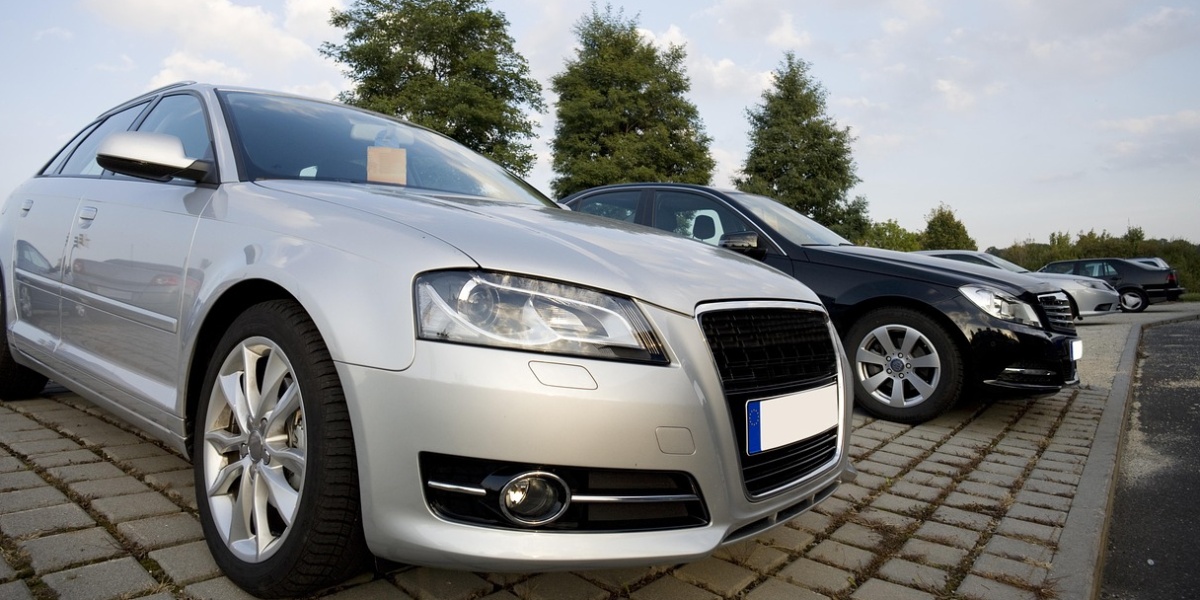
The National Automobile Dealers Association represents franchised new‑car and truck dealers, and every direct‑sales expansion registers as a precedent threat. Dealers see exceptions as cracks in the moat. Consumers see restrictions as friction between them and a purchase. If Rivian and Lucid can transact without the franchise layer in Washington, more EV makers will lobby for identical carveouts. Retail margins and service economics shift depending on how “direct sales” gets defined in each state. One state’s exception becomes another state’s legislative template. The ripple doesn’t stop at the border.
New Rule
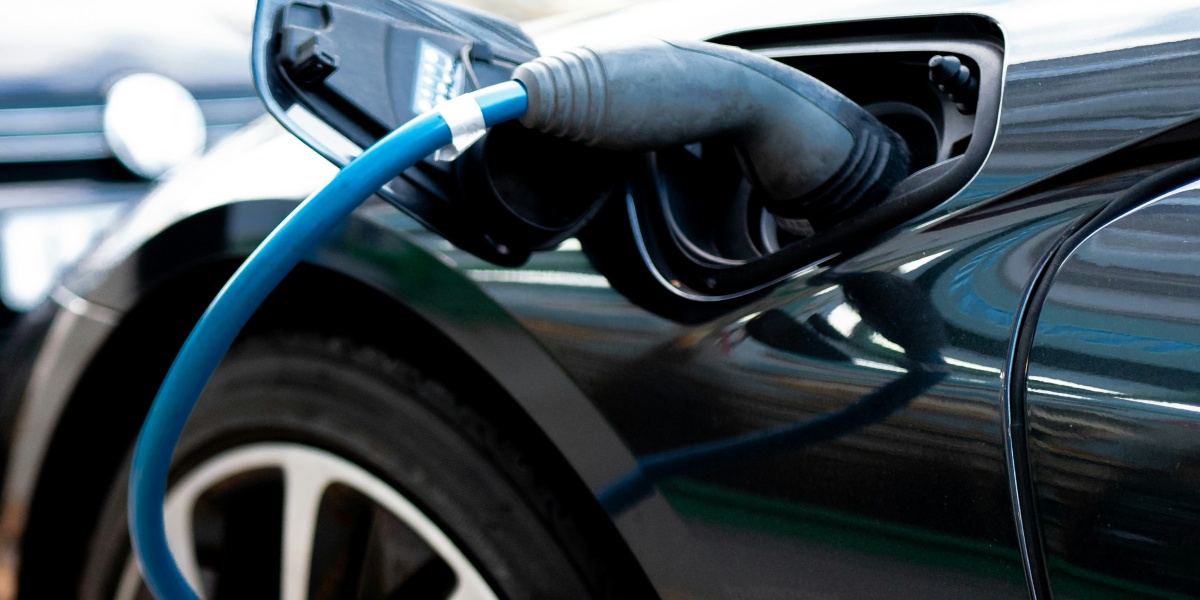
This was never about two brands. The eligibility criteria are the real story, because today’s exception becomes tomorrow’s map. Once a carveout exists in statute, the next fight shifts from “should direct sales exist” to “who qualifies next.” That’s a permanent change in the argument’s center of gravity. Dealer groups will push for tightening language. OEMs will push broader eligibility. The precedent has been set at the state level: a template for expanding manufacturer-direct retail access. One HOA rule changed, and a new kind of house is now allowed on the block.
The Leverage

SB 6354 didn’t pass because of goodwill. Rivian formed a political action committee and pledged more than $4 million, with plans to commit upward of $20–40 million total, to push a direct‑sales ballot initiative if the Legislature didn’t act. That threat shifted the calculus. Dealer groups saw the initiative polling favorably and chose to negotiate a narrow compromise rather than fight a public referendum they might lose. The bill became the controlled release valve. The ballot threat converted years of stalemate into statutory language in one session.
Next Fight
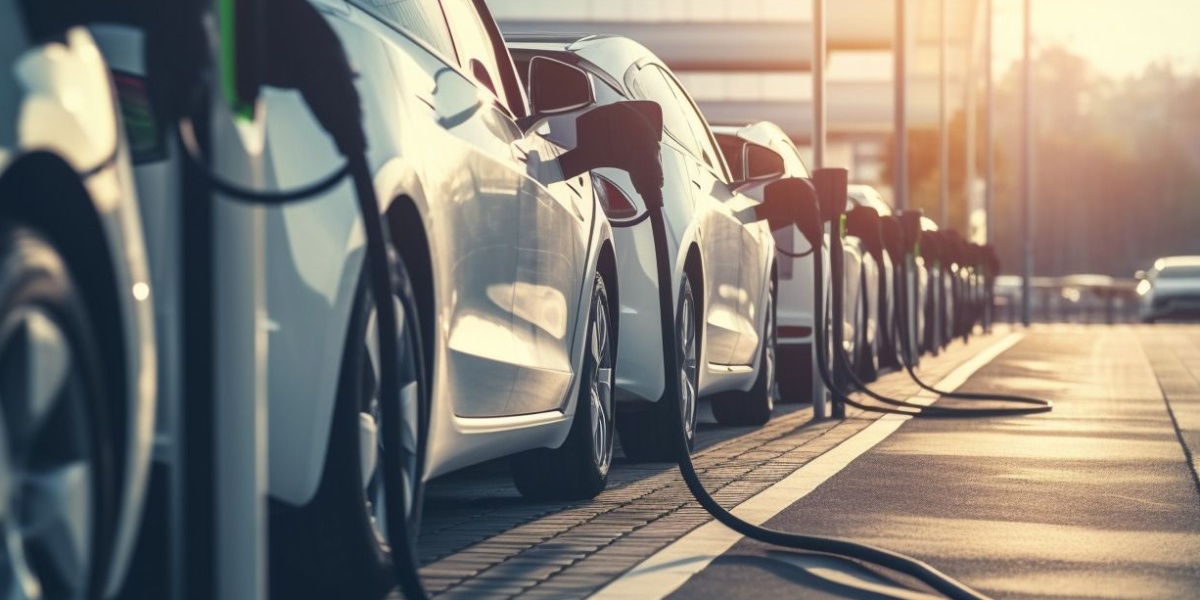
The escalation path runs in two directions. Dealer associations will pursue litigation threats or new legislative campaigns to narrow the eligibility window before more brands squeeze through. Meanwhile, every EV manufacturer watching Washington is running the same calculation: can we qualify under this language, or can we persuade lawmakers to lower the 300‑vehicle threshold or change the cut‑off date? The companies that haven’t been affected yet will be. Whoever loses the next round of eligibility drafting loses access to an entire state’s buyers. The bill text isn’t a conclusion. It’s an opening move in a multi‑session war over who controls the checkout counter.
Sources:
“WA is close to letting Rivian and Lucid sell directly to customers at Washington state showrooms.” Yahoo News / The Seattle Times, 16 Mar 2026.
“Washington opens Tesla’s direct EV sales loophole to Rivian and Lucid.” Electrek, 17 Mar 2026.
“Rivian and Lucid break through Washington state’s dealership wall.” GeekWire, 12 Mar 2026.
“Washington Allows Direct EV Sales for Rivian and Lucid.” KING 5 News (YouTube), 16 Mar 2026.