Tubi Hits 100M Users and Lands Its First Live F1 Deal as Apple Races to Beat ESPN’s Legacy
Two weeks ago, George Russell launched off the grid at Albert Park and drove Mercedes to a 1-2 finish in the 2026 season opener, with rookie Kimi Antonelli right on his tail. Then in Shanghai, Antonelli returned the favor, claiming his maiden Formula 1 victory with Russell second again, while Lewis Hamilton took his first Ferrari podium in a race that had drivers swapping positions on the final lap. Two races, two Mercedes 1-2s, and enough chaos to make the opening of this new era feel genuinely unpredictable.
For the first time in years, American fans have a front-row seat that doesn’t cost them a Sunday morning alarm and a cable bill they resent. The 2026 F1 season didn’t just change the cars. It changed everything about how this country watches the sport.
The Biggest Rule Reset in a Generation Just Hit the Track
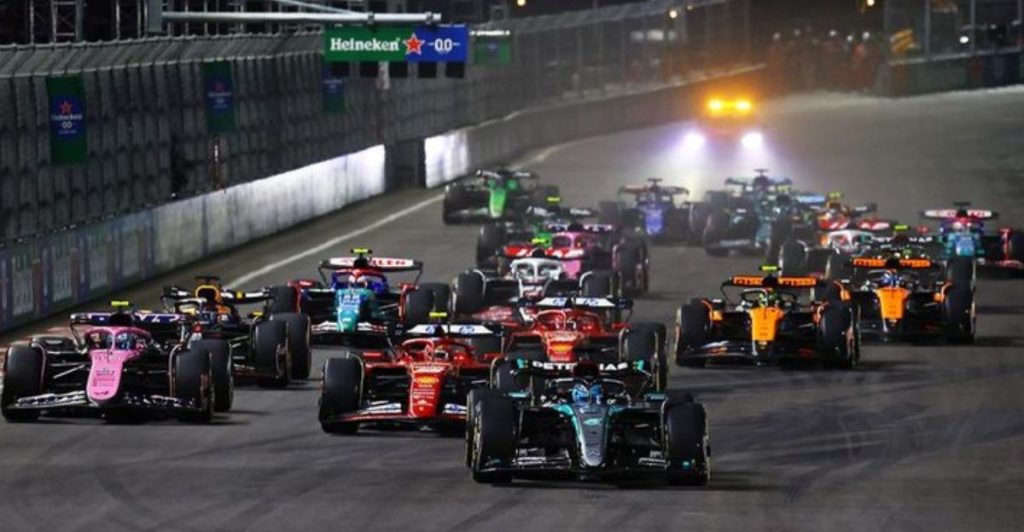
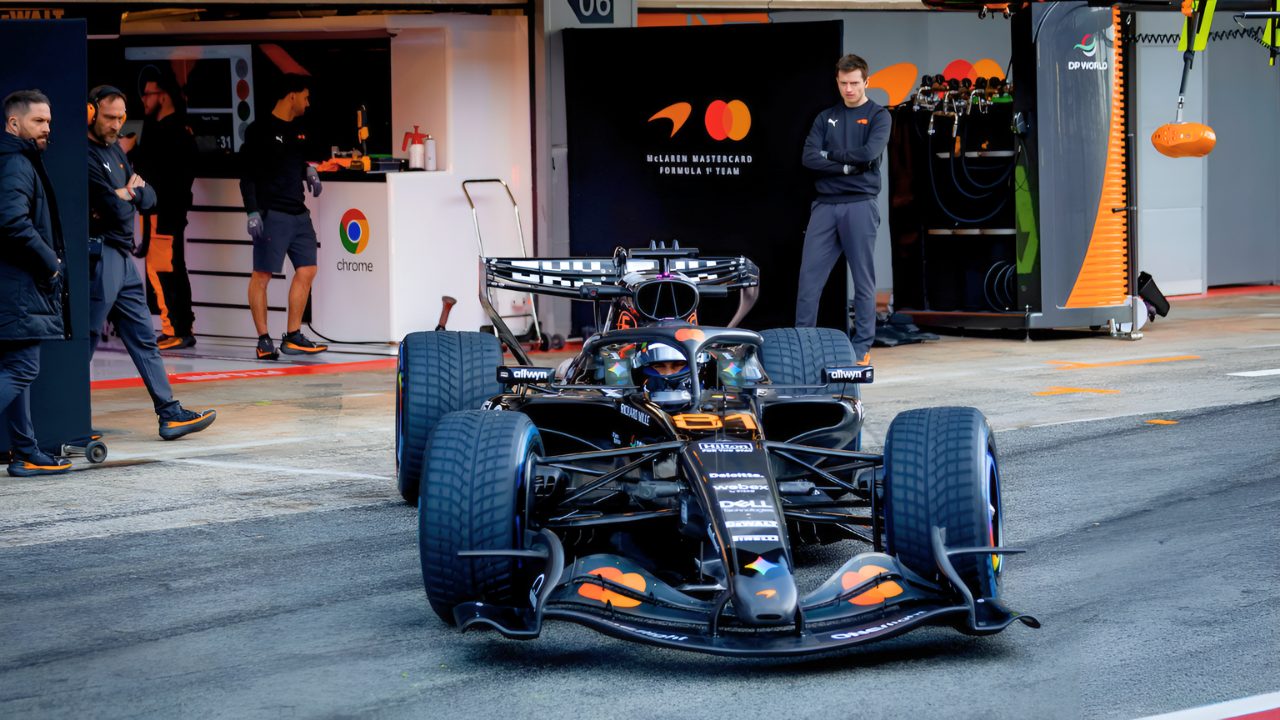
The 2026 technical overhaul is widely regarded as one of the most sweeping regulation changes in the sport’s modern era, and the opening two races have proven the point. The cars are shorter, lighter, and run on 100% advanced sustainable fuel while splitting power roughly equally between electric and combustion engines, a near-complete redesign from the ground up. DRS is gone. In its place is Overtake Mode, which hands a chasing driver a burst of extra power when within one second of the car ahead.
Max Verstappen called the energy management element “Formula E on steroids,” saying at the Chinese GP: “It’s terrible, if someone likes this, then you really don’t know what racing is about.” Lewis Hamilton called the rules “ridiculously complex” and said “none of the fans are going to understand it” during Bahrain testing, then after Australia, told reporters, “I feel like I could have kept going—I wish the race was longer. It was actually a really fun race.” The 2026 pecking order is anyone’s guess, and that uncertainty makes every race appointment viewing.
Cadillac Is on the Grid. Say That Out Loud
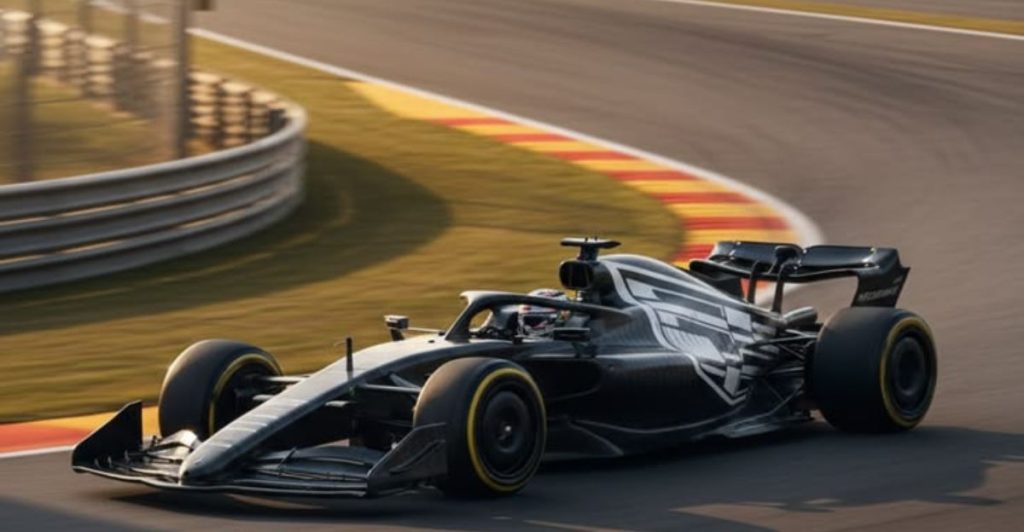
An American manufacturer is back in Formula 1. Cadillac, backed by General Motors, entered the 2026 season as the 11th constructor and expanded the grid to 22 cars for the first time since Haas joined in 2016. Valtteri Bottas and Sergio Pérez are in the cockpit, two drivers with a combined 527 career starts between them.
Australia was rough for the debutants: Bottas retired mid-race, and Pérez finished as the last classified runner. But nobody expected Cadillac to win in Week 1. What matters is the flag. An American nameplate is competing on the same grid as Ferrari, Mercedes, and Red Bull, and the team is only going to get better as the season develops.
ESPN Is Out. Apple Is In. Here’s What That Actually Means for You
ESPN carried F1 in the United States from 2018 through the end of 2025, averaging 554,000 viewers in its first season and building to a record 1.3 million per race in its final year. That era is over. Apple signed a five-year, exclusive deal worth approximately $150 million a year, a significant increase over ESPN’s previous payments—covering every race, every qualifying session, and every practice.
A subscription runs $12.99 a month or $99 for the full year, with F1 TV Premium bundled in at no extra cost, actually cheaper than what subscribers paid for F1 TV alone last season. One plan, 4K quality, every session, every device. Apple promised an elevated, fan-first viewing experience for the full season. Two races in, the platform has held up without incident.
The Free Option Nobody Saw Coming
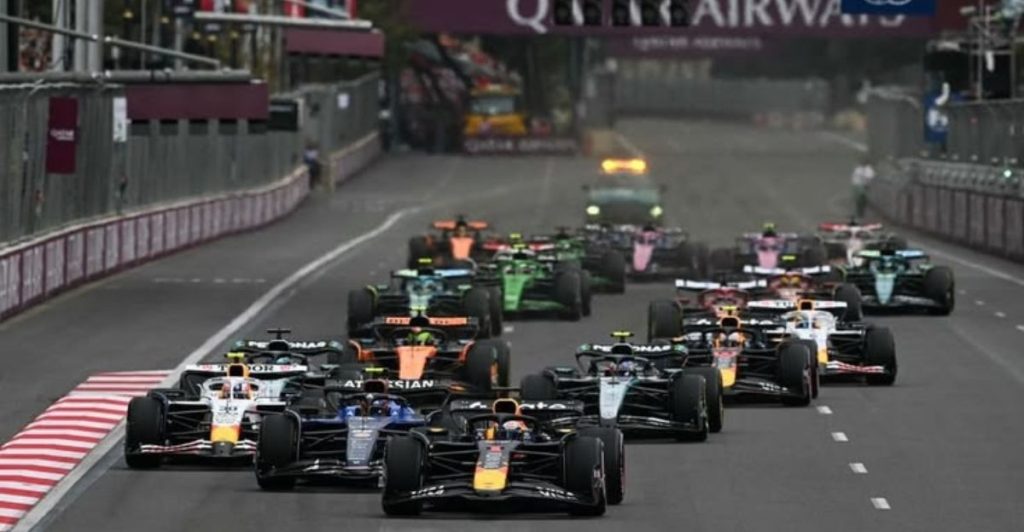
Apple paid nine figures for exclusivity. Then Tubi showed up free. The Fox-owned streaming platform, with 100 million monthly active users and over one billion hours streamed per month, announced a first-of-its-kind partnership with Apple TV to deliver live F1 altcasts for multiple races during the 2026 season, available at zero cost on every device in the United States.
An altcast is a parallel broadcast of the same live race with a completely different commentary crew and format. No paywall. No subscription. Just Formula 1, free, on your phone, your TV, your laptop. The specific races haven’t been announced yet, but Tubi says they’re coming.
Creator Commentary Is Replacing the Broadcast Booth
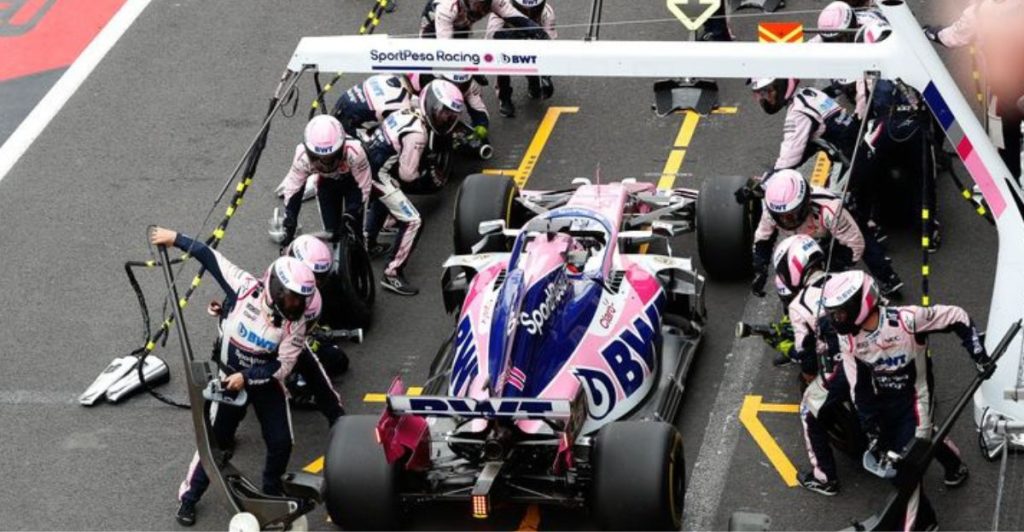
Tubi’s altcasts will feature creators who are genuine experts on the sport—people who built their audiences by actually knowing F1, not by being handed a network headset. Think less Sky Sports formality, more YouTube energy, but with people who understand tire degradation and can explain why an undercut works.
It’s the same philosophical pivot that Drive to Survive made when Netflix put cameras in the paddock in 2019: meet fans where they already are, speak in a language they already use. Traditional sports broadcasting has used the same credentialing system for 6 decades. Tubi is walking right past it. Whether that’s brilliant or reckless, the 2026 season is about to answer the question live.
Drive to Survive Built This Audience. Now Someone Has to Keep It
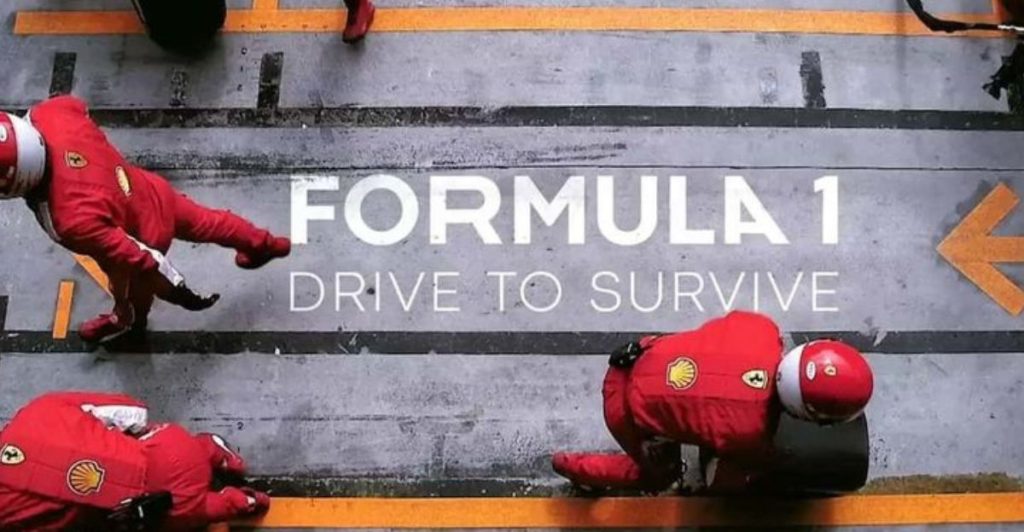
The numbers tell the story plainly. ESPN averaged 554,000 U.S. viewers per race when it started carrying F1 in 2018. By the time it handed the keys to Apple at the end of 2025, that figure had grown to 1.3 million, a 135% increase across eight seasons. Drive to Survive is widely credited with fueling that growth, converting casual observers into race-day fans and introducing F1 to an entire generation of Americans who had never watched a lap.
The show is still running on Netflix, with the latest season already released, and its producers have shown no signs of stopping. But there’s a ceiling. Getting someone to binge a documentary and getting them to set an alarm for a Sunday morning race are two completely different habits. The Apple deal removes one barrier. The Tubi altcasts remove another.
The Broadcast Math Has Flipped Against Cable
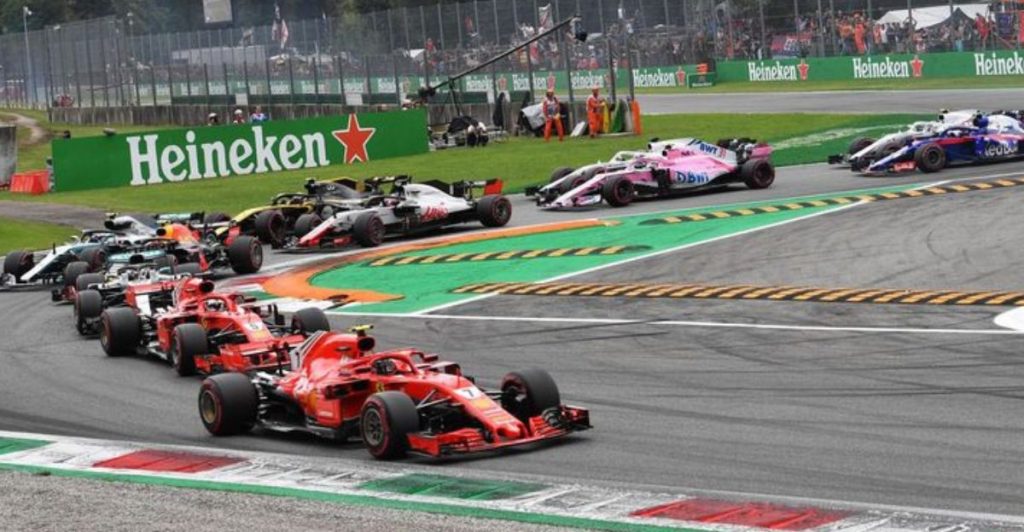
Streaming captured 47.5% of all U.S. television viewing in December 2025, the largest share ever recorded, according to Nielsen. Broadcast sat at 21.4%. Cable was at 20.2%. The audience ESPN was serving for F1 already lived in a streaming world anyway. Apple moving into that space makes structural sense. Select races will also be simulcast on Netflix – the Canadian Grand Prix is already confirmed on both platforms simultaneously.
This is what the migration looks like in real time: a sport historically locked behind cable paywalls now distributed across Apple TV, Netflix, and Tubi, covering paid subscribers, casual viewers, and cord-nevers who won’t pay for anything.
What the F1 Movie Actually Built
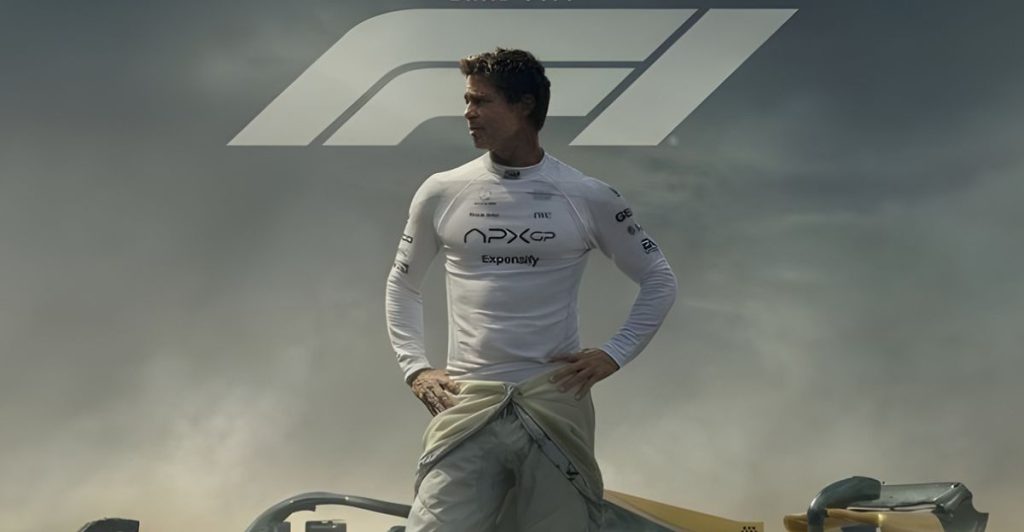
The Brad Pitt film didn’t just make money. It recontextualized the sport for an entire generation of American viewers who had never experienced Formula 1 outside of a Netflix documentary. With a $633 million global box office, making it the highest-grossing auto racing movie ever made, F1 put real cars, real speed, and real danger on an IMAX screen in every American city.
Apple co-produced it. The film hit theaters on June 27, 2025. The broadcast deal was announced on October 17, 2025, roughly 3.5 months later. That sequence wasn’t coincidental. Apple spent years building affinity for the sport before writing the broadcast check, and the 2026 season is the payoff on all of it.
The 2026 Season Is the Realest Bet American F1 Has Ever Made
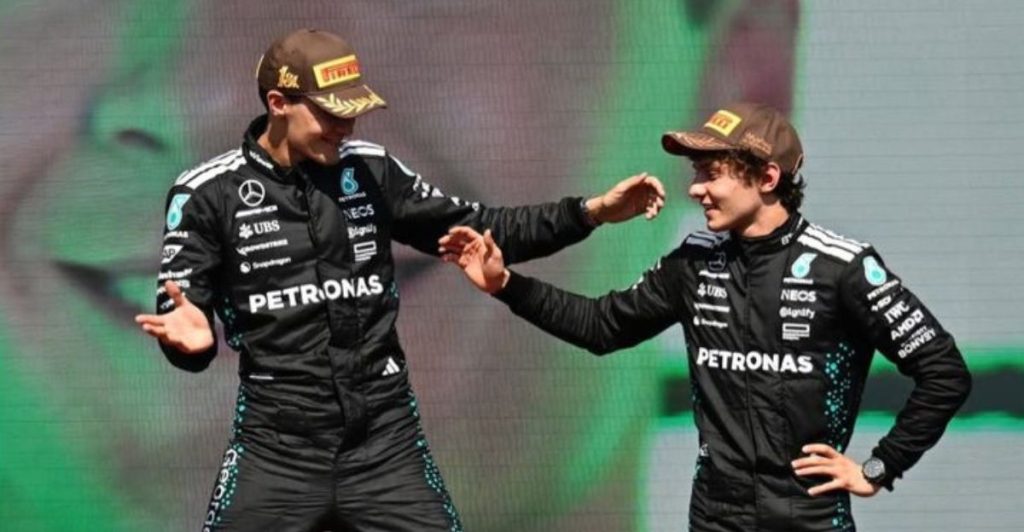
Two races in, Mercedes has the early edge, Russell leads the Drivers’ Championship by one point over his teammate Antonelli, with the Japanese Grand Prix coming this weekend. Cadillac is on the grid. Apple owns the broadcast. Tubi is about to make select races free to anyone with a screen. And a Netflix series with no end in sight just released its latest season. All of it is happening at once, right now, in 2026.
F1’s American moment has been building for eight seasons. This is the year it either locks in for good or reveals the audience was always more in love with the drama than the racing. Apple didn’t stumble into this sport. It engineered the on-ramp and then bought the highway.
Sources
“Tubi Unveils F1 Altcasts in Apple Deal, New Interactive Ad Formats” — Variety, March 24, 2026
“Apple is the Exclusive New Broadcast Partner for Formula 1 in the US” — Apple Newsroom, October 17, 2025
“Russell Wins Action-Packed Australian GP from Antonelli as Mercedes Secure 1-2” — Formula1.com, March 7, 2026
“Antonelli Beats Russell for Maiden F1 Victory in China as Hamilton Takes First Ferrari Podium” — Formula1.com, March 14, 2026
“Streaming Shatters Multiple Records in December 2025 with 47.5% of TV Viewing” — Nielsen, January 2026
“Apple and Formula 1 Ink Five-Year Exclusive U.S. Broadcast Deal” — Yahoo Finance/Variety, October 17, 2025