Truckers Burning $3,000 a Week May Wish They’d Gone EV as Diesel Hits $5.07
Diesel prices have surged past $5 per gallon across the United States this month, squeezing truckers, raising freight costs, and accelerating interest in electric trucks as tensions in the Strait of Hormuz disrupted global oil supply. The national average reached $5.071 on March 16, up from $3.897 just two weeks earlier, marking one of the fastest increases since 2022. Owner-operators, large carriers, and consumers are all feeling the impact as fuel costs ripple through supply chains. The spike is forcing a closer look at operating costs, margins, and whether electric trucks now offer a financial edge.
How Diesel Costs Balloon Per Mile
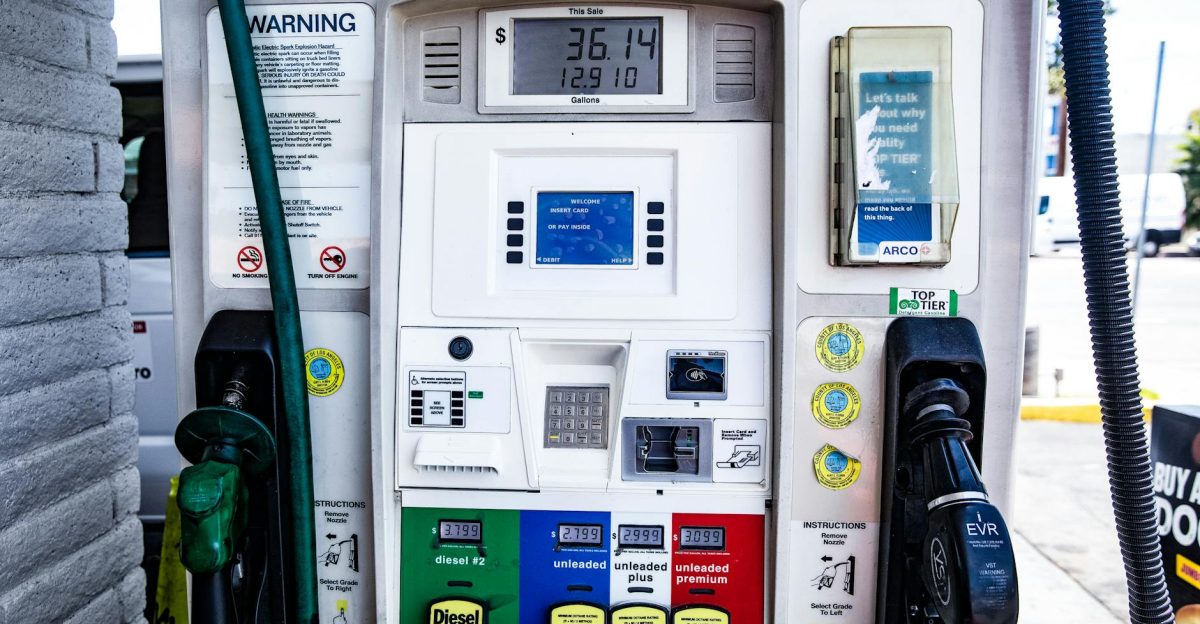
Fuel cost increases hit truckers mile by mile. At 6 MPG, every $1 rise in diesel adds $0.167 per mile. Diesel jumped about $1.47 from early 2026 levels, raising costs by roughly $0.245 per mile. Over 100,000 miles annually, that equals about $24,500 in added fuel expense per truck. For operators already managing tight margins, this increase directly cuts into income. These calculations reveal why even smaller weekly totals still create major financial strain. That pressure lands hardest on independent drivers trying to stay profitable.
Owner Operators Feel The Sharpest Impact
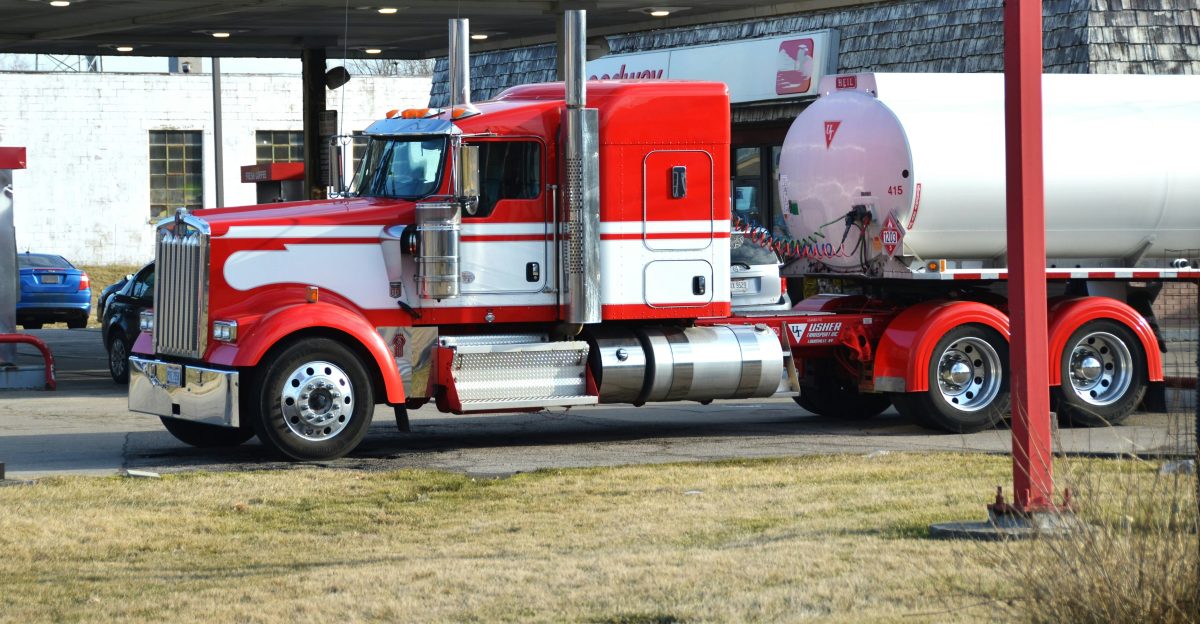
Independent truckers are the most exposed to fuel spikes. They typically gross $200,000 to $350,000 annually but net only $60,000 to $120,000 after expenses, according to AtoB’s February 9, 2026 analysis. Fuel alone accounts for 25% to 35% of revenue. At $3.50 diesel, costs averaged $0.58 per mile. At $5.07, that rises to about $0.85 per mile, a 46% jump. Annual fuel spending can exceed $101,000 at current prices. For many operators, that erases profit entirely. Larger carriers face a different but equally serious challenge.
Large Fleets Already Operating At A Loss
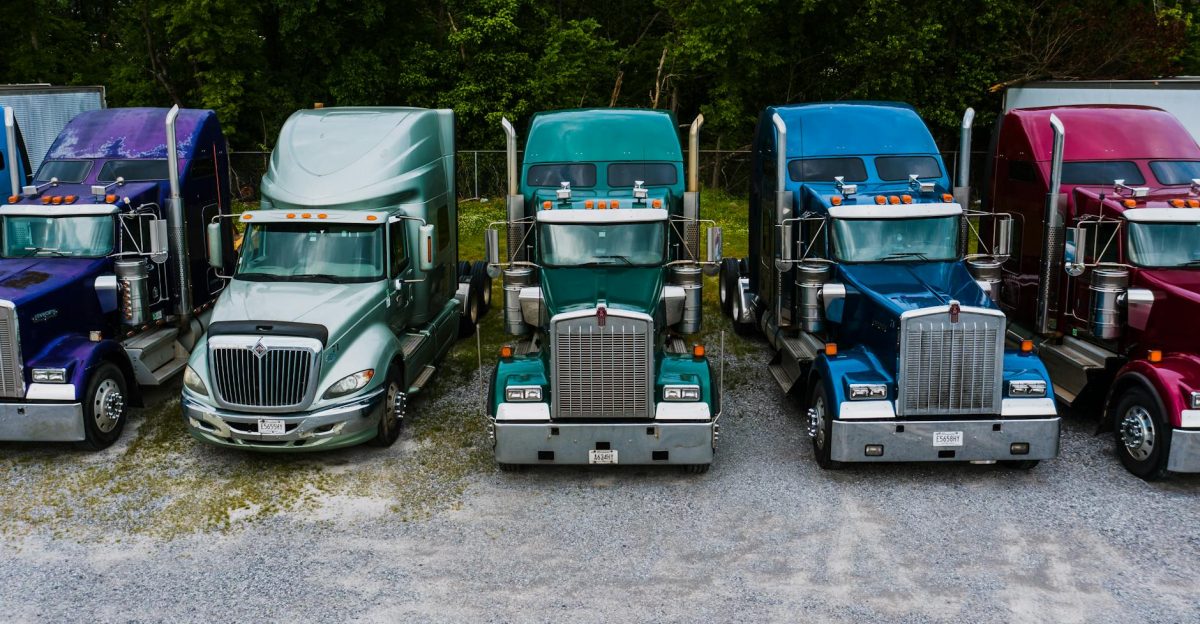
Big trucking companies entered 2026 with thin or negative margins. ATRI reported average operating costs of $2.260 per mile, with non-fuel costs at $1.779, as of July 3, 2025. By February 17, 2026, truckload carriers were already posting margins of negative 2.3%. Diesel’s rapid rise worsens that position. Spot freight rates climbed to about $2.80 per mile, up 23% year over year, but not enough to offset rising expenses. Tender rejections near 14% signal ongoing disruption. The industry strain does not stop with trucking companies.
Consumers Begin Feeling The Ripple Effect

Trucking moves 72.7% of U.S. freight by weight and generated $906 billion in 2024 revenue, according to the American Trucking Associations. Rising diesel costs flow directly into consumer prices. A USDA study found that each 1% increase in diesel raises food prices by about $0.0008 per pound. With diesel up roughly 41% from February levels, the cumulative effect becomes noticeable across grocery bills. Gavin Kelly warned on March 3, 2026 that consumers will feel the impact at checkout. The price surge traces back to a sudden global trigger.
What Triggered The March Price Shock

The spike began after U.S.-Israel strikes against Iran during the final weekend of February 2026. Oil markets reacted immediately, with crude jumping about $5 per barrel. Diesel rose more than $0.35 in a single session, according to Mansfield Energy on March 1. The situation escalated as tensions disrupted the Strait of Hormuz, a route handling about 20% of global oil supply. Tanker damage and shipping delays tightened supply. These events pushed diesel sharply higher within days. The timeline of price increases shows just how fast conditions changed.
Prices Climbed Rapidly In Two Weeks

Energy data highlights the speed of the surge. Diesel averaged $3.897 on March 2, then jumped to $4.859 on March 9, and reached $5.071 by March 16. AAA tracking showed a rise from $3.651 about a month earlier to $5.044 on March 17. That represents a $1.39 increase in roughly 30 days. GasBuddy data placed the median near $4.99, with some stations averaging $5.68. The pace left little time for trucking companies to adjust contracts or pricing. That volatility is reshaping long-term cost comparisons.
Electric Trucks Gain Financial Attention

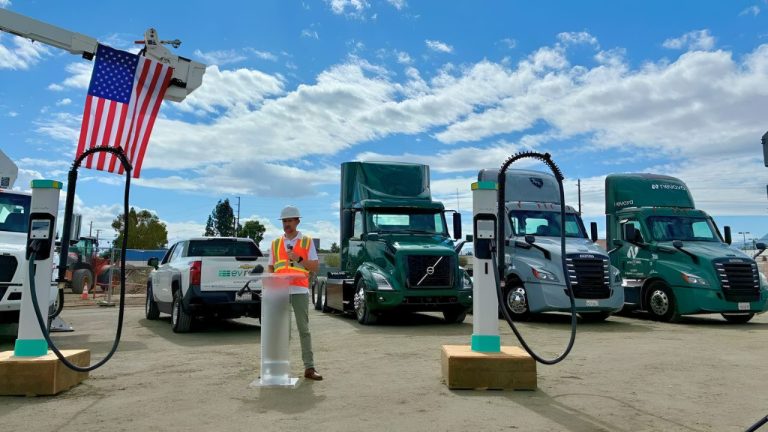
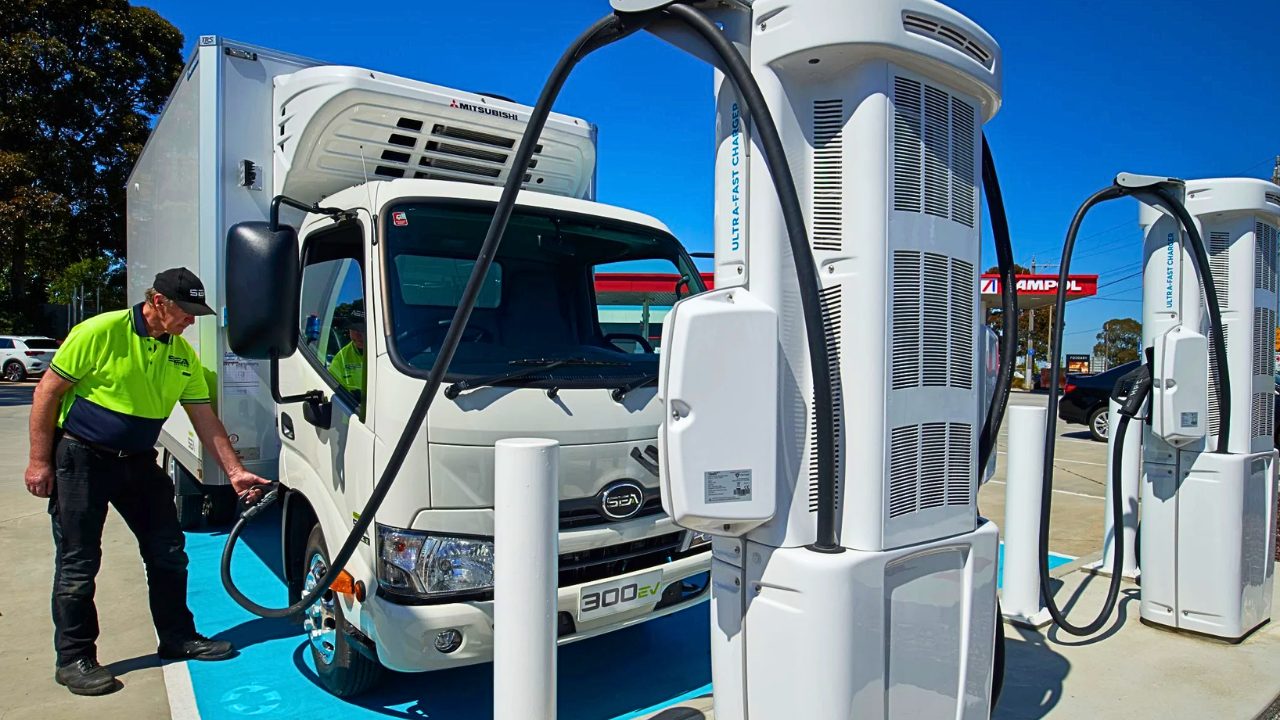
Electric trucks are gaining attention as diesel costs climb. U.S. Department of Energy data shows EV operating costs around $0.15 to $0.25 per mile, compared to $0.45 to $0.65 for diesel under normal conditions. At current prices, diesel exceeds $0.84 per mile in energy cost. That gap makes EVs more attractive for predictable routes and depot-based operations. Over an eight-year lifespan, total cost of ownership can be 20% to 30% lower for electric trucks. The economic argument is becoming harder for fleets to ignore.
Why This Shift Matters Beyond Trucking

The diesel spike affects far more than trucking profits. Fuel and wages make up large portions of transport costs, and sudden increases disrupt the entire supply chain. Grocery stores depend on continuous deliveries, with industry estimates suggesting shelves could empty within 3 days without trucking. Higher freight costs pass through to food and consumer goods over weeks or months. The March surge shows how quickly global events translate into everyday expenses. What happens next will depend on how long fuel prices remain elevated.
Sources:
Gasoline and Diesel Fuel Update. U.S. Energy Information Administration, March 17, 2026
Truckers worry as diesel climbs nearly 86 cents per gallon in a week. CDL Life, March 8, 2026
CARB Proposes to Repeal Advanced Clean Fleets Regulation. Sidley Environmental Health & Safety Brief, August 7, 2025
Updates to CARB’s Advanced Clean Fleet Regulations. California State Association of Counties, October 9, 2025
ATRI report: Rising costs continue to squeeze trucking industry. FreightWaves, July 3, 2025
The latest ICCT study on TCO in freight transportation. Sustainable Truck & Van, November 19, 2023
Final Rule: Greenhouse Gas Emissions Standards for Heavy-Duty Vehicles. U.S. EPA, March 29, 2024