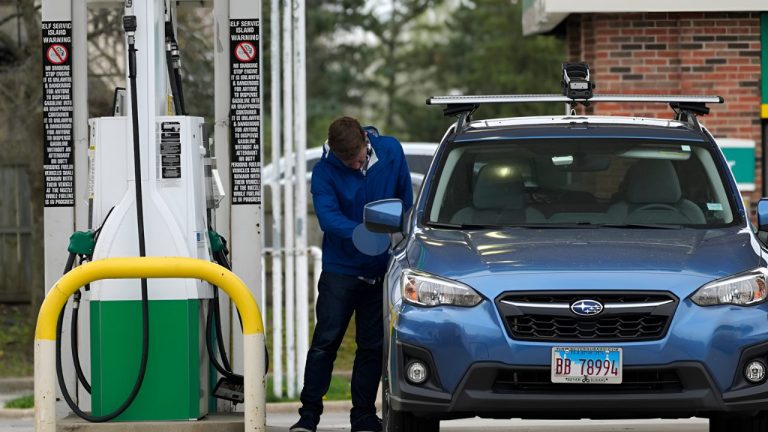
Trade-Ins Hit All-Time High $7,214 Negative Equity As Dealerships Push 7-Year ‘Payment Traps’
The owner called it a dream car. Saved for it, fantasized about it, signed the paperwork with shaking hands. Drove it home and felt nothing. “Maybe I shouldn’t say it’s my dream car because literally right after I bought it, I realized I didn’t really like it that much.” Four months later, the vehicle was sold at a loss.
The loan remained. The gap between the fantasy of buying and the reality of owning is swallowing American car buyers whole. The numbers behind it just hit a record nobody wanted.
Underwater Nation

Edmunds tracked every trade-in in Q4 2025. The finding: 29.3% carried negative equity, the highest share since the pandemic. The average amount owed beyond vehicle value reached $7,214, an all-time high. Nearly one in three buyers walked into a dealership already in the hole, trading a debt for a bigger debt.
Twenty-seven percent of those underwater buyers owed more than $10,000 over their vehicle’s worth. This problem moved to the center of the market. The financing structure that created it was already baked into the next purchase.
The Monthly Illusion

Stretching the loan to 84 months drops the monthly payment to something manageable. More than one in five car buyers signed those seven-year terms. Longer loans appear more affordable, but buyers rolling negative equity into new loans financed $11,453 more than typical buyers and paid $916 per month, $144 above the industry average.
Lower monthly payment, higher total cost. The math worked perfectly for the lender. The powertrain warranty expired two full years before the loan did.
The Trap Snaps
Forty percent of all negative-equity purchases used 84-month loans. This loan structure lowered the visible cost while guaranteeing buyers stayed underwater for the entire term. Powertrain warranty coverage ended at year five. Payments continued into year seven.
Two years of exposure with zero manufacturer protection. One owner bought a $70,000 Ford Explorer that showed paint chipping at 5,000 miles. Dealership response: paint defects not covered. Seven years of payments. Five thousand miles of coverage. The system works exactly as designed.
Depreciation Bomb
The Cybertruck exposed the trap at scale. First-year depreciation ran 35 to 45 percent, two to three times faster than a typical gas pickup. Owners lost approximately $35,000 to $45,000 in value within the first year. Consumer Reports ranked it among the least reliable vehicles in its class.
Meanwhile, new vehicle prices climbed 44% over the past decade, from roughly $34,000 to $49,000 on average. Vehicles cost more, lose value faster, and break down sooner. An 84-month loan becomes a financial cage with no exit and no resale floor.
Hidden Costs
The loan payment is only the visible expense. Bankrate found hidden ownership costs now total $6,894 annually per vehicle, about $575 every month beyond the car note. That figure climbed 3.1% year over year, outpacing general inflation.
Then came destination fees. The average in 2025 was $1,551, up 37% from 2019. Ford charged $2,795 just to deliver an F-150, adding over 7% to the base price before a buyer even negotiated. Combined with an 84-month loan, these costs make “affordable” a hollow word.
Quality Collapse

JD Power recorded a two-problems-per-100-vehicles increase in reliability from 2025 to 2026. Three-year-old vehicles averaged 204 problems per 100 vehicles, the worst since the study redesign in 2022. Jeep Grand Cherokee PHEV owners received the lowest owner satisfaction score of any model in Consumer Reports’ annual survey.
One dealership sat on more than 130 unsold 2025 Grand Cherokees, unable to move them. Buyers pay for seven years on vehicles that break down within months while manufacturers stack inventory. The debt lingers long after the product fails.
The Product Being Sold

This stopped being an individual mistake the moment 29.3% of trade-ins went underwater at the same time. That rate is becoming the new normal, and it rewrites how the entire market functions. Negative equity from one vehicle rolls into the next purchase, creating a debt loop where each transaction starts deeper in the hole.
Credit card companies perfected this model decades ago: minimum payment feels manageable, balance never shrinks, borrower stays indebted indefinitely. Car buying adopted the same playbook. The financing structure is the product being sold. The vehicle is the packaging.
The Warranty Cliff

The 84-month loan cohort from 2025 faces a collision in early 2028. At the 36-month mark, bumper-to-bumper warranty expiration hits while nearly four years of payments remain. Budget buyers fleeing to the used market will find depreciation bombs waiting: Nissan Leafs losing 60 to 66% of value within five years, Cybertrucks selling in the mid-to-high $60,000s after six-figure purchases.
Multiple automakers have already issued recalls for instrument panel display failures, including blank screens that disable speed readouts and warning lights. Toyota, Lexus, Ford, and Hyundai are all affected. Vehicles are getting worse. Loans are getting longer. Nobody has proposed shortening either.
The Debt Product

A 30-year mechanic put it bluntly: “Stop buying BMWs, Mercedes, Jeeps, and Dodges.” The FTC’s CARS Rule, vacated by a federal appeals court in January 2025 and formally withdrawn in 2026, had targeted hidden dealership fees. Other states may still pursue that model independently. Regulation chases the system. It does not redesign it.
Anyone checking their loan balance against their vehicle’s current trade-in value learns what most buyers discover too late. The dealership’s most profitable product was never the car on the lot. The financing contract in the back office brought the real profit.
Sources:
Edmunds | Falling Underwater on a Car Loan Is Becoming More Common | January 14, 2026
Edmunds | More Than 1 in 5 New-Car Shoppers Committed to $1,000+ Monthly Payments in Q4 2025 | January 2026
Bankrate | Study: Americans Pay $575 per Month in Hidden Car Ownership Costs | September 28, 2025
Kelley Blue Book | Destination Fees Hit Record High, Ford and GM Trucks Climb to $2,795 | March 5, 2026
JD Power | 2026 US Vehicle Dependability Study | February 12, 2026
Consumer Financial Services Law Monitor | Fifth Circuit Vacates FTC’s CARS Rule | January 27, 2025