Toyota Tells Half A Million Owners To Return Highlanders To Dealership Across Every State
Toyota is recalling more than half a million Highlander and Highlander Hybrid SUVs nationwide over a second-row seatback recliner spring defect, a supplier design change that can prevent the ratchet teeth from fully engaging, meaning the seatback may fail to properly restrain passengers in a crash. That number alone should stop you. The Highlander is one of the most trusted family haulers on American roads, the SUV parents buy specifically because they believe Toyota means safe. Now NHTSA’s recall database carries a campaign covering 500,000-plus of them. But owning a Highlander doesn’t automatically mean yours is affected. Your VIN is the only thing that matters, and the dealer pipeline absorbing this volume is where the real story starts.
How Recalls Work
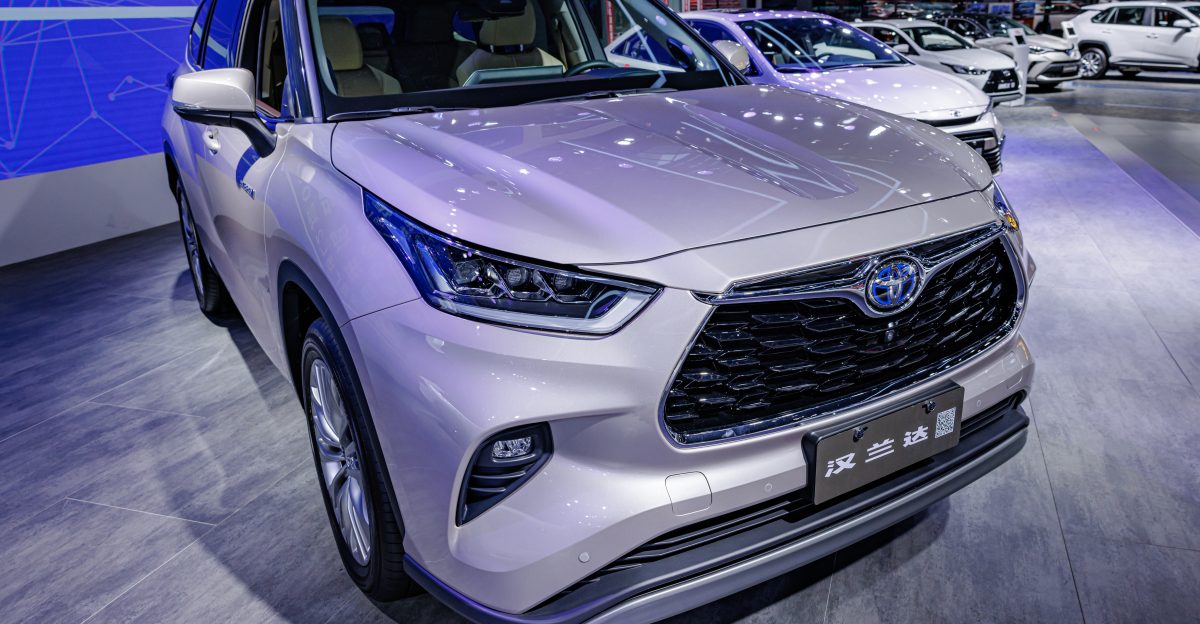
The U.S. recall system runs on two rails. NHTSA, the federal regulator, hosts the official campaign record and a VIN lookup tool that determines inclusion on a vehicle-by-vehicle basis. The recall covers certain 2021–2024 model year Highlander and Highlander Hybrid SUVs, and Toyota will fix affected vehicles free of charge through a dealer inspection and return-spring replacement. Toyota then executes the fix through its dealer service network. That split matters. The government decides which vehicles qualify. The manufacturer and its dealers handle the actual wrench-turning. Every recall you’ve ever seen follows this exact architecture. Understanding it explains why a half-million-unit headline creates a logistics nightmare before a single repair bay opens.
Your Kitchen Table
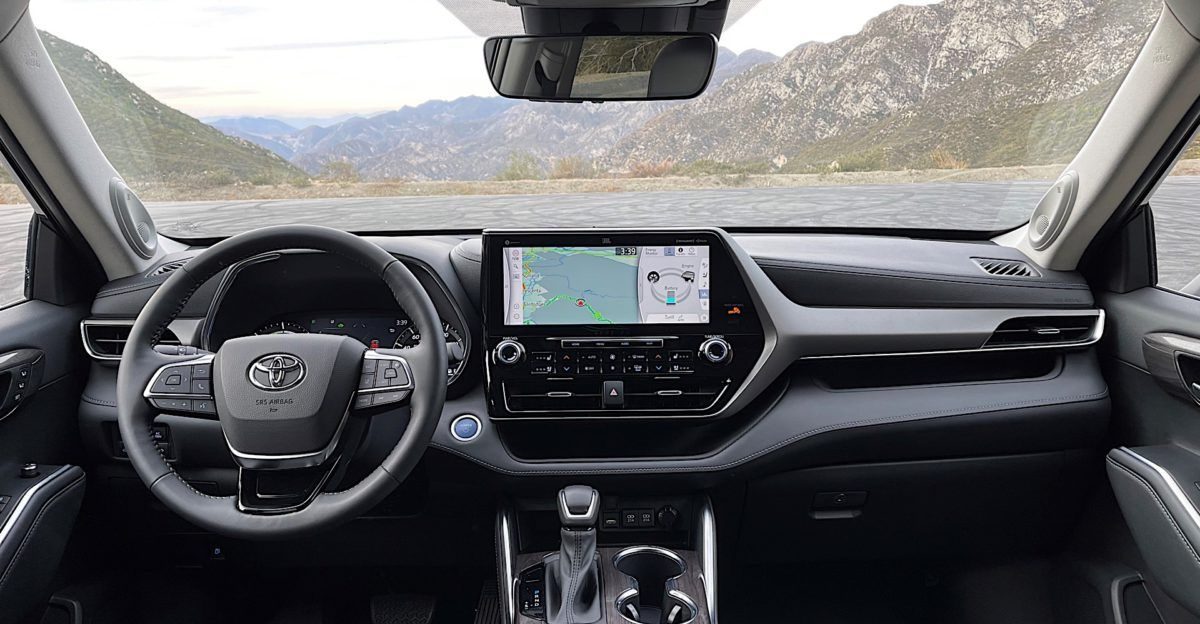
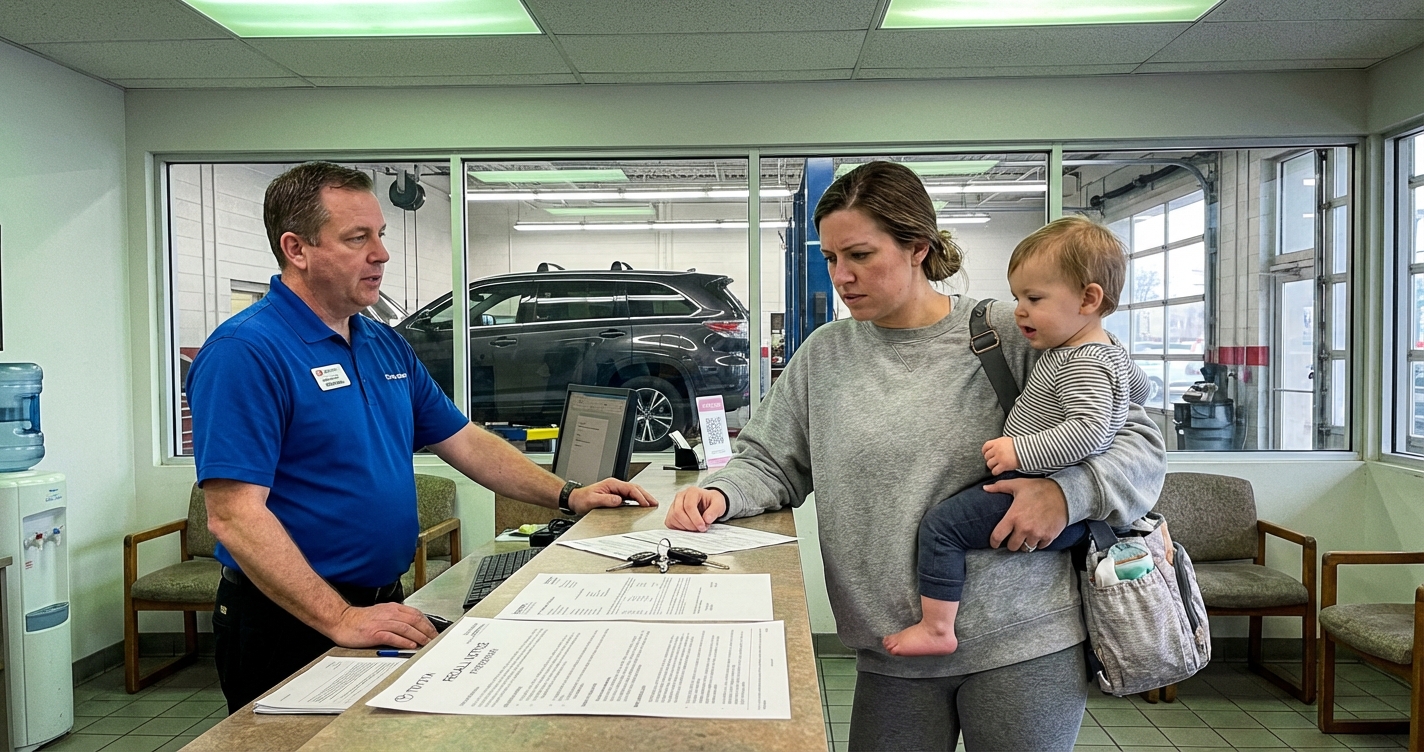
The direct hit lands on families first. Owners who confirm their VIN is included face the immediate grind: scheduling a dealer appointment, arranging alternate transportation, absorbing downtime while the vehicle sits in a service queue. For a household that depends on one SUV for school runs, grocery hauls, and weekend travel, even a few days without the Highlander creates real disruption. Multiply that inconvenience across hundreds of thousands of households, and the consumer cost in lost time alone becomes staggering. The business side of this equation looks even heavier.
Dealer Overload
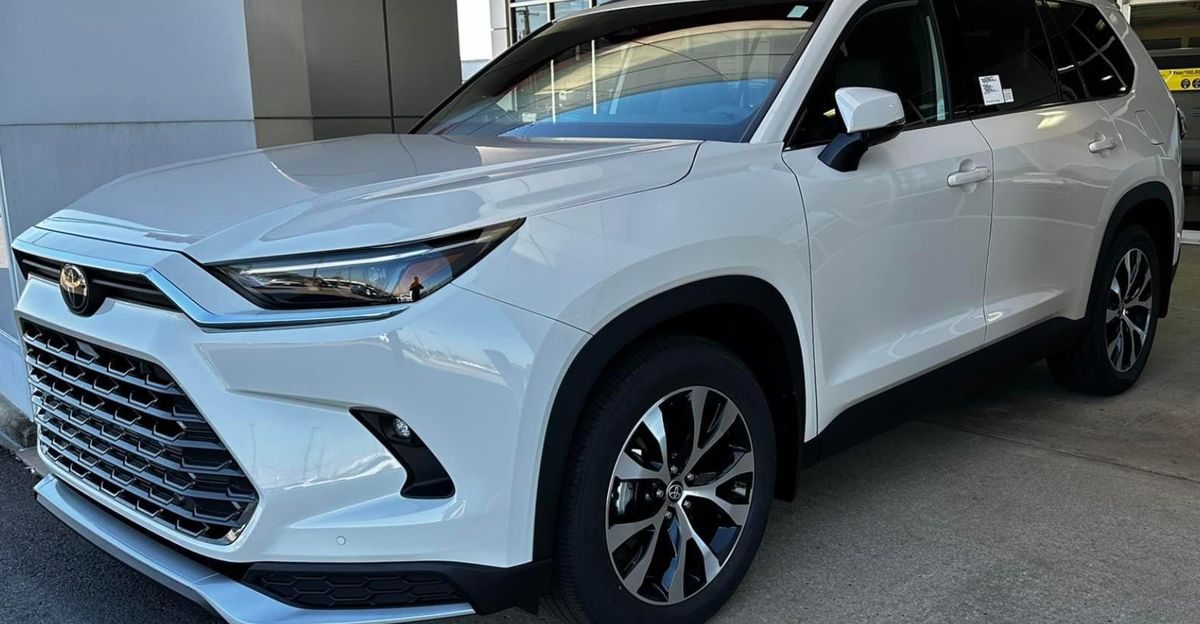
Toyota’s dealer network now absorbs the service load. More than 500,000 eligible SUVs funneling into repair bays means scheduling backlogs, parts inventory pressure, and technician hours stretched thin. Dealers facing parts constraints could see wait times balloon. Meanwhile, every bay occupied by a recall repair is a bay not generating revenue from paid service work. The economic ripple hits dealer profitability at the same moment customer patience runs shortest. And that’s just the businesses directly inside Toyota’s network. The scrutiny spreading outward covers far more ground.
Beyond Toyota
A recall this large doesn’t stay inside one brand’s walls. Media coverage amplifies scrutiny on quality systems and supplier chains across the entire auto industry. Consumer confidence in the broader SUV category takes a hit, because if Toyota’s flagship family hauler carries a defect at this scale, buyers start wondering about every nameplate. One recall campaign, and suddenly the reliability conversation shifts from brand-specific to industry-wide. That’s the part most people miss. The machinery connecting all of these consequences runs deeper than any single model.
The Hidden Machine
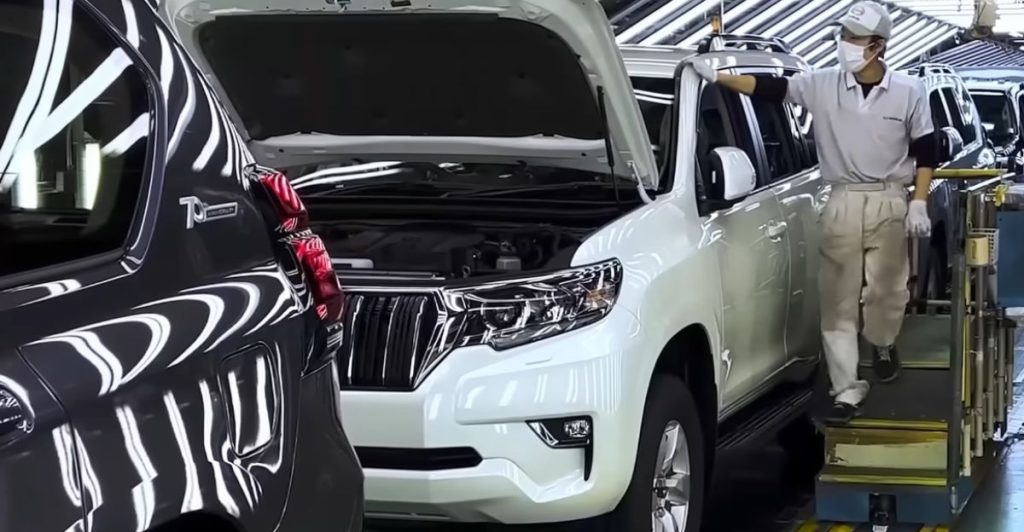
Every one of these ripples traces back to the same structure: NHTSA campaign record on one side, OEM dealer remedy pipeline on the other. That two-rail system determines who qualifies, when parts arrive, how fast bays turn over, and whether owners wait days or months. Recall headline hits your phone. VIN check confirms or clears you. Dealer schedules the fix. Parts arrive, or they don’t. Appointment books fill. Your family drives, or it doesn’t. Same machine, every time. Recalls are logistics problems disguised as safety headlines, and this one just proved it at scale.
Real Families
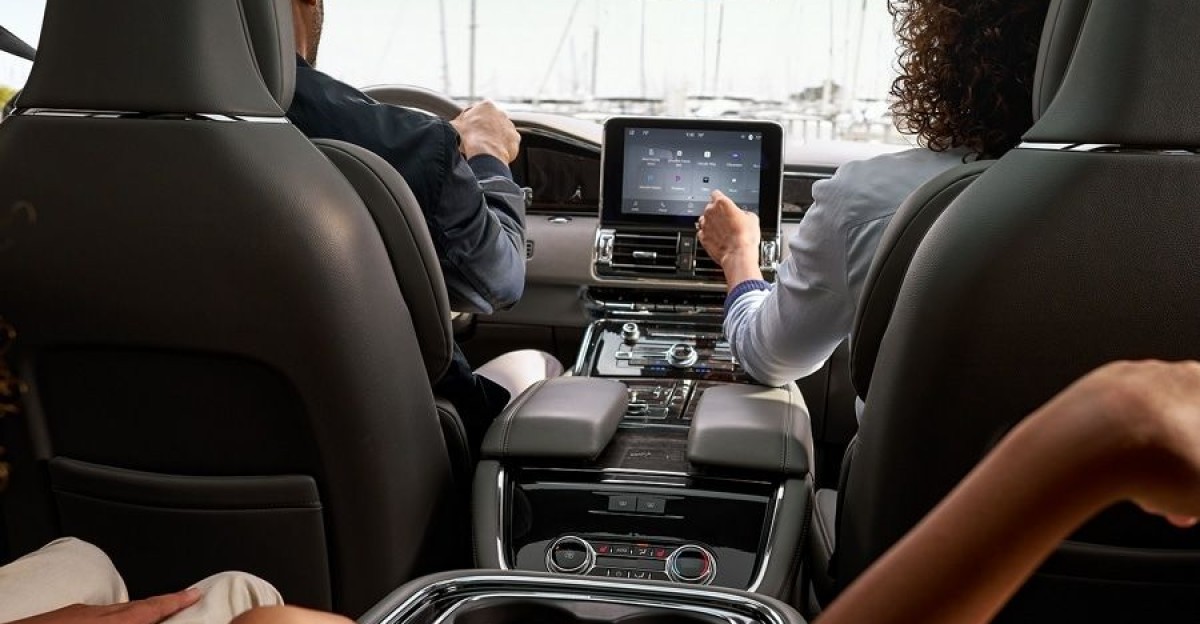
Behind the numbers sit parents who bought a Highlander because Toyota meant peace of mind. The somatic reality of a recall notice is a single question pulsing through every affected household: is my family safe? Consumer Reports publishes recall and defect explainers along with guidance for owners on how to respond to recalls. That guidance exists because panic spreads faster than facts. The owners who act fastest, confirming eligibility through NHTSA’s lookup tool, convert fear into agency. The ones who wait inherit the longest dealer queues.
New Rules
A recall covering more than half a million units reinforces a precedent that reshapes how consumers interact with safety information: VIN-based verification is the first move, not the headline. NHTSA’s database becomes the single source of truth, overriding viral posts and model-name assumptions. The old instinct, “my car’s a Highlander so I’m affected,” dies here. The new standard demands proof at the vehicle level. That behavioral shift outlasts this specific campaign and changes how every future recall gets processed by millions of American drivers.
Winners and Losers
Owners without convenient dealer access lose the most, facing longer drives and longer waits for a repair they didn’t ask for. Dealers in rural areas face parts constraints that urban service centers absorb more easily. The winners, if you can call them that, are owners who check their VIN early, schedule immediately, and clear the queue before it swells. The informed move fast. The rest get buried in the backlog. Knowing your VIN status right now is the difference between a minor inconvenience and weeks of uncertainty.
Not Over
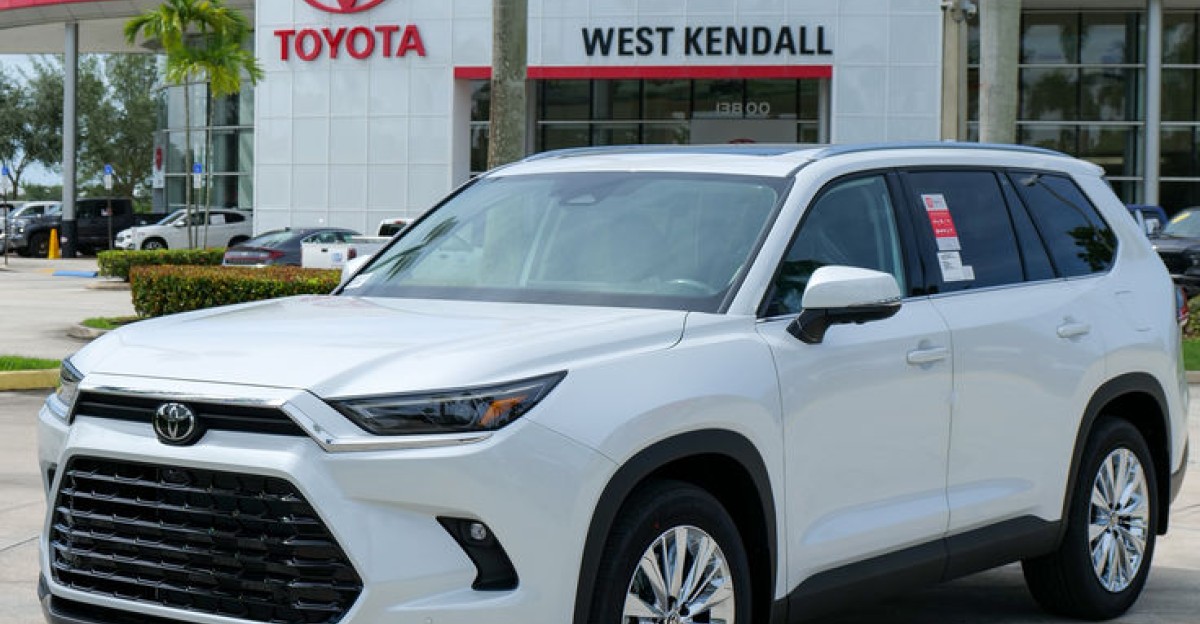
Toyota’s communications team and dealer scheduling systems are ramping to manage volume, but if remedy parts face delays, frustration compounds. The “remedy not yet available” window is where trust erodes fastest. This cascade keeps moving. Owners still need to confirm VIN eligibility through NHTSA.gov. Dealers still need parts and capacity. And the broader auto industry still faces the quality questions this recall surfaced. Anyone who reads this story and walks away understanding the two-rail system, the VIN-first rule, and the dealer bottleneck now sees every future recall more clearly than most Americans ever will.
Sources:
“Part 573 Safety Recall Report 26V128.” National Highway Traffic Safety Administration (NHTSA), March 5, 2026.
“Toyota recalls 550,000 vehicles in U.S. over seat defect, NHTSA says.” CNBC, 11 March 2026.
“Toyota Is Recalling More Than Half a Million Highlander, Highlander Hybrid SUVs.” Car and Driver, 12 March 2026.
“Toyota recalls 550,000 Highlander SUVs because seat backs may not lock properly.” CBS News, 12 March 2026.