Toyota Surrenders 40-Year Reliability Crown As 7 Other Brands Now Build More Dependable Cars
Toyota was long synonymous with dependability, known for vehicles that could reach 200,000 miles without major issues. The 2026 J.D. Power Vehicle Dependability Study placed Toyota in 8th place, the lowest in 37 years. Seven brands surpassed Toyota, including Buick, MINI, Lexus, Cadillac, Chevrolet, Subaru, and Porsche. The ranking reveals a shift in how reliability is measured. Problems with software integration and complex systems are now driving dependability outcomes. The change marks the first time the brand’s legendary reputation has been challenged, signaling a turning point for drivers and the industry.
Hybrid Strategy Creates Challenges
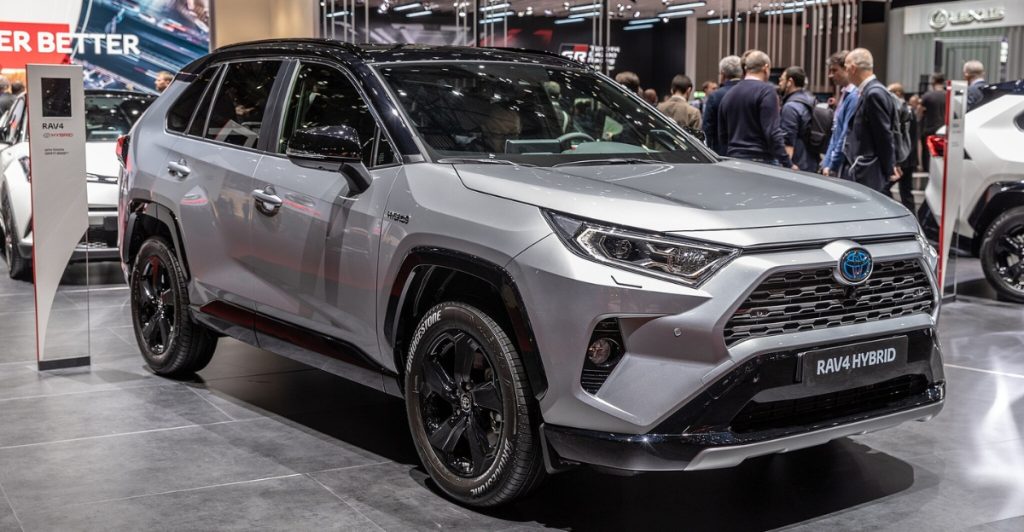
Toyota pursued hybridization aggressively, discontinuing the combustion-only RAV4 to focus on dual powertrains. Dual systems increase components that can fail, which raised the brand’s problems per 100 vehicles (PP100). Military.com noted on February 12 that hybrid owners often report issues with both combustion and electric systems. The mechanical simplicity that previously defined Toyota was undermined. The company’s environmental ambitions increased complexity without improving reliability scores. The focus on advanced technology exposed the brand to issues competitors avoided, creating pressure on both mainstream and luxury divisions to reassess development strategies and manage feature complexity more carefully.
Software Complexity Drives Industry Change
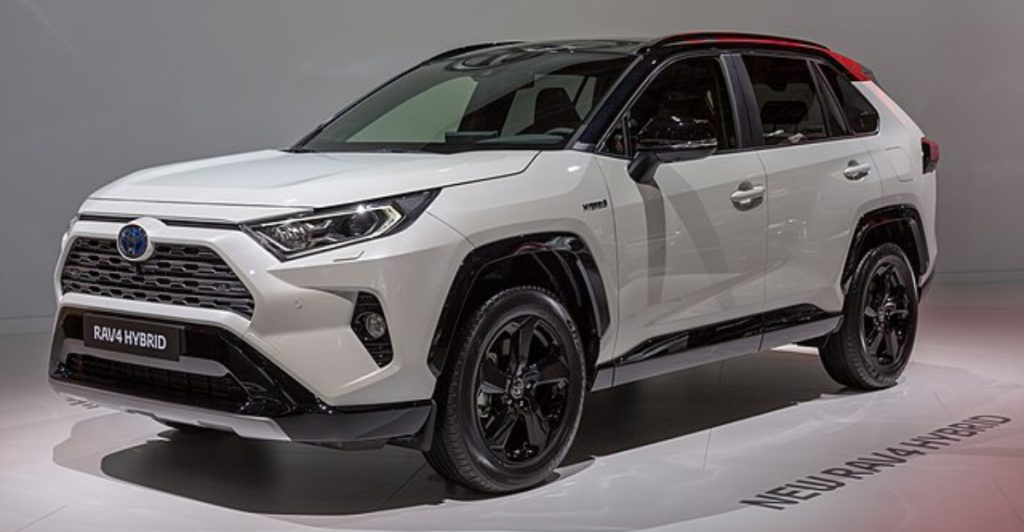
The 2026 J.D. Power study recorded 204 problems per 100 vehicles, the highest since 2022. Infotainment systems caused 56.7 PP100, the top failure category across all brands. Over-the-air updates frequently fail to correct mobile integration issues and sometimes introduce new glitches. Mechanical engineering alone no longer determines dependability. Software design, implementation, and validation now drive rankings. Brands that controlled feature expansion and refined integration gained an advantage. Those disciplined strategies explain why several competitors surged past Toyota, starting with the brand that claimed the top position.
#1 — Lexus
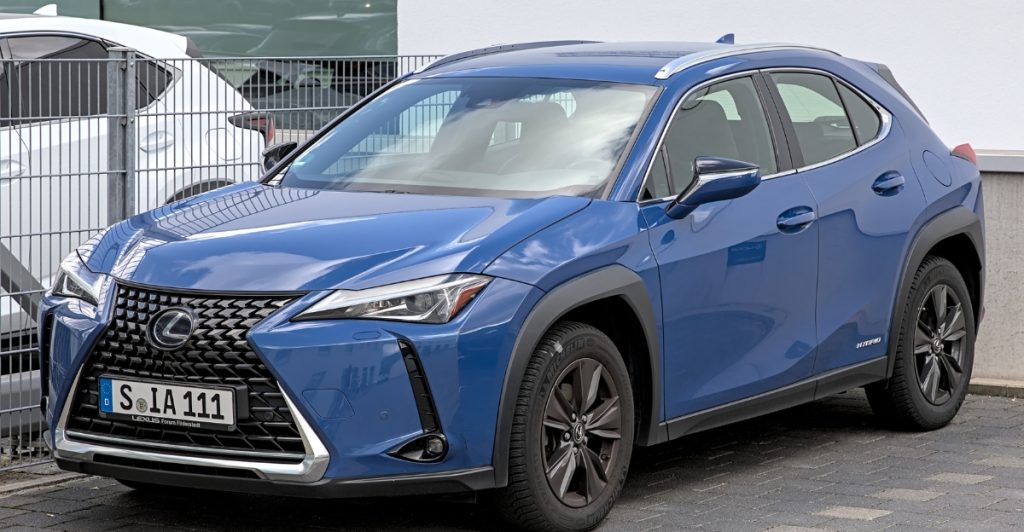
Lexus earned 1st place with 151 PP100, the lowest score in the 2026 study. The luxury brand balances technology with controlled feature expansion, preventing unnecessary failures. J.D. Power highlighted that Lexus combines Toyota engineering with extended development and testing cycles. The brand benefits from careful software integration and disciplined rollout of new features. Premium customers’ willingness to pay for additional engineering supports consistent dependability. Lexus demonstrates that leadership in reliability now depends on precise execution and quality control. The division’s dominance illustrates that disciplined development outperforms historical reputation and sets a benchmark for both mainstream and luxury competitors.
#2 — Buick
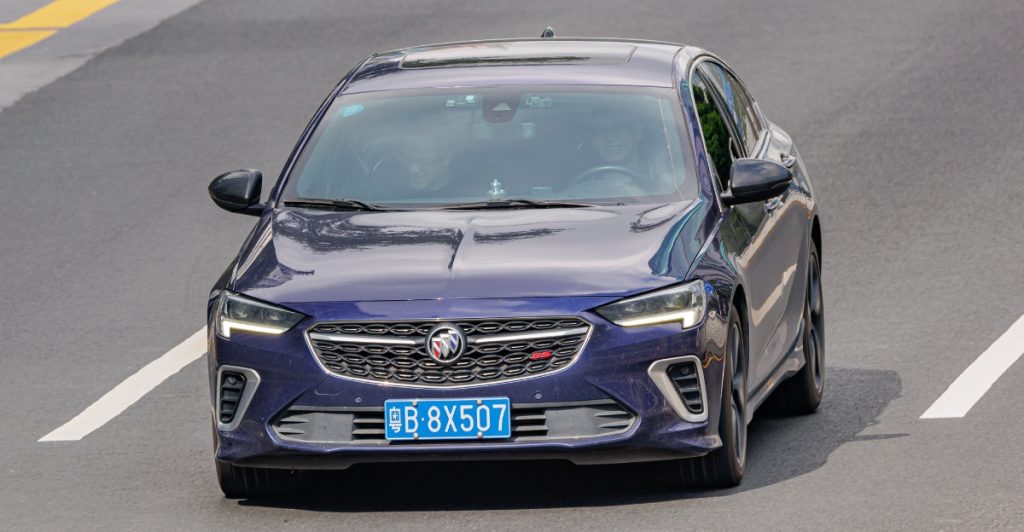
Buick ranked 2nd overall with 160 PP100, leading mass-market brands for the second consecutive year. Radical simplicity defines its vehicles, avoiding EVs and V8 trucks while focusing on proven, straightforward powertrains. CarPro reported February 17 that this approach eliminates many potential failure points. Buick achieves consistency across its lineup by limiting complex features and avoiding unnecessary software updates. This strategy has allowed it to outperform brands such as Honda, Subaru, and Toyota. Buick’s rise shows that disciplined engineering and simplicity can deliver superior reliability without relying on brand prestige, reshaping expectations for mass-market dependability.
#3 — MINI
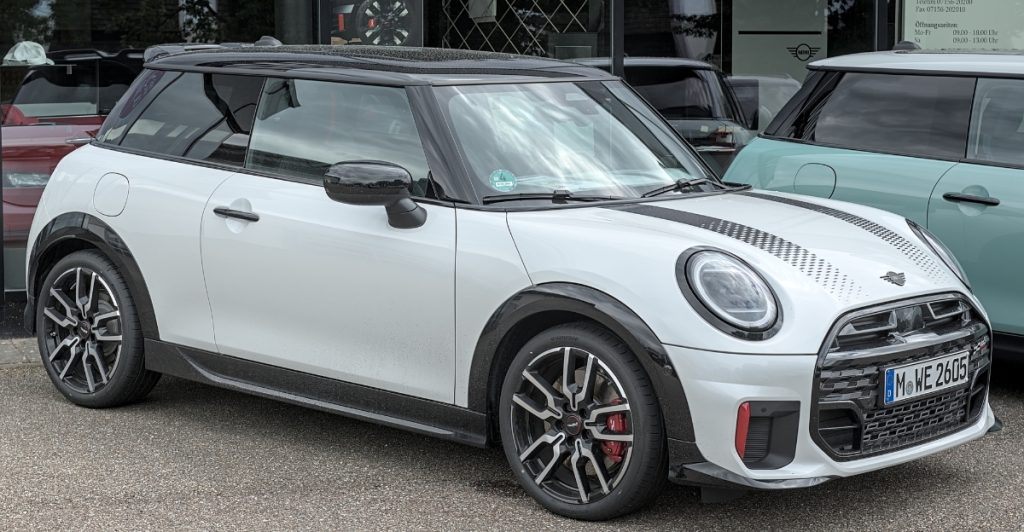
MINI jumped to 3rd place with 168 PP100, improving by 28 points from the previous year. Its compact lineup and focused engineering allowed faster mastery of software integration than competitors managing dozens of models. Military.com reported February 12 that MINI now ranks second among mass-market brands behind Buick. Smaller portfolios enabled tighter quality control, reducing infotainment and connectivity failures. The brand proves that careful engineering in smaller lineups can outperform sprawling model ranges. MINI’s performance demonstrates that disciplined execution in both hardware and software integration determines dependability, challenging traditional assumptions about brand size and resources.
#4 — Cadillac
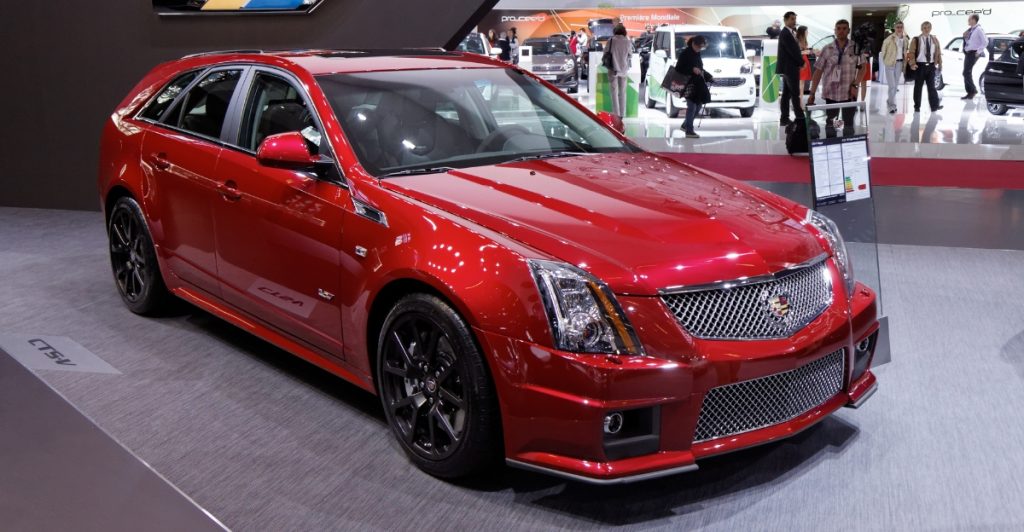
Cadillac achieved 4th place with 175 PP100, leading GM’s luxury division with disciplined integration of premium features. The J.D. Power study notes that luxury vehicles averaged 217 PP100, making Cadillac’s score a clear outlier. The brand avoided over-engineering and experimental features that increase failures in complex vehicles. By balancing sophisticated features with careful execution, Cadillac maintained reliability while delivering premium experiences. The ranking confirms that disciplined engineering and testing can prevent problems even in high-tech luxury cars. Cadillac’s approach shows that dependability is possible when innovation is introduced cautiously and systematically across the lineup.
#5 — Chevrolet
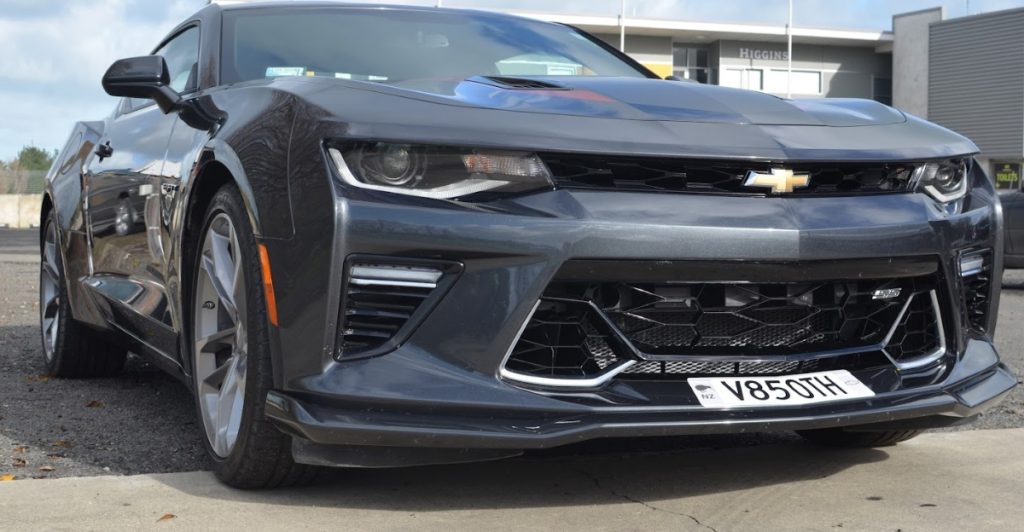
Chevrolet claimed 5th place at 178 PP100, proving that high-volume mainstream brands can maintain strong dependability. Platform sharing with Buick allowed the brand to apply simplified engineering strategies at scale. Reliability was especially critical for price-sensitive customers who cannot afford frequent repairs. The success demonstrates that disciplined engineering and controlled feature sets can create dependable vehicles in high-volume segments. Chevrolet’s performance highlights the growing importance of precise execution over historical reputation. Mass-market buyers now have access to reliability levels once reserved for luxury cars, challenging long-standing assumptions about price and dependability.
#6 — Subaru
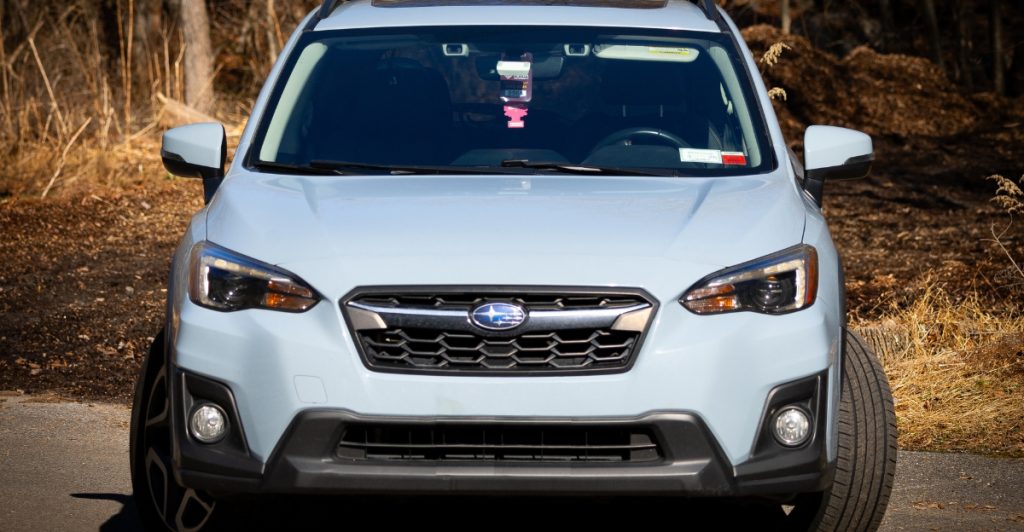
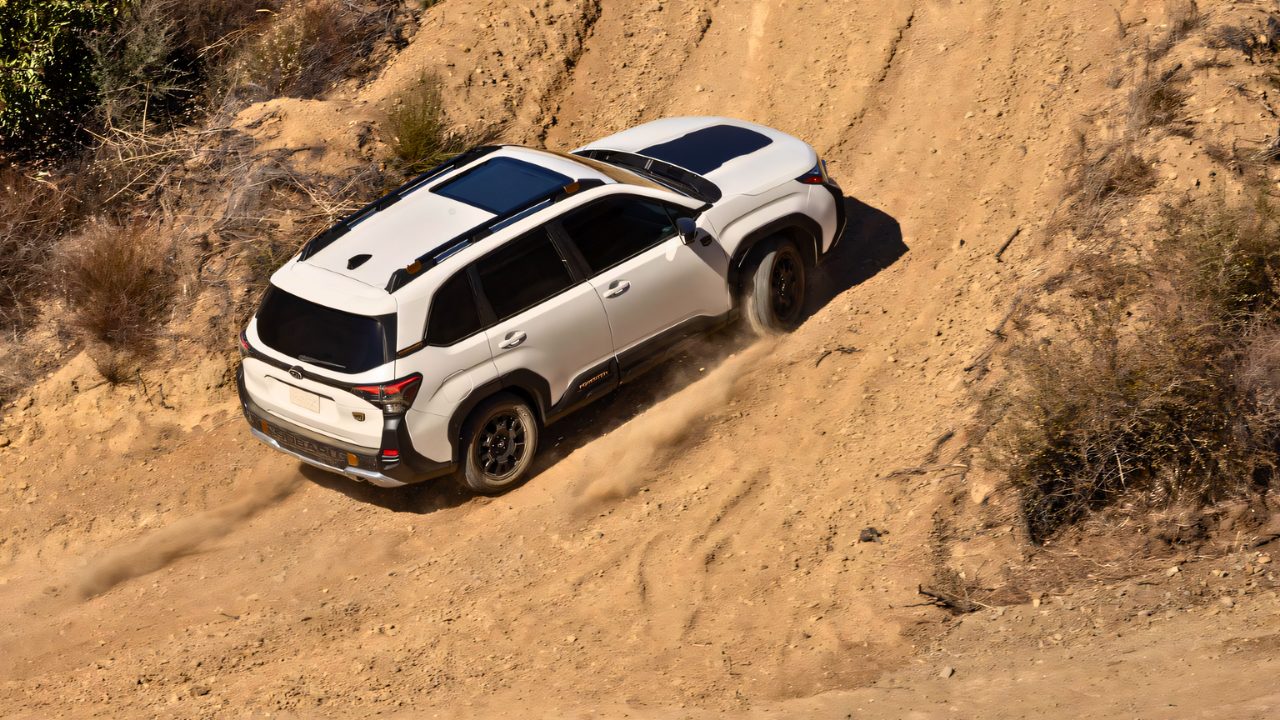
Subaru ranked 6th with 185 PP100, continuing its reputation for consistent dependability. Standardized all-wheel-drive architecture reduces variability and failure points across nearly all models. The February 11 study shows Subaru ahead of Toyota in actual problems reported, even while Consumer Reports previously ranked it second. Conservative engineering, limited infotainment complexity, and gradual adoption of new technologies reduce risks. The brand allows competitors to test innovations first, preserving reliability. Subaru demonstrates that consistent architecture and controlled technology introduction remain effective strategies. Dependability remains achievable without cutting-edge complexity, emphasizing engineering discipline over feature count or market pressure.
#7 — Porsche
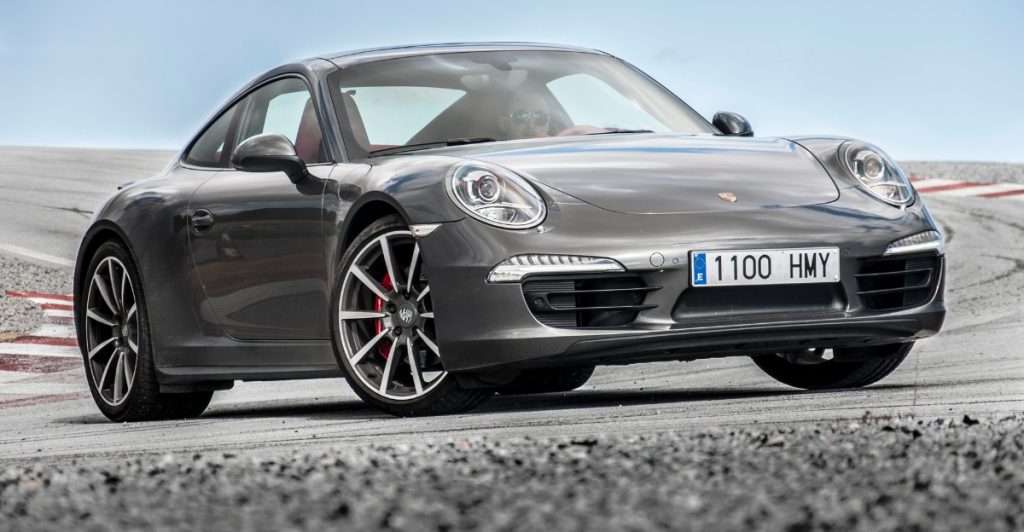
Porsche rounded out the top seven with 188 PP100, demonstrating that high-performance sports cars can maintain reliability. The brand’s rigorous engineering and software testing ensure high-output engines and advanced technology coexist with dependability. J.D. Power confirms that careful validation and execution produce consistent results. Porsche’s performance ahead of Toyota signals a shift: heritage alone no longer guarantees reliability. Modern dependability depends on disciplined engineering, software integration, and systematic testing. Premium performance vehicles can now match or exceed mainstream cars in reliability, redefining expectations for high-end automotive engineering and the importance of current-generation execution over historical reputation.
Sources:
2026 U.S. Vehicle Dependability Study (VDS). J.D. Power, Feb. 11, 2026
7 Automakers Are Building More Dependable Cars Than Toyota. CarBuzz, Feb. 23, 2026
Toyota Slips A Few Rungs On The Reliability Ladder. Military.com, Feb. 12, 2026
J.D. Power 2026 Vehicle Dependability Study Results. CarPro, Feb. 17, 2026