Toyota’s New EVs See Monthly Payments Slashed Up To 30% After Hyundai Rolls Out $10K Cuts
A $7,000 lease incentive. That’s what Toyota is waving at EV shoppers thinking about walking into a Hyundai dealership. Not a rebate buried in fine print. Not a loyalty points gimmick. Lease cash, applied as a capitalized cost reduction on 2026 electric vehicles alongside fresh price cuts — with $5,000 customer cash available for buyers who finance or purchase outright. The sticker price dropped, and then Toyota dropped thousands more on top of it. Somewhere in a boardroom, somebody decided the only way to keep buyers in the showroom was to pay them to stay.
Defection Fear
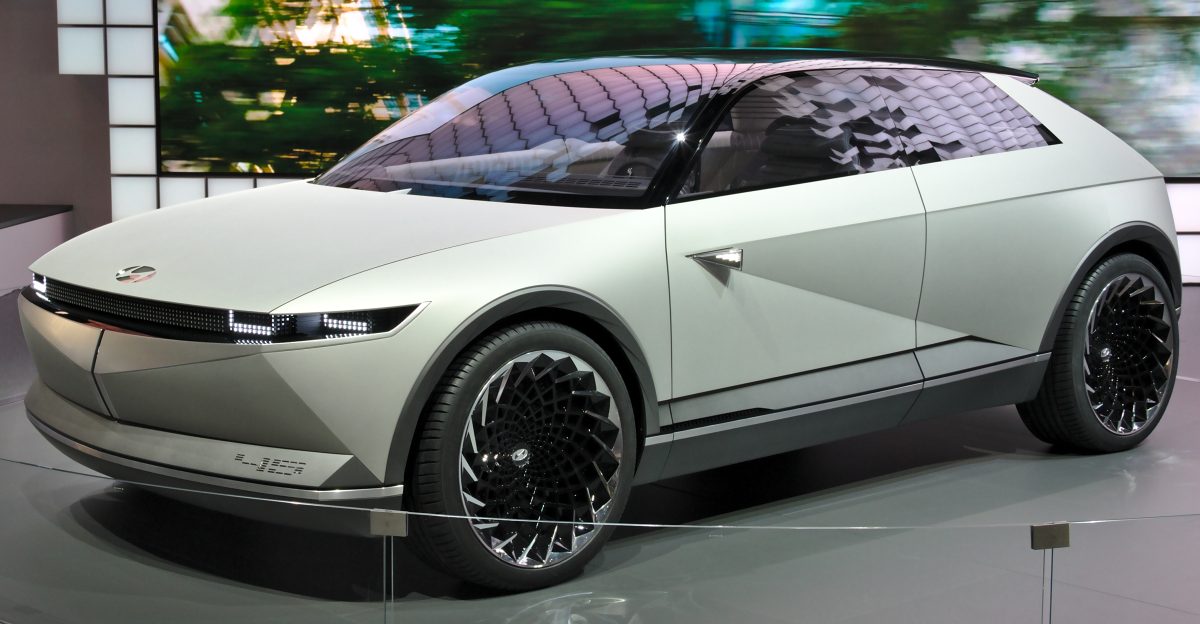
The move has been framed explicitly by analysts and media coverage: stop buyers from switching to Hyundai. That language matters. This isn’t a clearance sale on last year’s leftovers. This is a brand responding, in dollars, to a competitor pulling its customers across the lot. Hyundai’s EV lineup has been gaining traction with value-conscious shoppers, and Toyota’s response tells you exactly how much that pressure stings. Seven thousand dollars worth of sting, apparently. The question nobody at Toyota wants to answer is how long $7,000 holds the line.
Sticker Illusion
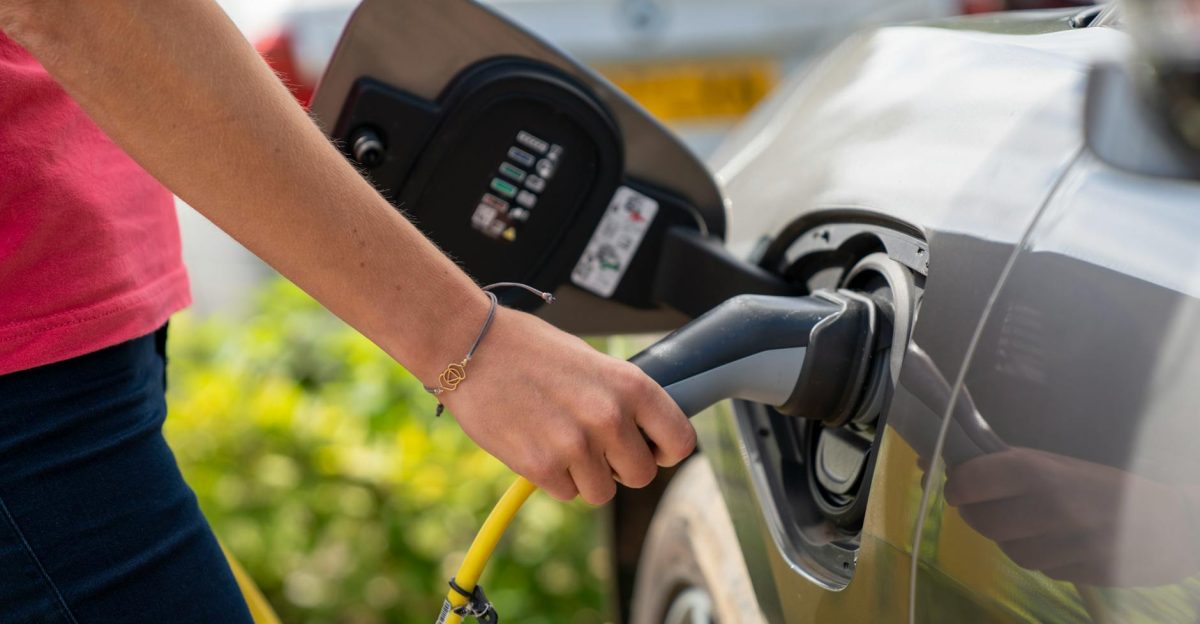
Most buyers still walk into a dealership and look at the MSRP. That number feels official, permanent, real. It is none of those things. Federal clean vehicle credit eligibility rules from the IRS can determine whether a buyer qualifies for a tax credit at all, and Treasury guidance shapes how those rules land in practice. When credits vanish for certain models, automakers fill the gap with OEM cash. The sticker becomes theater. The real price is whatever stack of incentives, credits, and cuts the dealer can assemble that month.
The Real War
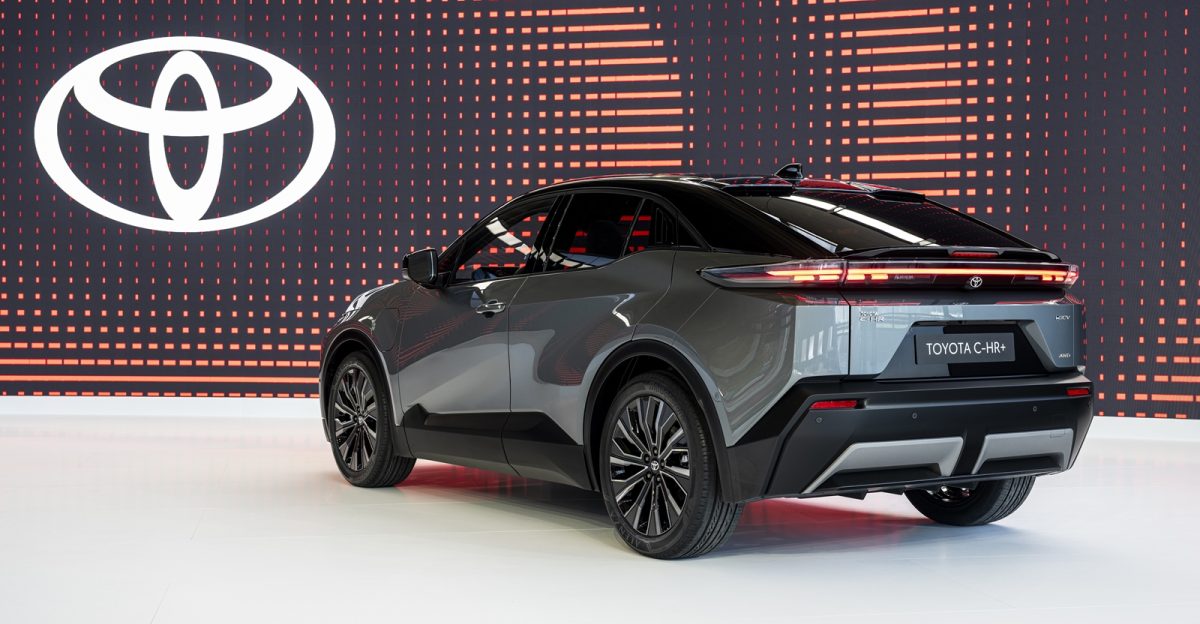
Toyota’s $7,000 isn’t generosity. It’s arithmetic. EV affordability runs on a three-layer stack: MSRP, manufacturer incentives, and federal policy credits. When one layer weakens, another has to compensate. Credits get restricted by sourcing rules. Buyers lose eligibility. So Toyota writes a check instead. Seven thousand dollars to close a gap that policy was supposed to fill. The EV price war everyone assumed was about battery costs and technology breakthroughs turned out to be about who can engineer the lowest monthly number fastest.
Payment Engineering
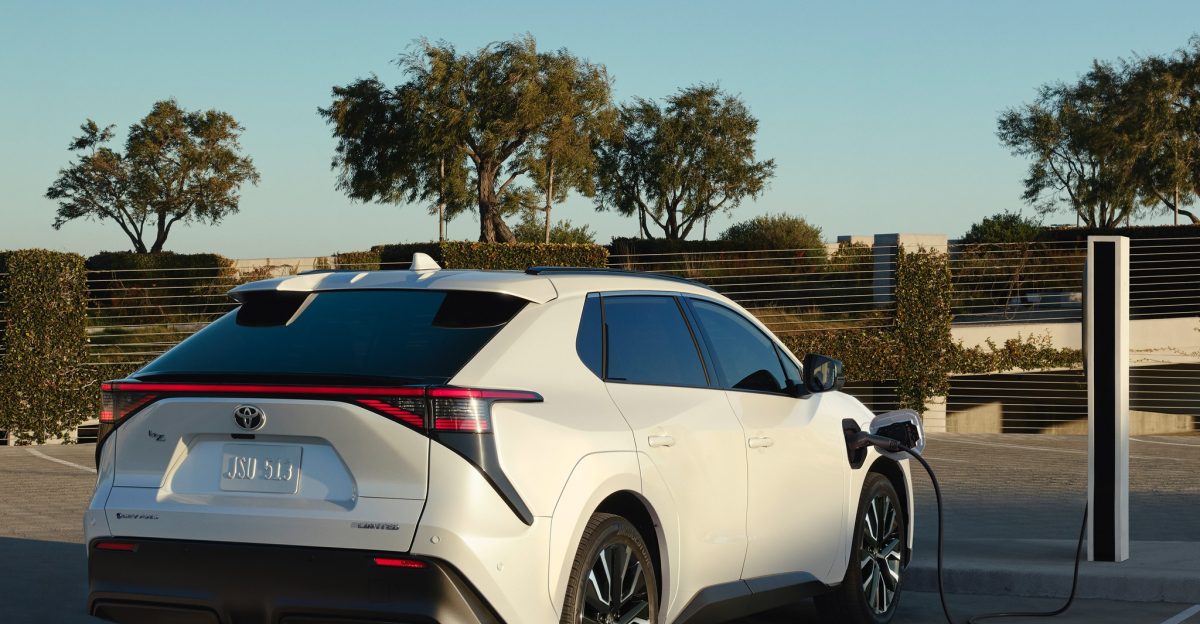
The real competition is over net monthly payment, not brand slogans. A $7,000 cash incentive can translate into a materially lower monthly bill depending on term and rate, which is exactly why Toyota deployed it. This is a payment war disguised as a price war. Market trackers at Cox Automotive and Edmunds document elevated incentive activity across the entire EV sector, confirming this isn’t one brand panicking. The whole industry is learning the same lesson: shoppers don’t compare MSRPs. They compare what hits their bank account on the first of the month.
Trained to Wait
Incentive wars teach consumers a brutal habit: patience. When buyers see $7,000 today, they wonder about $9,000 next quarter. Market analysts note that surging EV incentives increase demand volatility because shoppers time purchases around promotional cycles. Every aggressive deal trains the next customer to delay. Meanwhile, recent buyers watch their vehicle’s effective value drop with each new incentive round, fueling depreciation anxiety. One price cut sells cars this month. It also poisons confidence for everyone who bought last month.
Ripple Cost
Competitors will counter. That’s the iron law of incentive wars. Richer cash offers, more aggressive lease structures, deeper cuts on trims that overlap Toyota’s lineup. Pricing across the EV sector becomes increasingly promotional and less anchored to MSRP, which reshapes how every manufacturer budgets, builds, and markets electric vehicles. Margins compress. Production plans adjust. The ripple extends beyond any single brand. Toyota threw $7,000 into the water, and every automaker selling an electric vehicle felt the wave reach their spreadsheet.
New Rule

This isn’t an exception. Large OEM cash is becoming a standard tool to offset policy-credit uncertainty. Clean vehicle credit eligibility rules have evolved over time, changing which vehicles qualify, and automakers have learned they cannot build sales plans on credits that might not land. So they build them on cash they control. That shift rewrites the playbook for every EV launch going forward. The precedent Toyota just reinforced says: if the government credit is uncertain, write the check yourself and bake it into the sticker.
Escalation Ahead
The next twelve months look like a bidding war with no ceiling. Incentive escalation leads to margin compression, which forces production and trim adjustments across the sector. Buyers who haven’t purchased yet gain leverage with every passing month, while owners who already signed watch residual values wobble. The people who lose next are the ones who bought at last quarter’s “best deal ever” only to see a better one materialize before their first oil change equivalent. Timing an EV purchase now feels less like shopping and more like trading options.
The Counterpunch
Automakers already have a counter move in development: leases. Lease structures let manufacturers monetize federal credits where eligible and control the monthly payment directly, bypassing the messy question of whether the buyer qualifies for a tax credit at all. That’s the next front in this war. Anyone still comparing EVs by sticker price is shopping a number that barely exists anymore. The real price is engineered fresh every month by incentives, credits, and competitive panic. MSRP is the costume. The deal sheet is the person wearing it.
Sources:
“Toyota discounts new EVs with $7,000 off and 0% financing.” Electrek, 11 Mar 2026.
“bZ Lease Offer Details (2026 Toyota bZ XLE, $7,000 Lease Bonus Cash, Exp. 31 Mar 2026).” Toyota, Greater New York Region, 2026
“Hyundai is offering a $10,000 discount on all 2026 IONIQ 5 EV models.” Electrek, 5 Feb 2026.
“EV Market Monitor – November 2025.” Cox Automotive, 14 Dec 2025.