Toyota’s ~2.5M US Sales Smash Record—Tesla Global Sales Fall in 2025
Walk onto a dealership lot anywhere in America, and the story is clear. No spreadsheet needed. The hybrid SUV section is almost empty. Shoppers are so eager for RAV4 Hybrids and Crosstreks that they’re adding their names to waiting lists, while brand new electric vehicles sit in rows, gathering dust and rain. Hybrid inventory jumped 47 percent year-over-year to 292,000 units, but it still cannot keep up with demand.
Policymakers dream of an all-electric future. In reality, $775 car payments every month steer Americans toward a different route.
The Last Hurrah for EV Credits
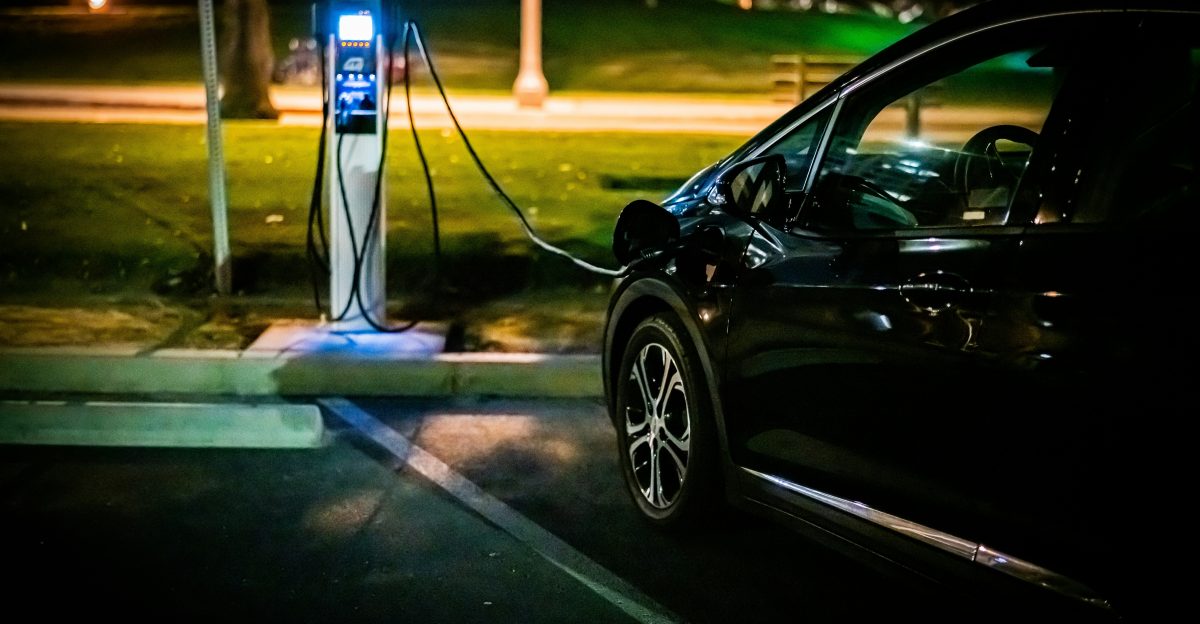
September 2025 was the last chance for Americans to claim up to $7,500 in federal EV tax credits. That month, battery electric vehicles reached 11 percent market penetration. This set a new high. For a moment, the electric revolution appeared to arrive.
Meanwhile, Toyota quietly sold 1,183,248 electrified vehicles in 2025, making up 47 percent of its total sales and marking a 17.6 percent increase from 2024. That is about 2.5 million Toyota and Lexus vehicles sold in the US, a new all-time record for Toyota Motor North America. For the Toyota brand alone, it was the best sales year since 2017.
A Market Falls Overnight
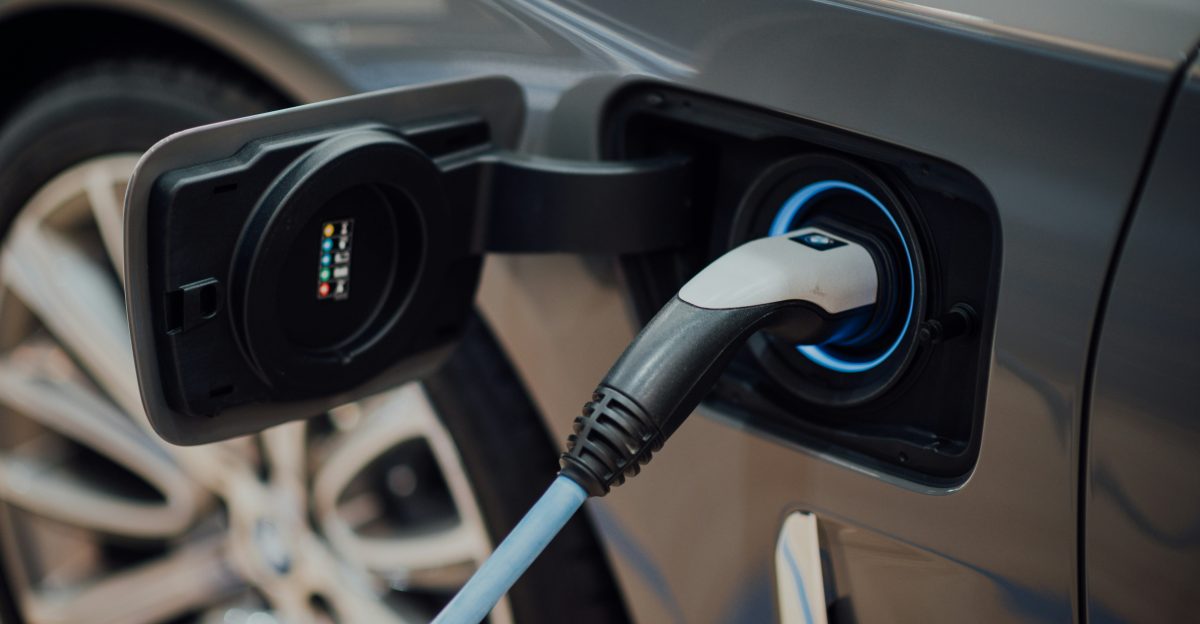
October 1, 2025 arrived. The credits were gone. The EV market slowed and then collapsed. Within 90 days, battery electric vehicle share dropped from over 11 percent to under 6 percent, according to the National Automobile Dealers Association. That is nearly a 50 percent plunge in a single quarter.
Years of bold promises about an “inevitable EV future” vanished as soon as the government money dried up. Hybrids kept gaining ground, climbing to 16.3 percent of new vehicle sales. That is almost double the EV share, now at just 8.6 percent.
Industry Admits Miscalculation

Stellantis CEO Antonio Filosa did not mince words: “The charges largely reflect the cost of overestimating the pace of the energy transition that distances us from many car buyers’ real-world needs, means and desires.” In just two years, automakers announced plans for more than 20 US gigafactories, totaling over $50 billion in investments.
About half of those projects have now been canceled or put on hold. This means more than $25 billion in planned investment has been canceled or shelved. Automakers assumed buyers would follow the subsidies indefinitely, but drivers followed those incentives to the exit.
Toyota’s Hybrid Advantage
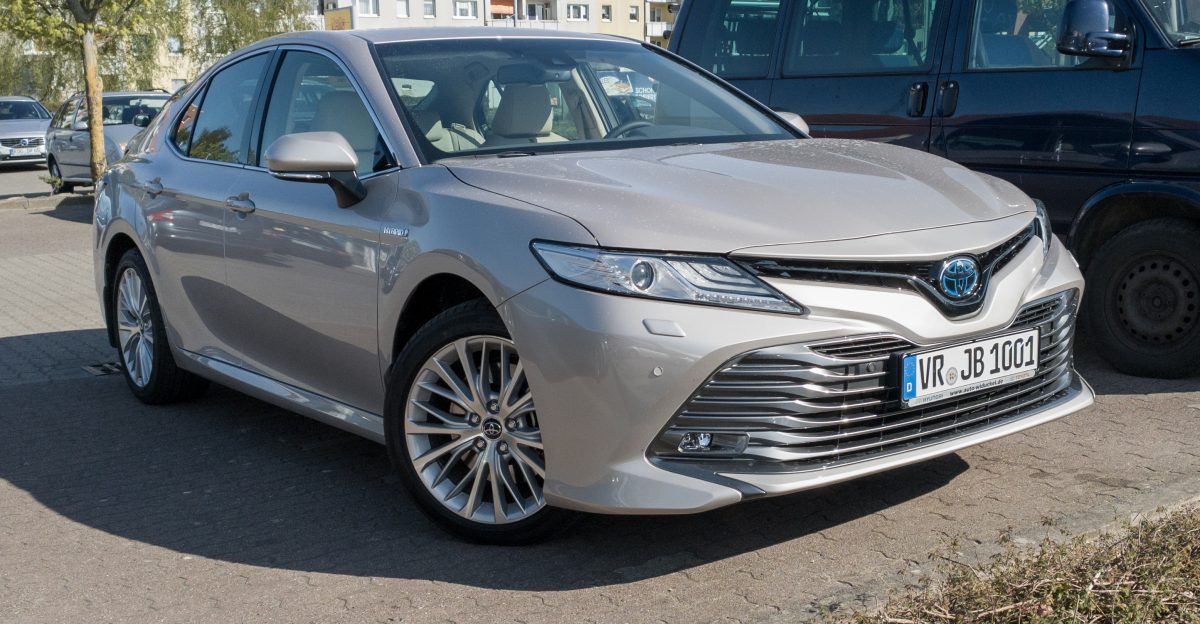
Toyota moved 4.43 million hybrids worldwide in 2025. That is half of everything the company produced that year. Nearly half of all US hybrid registrations now carry a Toyota badge. For 2026, the Camry is available only as a hybrid, and it captured 31.7 percent of the alternative fuel car market in the last quarter of 2025. Consumer Reports named Toyota the most reliable automaker in America.
After 28 years of hybrid engineering since the original Prius, Toyota has built a manufacturing edge no press release about battery plants can match.
Reliability Numbers Tell the Story
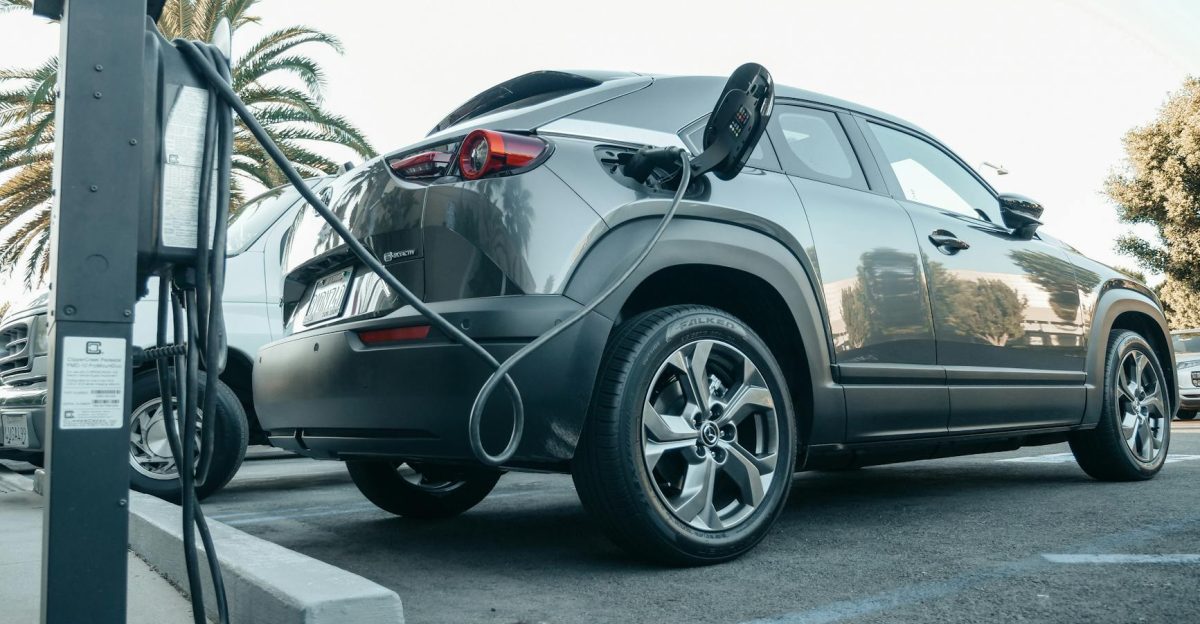
JD Power’s 2026 Vehicle Dependability Study found plug-in hybrids had 281 problems per 100 vehicles. Gas-powered cars scored better at 198, and pure hybrids landed at 213. The technology sold as the future is proving to be the least reliable on American roads.
Over-the-air software updates, promoted as a key EV advantage, caused a 14-point jump in reported problems. Subaru’s Crosstrek earned the title of most dependable small SUV. Ninety-seven percent of Crosstreks sold in the last decade are still running.
Winners and Losers After Subsidies

Tesla’s Model Y remained the world’s best-selling EV in 2025, with 1,085,521 units delivered. This figure is down 7.5 percent from the previous year. Pew Research found that 45 percent of Americans would seriously consider a hybrid, while only 33 percent would consider an EV. TransUnion found that half of prospective buyers plan to stick with gas vehicles, 33 percent want a hybrid, and just 16 percent are looking at electric.
These figures show what buyers want now that subsidies have ended. Every EV startup built its business plan on a market that lasted only as long as government money did.
Hybrids Take Center Stage
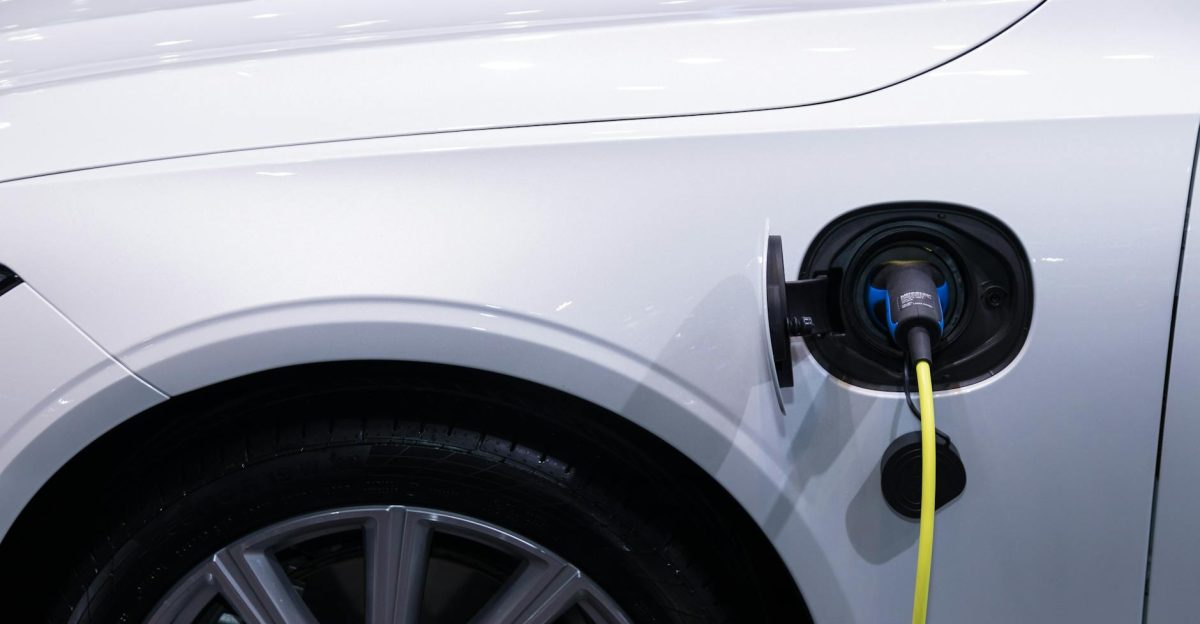
Automakers cannot overlook this turnaround. There are now 87 different hybrid models on US dealer lots, twice as many as five years ago. Sales of Toyota’s Grand Highlander jumped 72 percent in January 2026, while the Camry rose 15 percent. Hyundai hybrids surged by 60 percent.
Honda’s Civic Hybrid offers 200 horsepower and 44 miles per gallon. Hybrids have become the profit engine funding what comes next.
Millions Wait for Affordable EVs
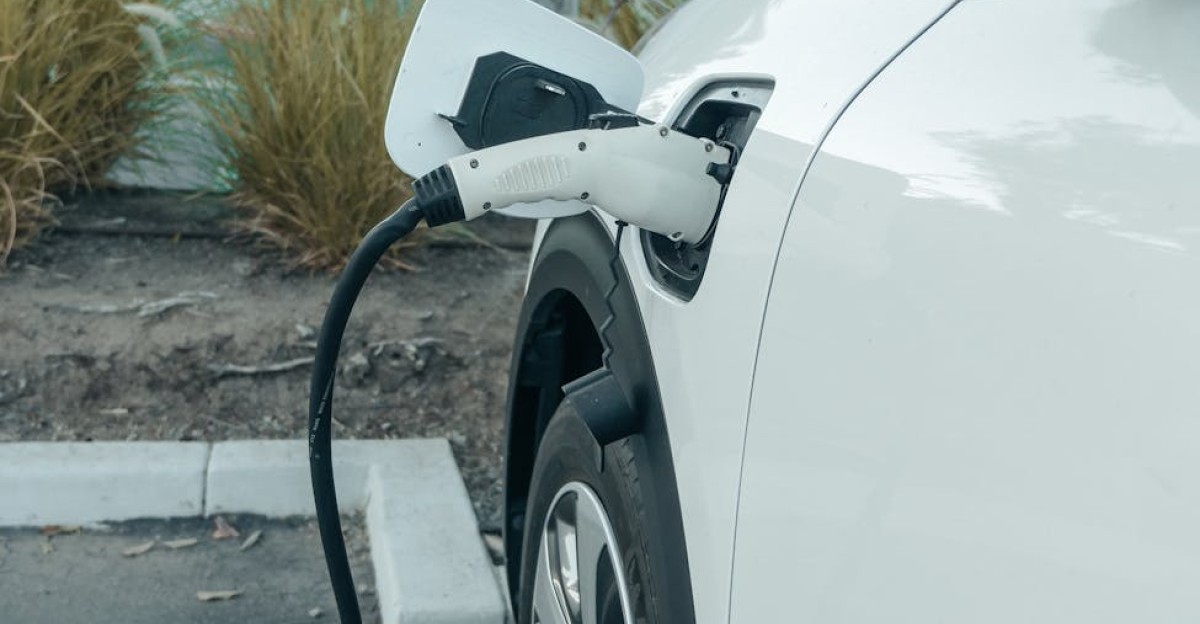
Roughly one in three hybrid drivers switch to a fully electric vehicle for their next car. Before the tax credit expired, 70 percent of hybrid-owning households considered going electric. This puts millions of potential EV buyers on the sidelines, waiting for prices to drop and charging stations to improve.
Globally, the hybrid market reached $312.52 billion in 2025 and is projected to reach $570.78 billion by 2034. The EV revolution is waiting for the right price.
The Hybrid Surge Explained
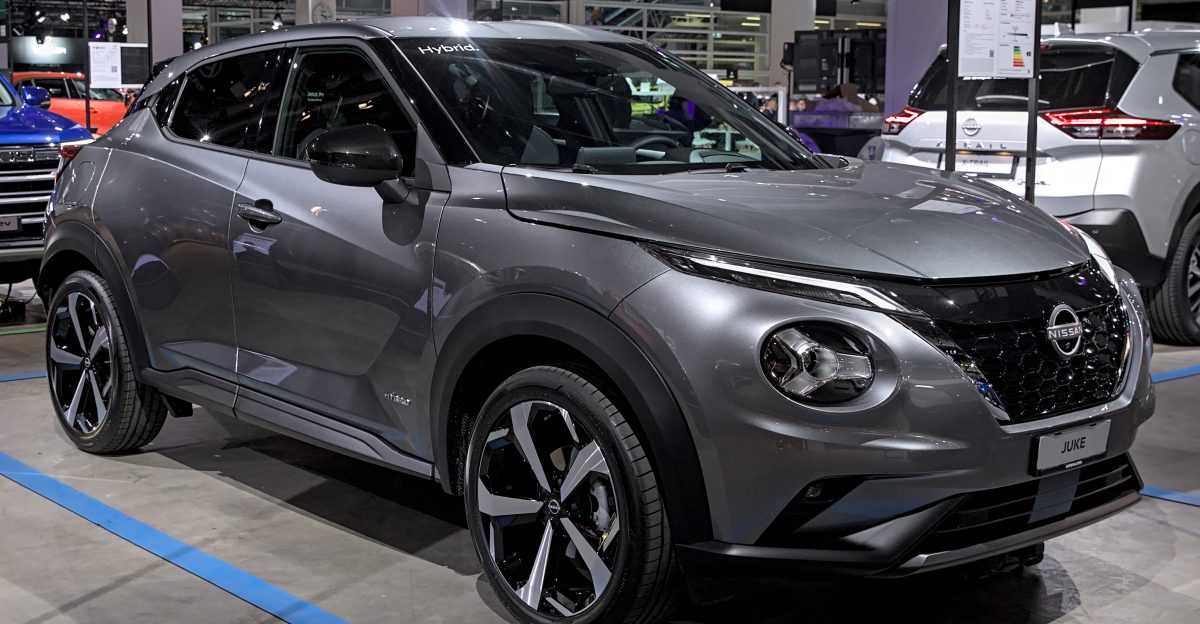
Hybrid market share has soared 426 percent since 2020. This is the fastest adoption of any powertrain since fuel injection replaced carburetors. Consumers chose affordability and reliability over big promises and government perks.
Now, every automaker must solve a difficult problem: Can EV battery prices drop fast enough to compete with hybrids that already work, already profit, and already sit in American driveways? Toyota made its bet on hybrids decades ago. The rest of the industry is still rolling the dice.
Sources:
Toyota Motor North America — Toyota Motor North America Reports 2025 U.S. Sales Results — January 5, 2026
Tesla Investor Relations — Tesla Fourth Quarter 2025 Production, Deliveries & Deployments — January 2, 2026
Autovista24 — The World’s Best-Selling New BEVs and PHEVs of 2025 — February 15, 2026
JD Power — 2026 U.S. Vehicle Dependability Study (VDS) — February 11, 2026
Stellantis N.V. — Full Year 2025 Results — February 26, 2026
CBT News / NADA — BEV Sales Fall Sharply in October After Federal Tax Credits Expire — November 12, 2025