Toyota Kept a 15-Year V8 Running And Cut Repair-Bill Anxiety For Many Drivers
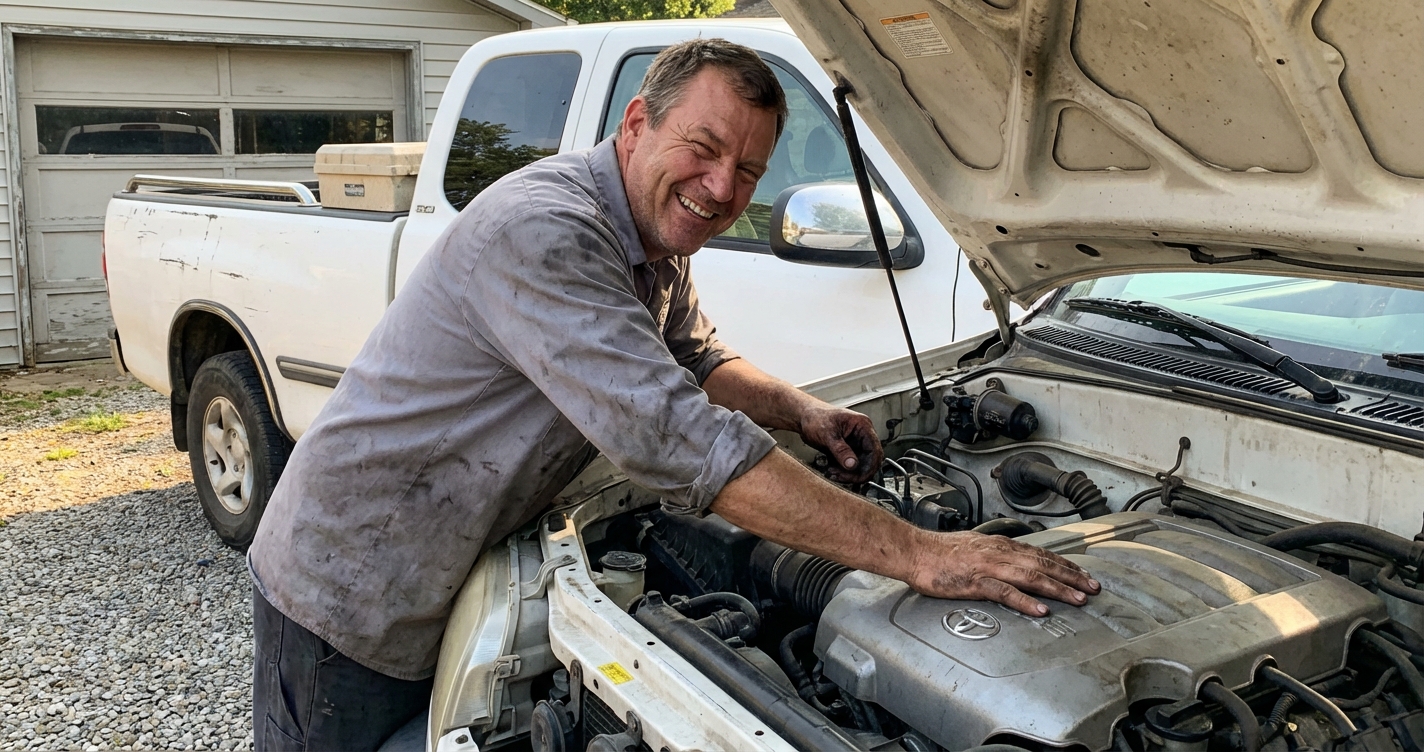
From 2007 to 2021, Toyota’s 3UR-FE 5.7-liter V8 rolled off the assembly line at Toyota Motor Manufacturing Alabama largely unchanged. No turbochargers bolted on. No hybrid module grafted to the block. Just a naturally aspirated V8, built across roughly 15 model years while competitors raced to downsize, electrify, or both. Production ended when the redesigned 2022 Tundra switched to a twin-turbo V6, but the 3UR-FE’s legacy on the road is far from over. That stubbornness is the whole story. And the reason Toyota kept building it had nothing to do with nostalgia.
Wallet Dread
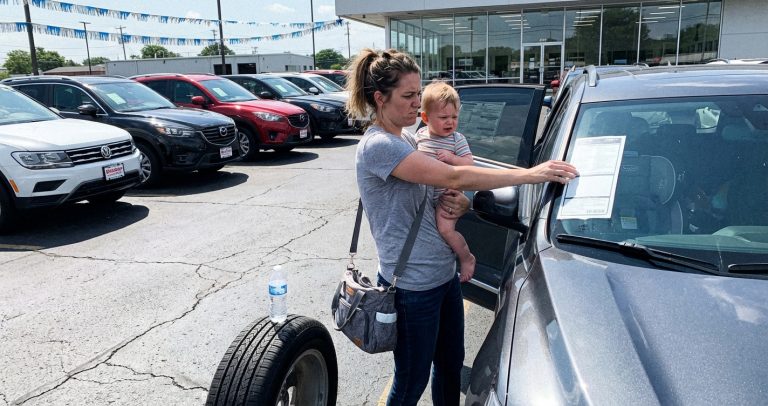
Most people shopping for a truck or SUV carry the same quiet fear: getting stranded by a powertrain nobody at the local shop understands. New turbocharged engines, 48-volt mild hybrids, first-generation EVs—impressive on paper, terrifying on a repair invoice. Toyota’s answer was counterintuitive. Instead of chasing the latest engineering, the company kept producing a V8 with roughly 15 years of continuous production. Every year it survived was another year of mechanics learning its quirks and parts warehouses stocking its components. The 3UR-FE powered the Tundra, Sequoia, Land Cruiser 200, and Lexus LX 570 across that span.
The Myth
Common wisdom says a long-running engine must be bulletproof. Fans build legends around it. Forums declare it indestructible. That belief sells trucks, but it confuses two different scoreboards. Reliability—the ownership experience of fewer surprises—is not the same as problem-free. The 3UR-FE had documented issues, including cam tower seal leaks, secondary air injection pump failures (especially 2007–2012 models), and oil consumption at higher mileages. NHTSA maintains a public federal database where anyone can search for a vehicle’s safety recall history. A proven engine can still face campaigns. The difference is that “proven” means the failure modes are mapped, documented, and familiar to repair shops nationwide.
Risk Management
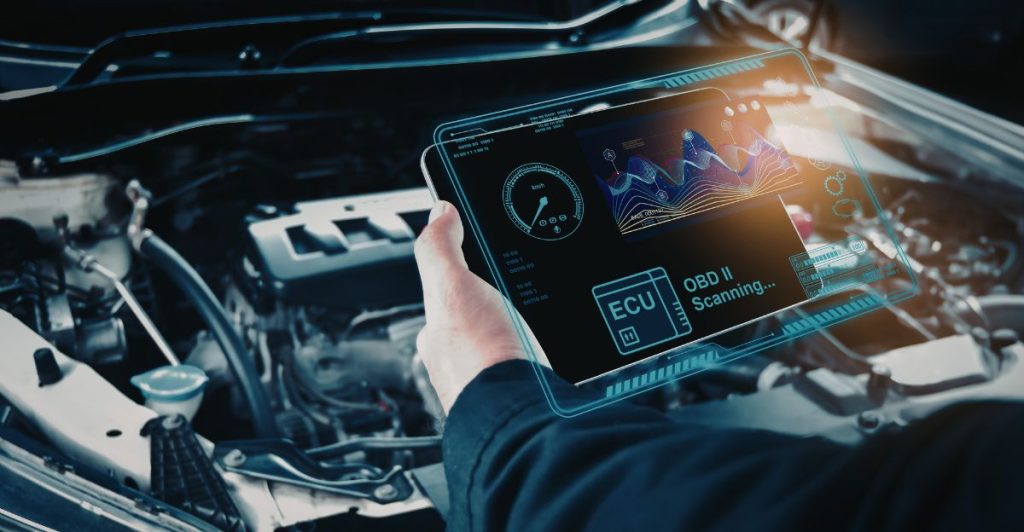
Here is what 15 years of continuous production actually represented. Not magic. Not legend. Business risk management. Toyota kept the 3UR-FE alive because proven tooling, known failure modes, and stable demand made it a safer bet than starting from scratch. Conservative design margins. Over 1.3 million kilometers of durability testing were conducted during the engine’s development. Low-stress tuning at 381 horsepower and 401 lb-ft of torque. Each model year refined the same architecture rather than gambling on a new one. Boring engineering, deliberately boring, across the Tundra, Sequoia, and Land Cruiser generations. Longevity was a strategy, not an accident.
Parts Ecosystem

A 15-year production run created something no first-generation powertrain can match: an entire economy built around keeping it running. Independent shops stock the filters, gaskets, and sensors. Salvage yards overflow with donor engines. Aftermarket manufacturers tool up for high-volume components because the customer base is large and predictable. Years of parts availability mean repair costs trend downward, not upward. By contrast, the replacement twin-turbo V35A V6 in the 2022–2024 Tundra has already been recalled multiple times for machining debris left in engines during production, affecting roughly 127,000 vehicles. In some cases, Toyota has had to replace entire engine assemblies free of charge.
Verification Tools

Reliability narratives get shaped more by measurement systems than by anecdotes. An iSeeCars study analyzing over 402 million vehicles found the Toyota Tundra and Sequoia—both long powered by the 3UR-FE—are four times more likely than average to reach 400,000 kilometers. The Tundra topped the longevity list with a 36.6 percent chance of achieving high-mileage status. Consumer Reports maintains its own reliability methodology. And Toyota’s own pressrooms function as the source of truth for which powertrains shipped in which model years. That stack of verification tools transforms a bar-stool argument into a checkable claim.
Ripple Effects
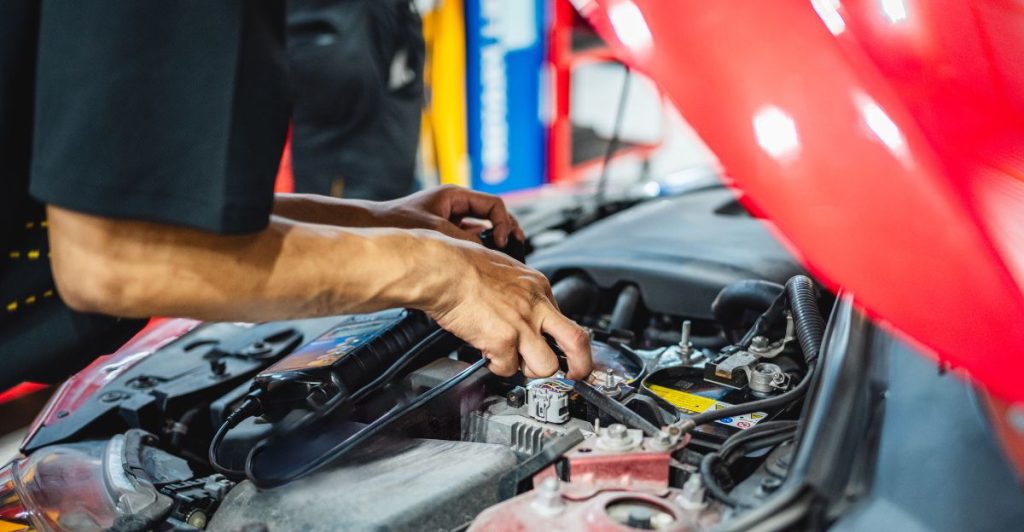
When one powertrain survives this long, the ripple extends beyond the owner’s garage. Independent repair shops build entire revenue streams around a single engine family. Regional parts distributors plan inventory around known demand curves. And buyers resisting complexity creep now have a data-backed alternative to wave at the salesperson pushing a first-year turbo powertrain—especially relevant given the V35A recall history. The economic ripple is real: long-run engines support parts ecosystems and independent repair networks that newer, unproven powertrains simply cannot replicate yet.
New Rule

This is bigger than one engine. Data-driven verification—longevity studies, recall lookups, press-kit cross-referencing—is becoming standard practice in enthusiast and buyer communities. The precedent: “proven” is no longer a feeling. It is a filterable data point. And now that Toyota has effectively ended V8 production for its trucks and SUVs, watch what happens. “Last of” configurations historically attract strong resale and collector demand. Once you see that “kept in production” was less romance and more risk management, every long-running powertrain in the industry looks different.
Closing Window
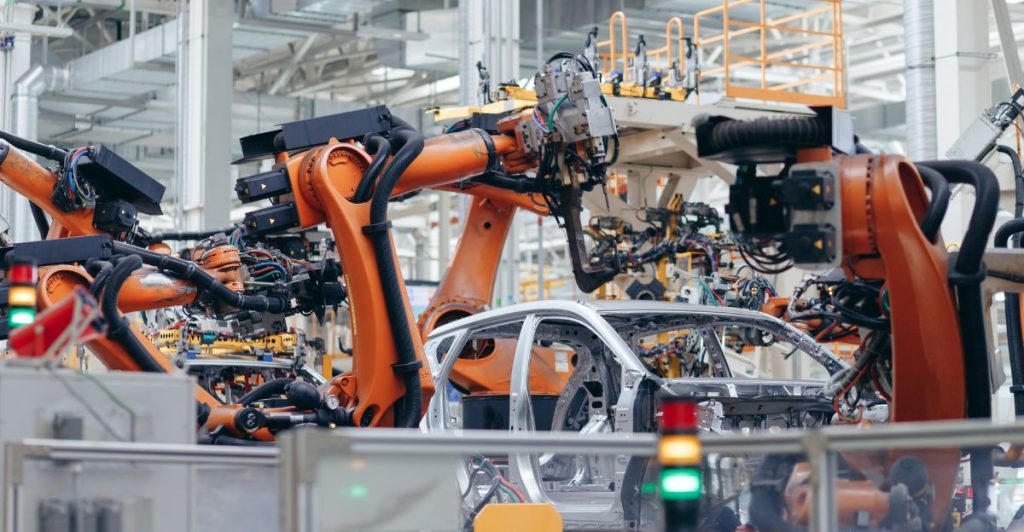
The naturally aspirated V8 engine has been closed at Toyota. The 2022 Tundra and 2023 Sequoia moved to the twin-turbo V6. The Land Cruiser returned to the US in 2024 with a turbocharged four-cylinder hybrid. The Lexus LC 500 remains the last Toyota/Lexus vehicle with a V8 (the 2UR-GSE 5.0-liter), and Lexus has confirmed production ends in August 2026. Every year that the 3UR-FE ran on the build sheet was a year borrowed against an industry moving toward electrification. The tension between regulatory pressure and consumer demand for the known quantity never found a clean resolution—regulation won.
Buyer’s Edge
Here is what most people will never bother to learn: reliability is manufactured by validation systems and feedback loops, then marketed as legend. The “secret” behind the 3UR-FE was conservative design margins and 1.3 million kilometers of durability testing, not wizardry. Knowing that changes how you shop. Press kits confirm what was actually offered. NHTSA lookups filter what has been recalled. iSeeCars data quantifies what lasts. Armed with that framework, a buyer stops asking “which engine is legendary” and starts asking which one has 15 years of worked-out bugs and a deep parts network. The early recall record of the replacement V35A shows why that question matters more than ever.
Sources:
Drivingline, “3UR-FE: How Toyota’s ‘All-American’ 5.7L V8 Engine Changed the Game,” July 15, 2021
MotorReviewer.com, “Toyota 5.7L 3UR-FE Engine Specs, Reliability and Info,” December 31, 2024
Car and Driver, “Toyota Recalls 127K Tundras, Lexus SUVs for Potential Engine Debris,” November 6, 2025
CollisionRepairMag, “Longevity List: iSeeCars Study Reveals Toyota Vehicles Most Likely to Reach 250,000 Miles,” August 15, 2024
CarsGuide, “V8 Facing the Axe: 2026 Lexus LC500 Could Be the Last in the Run,” January 29, 2026
WanasignAuto, “Toyota 5.7L 3UR-FE Engine Problems: Symptoms & Fixes,” September 3, 2025