Toyota And Stellantis Flee Tesla’s $2.76B Credit Empire—Four Automakers Left Holding The Bag
On February 27, 2026, a routine EU filing changed the carbon credit market. Toyota and Stellantis exited Tesla’s European CO2 pooling arrangement. No press announcements accompanied the departure. Only Ford, Honda, Mazda, and Suzuki remain in the coalition. The two largest contributors had spent years preparing for this move. Their exit cut a third of Tesla’s compliance partners overnight and altered the financial dynamics. Observers recognized that years of accumulated regulatory advantages were now challenged. The change would affect credit pricing, automaker strategies, and Tesla’s projected revenue streams in Europe and beyond.
Credit Revenue Peaks Before Decline
In 2024, Tesla collected $2.76 billion from carbon credit sales, a 54% increase from 2023. Margins remained nearly perfect. No factories or supply chains were required. Legacy automakers paid Tesla because they could not meet emissions rules independently. That arrangement generated consistent revenue and allowed Tesla to profit without vehicle sales. Competitors were effectively subsidizing the company. By 2025, the credit flow began to slow. Toyota and Stellantis had been closing compliance gaps quietly, signaling that Tesla’s carbon credit income would face pressure in the near future and that the record 2024 haul would not repeat.
Credit Income Declines in 2025
Tesla’s full-year 2025 carbon credit revenue fell 28% from the prior year. Q2 2025 showed the steepest drop, with revenue down more than 50% to $439 million from $890 million in Q2 2024. Credit income had been assumed to be durable because regulatory rules appeared permanent. Toyota’s hybrid fleet targeted 96.3 grams of CO2 per kilometer, nearly meeting EU standards. Stellantis missed its target by six grams but partnered with a Chinese EV maker, creating an alternative source of credits. The combination reduced Tesla’s control over credit pricing and distribution.
Stellantis Replaces Tesla Credits
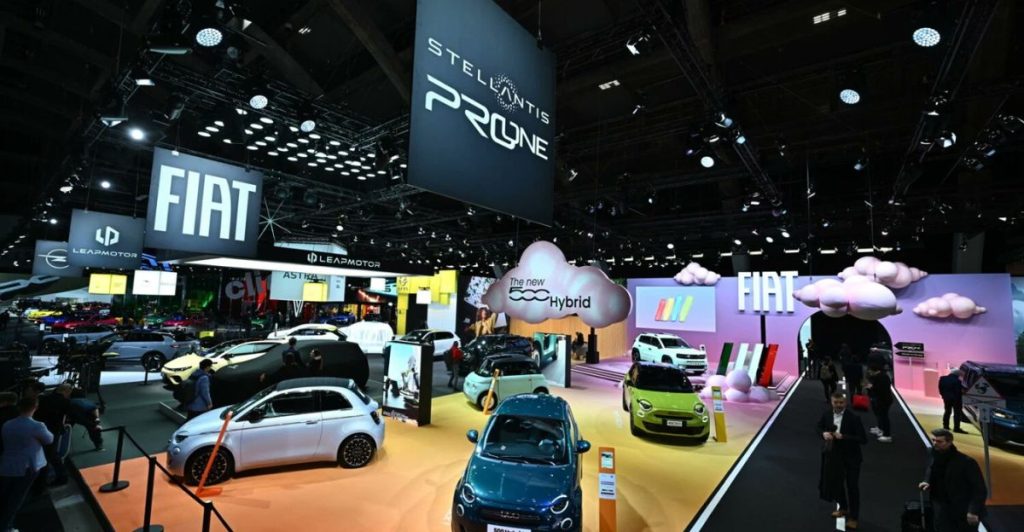
Stellantis partnered with Chinese EV manufacturer Leapmotor, which produces battery-electric vehicles with surplus credits. Leapmotor generated 57.5 million euros in two months from Italian operations, nearly covering Fiat’s 66.1 million euro deficit. Stellantis plans to produce the Leapmotor T03 at a Spanish plant later in 2026. The partnership provided immediate credit coverage without relying on Tesla. This move showed that legacy automakers could build alternative credit sources quickly. One company’s strategic decision over months replaced what had taken Tesla years to accumulate, reshaping compliance strategy and financial planning for other European automakers.
Policies Shift the Market

Credit availability also changed due to U.S. policy. In July 2025, deregulation removed CAFE penalties for the first time in 50 years. American automakers faced no fines for missing fuel economy targets. Federal EV tax credits of $4,000 to $7,500 were also eliminated. Peter Mock of the International Council on Clean Transportation warned, “If things go bad for Tesla and they don’t sell enough cars this year, they might not have enough credits for what they promised.” Policy adjustments amplified the pressure on Tesla’s credit-dependent revenue while competitors gained regulatory breathing room.
Tesla’s Quarterly Decline

Quarterly credit income fell consistently in 2025. Q1: $595 million. Q2: $439 million. Q3: $417 million. Q4: $542 million, too small to offset the year’s decline. Full-year revenue fell roughly 3% compared with 2024. Net income in 2024 fell 23% to $8.4 billion from 2023 despite record credit revenue. Removing credit profits shows margins similar to traditional automakers. Tesla’s reliance on regulatory credits made its financial performance sensitive to competitor progress and policy changes. The 2025 results demonstrated that high-margin credit income was no longer a guaranteed buffer for the company’s profitability.
Legacy Automakers Find a Path
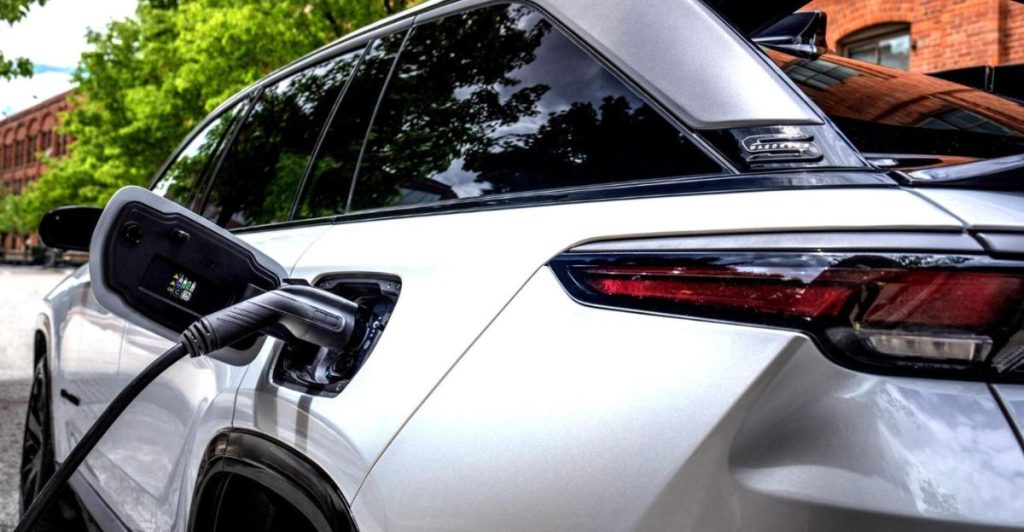
Stellantis’s Leapmotor approach could save 1.8 to 2 billion euros in penalties annually by 2030. Other automakers can now replicate this strategy. The EU allowed companies to average emissions from 2025 to 2027, giving automakers time to electrify independently. This regulatory flexibility offered a practical exit from paying Tesla for credits. The combination of strategic partnerships and timing adjustments provided automakers with control over compliance costs. Policy choices enabled an alternative path for legacy companies to meet emissions standards without relying on Tesla, reducing the leverage previously held by the market leader.
Credit Revenue Structural Decline


Legacy automakers demonstrated that compliance can be achieved without Tesla. Toyota met EU targets with hybrids. Stellantis replaced Tesla credits through Leapmotor. The regulatory window that generated $2.76 billion in 2024 is closing. Projected credit revenue for 2026 is $1 billion to $1.5 billion. If trends continue, 2027 could see credit income approach zero. Tesla’s most profitable business built on credit sales is structurally shrinking. The company must adjust expectations and earnings forecasts. Competitors now control how credit markets evolve. Financial strategy and investor analysis must consider a reduced regulatory advantage for Tesla.
Remaining Automakers Face Decisions

By December 2026, EU CO2 pools must be finalized. Ford, Honda, Mazda, and Suzuki must decide whether to stay in the pool or follow Toyota and Stellantis. Exits reduce Tesla’s negotiating power and compress remaining revenue. If credit income falls below $500 million annually, Tesla may need to lower vehicle prices, triggering industry-wide competition. The remaining automakers support a system the largest contributors abandoned. Strategic choices in the coming months will determine revenue, margins, and Tesla’s influence in the European carbon credit market, creating uncertainty for both the company and its partners.
Tesla Must Adjust Strategy
Tesla faces two options: lobby to restore compliance penalties or pivot to robotaxis and energy storage to replace lost revenue. Restoring penalties would rebuild the credit market but contradict deregulation policies supported by Musk. Tesla relied on competitors failing to electrify, but Toyota and Stellantis proved rapid compliance is possible. The company’s most profitable business model is disappearing. Investors and analysts must reconsider Tesla’s earnings outlook. Future financial reports will reflect shrinking credit income and increasing competition. Tesla’s strategy and valuation depend on how effectively it adapts to these regulatory and market shifts.
Sources:
Tesla’s Emissions Credit Revenue Shrinks as Toyota and Stellantis Exit CO2 Pool. Not a Tesla App, March 3, 2026
Stellantis, Toyota, Subaru Not in Tesla Carbon Pool for 2026, EU Filing Shows. Reuters, March 4, 2026
Tesla’s Carbon Credit Revenue Soars to $2.76 Billion Amid Profit Drop. CarbonCredits.com, January 29, 2025
Tesla Reports First-Ever Annual Revenue Drop in 2025, Carbon Credit Sales Also Dip 28%. CarbonCredits.com, January 28, 2026
Tesla Loses Billion-Dollar Revenue Source as US Ditches Fuel Economy Fines. CarExpert, July 21, 2025
Stellantis Turns Its Back on Tesla: China’s Leapmotor Strategy Begins to Bear Fruit. ItalPassion, March 3, 2026