Titan Shuts Tennessee Tire Plant—140 Jobs Gone Just 2 Years After $296M Buy
Somewhere in America, a tire plant is running its last shifts. The machines are still humming. The parking lot still fills up before dawn. Inside the front office, the news has already landed: consolidation. Titan International picked that word carefully.
It sounds harmless, like rearranging furniture, locking the doors for good. For the workers clocking in, the line between “consolidation” and “closure” is the difference between a paycheck next month and a WARN notice taped to the breakroom wall. Titan chose the soft word for a hard outcome. The Jackson, Tennessee facility came into Titan’s hands through the February 2024 Carlstar acquisition, a 568,000-square-foot flagship plant built just 14 years ago.
A Word for Closure
The company calls it an operational footprint decision. That framing matters. It spins the shutdown as a smart, strategic move. Trouble never gets mentioned. Titan International is publicly traded, posting reports for the SEC and keeping an investor relations page full of earnings releases and sunny projections.
Wall Street gets the shutdown explained in the language of efficiency and optimization. The workers on the floor get a timeline. Two audiences, two versions of the same story. One group reads about efficiency gains. The other updates a résumé.
Beyond the Corporate Spin
Most people assume consolidation just means some jobs shuffled around, not shutting things down for good. Nobody imagines losing a house over a new org chart. That belief makes things easier for corporate spokespeople and keeps quarterly earnings calls sounding smooth. A plant closure is final. Titan is closing a U.S. tire plant. One facility, gone.
The company calls it consolidation, but the reality is simple: fewer paychecks for families in that town. The soft language helps with headlines. The hard reality hits the community.
Two Sets of Books
Most people miss this: every plant closure runs through two separate sets of paperwork. The SEC gets the restructuring disclosure, the impairment charges, the risk-factor language that investors pore over, looking for clues about their portfolios. Workers and communities get the WARN system, designed to keep towns from being blindsided by mass layoffs.
Two ledgers exist. One for capital, one for people. Headlines are just the PR layer. The real story lives in filings and notices that most Americans never see. That gap is everything.
How Closures Get Filed
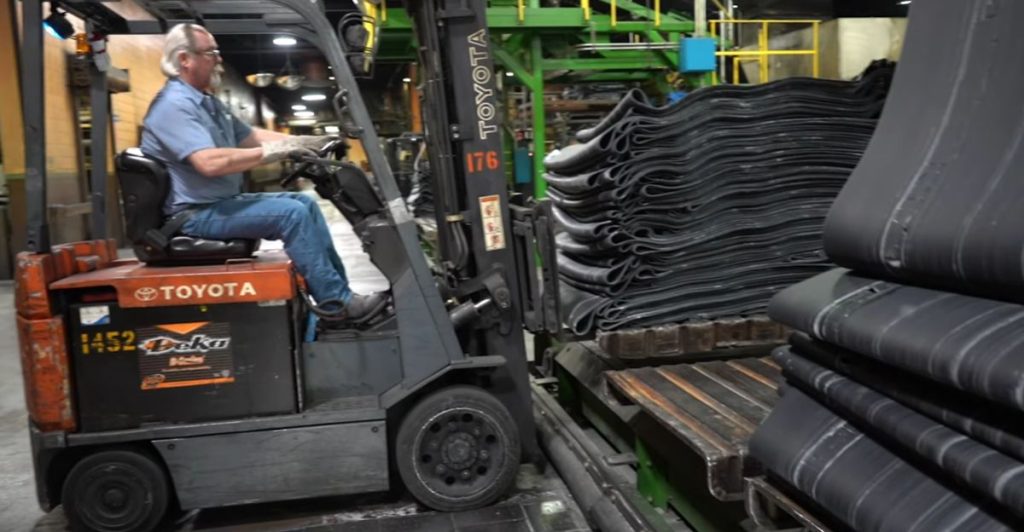
The WARN Act exists because lawmakers understood that companies talk to investors first and communities second. When a closure crosses certain thresholds, a public notice is supposed to alert everyone to the human impact. Until that notice shows up, the numbers stay tucked away in the company’s internal timeline, not the public’s.
Titan’s SEC filings are the official word on restructuring costs. The WARN notice, if it appears, is the official word on human costs. Same event, parallel paperwork, completely different audiences. The system is built this way on purpose. Tennessee, like most states, keeps an online list of WARN notices showing every major layoff and closure across the state.
Industry Forces at Work
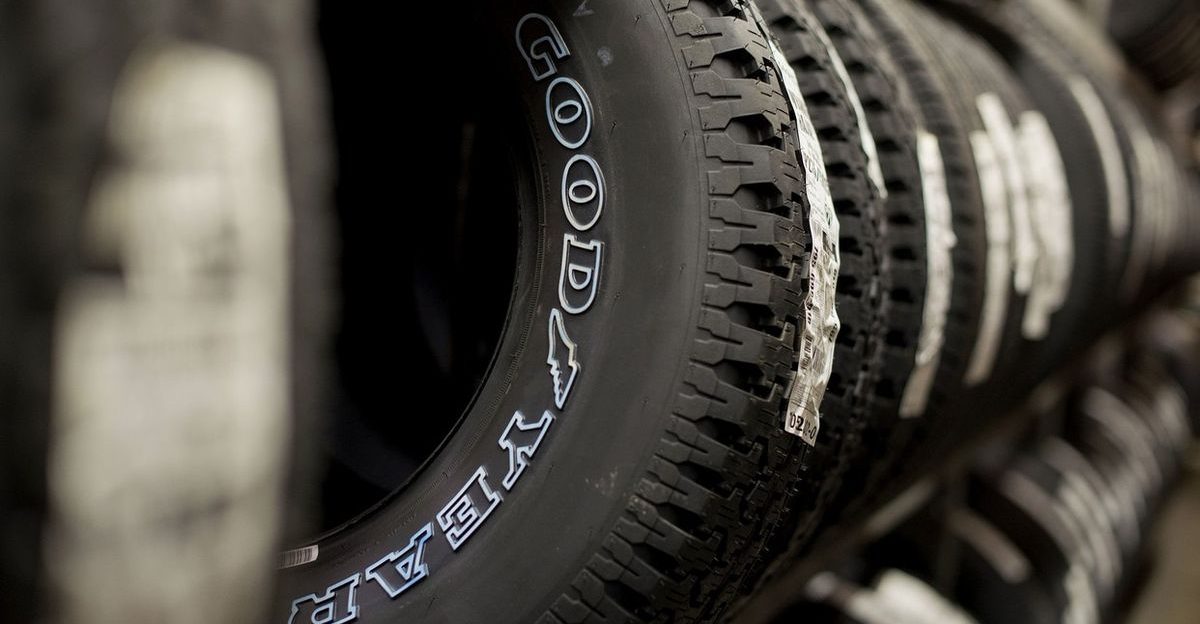
This closure does not happen in a vacuum. The U.S. tire industry faces real pressure, tracked in import data, not in company press releases. Rising production costs, measured by the Bureau of Labor Statistics, squeeze margins for every tire maker in the country. Trade groups like USTMA put out reports trying to explain just how tough things have gotten.
One plant closing might sound isolated, but the bigger picture is clear: this is a numbers game, and the numbers have not favored U.S. factories for years. Titan’s buyout of Carlstar added four more plants to its network. Even after closing Jackson, the company still has facilities in Des Moines, Freeport, Bryan, Union City, Clinton, Aiken, and Meizhou.
Wider Local Impact

A plant does not just employ the people on its floor. Contractors, truck drivers, small suppliers, even the diner across the road, all rely on the plant’s payroll. When that money dries up, local businesses get hit hard in ways no corporate slideshow ever measures. Competitors and suppliers shift their orders elsewhere. The town takes the blow.
Calling a shutdown “consolidation” is like calling a layoff “headcount optimization.” The words are softer, but the reality for people is exactly the same.
The Language Normalizes Loss
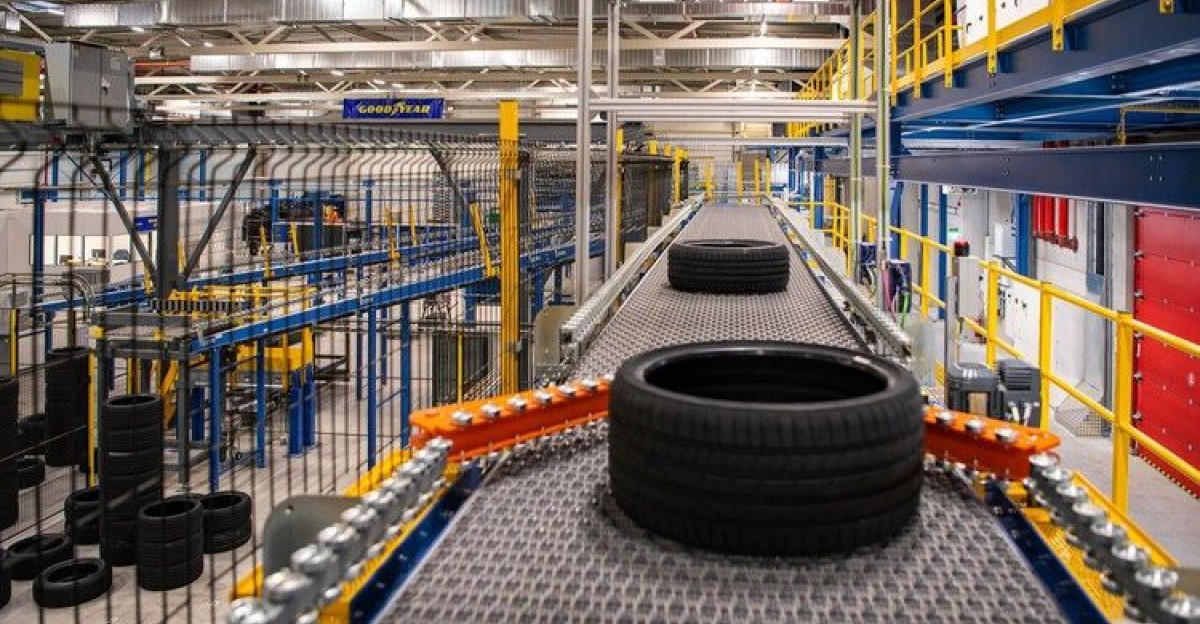
This is bigger than one plant. The real precedent comes from language. Calling things consolidation makes closures sound like ordinary, harmless tweaks. Once that idea takes hold, every future shutdown comes wrapped in investor-friendly words that hide what happens to the community.
The pattern gets harder to spot. A company announces consolidation. Analysts nod. Workers scramble. Towns adjust. The next closure faces even less pushback, because everyone is used to the script. That normalization is the real long-term damage, not what happens to a single factory.
More Closures on the Horizon
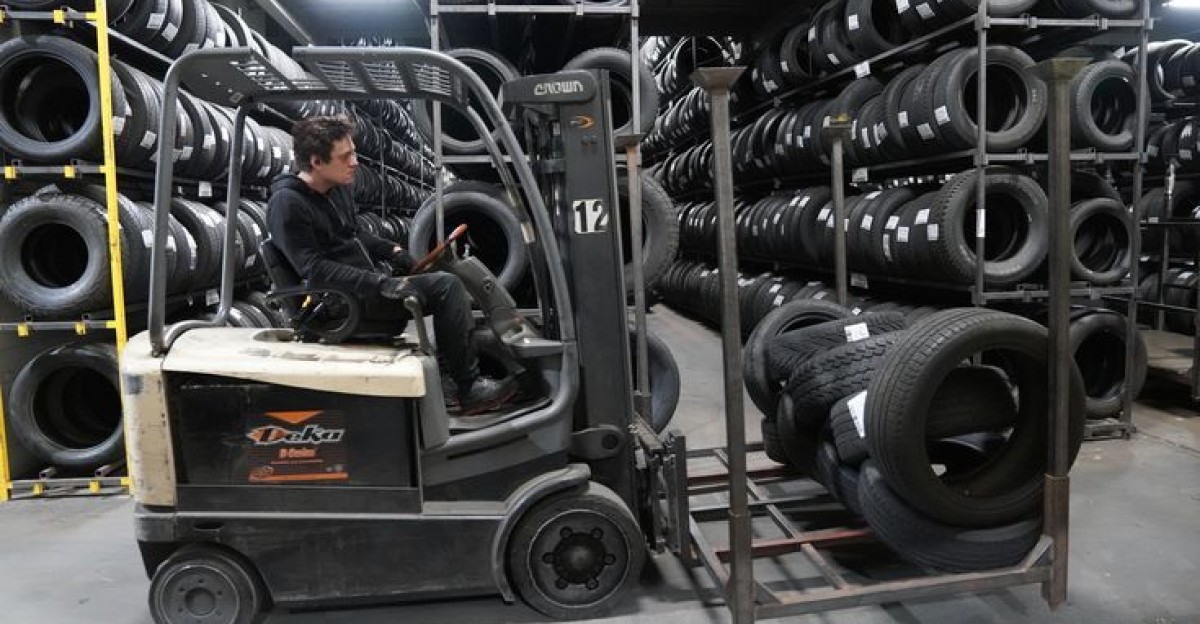
If import competition and rising costs keep up, more plants will be on the chopping block. The numbers point that direction. The workers and local officials searching for WARN notices and timelines right now are asking the same questions other towns may ask soon.
State and local leaders usually respond with incentives to keep jobs or quick re-employment programs, but those efforts always come after the fact, never before. Tennessee alone has already seen over 2,000 workers affected by layoffs and closures this year, with 674 in March alone.
Where to Find the Truth
The next time a company says it is “consolidating,” pull up the SEC filing and check the WARN database. The real upgrade is knowing where to find the numbers, not just trusting a press release. Most people see the headline and move on.
The people who check filings spot the charges, the write-downs, and the worker counts that show up weeks after the soft words hit the news. Titan’s plant is closing. The only question left is which workforce will read that word next.
Sources:
Titan International, Inc. (PR Newswire) — Titan International, Inc. Announces Consolidation of Tire Production to Improve Operational Efficiency — March 18, 2026
Titan International, Inc. (PR Newswire) — Titan International, Inc. Acquires Carlstar Group LLC — February 28, 2024
European Rubber Journal — Titan to Close US Tire Plant in ‘Consolidation’ Move — March 19, 2026
WBBJ TV (Jackson, TN) — Titan International to Close Jackson Manufacturing Facility — March 18, 2026
Tennessee Department of Labor & Workforce Development (TN.gov) — WARN Notices Archive — Updated March 2026
U.S. Securities and Exchange Commission (SEC.gov) — Titan International, Inc. (TWI) Periodic Filings and Restructuring Disclosures — Ongoing