Three More Auto Giants Kill Self-Driving After Spending 8 Years Getting Approved—All Models Gone In 14 Months
The pitch was simple: pay $7,000, and your BMW drives itself while you check your phone. Hands off the wheel. Eyes off the road. Legal. Certified. The future, delivered to your driveway in a 7-Series. Three of the world’s most powerful automakers spent the better part of a decade convincing regulators this technology was safe, necessary, and inevitable. They won that argument. Then they met actual customers, actual costs, and actual liability lawyers. The regulatory victory turned out to be the easy part.
The Promise
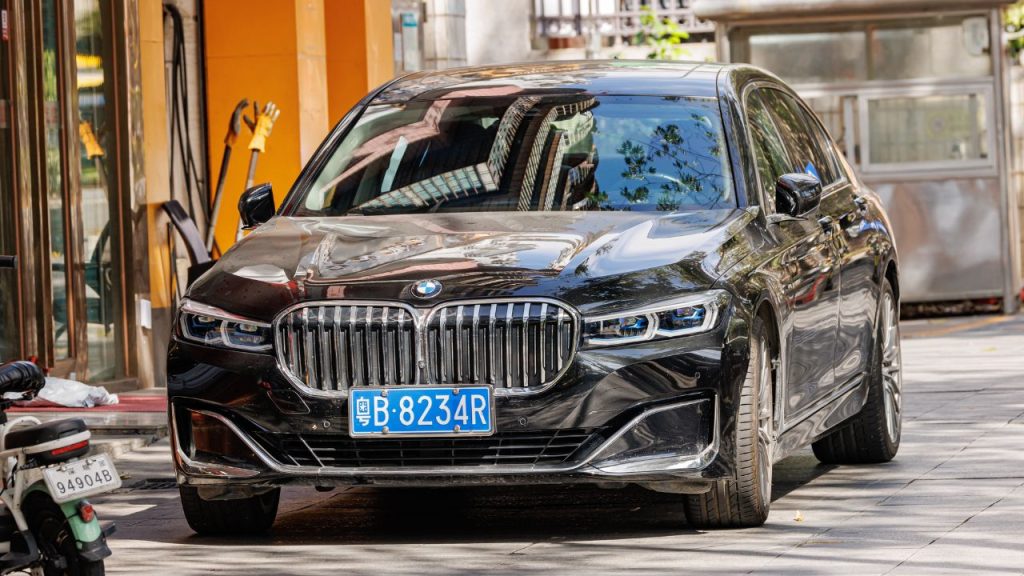
BMW launched Personal Pilot L3 on the 7-Series in March 2024, charging approximately $7,000 for the privilege of eyes-off highway driving. Mercedes beat everyone to market with Drive Pilot, receiving the world’s first regulatory approval in December 2021 and launching to customers in May 2022, the first production Level 3 system on earth. Stellantis announced its STLA AutoDrive technology was ready for deployment by February 2025. Three giants, three bets, billions committed. The assumption was straightforward: customers who spend six figures on a sedan will pay a premium for the car to drive itself. That assumption had never been tested against real buyers.
Cracks Appear
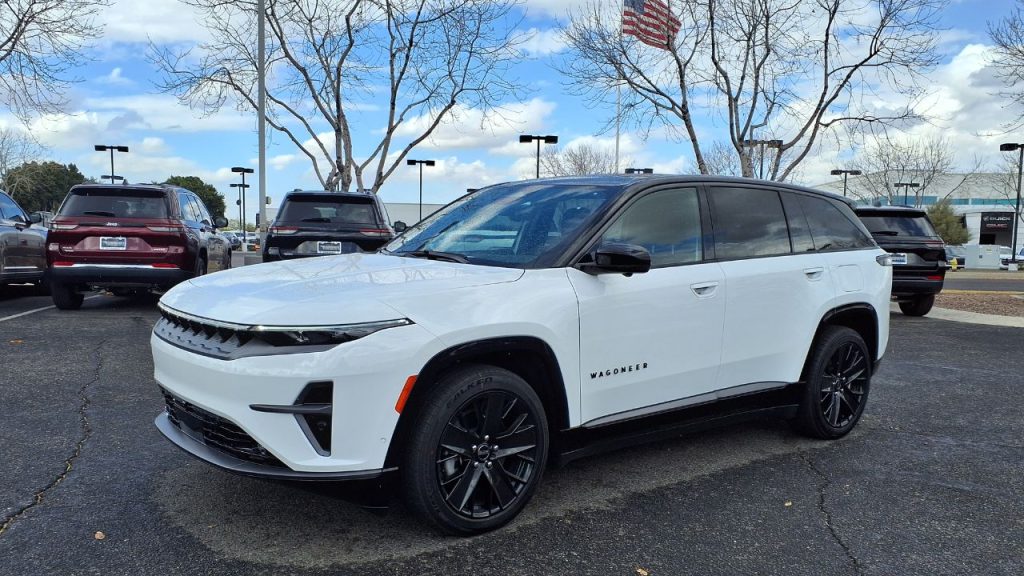
The regulatory framework behind all of this, UN Regulation 157 (known as ALKS), took more than eight years to finalize across Europe. Mercedes led the lobbying effort throughout the 2010s until approval was granted in 2021. BMW and Stellantis built their programs on that same foundation. But a strange pattern emerged: Mercedes restricted Drive Pilot to 40 mph, geofenced it to California and Nevada only in the U.S. BMW’s system topped out at 37 mph in Germany alone. The “future of driving” operated in conditions most drivers never encounter. Only 26% of global consumers expressed comfort with the technology.
The Kill
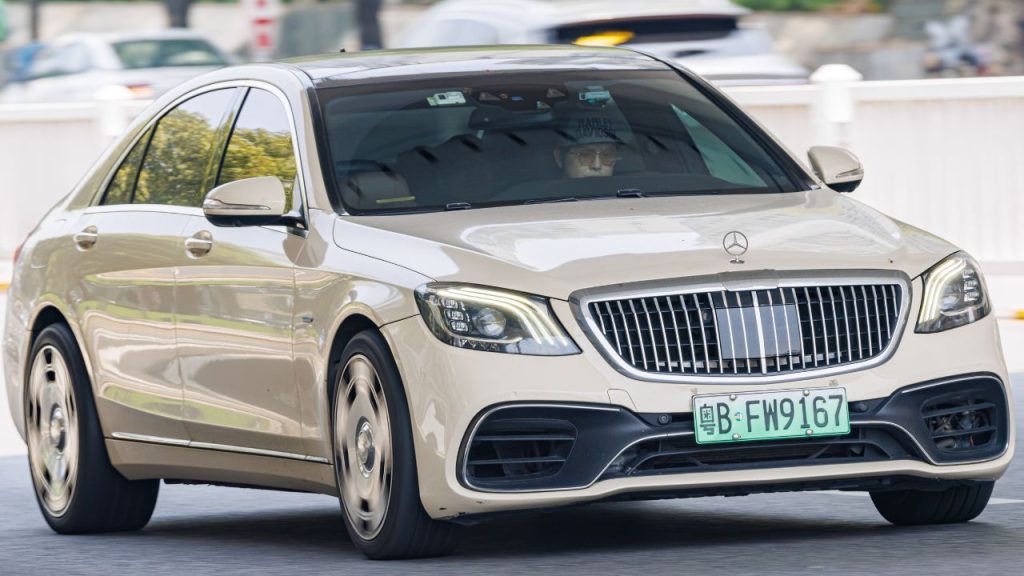
Stellantis shelved STLA AutoDrive in August 2025. Mercedes temporarily discontinued Drive Pilot by January 2026. BMW confirmed its Level 3 discontinuation in February 2026. Three retreats. Roughly six months. Mercedes had real customers using Drive Pilot in Germany for nearly four years and in the U.S. for approximately two years before concluding the business case was dead. An internal assessment reported by Handelsblatt was blunt: “The cost and demand do not justify continuing the technology.” Eight years building the regulatory pathway. Two years of U.S. customer exposure to undermine it.
The Trap
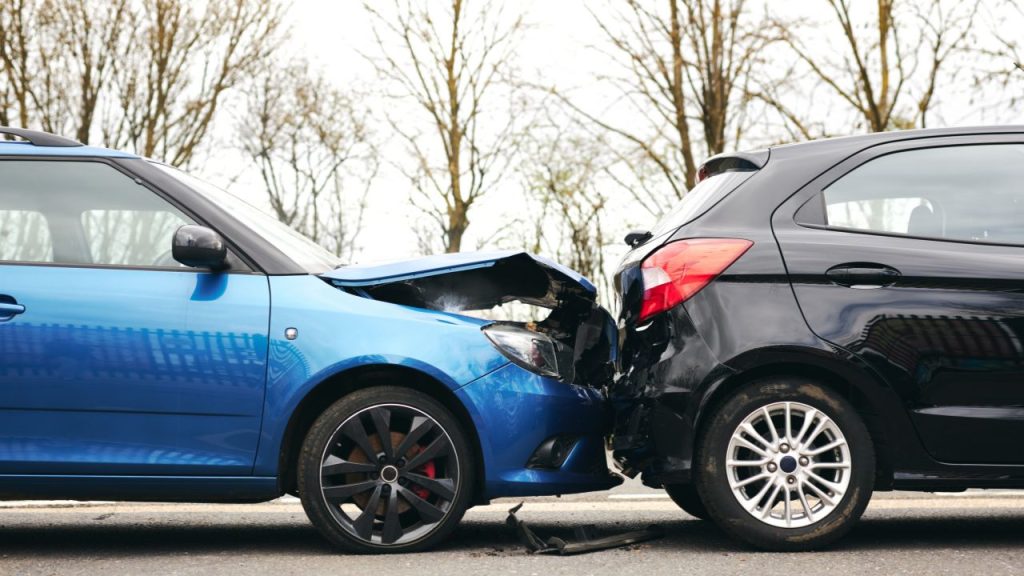
Level 3 created a liability structure no automaker could survive at scale. The moment a car drives itself, the manufacturer assumes legal fault for anything that goes wrong. Every sensor glitch, every software hiccup, every edge case becomes a potential lawsuit filed against the OEM, not the driver. Level 2 keeps the driver responsible. Level 3 shifts that burden entirely. Bosch’s North America president, Paul Thomas, said it plainly at CES: “We don’t know if Level 3 ever makes financial sense.” The supplier who built the hardware lost faith in the product.
The Numbers
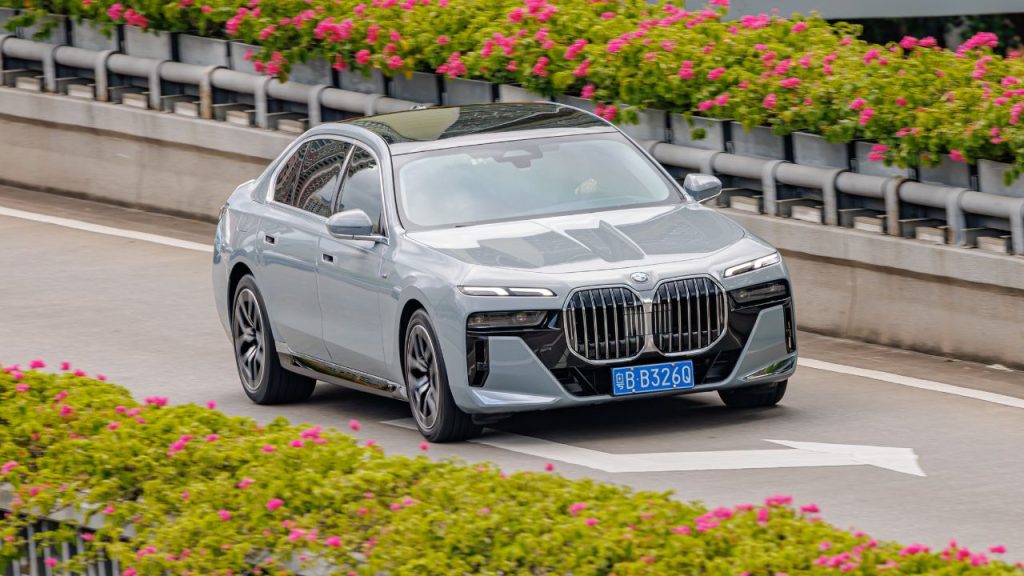
BMW’s new Level 2 system costs approximately $1,700. The Level 3 system it replaces cost $7,000. That is a 75% price collapse for a system that delivers hands-free freeway driving, address-to-address navigation, and automatic lane changes. Most of what drivers actually used, without the LiDAR arrays, redundant sensors, and continuous fleet monitoring that made Level 3 so expensive. McKinsey data shows expert confidence in Level 3 adoption dropped from 52% in 2023 to 39% by 2025. A 13-point freefall in two years.
Ripple Effect
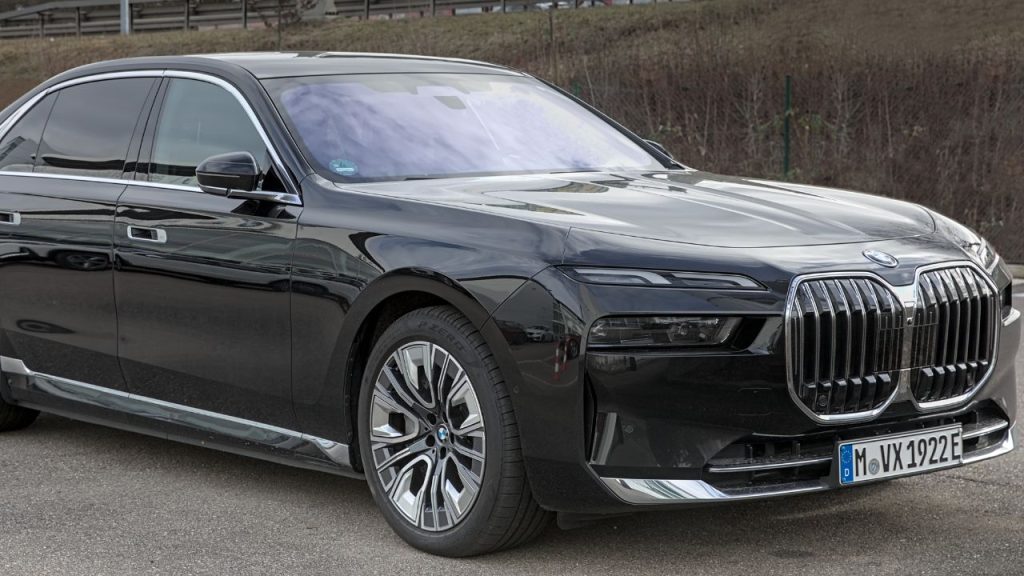
BMW customers who pre-ordered the 7-Series with Level 3 will learn at the April 2026 facelift reveal that their option no longer exists. Forced downgrade to Level 2, no alternative upgrade path. Meanwhile, Mercedes’ Drive Pilot early adopters in California and Nevada now own an orphaned system with no long-term software support. Tier-1 suppliers like Bosch and ZF face stranded investments in Level 3 sensor suites and validation platforms. Insurance companies built entire liability frameworks around Level 3 that will never deploy at scale. Billions, evaporated.
The New Rule

This was never about technology failing. Mercedes proved Level 3 works. The system drove the car. The problem is that Level 3 occupies an impossible middle: too expensive to certify, too restricted to be useful, too liability-heavy to be profitable, and aimed at a customer base that overwhelmingly fears it. Sixty percent cite accident risk. Fifty percent fear loss of control. The industry is now bifurcating: cheap, scalable Level 2+ for mass market, and Level 4 robotaxis for urban mobility. Level 3 fits neither category.
China Moves
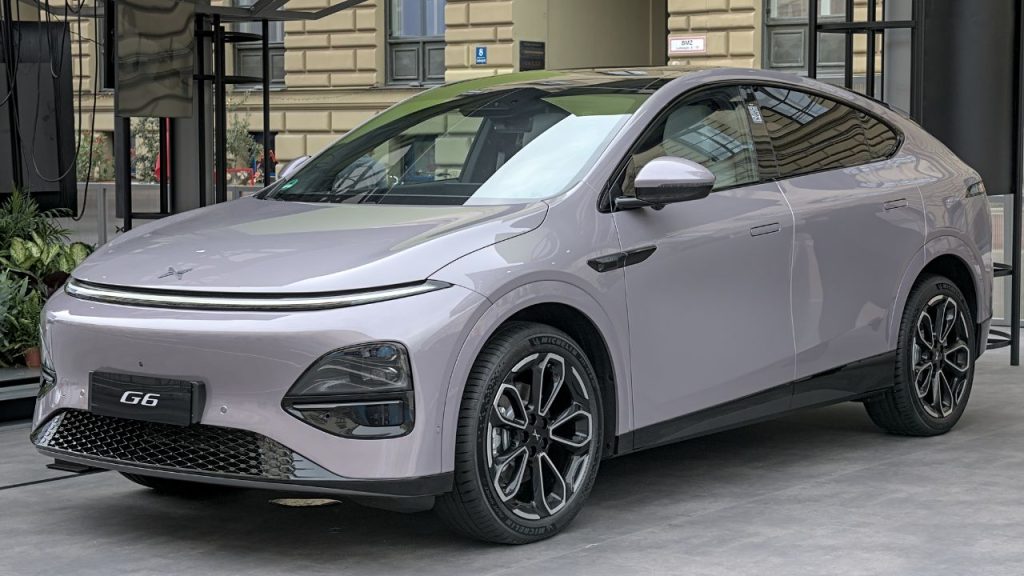
While BMW, Mercedes, and Stellantis retreat, Chinese automakers are moving into the gap. BYD, XPeng, and Li Auto are securing road-test licenses and beginning pilot testing of Level 3 systems across Asia in 2025 and 2026, at lower cost points and with domestic regulatory support. The competitive inversion is striking: Western automakers built the regulatory framework, proved the technology, then abandoned it. Chinese competitors inherited the playbook. If those pilots succeed at scale, Western OEMs face pressure to re-enter a market they just publicly declared dead.
Stranded Future
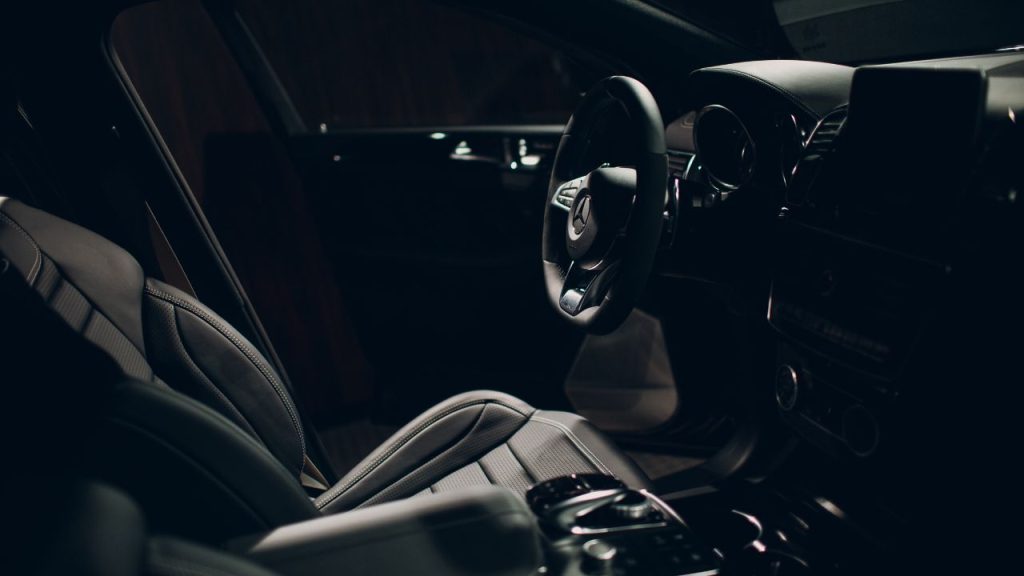
The person who bought a $100,000 Mercedes S-Class with Drive Pilot in 2022 now owns the most expensive proof that automaker promises have an expiration date. The person who waited owns vindication. That split defines the next decade of autonomy adoption: every future “breakthrough” feature will be measured against the years it took for Level 3 to go from certified achievement to industry-wide embarrassment. BMW’s Neue Klasse platform, built on Snapdragon Ride Pilot, is already validated in 60-plus countries for Level 2+. The safe bet won. The bold bet left buyers holding nothing.
Sources:
“Exclusive: Stellantis Shelves Level 3 Driver-Assistance Program as It Downscales Software Ambitions.” Reuters, 26 Aug 2025.
“Mercedes Temporarily Scraps Its Level 3 ‘Eyes-Off’ Driving Feature.” The Verge, 13 Jan 2026.
“BMW 7 Series Facelift Losing Level 3 Autonomous Driving Tech.” BMWBlog, 22 Feb 2026.
“Stellantis Unveils STLA AutoDrive, Hands-Free and Eyes-Off Autonomous Tech.” Stellantis, 19 Feb 2025.