This Ordinary-Looking Ford Hid an Engine That Shocked Everyone Who Drove It
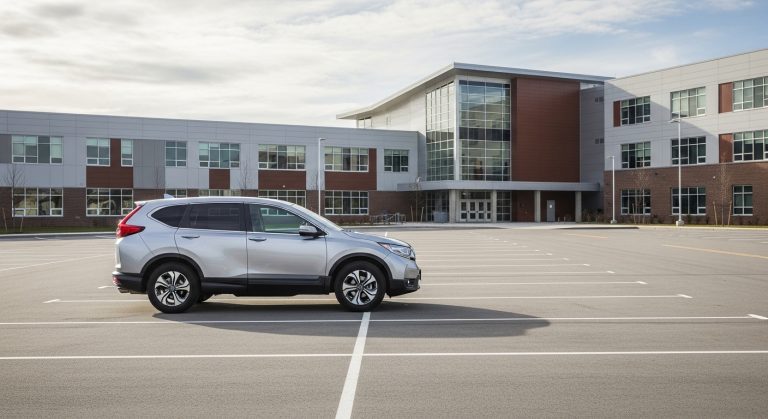
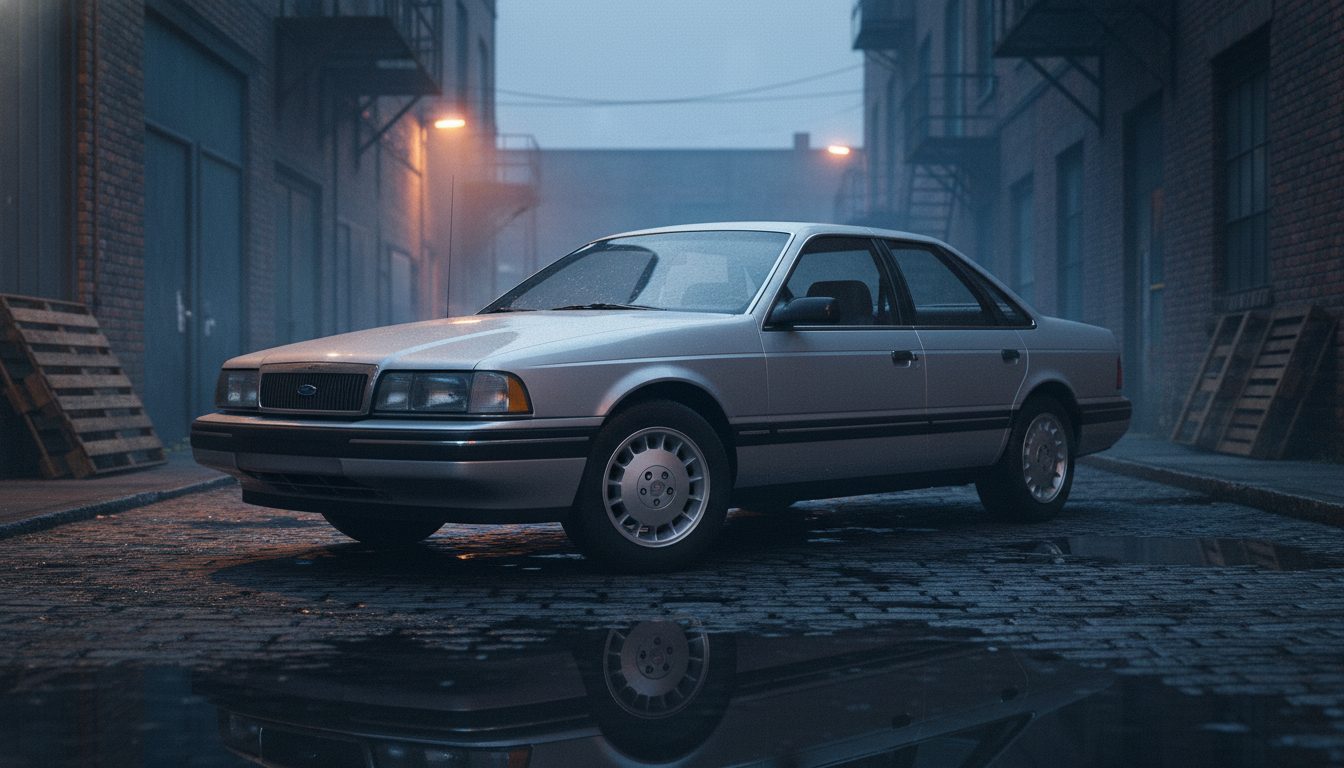
This Ordinary Looking Ford Hid An Engine That Shocked Everyone Who Drove It. The late eighties produced a mundane automotive landscape dominated by boring commuter vehicles. American manufacturers prioritized cheap production costs over genuine driving dynamics. Ford changed everything by quietly dropping an absolute mechanical masterpiece into their standard family sedan platform. Visually, the car blended seamlessly into corporate parking lots without drawing unnecessary attention. Mashing the gas pedal instantly revealed a screaming powerhouse that humiliated expensive European cars.
The Secret Yamaha Partnership
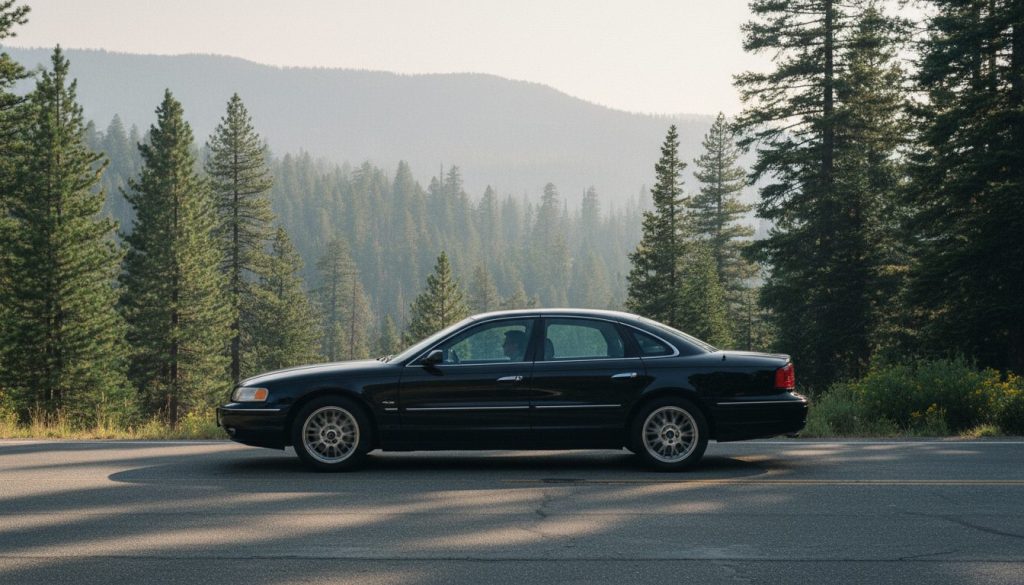
Ford executives desperately wanted a high performance flagship but completely lacked the internal engineering budget to develop a new engine block. They secretly contracted Japanese motorcycle manufacturer Yamaha to design a brilliant compact powerplant. Yamaha utilized their extensive racing heritage to construct an incredibly advanced aluminum cylinder head featuring dual overhead camshafts. This bespoke engine was originally intended for a lightweight mid engine sports car that Ford ultimately canceled due to sudden corporate budget constraints and shifting market priorities.
A Masterpiece of Intake Design
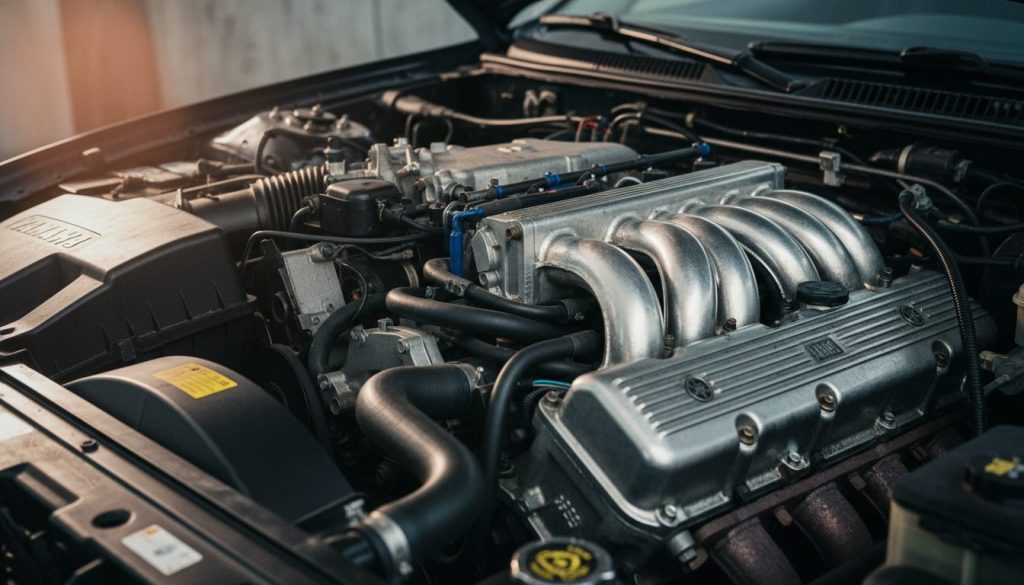
Popping the hood reveals an absolute work of automotive art that looks completely foreign inside a domestic engine bay. Yamaha engineers designed a stunning cast aluminum intake manifold featuring beautifully intertwined runners that resemble a cluster of silver snakes. This complex variable length intake system utilizes computer controlled butterfly valves to optimize internal airflow perfectly. Below four thousand revolutions, it provides excellent low end torque for city driving before violently opening up for massive top end power delivery.
Screaming Towards the Redline
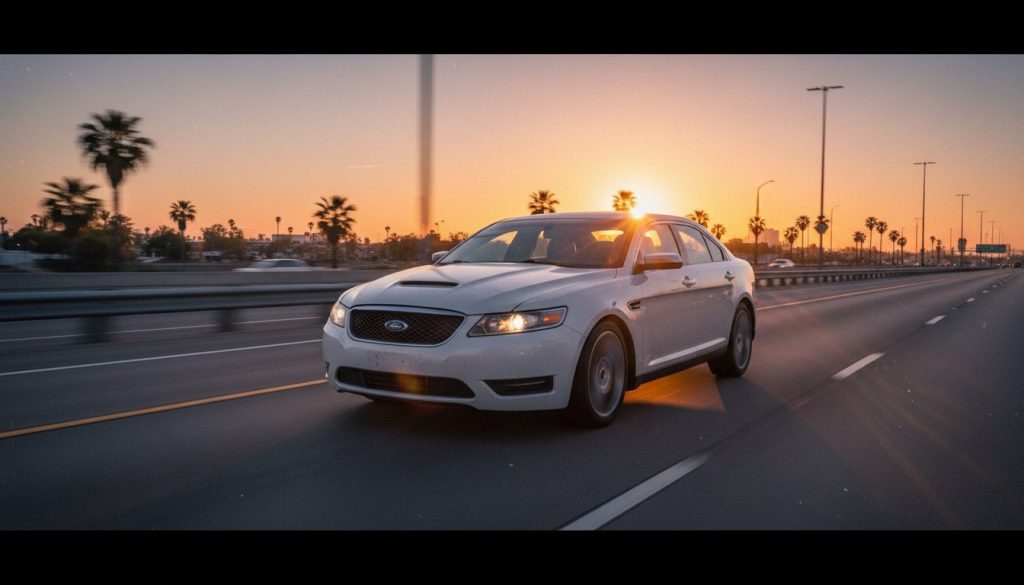
Traditional domestic V8 engines from that specific era usually gasped for air and ran out of breath very early. The Yamaha V6 completely shattered those miserable expectations by enthusiastically revving past seven thousand revolutions per minute without hesitation. The mechanical symphony generated near the redline sounded exactly like a finely tuned Japanese racing motorcycle dominating a track. Enthusiasts were absolutely shocked that a front wheel drive family vehicle could deliver such an incredibly visceral and aggressive auditory experience.
Humiliating Expensive German Rivals

Producing two hundred and twenty horsepower naturally aspirated was an absolutely staggering engineering achievement during that heavily regulated emissions era. This ordinary looking grocery getter could sprint to sixty miles per hour in just over six seconds effortlessly. That brutal straight line acceleration embarrassed legendary vehicles like the BMW 535i and various Porsche models. Wealthy executives driving expensive imported luxury sedans were routinely humiliated at stoplights by a cheap domestic car wearing standard factory alloy wheels without any warning.
The Mandatory Manual Transmission
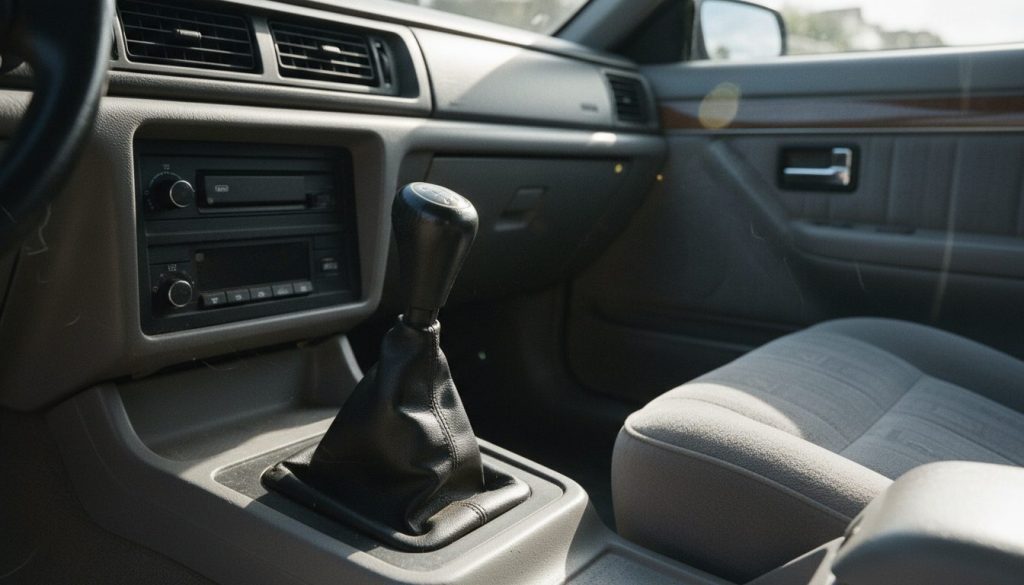
Ford made a bold statement by exclusively offering this high output engine paired with a five speed manual transaxle initially. They borrowed a robust gearbox design from Mazda to properly handle the massive torque output without instantly shredding internal gears. Forcing buyers to row their own gears ensured that only true driving enthusiasts purchased the vehicle. This heavy clutch pedal and mechanical shifter transformed the boring daily commute into a highly engaging and deeply rewarding driving experience for owners.
Stealthy Exterior Styling Cues
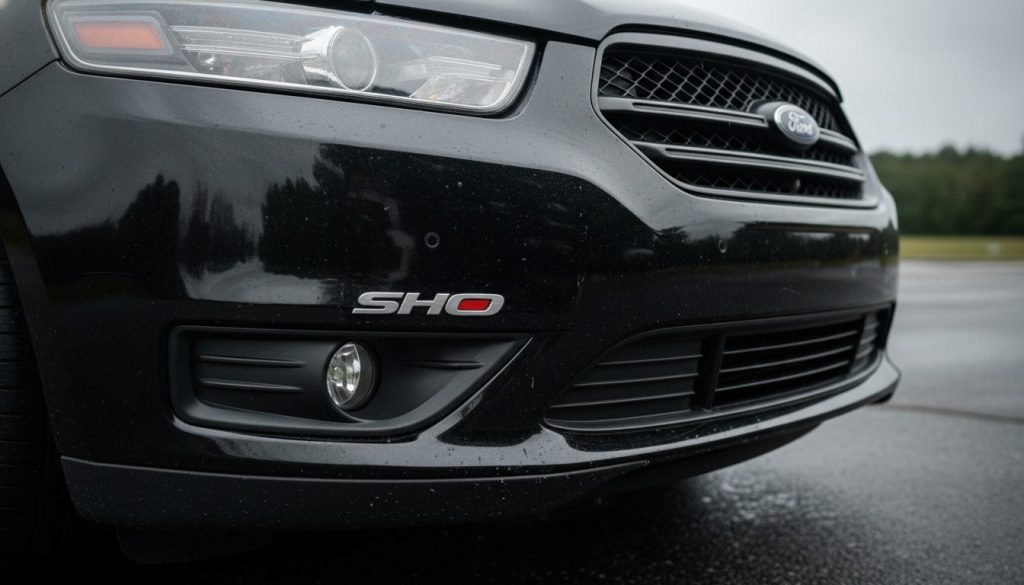
Designers intentionally kept the exterior modifications incredibly subtle to maintain the ultimate sleeper aesthetic across the entire vehicle platform. Only a trained automotive eye could spot the unique front bumper featuring slightly larger fog lights and aggressive cooling ducts. The rear profile showcased a very modest trunk spoiler and dual exhaust tips that hinted at the massive performance potential. This stealthy approach allowed aggressive drivers to cruise at extreme highway speeds without instantly attracting unwanted police radar attention entirely.
Overcoming Chassis Limitations
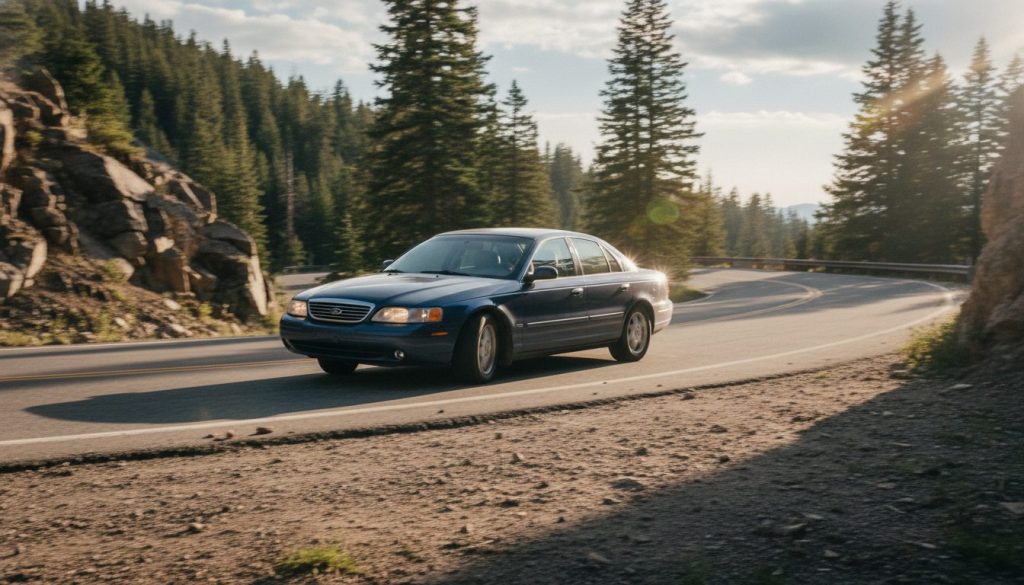
Dropping a massive racing engine into a standard front wheel drive chassis naturally created some severe mechanical handling challenges. The immense power output caused violent torque steer that threatened to rip the steering wheel completely out of your hands during acceleration. Engineers desperately stiffened the factory suspension utilizing thicker sway bars and heavy duty struts to maintain cornering stability. Despite their best efforts, the aggressive engine constantly overwhelmed the front tires, requiring extreme driver skill to maintain proper traction.
A True Maintenance Nightmare
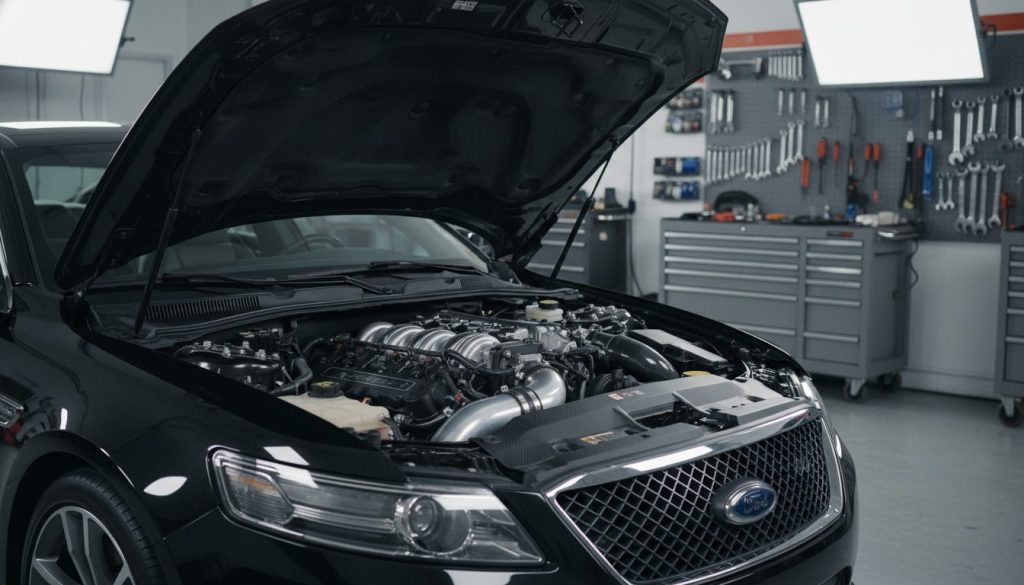
Owning this incredible engineering marvel required deep pockets and infinite patience regarding routine maintenance schedules at local dealership service departments. Dealership technicians were entirely unequipped to service such a complex Japanese racing engine jammed tightly into a domestic bay. Valve clearance adjustments required specialized shims and massive labor hours that generated absolutely staggering repair invoices for unsuspecting owners. Neglecting these strict service intervals usually resulted in catastrophic internal engine failure that essentially totaled the entire car financially without question.
The Legacy of the SHO
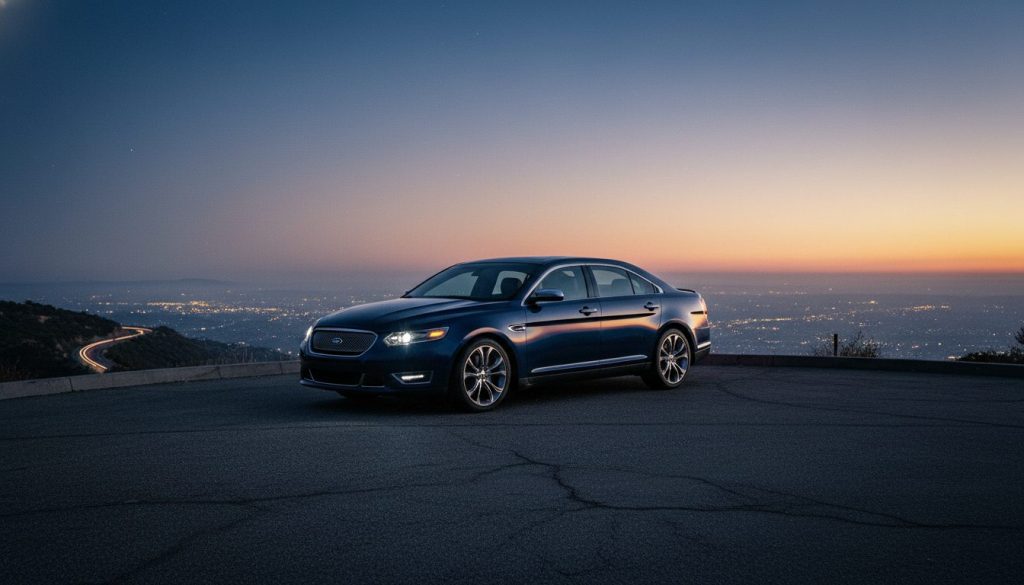
The Super High Output Taurus permanently altered how the American public viewed the boring four door family sedan segment. It proved that domestic manufacturers could successfully integrate world class powertrain engineering into affordable mainstream commuter vehicles without ruining daily practicality. While modern performance sedans easily double its horsepower output today, none offer that same raw mechanical purity. This brilliant sleeper remains a legendary automotive icon that perfectly represents an era before heavy electronics completely ruined the pure driving connection.