The Worst New Cars On The Market That Buyers Severely Regret Purchasing This Year
The Worst New Cars On The Market That Buyers Severely Regret Purchasing This Year. Dealerships constantly push problematic inventory that looks great under showroom lights but falls apart quickly. We dug through thousands of repair tickets to find the actual lemons. Buying these specific models guarantees endless frustration and brutal depreciation hits. Skip these chassis codes unless you enjoy spending weekends sitting inside dealership waiting rooms.
The Infiniti QX50
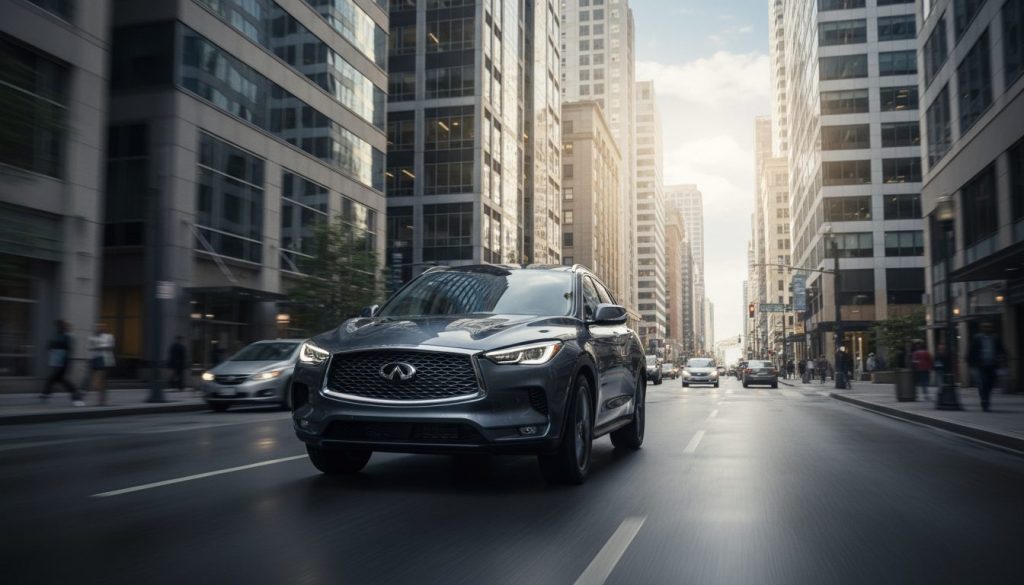
Infiniti dropped the ball with the aging QX50 crossover. Owners aggressively complain about the terribly sluggish continuously variable transmission that ruins acceleration. The outdated dual-screen infotainment system constantly freezes and lacks proper smartphone integration. Buyers deeply regret paying premium luxury prices for a platform that essentially drives like a cheap rental fleet car. It lacks any genuine mechanical refinement expected in this fiercely competitive premium bracket.
The Volkswagen Taos
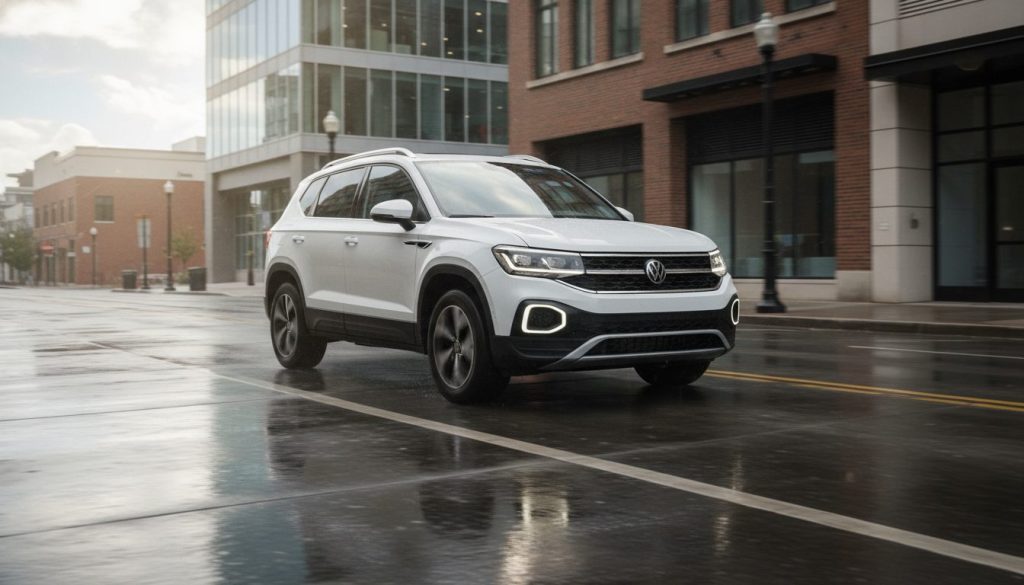
Volkswagen tried capturing the subcompact crossover market but delivered an unrefined mechanical nightmare instead. The standard dual-clutch transmission provides violently jerky shifts during stop-and-go urban traffic. Service writers constantly deal with random engine warning lights and sudden brake system failures on brand-new units. Owners report massive frustration regarding cheap interior plastics that rattle loudly over broken pavement. It feels entirely unfinished and rushed out the factory door.
The Mercedes-Benz C-Class
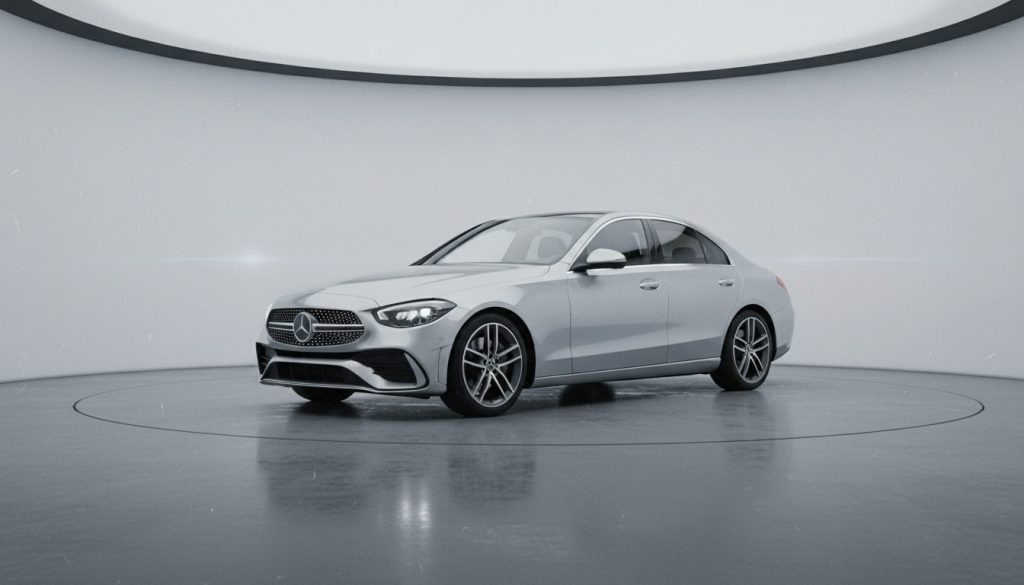
Paying a premium for German engineering usually guarantees exceptional driving refinement. The latest Mercedes C-Class shatters that expectation by relying on frustrating capacitive touch controls. Drivers absolutely despise digging through buried digital menus just to adjust the air conditioning. Worse, random electrical gremlins frequently brick the main center screen entirely. Owners end up stranded at the dealer waiting weeks for replacement modules shipped slowly from overseas factories.
The Nissan Sentra
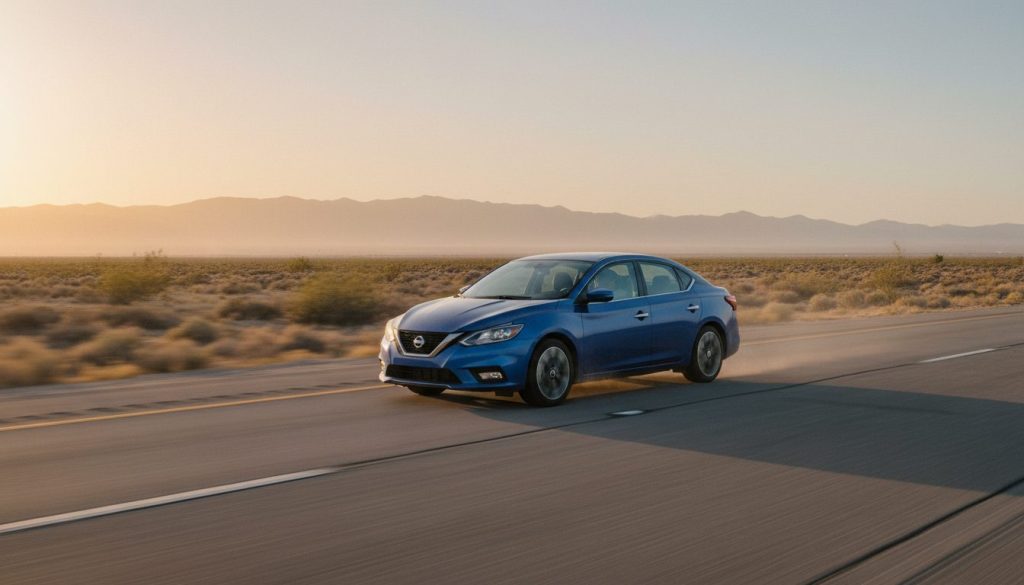
Budget-friendly pricing usually masks terrible long-term automotive investments. The Nissan Sentra severely disappoints buyers with unsupportive seats that cause noticeable physical fatigue during interstate road trips. The weak naturally aspirated engine screams loudly while struggling to merge into fast-moving highway traffic safely. Furthermore, the notorious continuously variable transmission requires expensive premature replacements. This catastrophic failure point completely destroys the initial budget-friendly appeal for thrifty daily commuters.
The Audi Q4 e-tron
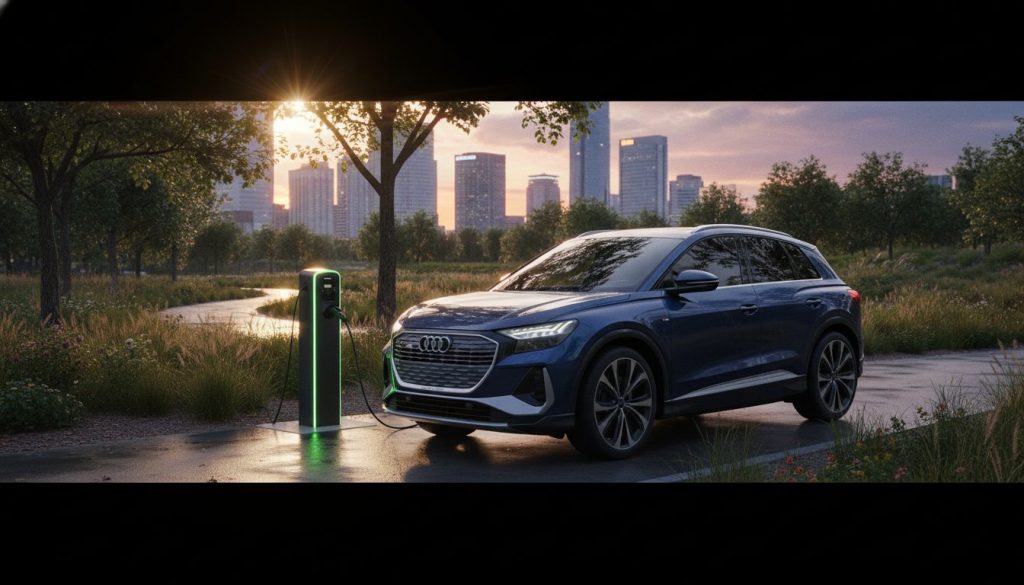
Transitioning into luxury electric vehicles requires substantial cash that the Audi Q4 poorly justifies. Owners suffer from terrible public charging speeds that completely ruin long-distance road trips. The maximum battery range falls embarrassingly short compared to highly capable Korean competitors costing thousands less. Buyers heavily regret securing this premium German badge when the underlying battery architecture remains fundamentally compromised, outdated, and outclassed by cheaper mainstream alternatives.
The Volkswagen ID.4
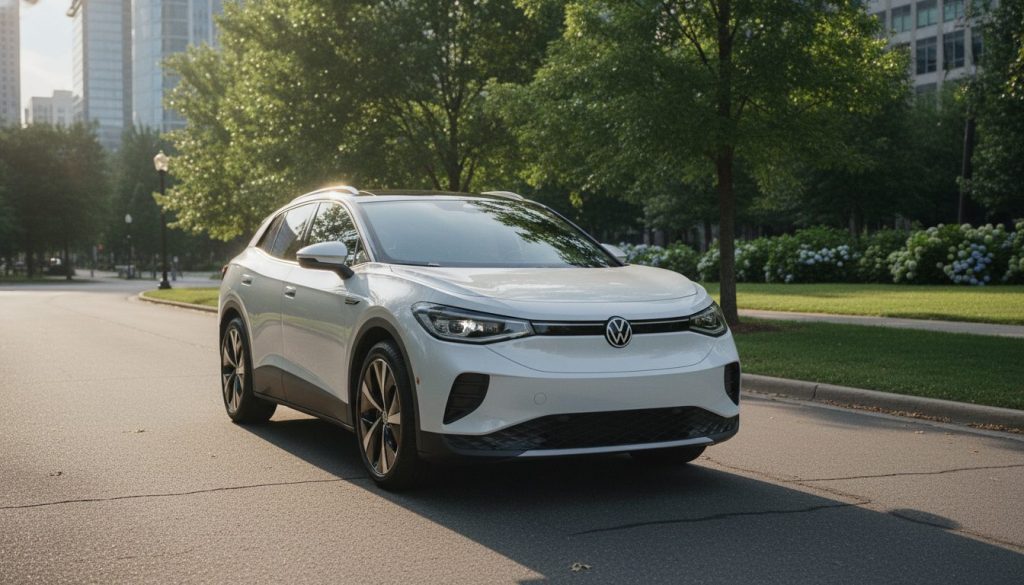
Software stability remains critical for modern electric vehicles to operate safely. The Volkswagen ID.4 tortures early adopters with constantly crashing screens and unresponsive climate controls. The bizarre window switch layout actively infuriates drivers trying to perform basic cabin adjustments while moving. The overall driving dynamics feel incredibly heavy and completely disconnected from the actual asphalt. It creates immediate buyer remorse the second you drive it home.
The Mazda CX-90 PHEV
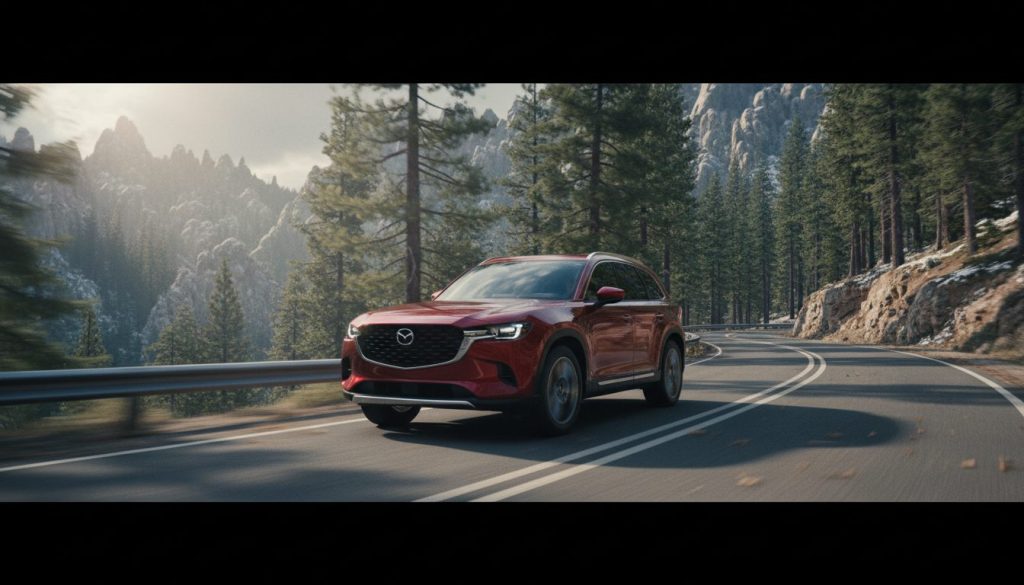
Mazda usually delivers outstanding driving dynamics, but their new plug-in hybrid powertrain suffers from serious teething issues. Owners consistently report terrible transmission shuddering and extremely clunky transitions between electric and gasoline power. The overly complex mechanical architecture frequently triggers sudden check engine lights that disable hybrid functionality entirely. Buyers severely regret abandoning proven competitors to beta-test this highly problematic first-generation premium platform for the Japanese automaker.
The Ford F-150 PowerBoost
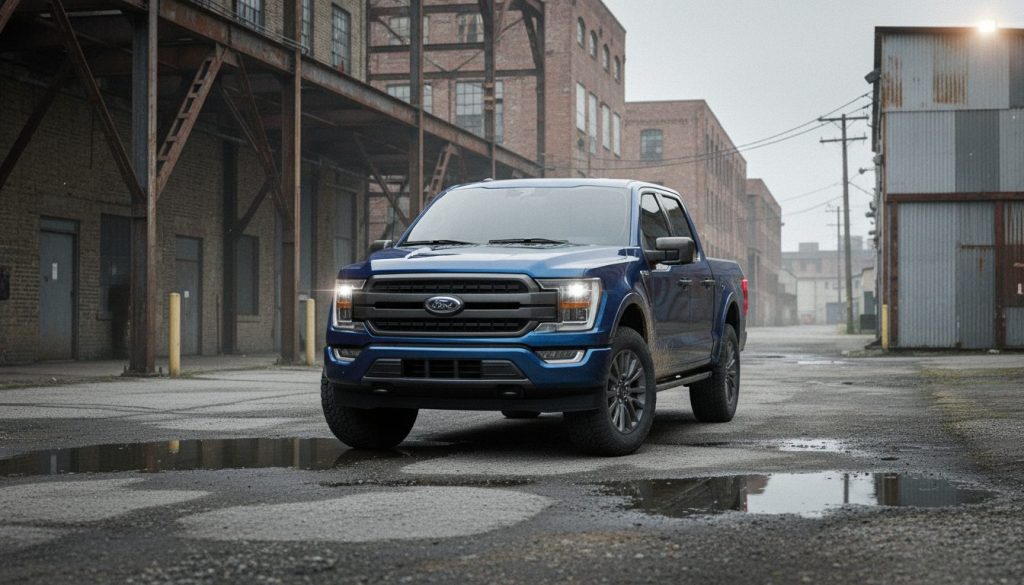
Adding a hybrid system to a heavy commercial truck should provide excellent low-end torque. However, the Ford F-150 PowerBoost generates massive owner frustration due to catastrophic drivetrain reliability issues. Mechanics constantly repair shattered transmissions and completely bricked hybrid battery control modules. Professional contractors deeply regret purchasing this complex setup when continuous dealership downtime completely destroys their daily operational schedules and cuts into their business profitability margins.
The Chevrolet Colorado
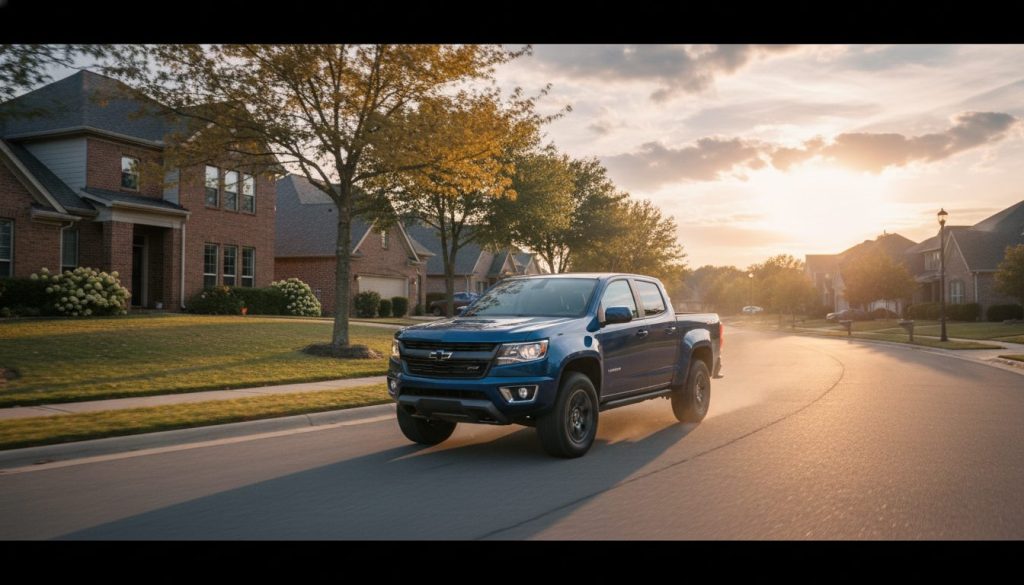
General Motors recently redesigned their midsize truck platform but completely ignored basic quality control standards. Colorado owners face severe electrical glitches that randomly disable critical driver assistance safety systems without warning. The deeply frustrating Google built-in software frequently requires hard battery resets just to utilize basic navigation functions. Truck buyers regret trading away older, proven models for this highly unreliable digital architecture plagued by endless software bugs.