The Real Reason Chevy Montana Can’t Match the Maverick or Santa Cruz
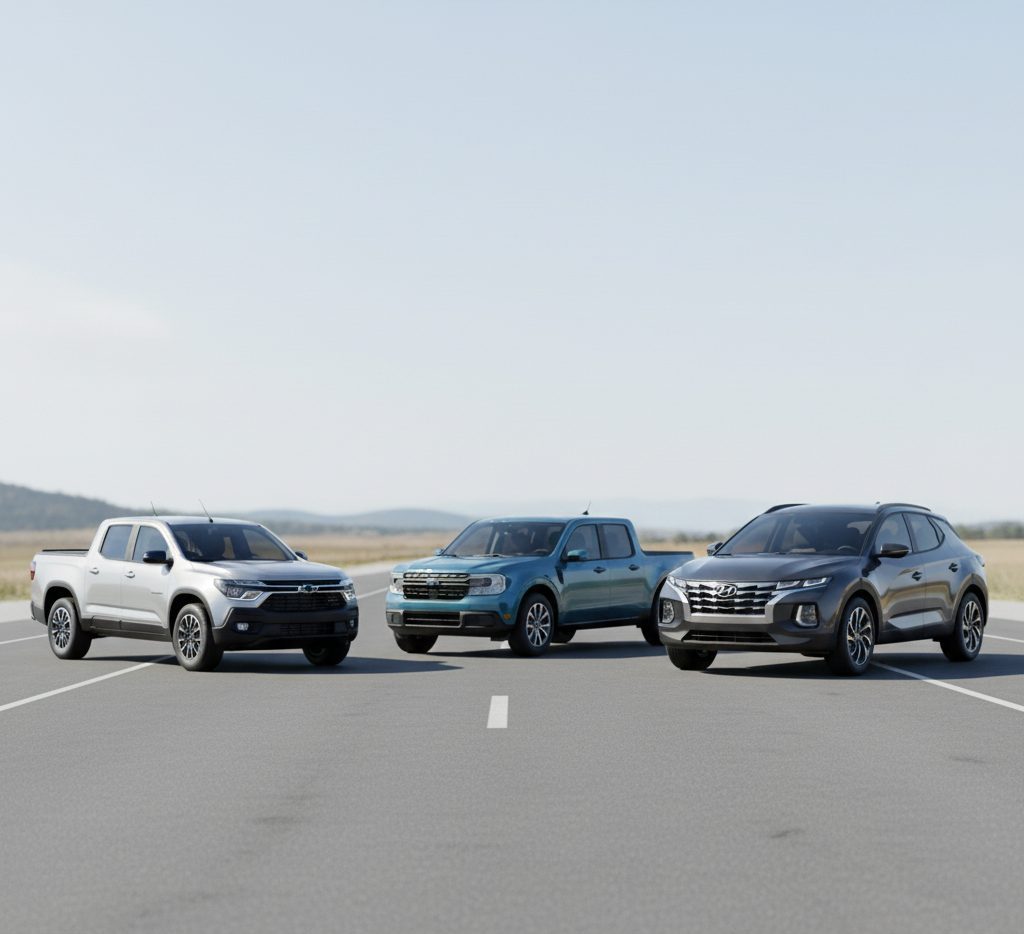
The Chevy Montana may be popular in some markets, but when compared to modern compact trucks like the Ford Maverick and Hyundai Santa Cruz, it simply can’t compete. From smaller size and weaker engines to limited capability and missing features, Montana falls short in almost every key area. In this breakdown, we explain exactly why the Montana lags behind and why the Maverick and Santa Cruz remain the stronger choices for today’s buyers.
Chevy Montana
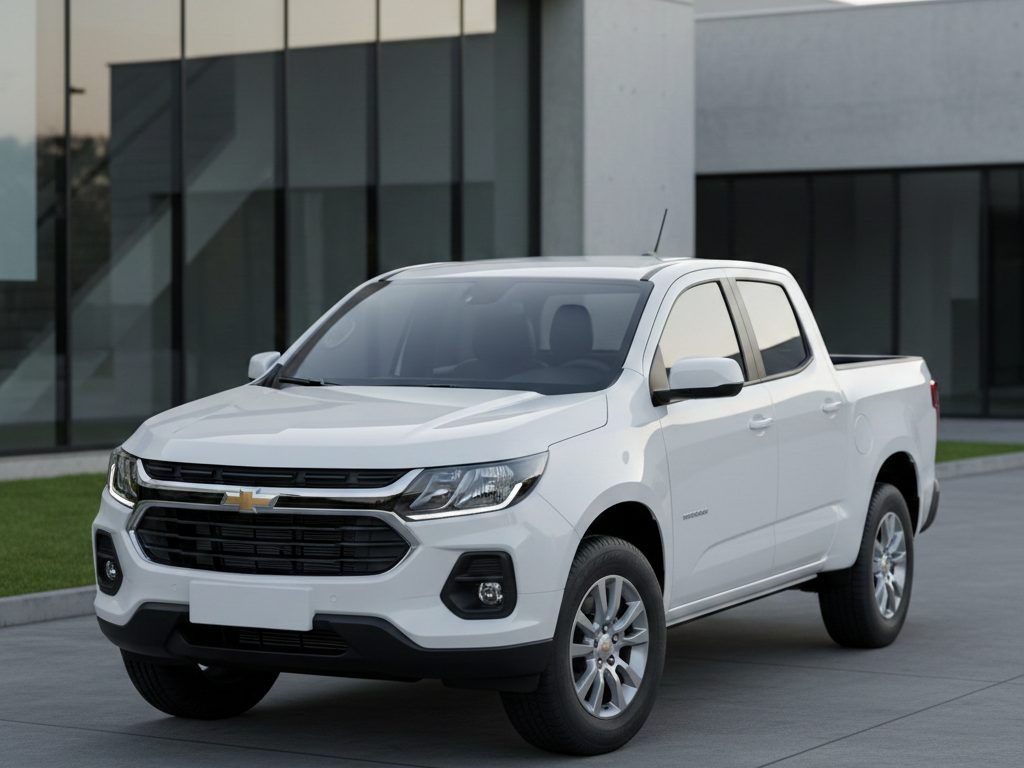
Alright, so the Montana is actually kinda interesting, just… not totally ready for prime time in the US. It’s a compact unibody pickup mainly sold in places like Brazil and other developing markets, so its whole design philosophy is built around being cheap to buy, simple, and efficient, not feature-packed or powerful. It usually runs a small 1.2–1.3 liter turbo three-cylinder with around 130-ish horsepower and front-wheel drive, which is fine for light duty and city stuff, but when you compare that to the punchier US trucks, it suddenly feels a bit undercooked. Price-wise, converted it lands somewhere in the mid 20,000s in USD, which sounds competitive, but then you remember the Maverick starts around $26,000 and gives you more power, brand familiarity, and way better perceived value here. So yeah, Montana’s kinda stuck as the weird outsider.
Ford Maverick

The Maverick is like that kid who shows up late to class but somehow has all the answers. Ford knew exactly what it was doing for the US market: small truck, real bed, legit capability, and a super appealing price. Base models start around $26,000 and you can get a hybrid setup with about 191 hp that still tows and hauls surprisingly well, or a turbo engine with up to 250 hp if you want more grunt. It feels modern, gets solid fuel economy, has proper safety tech, and more importantly, it’s built and marketed specifically for Americans who want a “real truck but smaller,” not just a car-based pickup experiment. Honestly, that’s a big reason Montana feels outclassed.
Hyundai Santa Cruz
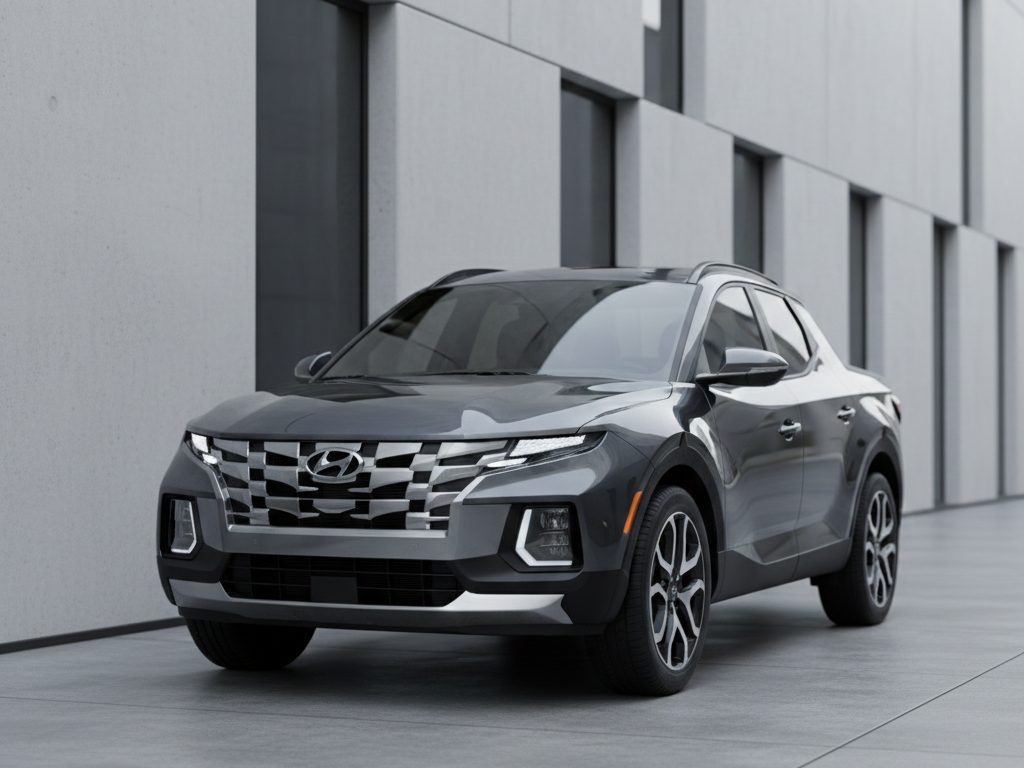
Santa Cruz is more like the artsy cousin in this segment. It’s a bit more crossover than truck, but that’s kinda the charm. It’s got a stylish design, nice interior, and plenty of tech, and with engines ranging from around 191 hp up to about 281 hp in turbo form, it absolutely smokes something like the Montana for performance. Pricing usually starts right around $30,000 in the US, and yeah it’s a bit more expensive than a base Maverick, but you’re getting that Hyundai comfort, good ride quality, and the usual strong warranty. For a weekend adventure rig or daily driver that happens to have a bed, it just makes way more sense than trying to adapt a Montana over here.
Chevy Colorado
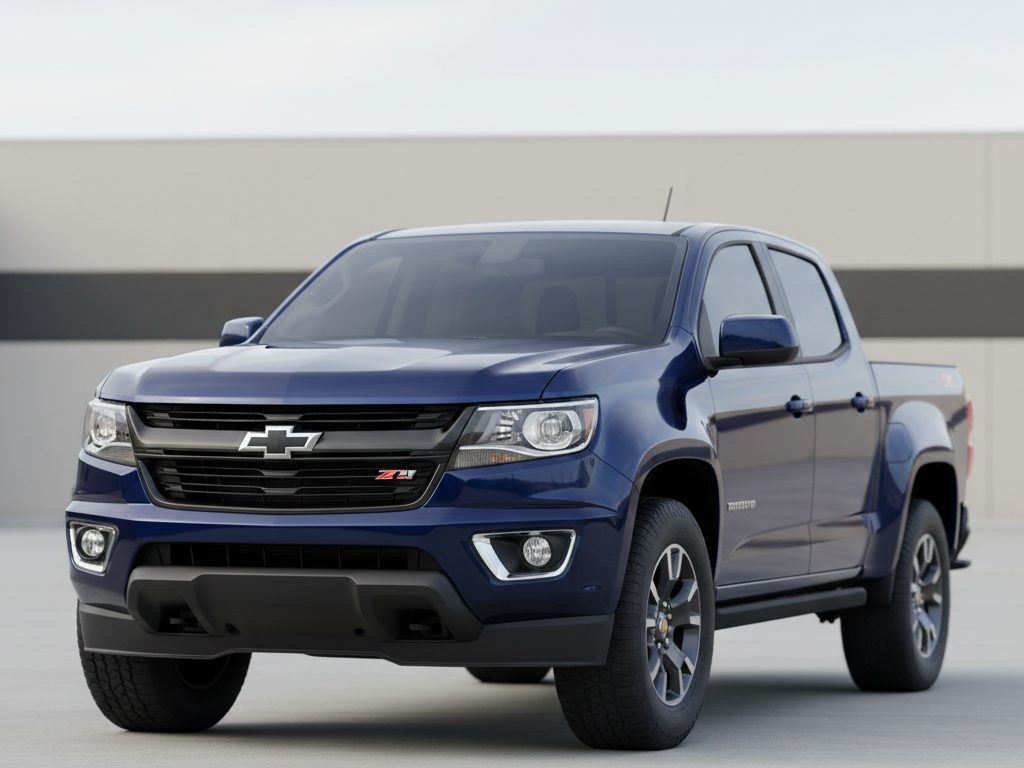
Now if you think about what Chevy already has in the US, the Colorado kinda makes the Montana even more awkward. Colorado is a mid-size, proper truck with serious towing, off-road trims, and enough power and size to fit typical American truck expectations. It’s more expensive, sure, but it gives Chevy an actual foothold in the truck market that feels legit. If they tried to slot the Montana in below it without upgrading power, features, and safety to US standards, it’d probably just feel like “Colorado Lite, but not in a good way.”
Ford Ranger
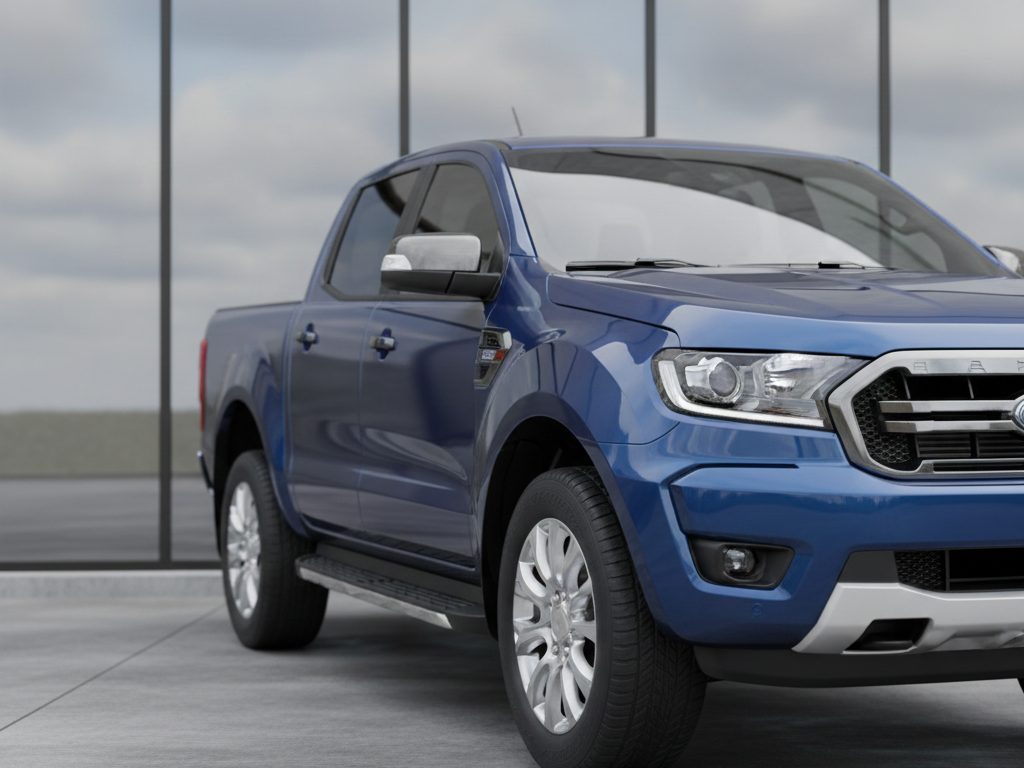
The Ranger sits above the Maverick and gives Ford a solid one-two punch in the truck lineup. With strong engines, off-road packages, and real truck image, it makes a lot more sense as the step-up from something like a Maverick. When you compare that ecosystem to what Chevy has, you realize Chevy would have to make Montana really compelling to justify its place. And right now, it’s just not built with that kind of US-focused strategy in mind.
Hyundai Tucson
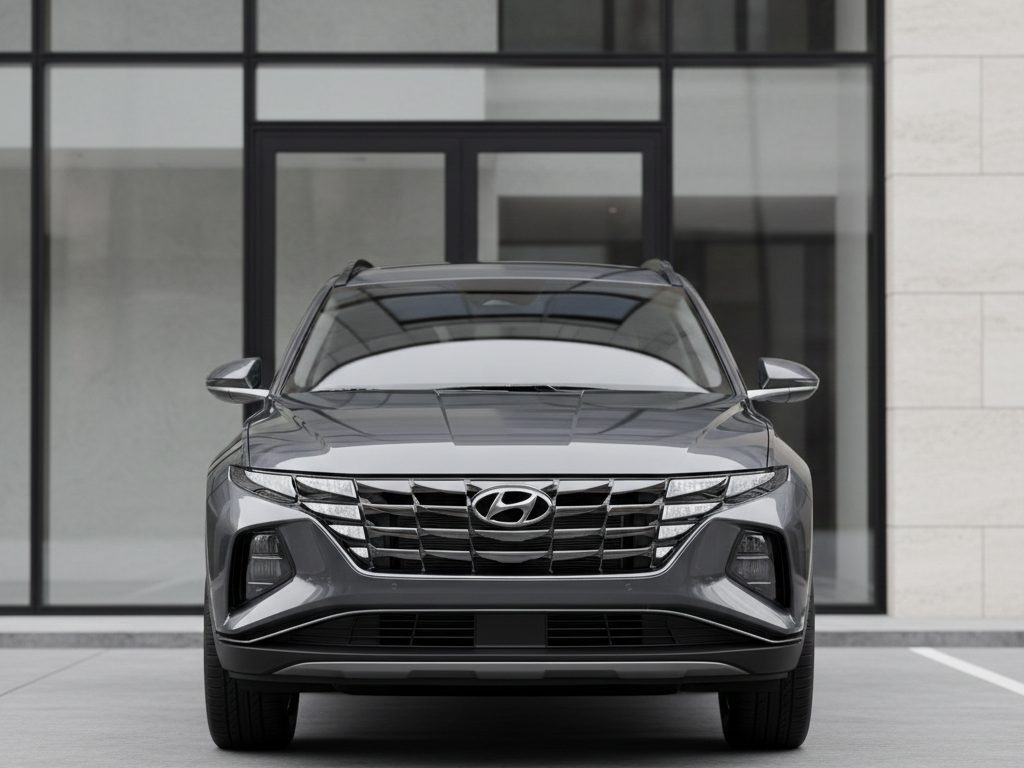
Weirdly, the Santa Cruz leans a lot on the Tucson’s reputation, because they share a lot under the skin. The Tucson is a super popular crossover, and that gives buyers confidence that the Santa Cruz is basically “a Tucson with a bed,” which sounds way better to American suburban buyers than “a small imported Chevy you’ve never seen before.” Tucson’s success kind of helps Santa Cruz feel more like a safe experiment and less like a gamble.
Chevy Trailblazer

If Chevy wanted something small, affordable, and practical for city folks, it already has the Trailblazer on the crossover side. It’s not a truck, obviously, but if someone just wants space and utility for cheap, that’s where they usually end up. So Montana doesn’t just have to fight Maverick and Santa Cruz, it’d end up bumping into Chevy’s own small SUV buyers too. That overlap makes it even harder to justify bringing it in unchanged.
Chevy Equinox
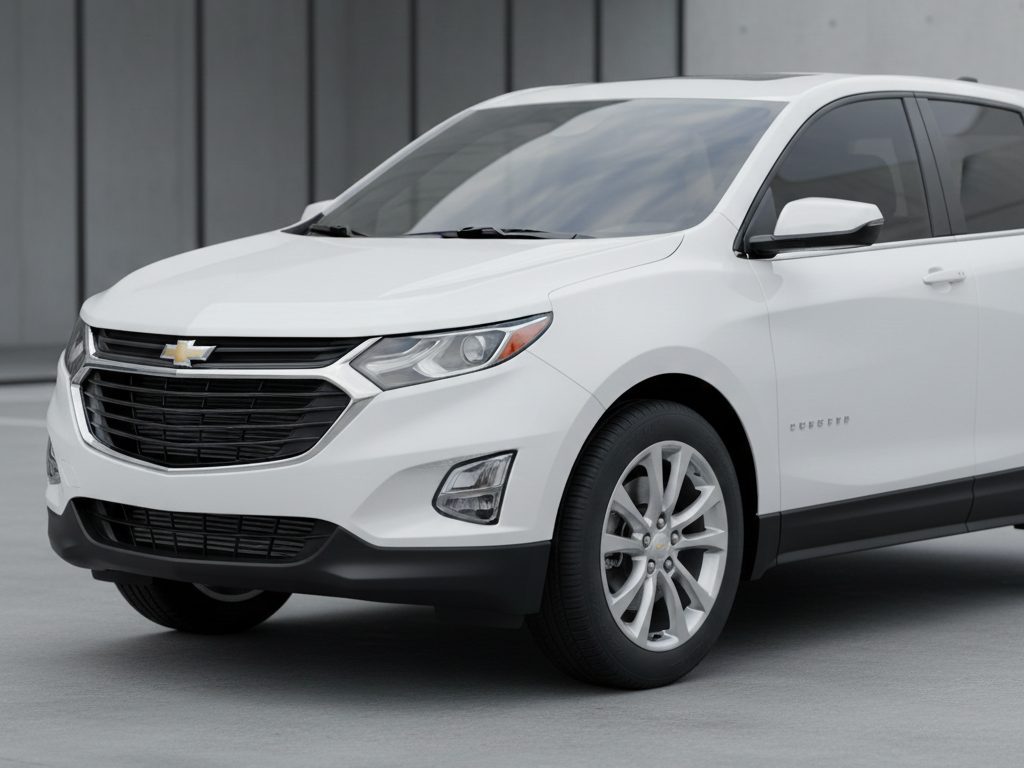
Equinox is Chevy’s “happy middle” SUV in the US. It’s familiar, it’s everywhere, and it hits that affordability and practicality sweet spot. So when you ask a Chevy buyer to pick between a weird new compact truck like the Montana and a known quantity like an Equinox, a lot of them are just gonna default to the SUV. That’s another reason Montana would need serious marketing and upgrades to even make a dent.
Hyundai Kona
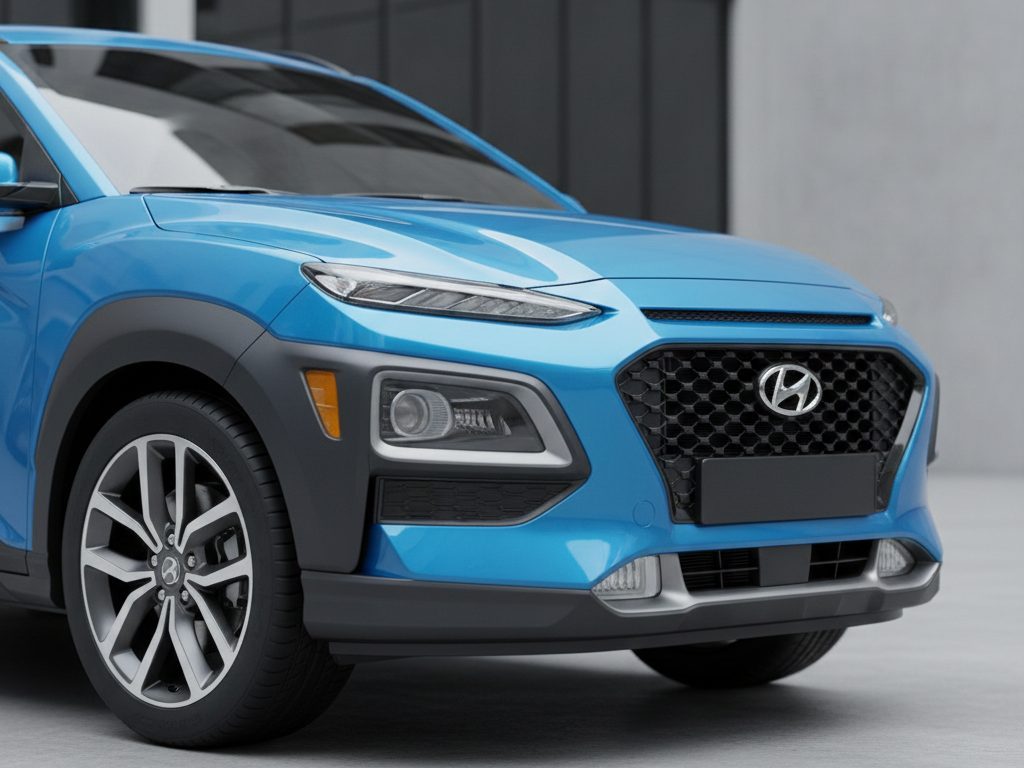
On the Hyundai side, the Kona kinda plays the “cute, urban, compact” role that overlaps a bit with what a tiny truck would offer. Buyers who don’t need a real bed but want funky styling and small-car practicality already have something like this. Santa Cruz just builds on that “fun Hyundai” image and adds utility, while Montana would be trying to introduce a whole new identity with less support behind it.
Chevy Silverado 1500
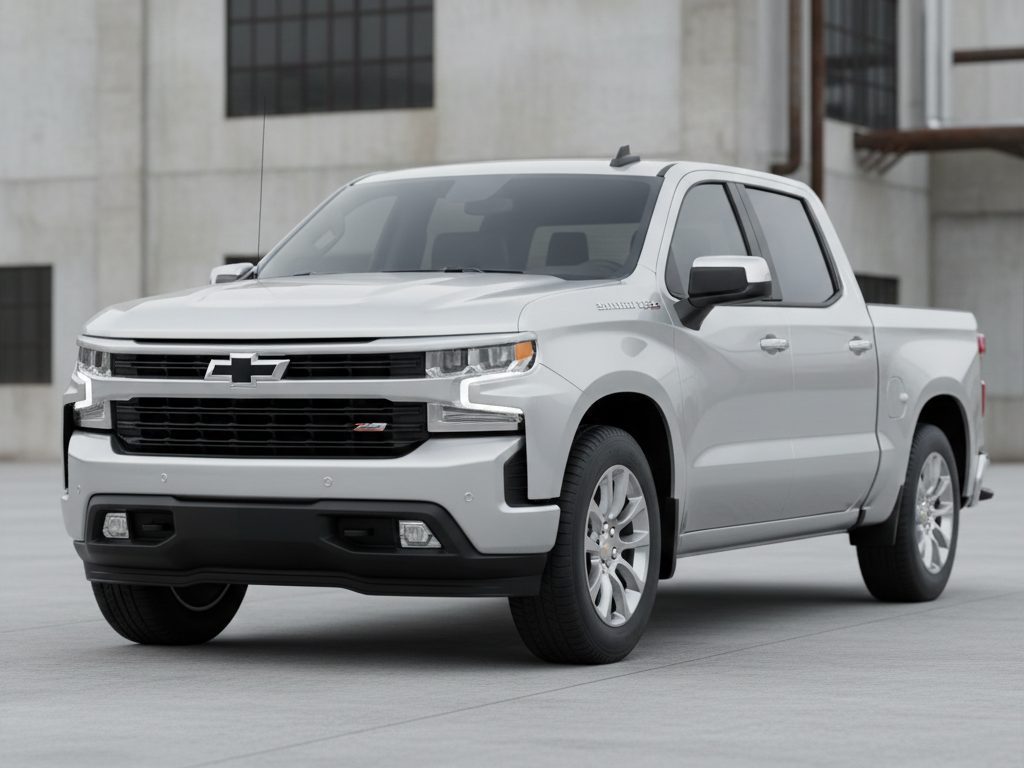
And then you’ve got the Silverado, which is the bread-and-butter US truck for Chevy. Big, powerful, expensive, very “America.” When you think of Chevy trucks here, this is what comes to mind first. So trying to also push a small, lower-power Montana with around 130 hp and FWD into a market where Ford is offering hybrid power, AWD, and up to 4,000 lbs towing on the Maverick just feels mismatched. Chevy would basically be saying “hey, here’s a budget truck,” while Ford and Hyundai are saying “here’s a small truck that still feels properly modern and useful.”