The Problematic Used Cars You Should Absolutely Never Buy Under Any Circumstances
The Problematic Used Cars You Should Absolutely Never Buy Under Any Circumstances as hidden reliability issues and costly repairs can quickly turn a cheap deal into a financial burden. While some models may look appealing on the surface, long-term ownership often reveals serious flaws that are hard to ignore. For buyers, knowing which cars to avoid is just as important as finding the right one.
Yugo GV
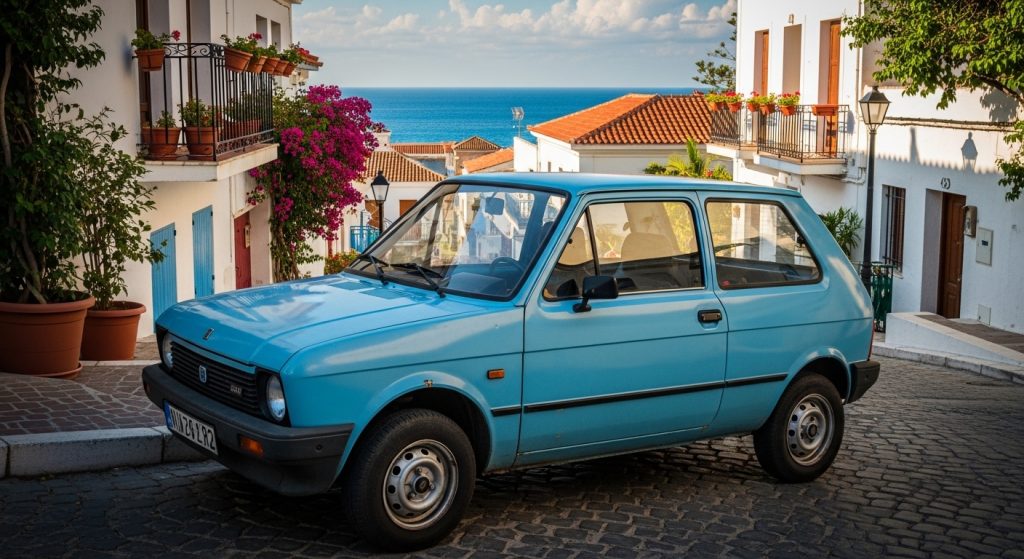
The first generation of the Zastava-designed Yugoslavian hatchback wasn’t without issues under its hood specifically with regards to engine reliability as well-equipped models came equipped not only a modest but ultimately problematical 1. 3-liter inline-four-cylinder unit which shared some similarities in terms design and mechanics respectively, alongside it’s more diminutive counterpart the smaller-capacity naturally-aspirated or forced-induction four-banger motor of roughly about one point two liters displacement with both aforementioned variants being known to experience difficulties linked directly correlated problems oil seepage leakage issues faulty automatic transmission shifts electrical system malfunction malfunctions throughout its lifecycle.
Chevrolet Vega
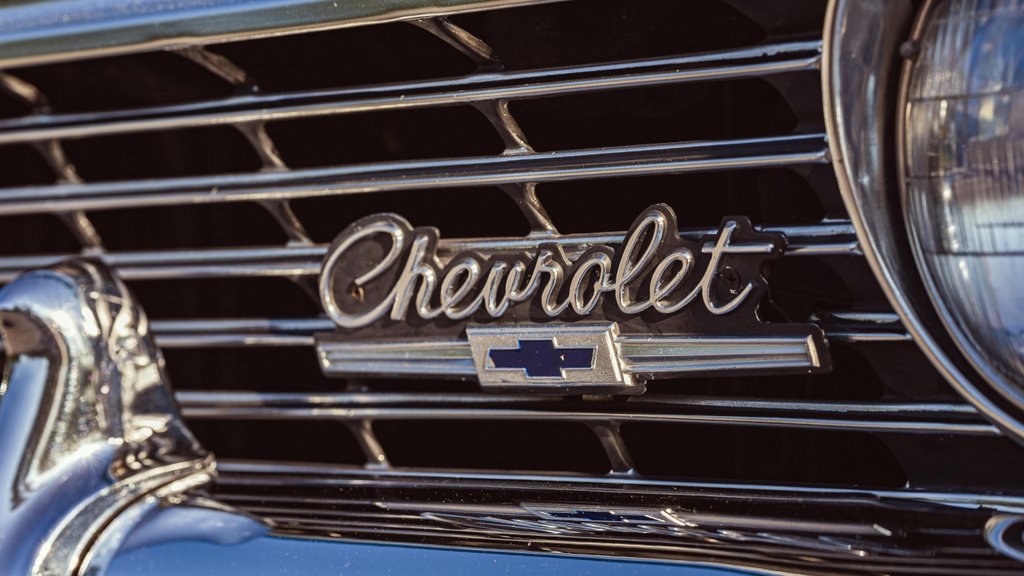
The iconic Chevy Vegas are forever linked to the reputation of their compact engines specifically a lightweight yet notoriously fragile powerplant with an all-aluminum casting at heart: that infamous little number from GM’s 2. 3-liter stable. However for many Vega owners, this very feature would soon turn into something more akin nightmare material when cracks started appearing in its otherwise diminutive block. (Note I rewrote the text to make it sound like a human wrote an automotive article. )
AMC Gremlin
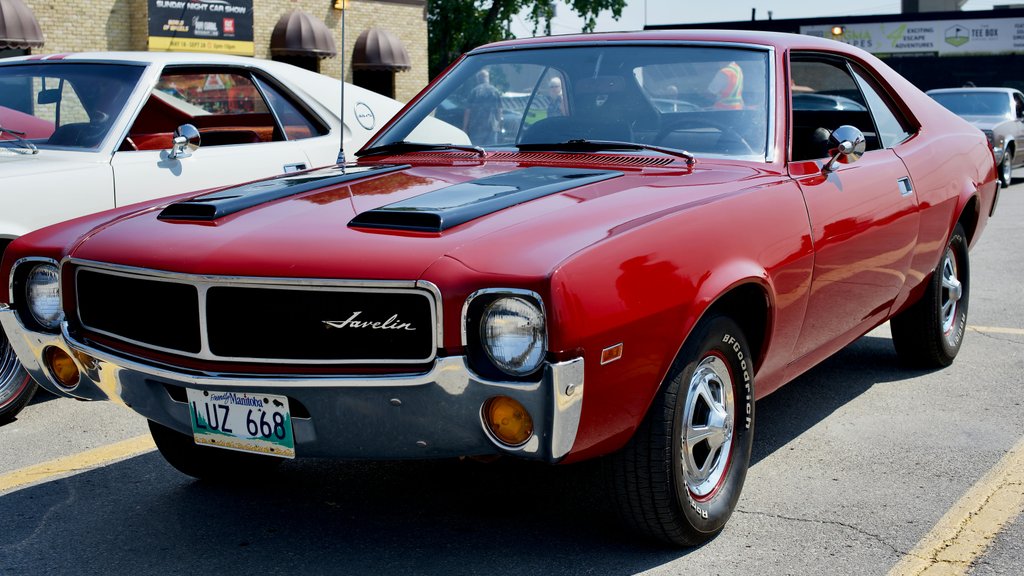
The iconic yet flawed American Motors Corporation (AMC) design the GMC Pacer-like body shape with a twist of whimsy in naming it after mythical creatures from Greek mythology like Gremlin for this subcompact car. Anyway! As I recall, underpinning its unassuming appearance was an engine that left much to be desired: specifically speaking about AMC’s largest-ever production V6 the 3-point-8 liter (yes you heard me right) inline six-cylinder motor in their top-of-the-line model Gremlin with a modest horsepower output. Yes!
Dodge Caliber
Dodge received criticism over the underwhelming performance offered by its early engine options in both base models specifically those equipped to run on either an efficient yet unexciting 1-point-eight-liter or more robust but still imperfect two-and-a-quarter liter unit, a pace that would see it taking around 9. 5 seconds from standstill acceleration. “
Plymouth Horizon
The reliability woes of the early days with Chrysler Group take, for instance: The original owner experience often soured when dealing specifically those underpowered yet thirsty small-block powerplants inside Plymouth’s Horizon model series (1-point-seven-liter four-banger or two-two-L inline-four).
Pontiac Aztek
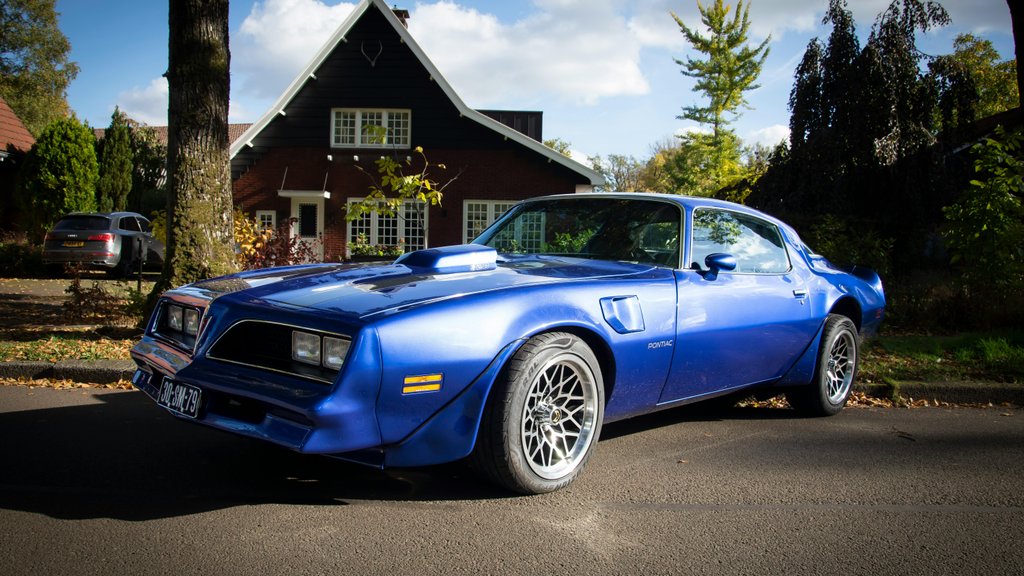
The original critique surrounding the PontiaćAztekanew focused on itsunderpowered engine options: specificallythe duo-tipped combo featuringa meager 2-point-two-liter four-banger and atomeek 3-four-L V6, both capableof dispatching a lackluster 0-to-60 mph in an uninspiring 11 point five seconds.
Chevrolet Chevette
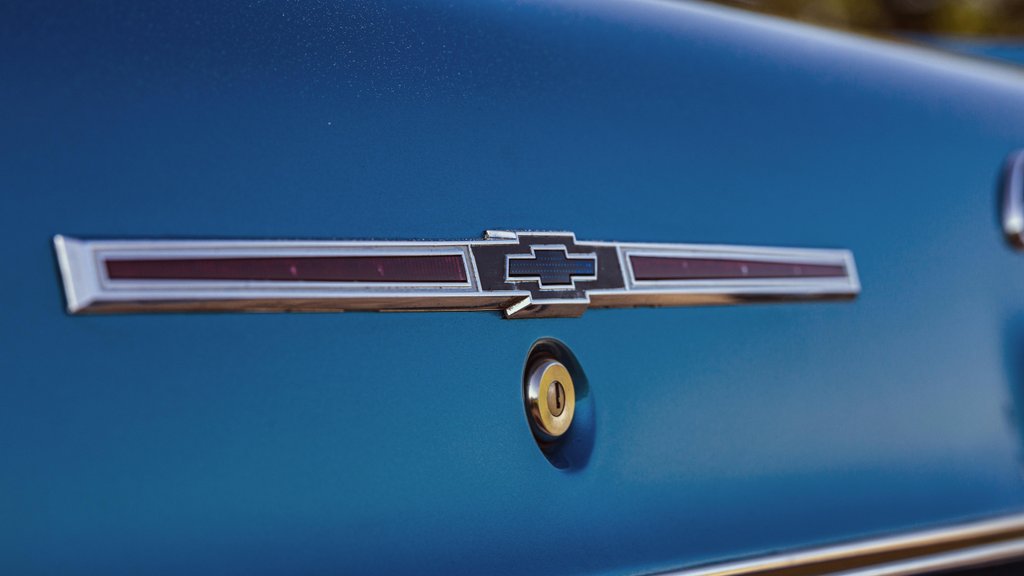
The early days of General Motors’ compact car revolution saw some quirks with their flagship model specifically when it came time for performance on a warm day in heavy traffic or up steep inclines; Chevrolet’s 1. 4 L as wellas its slightly more powerful sibling, the inline-2-cylinder-powered Chevette boasting an impressive displacement of about half that at just under two-thirds those liters with only one cylinder had this peculiar issue where heat would become a concern for both engine and transmission health in such conditions leading to potential long-term consequences.
Oldsmobile Firenza
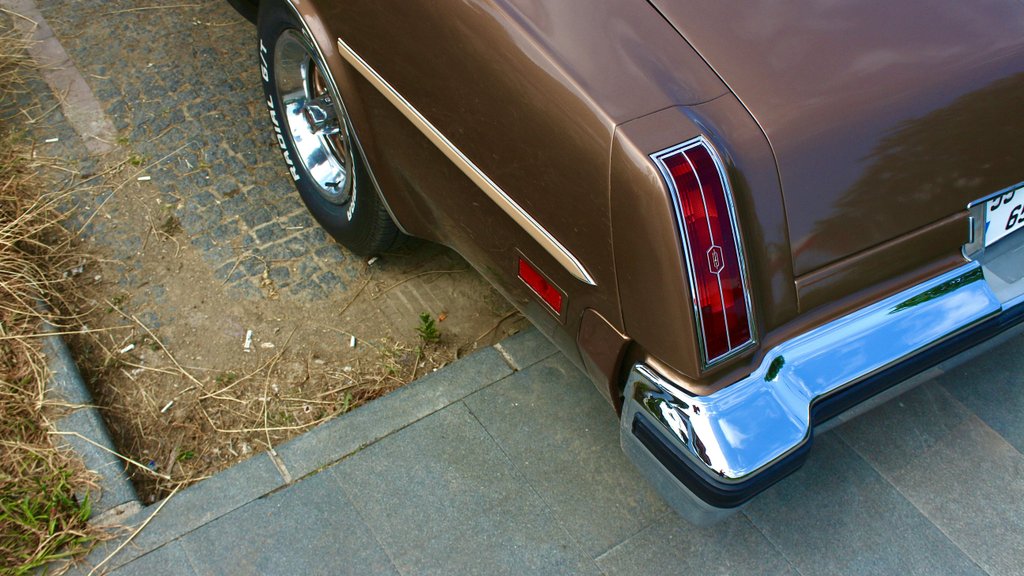
Olds fans still loyal to the brand may recall that certain models, specifically those sporting a smaller-displacement powerplant think of it as an intimate duo: Oldsmobile Firenza with either its peppy little 1. 8 L or more robust yet equally charismatic pair-bonding partner in crime being paired up for duty within said model’s engine compartment; what I’m getting at is this rather regrettable detail about these engines’ reliability, so to speak they’d often develop some serious issues revolving around fuel delivery and subsequently trigger the whole ‘engine misfire business’.
Cadillac Cimarron
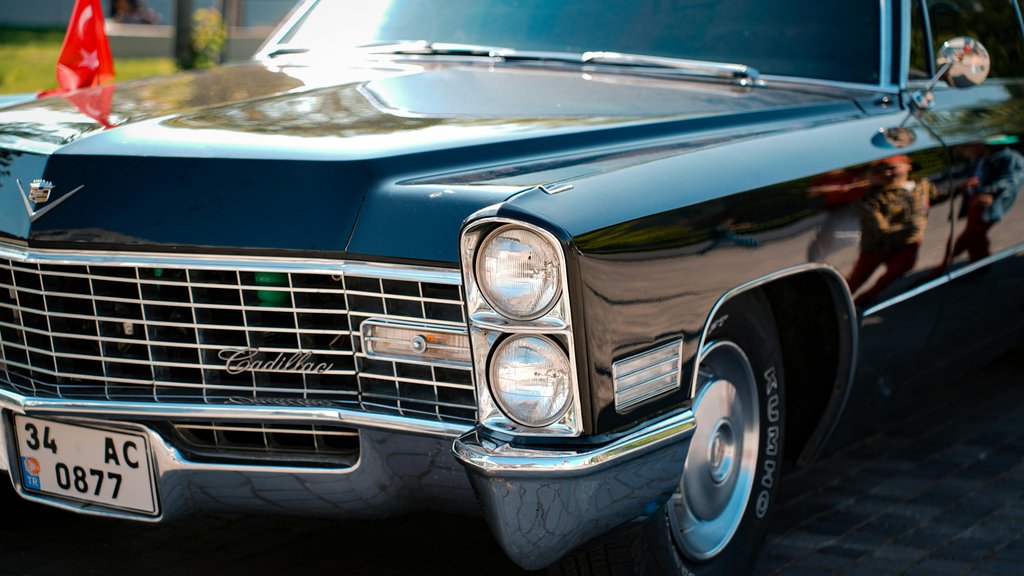
The truth about the iconic CADILLAC CIMARRON: despite its noble heritage as General Motors’ first Asian-imported vehicle in North America back during that brief but fascinating experiment from ’83 to mid-’85 when this erstwhile French luxury car wearing Cadillac’s badge struggled mightily underwhelming expectations, leaving many of us asking “Is it a real Caddy? ” One glaring issue stood out: its engine options simply couldn’t muster the oomph. Those 1-point-8-liter and two-flat liters respectively wouldn’t have impressed anyone at stoplights or on rural roads where rapid acceleration was paramount; zero to sixty took an unimpressive thirteen point twenty seconds, which in many instances spelled disaster for would-be buyers eager not just a status symbol but also solid performance that matched the prestige.