The Massive Secret Dealerships Are Hiding About The Unsold Cars Nobody Wants To Buy
The Massive Secret Dealerships Are Hiding About The Unsold Cars Nobody Wants To Buy. Walking past a massive automotive lot filled with gleaming new vehicles feels impressive until you realize many have sat there rotting for months. Dealerships absolutely despise talking about aged inventory because it severely damages their profitable public image. When a specific model completely flops with consumers, franchises utilize highly secretive financial maneuvers to quietly eliminate the dead weight without destroying their local market pricing.
The Hidden Boneyards Of Excess Inventory

Automakers constantly force local franchises to accept highly undesirable models just to secure shipments of profitable heavy duty trucks. Dealerships quietly lease massive abandoned parking lots miles away from their main showrooms to hide this embarrassing metal. These secret boneyards protect the brand image from looking desperate while keeping the primary lots appearing fresh and highly curated. The vehicles sit entirely neglected, suffering from dead batteries and dry rotting tires while executives frantically formulate disposal strategies behind closed doors.
Punching Cars To Falsify Sales Numbers

General managers frequently engage in a highly controversial practice known within the industry as punching a car. They officially report the unsold vehicle as purchased to the manufacturer to hit massive monthly volume bonuses. The dealership essentially buys the car themselves, legally transforming a brand new unit into a depreciated used vehicle instantly. They park these officially punched models behind the service department, waiting to heavily discount them as executive loaners without destroying the new market pricing completely.
The Dealer Trade Shell Game

When a particular paint color or trim package sits completely ignored for months, sales managers start dialing other regional franchises frantically. They execute aggressive dealer trades, swapping their unsellable inventory for slightly more desirable models located across the state. This constant shuffling resets the agonizing lot clock and prevents local buyers from realizing the vehicle has been actively rejected. Moving the stagnant metal two hundred miles away creates a temporary illusion of fresh inventory for unsuspecting local consumers.
Sending Unsold Units To Rental Fleets
Automakers absolutely hate stopping their massive assembly lines because factory downtime costs millions of dollars daily. When retail dealerships refuse to order more inventory, manufacturers dump thousands of unwanted cars directly into corporate rental fleets at massive financial losses. This desperate move artificially inflates official production numbers and keeps the massive factory running smoothly. You eventually buy these exact neglected vehicles sitting on used lots a year later, completely unaware of their horrible initial rental market beginnings entirely.
The Myth Of The Factory Return
Consumers falsely assume that dealerships simply load unsold cars onto massive trailers and return them directly to the manufacturer. This convenient scenario is a total fabrication because franchise laws force dealers to permanently purchase the inventory upfront. Once that vehicle rolls off the transport truck, the local owner absorbs all the financial risk completely. Automakers refuse to issue refunds for terrible designs, leaving the desperate franchise owner completely responsible for liquidating the automotive mistakes at a loss.
Stripping Parts For The Service Department

Sometimes an unsold vehicle becomes entirely useless due to severe lot damage or catastrophic hail storms hitting the open parking areas. Dealerships will quietly push these ruined cars into the back service bays and actively strip them for replacement parts. Technicians harvest the expensive digital display screens, clean interior seats, and pristine body panels to complete high paying customer repairs quickly. The stripped mechanical carcass is then quietly hauled off to local scrapyards without attracting any attention.
Aggressive Subprime Financing Push

When premium buyers completely reject an ugly model, the finance department targets vulnerable customers carrying terrible credit scores immediately. The dealership aggressively pairs these highly undesirable vehicles with predatory subprime auto loans featuring staggering interest rates. Since these desperate buyers desperately need transportation, they eagerly sign the paperwork regardless of the actual vehicle condition or design. This highly unethical practice effectively clears the stagnant inventory while simultaneously generating massive back end profit through absolutely horrific loan terms.
Creating Faux Limited Editions

Dealerships often partner with local customization shops to hide deeply unpopular base models sitting on the blacktop. They bolt on cheap aftermarket wheels, apply aggressive vinyl racing stripes, and install generic suspension lift kits quickly. The sales team then confidently markets this modified disaster as an exclusive dealership limited edition package. This psychological pricing trick completely fools uneducated buyers into paying massive premiums for stagnant metal that nobody wanted in its original, incredibly boring factory configuration.
The Overseas Export Gray Market
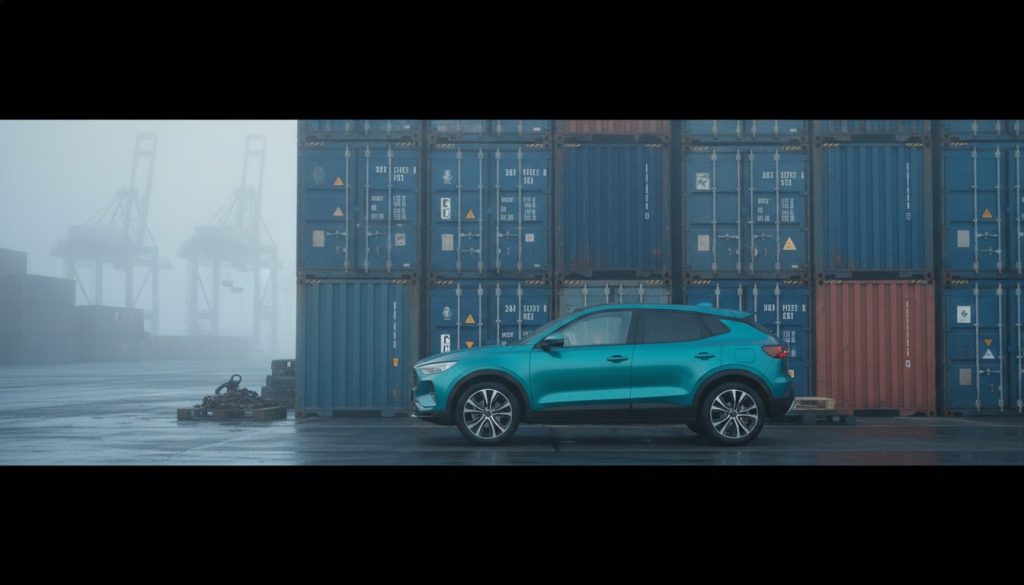
When domestic markets completely reject a specific platform, shady export brokers arrive at the dealership with massive cash offers. They buy the unsellable inventory in massive bulk quantities and immediately load the vehicles into heavy shipping containers. These unwanted cars are then quietly shipped to emerging overseas markets where environmental regulations and safety standards barely exist. Automakers actively ignore this gray market activity because it effectively buries their massive engineering failures far away from American consumers completely.
Tax Write-Offs And Depreciation Games

Desperate franchise owners eventually utilize complex accounting maneuvers to transform totally unsellable cars into highly valuable corporate tax shields. They technically donate the aging vehicles to automotive training schools or local charity auctions for massive public relations victories. The dealership then aggressively claims the total retail value as a massive business loss against their highly profitable service department revenue. This strategic financial disposal method perfectly masks their terrible ordering decisions from the demanding corporate manufacturer representatives entirely.