The Least Reliable Car Brands Ranked Plus the 2 You Can Trust
Reliability matters more than ever when buying a car. Based on Consumer Reports data, these are the least dependable car brands on the market today along with the two brands that consistently deliver long-term reliability.
Rivian
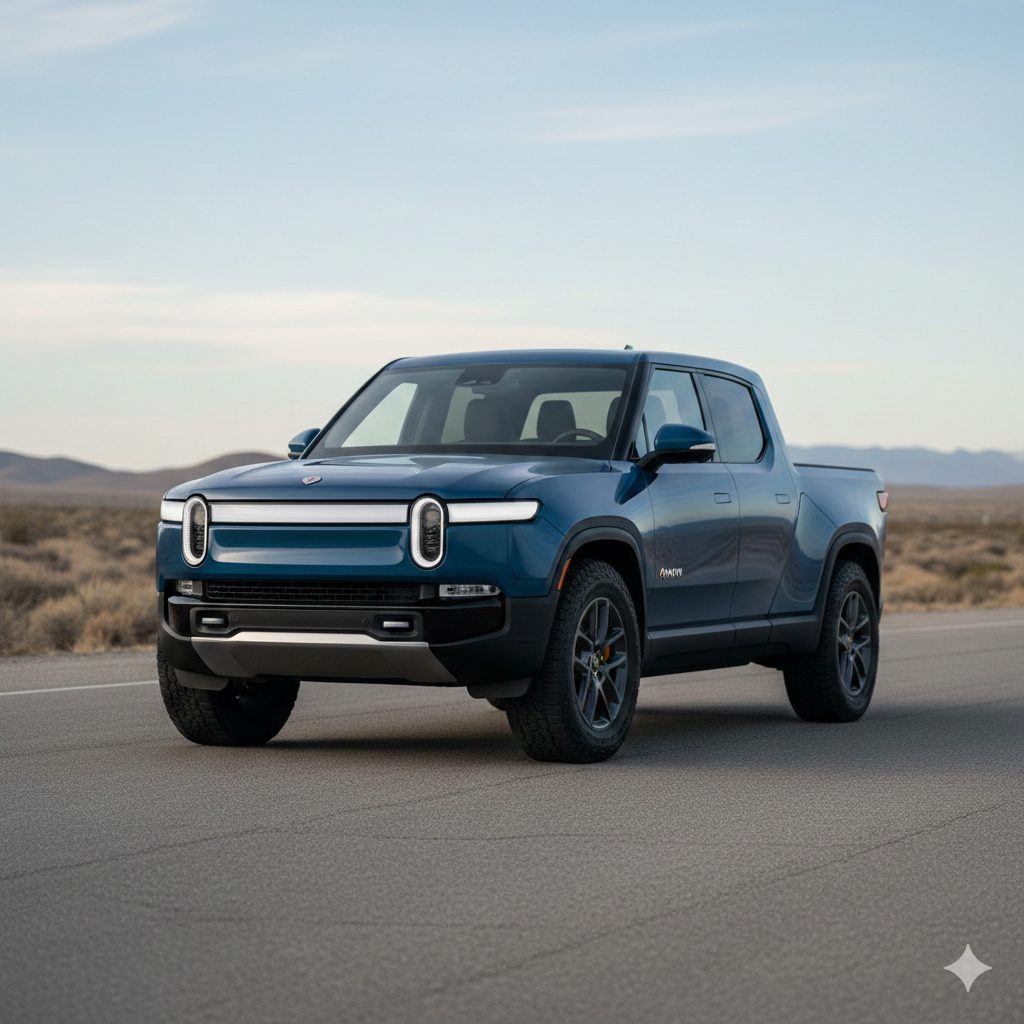
So, Rivian’s like that super exciting new kid in class who’s insanely smart but keeps forgetting their homework. The R1T and R1S are cool, super quick, all-electric adventure trucks, but Consumer Reports has them way down in predicted reliability because of all the early-build issues, electronics quirks, and general “new brand” teething problems. And when you’re paying like $75,000 or more for a truck, that “sorry, we’re still figuring it out” vibe gets old fast.
Cadillac
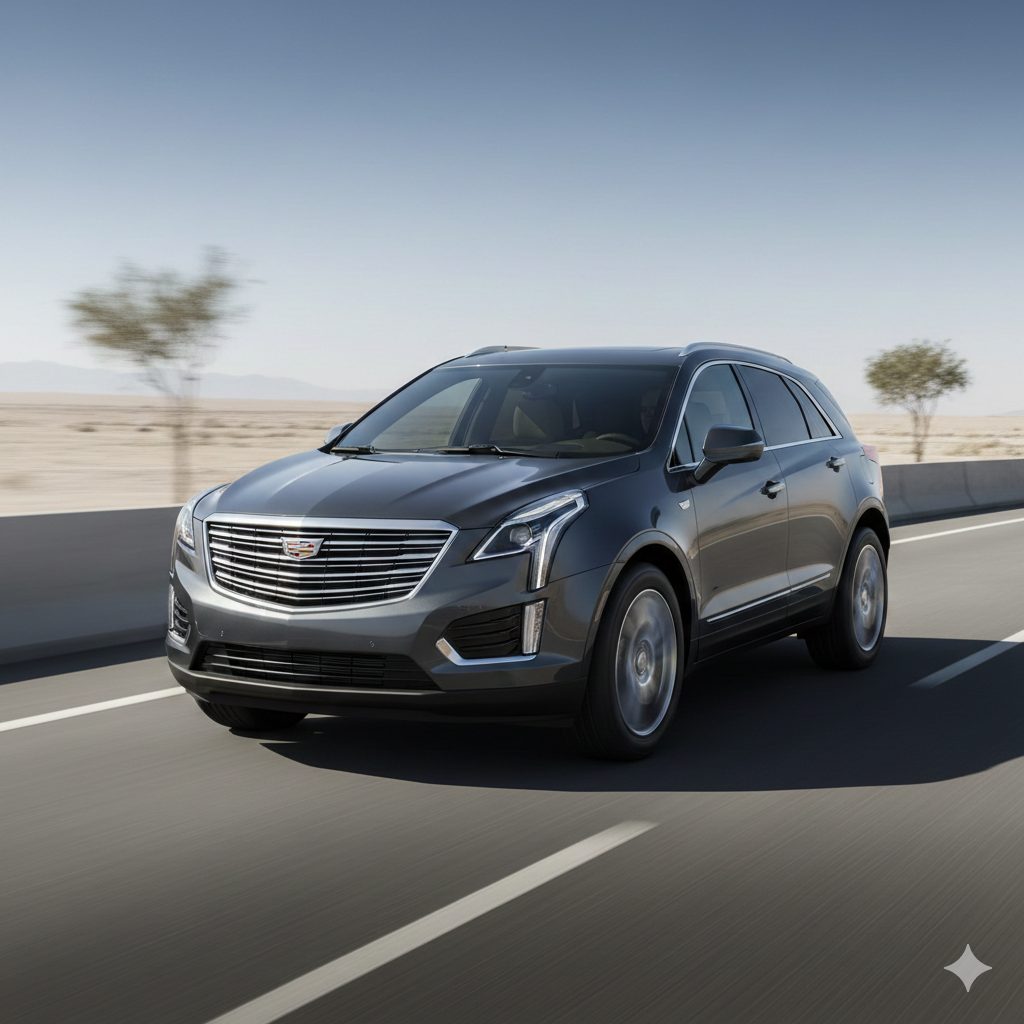
Cadillac’s in this awkward place where it wants to be proper luxury but keeps stumbling over reliability stuff. Consumer Reports puts it near the bottom, with owners reporting issues with electronics, drivetrains, and all the fancy tech that sounds great in ads but not so much when it glitches out. You’re talking $50,000-plus for something like an XT5 or Lyriq, and people expect “set and forget,” not “set and schedule a dealer visit.”
GMC
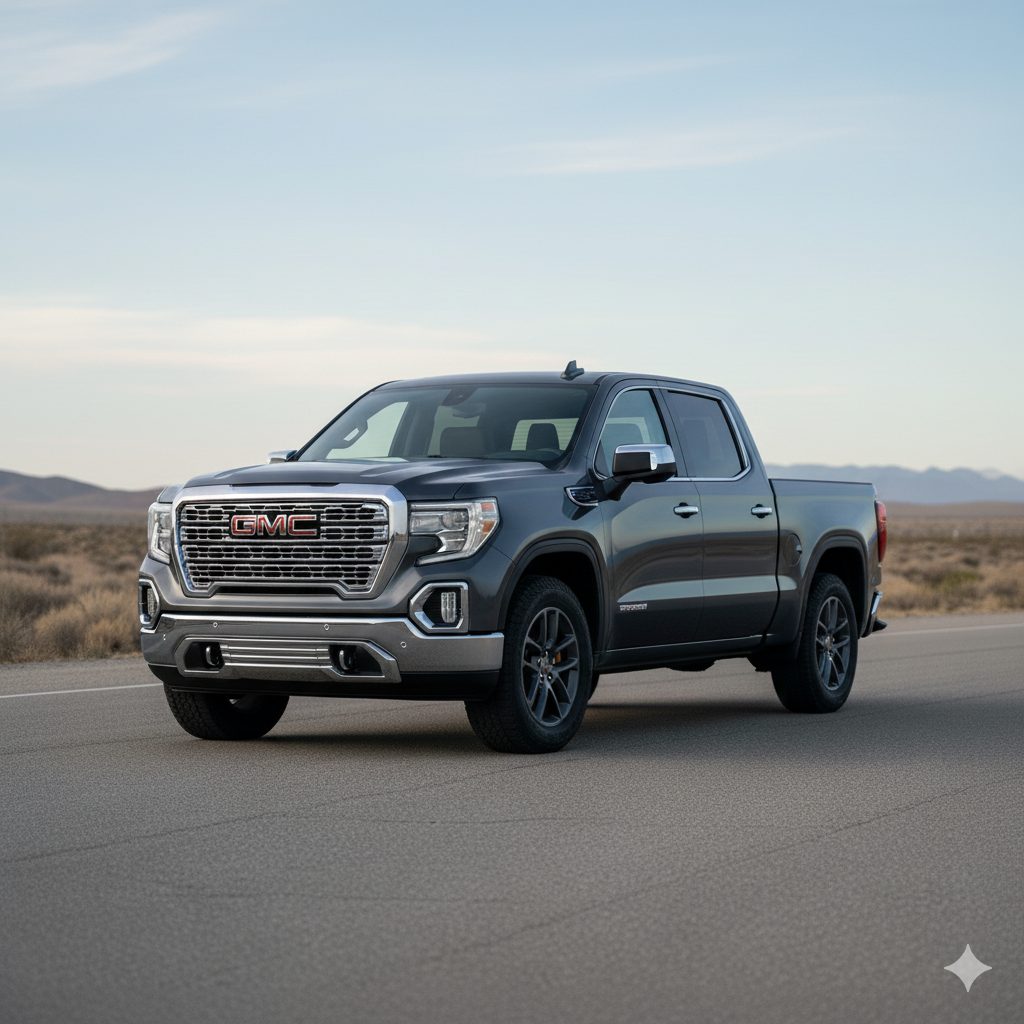
GMC kind of rides the same wave as Chevy but with a “professional grade” badge, and CR still has it sitting near the least reliable end of the chart. Trucks and SUVs like the Sierra and Acadia look tough, drive fine, but owners see recurring issues with electronics, transmissions, and little build annoyances. When the average new vehicle is already flirting with $49,000 in the U.S., having an expensive truck that spends extra time at the dealer feels like a bad joke.
Jeep
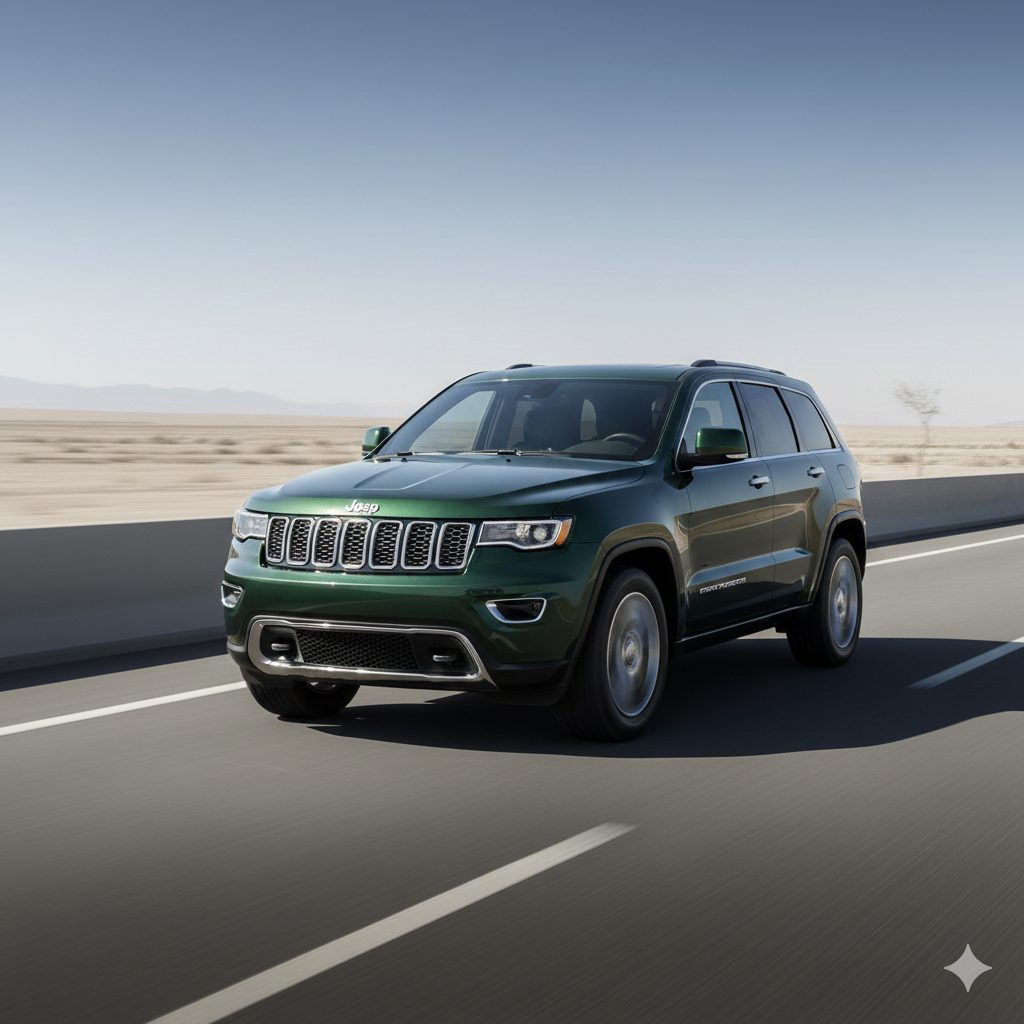
Honestly, no one is shocked Jeep ranks near the bottom for reliability. The Wrangler, Grand Cherokee, and Grand Cherokee L keep showing up in “least reliable” lists thanks to suspension, electronics, and drivetrain gremlins, even though owners still love the image and off-road capability. You drop $45,000 on a nicely specced Grand Cherokee and then end up knowing the service advisor on a first-name basis, which is… not ideal.
Volkswagen
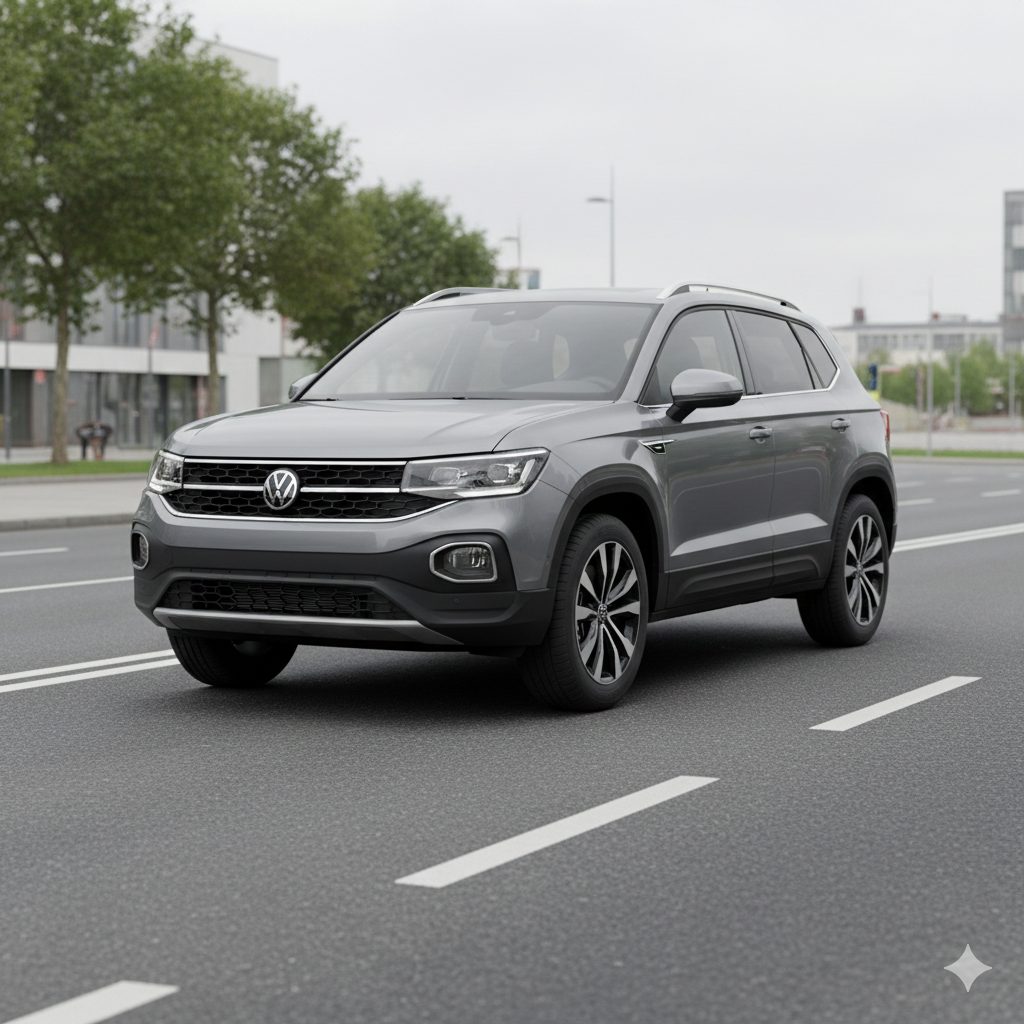
VW is funny because the cars often drive great, but Consumer Reports keeps dinging them on reliability. Stuff like the Taos and Jetta show up in the “least reliable vehicles” lists, with owners reporting transmission issues, electronics glitches, and random warning lights that make you nervous. You can easily spend around $28,000 on a Taos, and it feels like a smart, refined choice until the reliability scores make you think twice.
Tesla
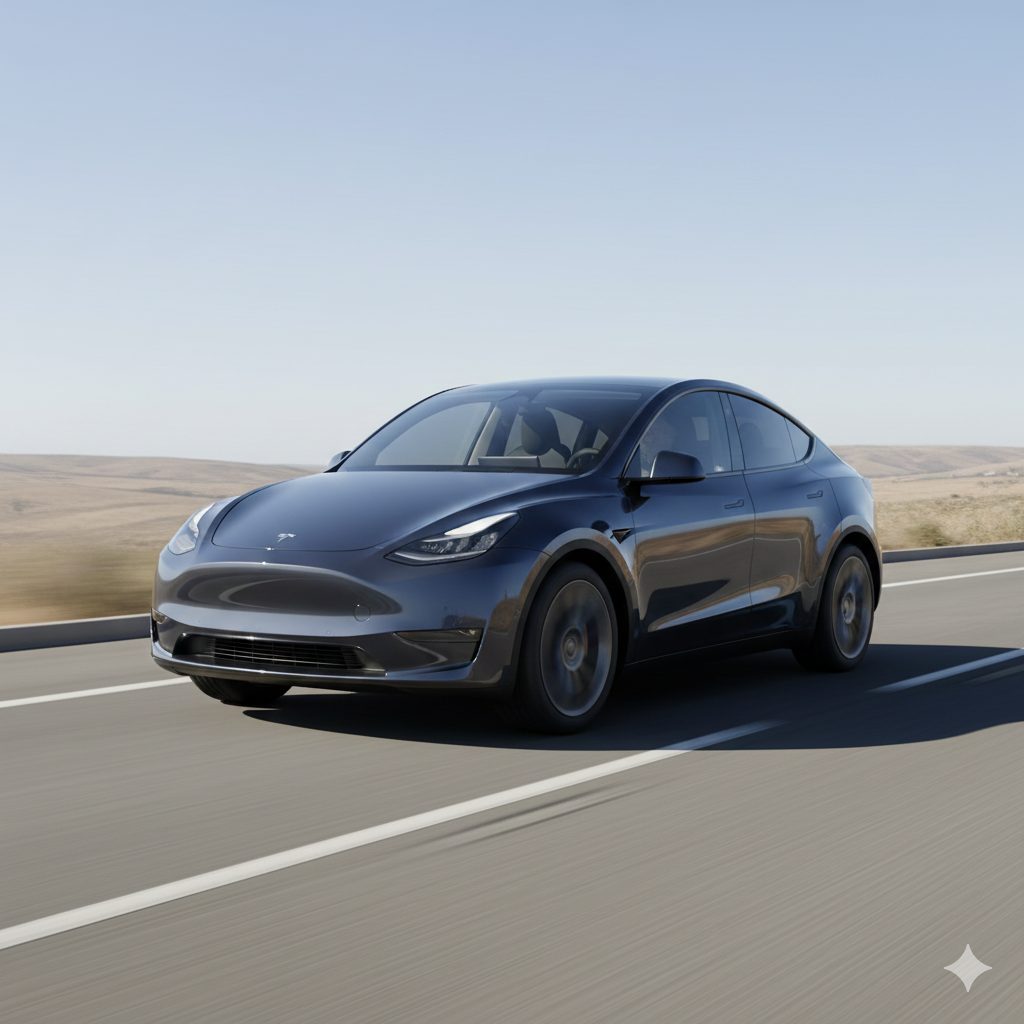
Tesla sits in that weird zone where owners love the cars but the brand still ranks low on reliability charts. Consumer Reports points to build quality, paint, trim, and tech issues, especially with newer models and tech-heavy variants. When a Model Y is often over $50,000 and people still see panel gaps and random software weirdness, it’s like dating someone exciting but very high maintenance.
Chevrolet
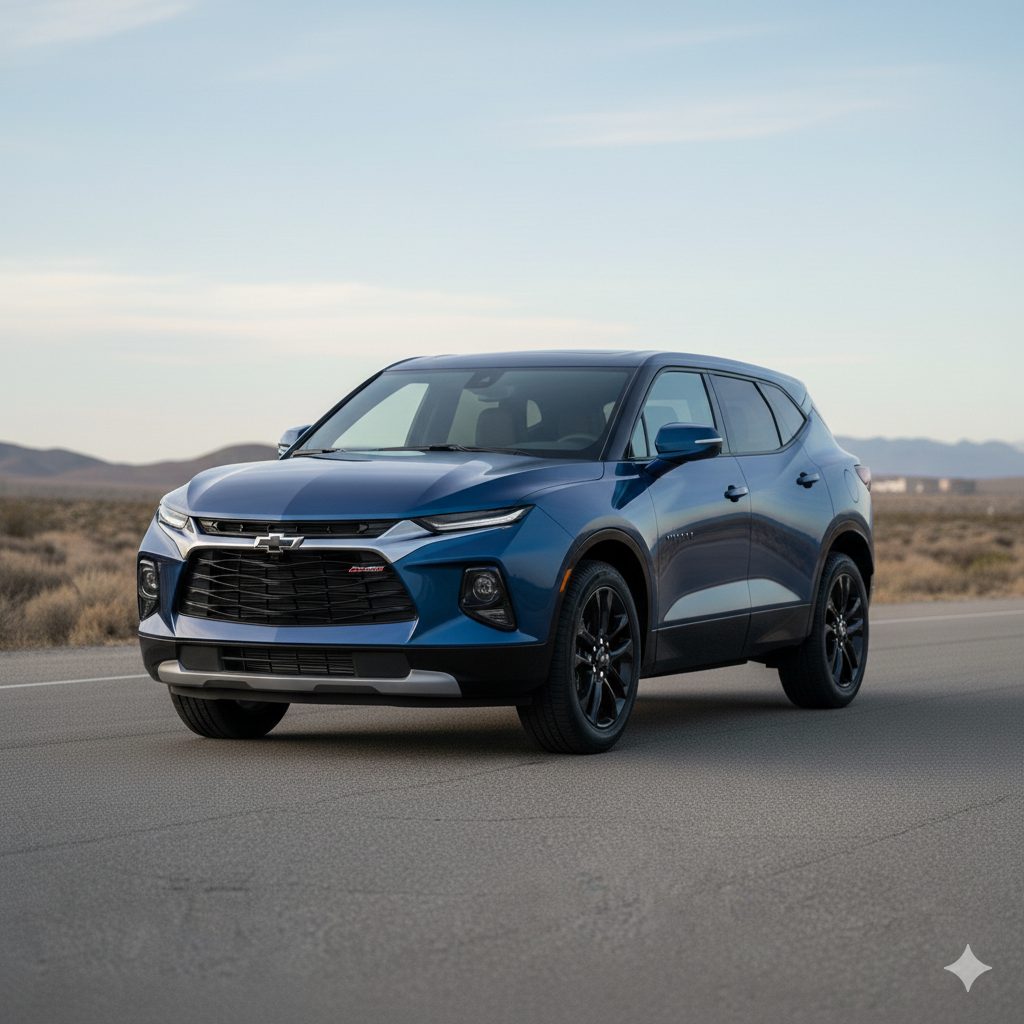
Chevy’s not at the rock bottom, but it’s still grouped among the least reliable brands in CR’s latest breakdown. Models like the Blazer and some trucks get hit with issues around electronics, in-car tech, and drivetrain components, which drags the whole brand’s average down. With many mainstream Chevys landing in the $35,000–$50,000 range these days, people kind of expect fewer surprise repairs than the data suggests.
Volvo
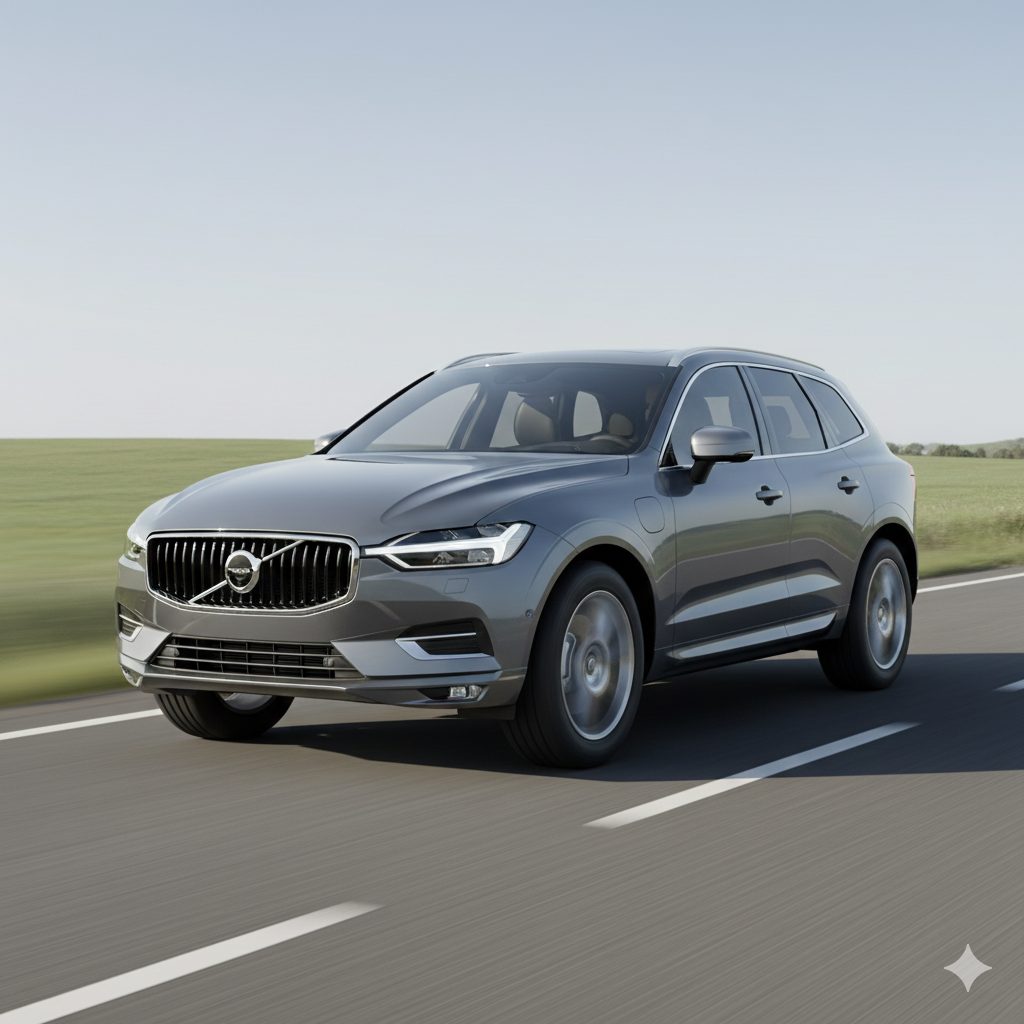
Volvo has that safe, Scandi-cool vibe, but Consumer Reports has been pretty harsh on its reliability lately. Stuff like the XC60 and other SPA-platform models show more than average issues with electronics and hybrid systems, which is a problem when your typical Volvo SUV is hovering around $50,000. It’s like the brand nailed comfort and safety but still hasn’t fully tamed all the complex tech under the skin.
Genesis
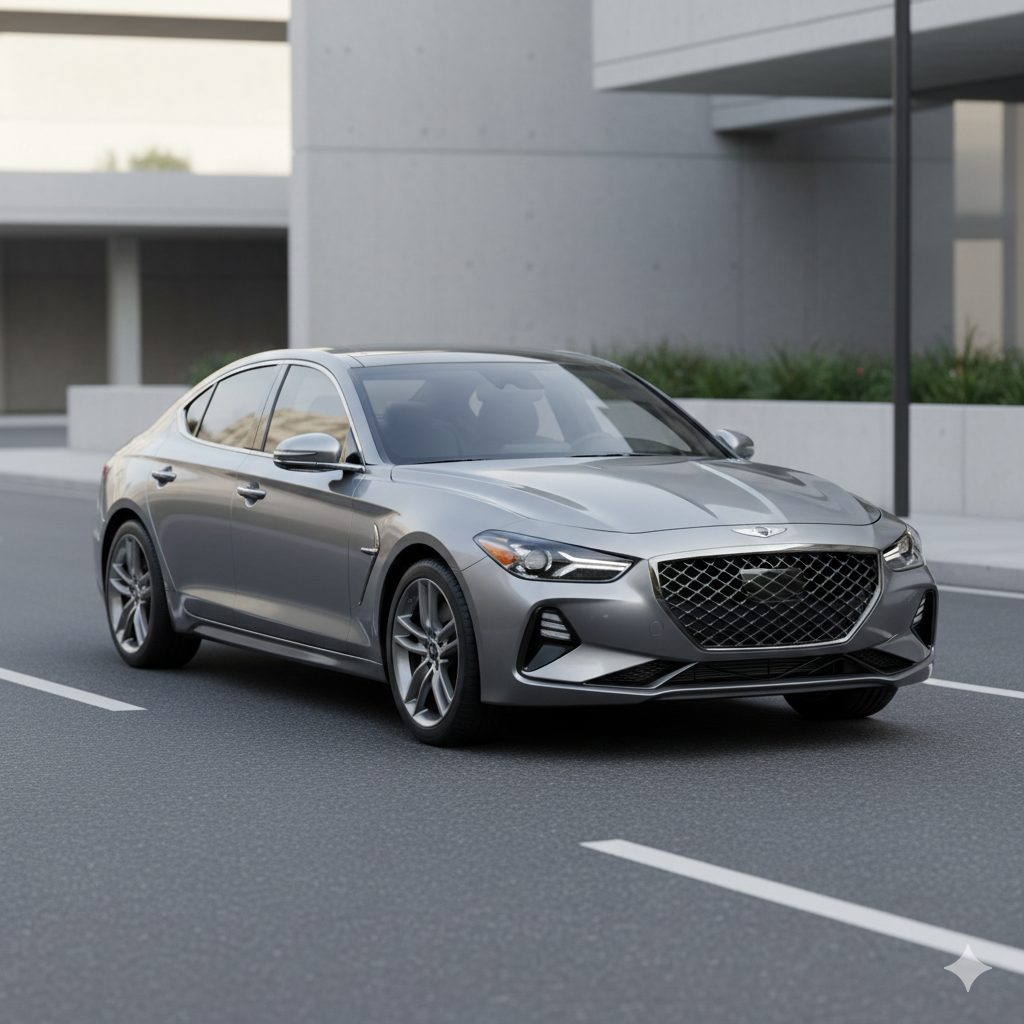
Genesis is killing it on design and value, but CR’s data has it sitting toward the unreliable side of the spectrum right now. A lot of that comes from newer models with high-tech drivetrains and infotainment that haven’t totally settled down yet in terms of long-term dependability. When a Genesis G70 or GV70 at $45,000–$55,000 looks like a bargain next to German rivals, the reliability scores are the one thing that kinda dulls the shine.
Ford
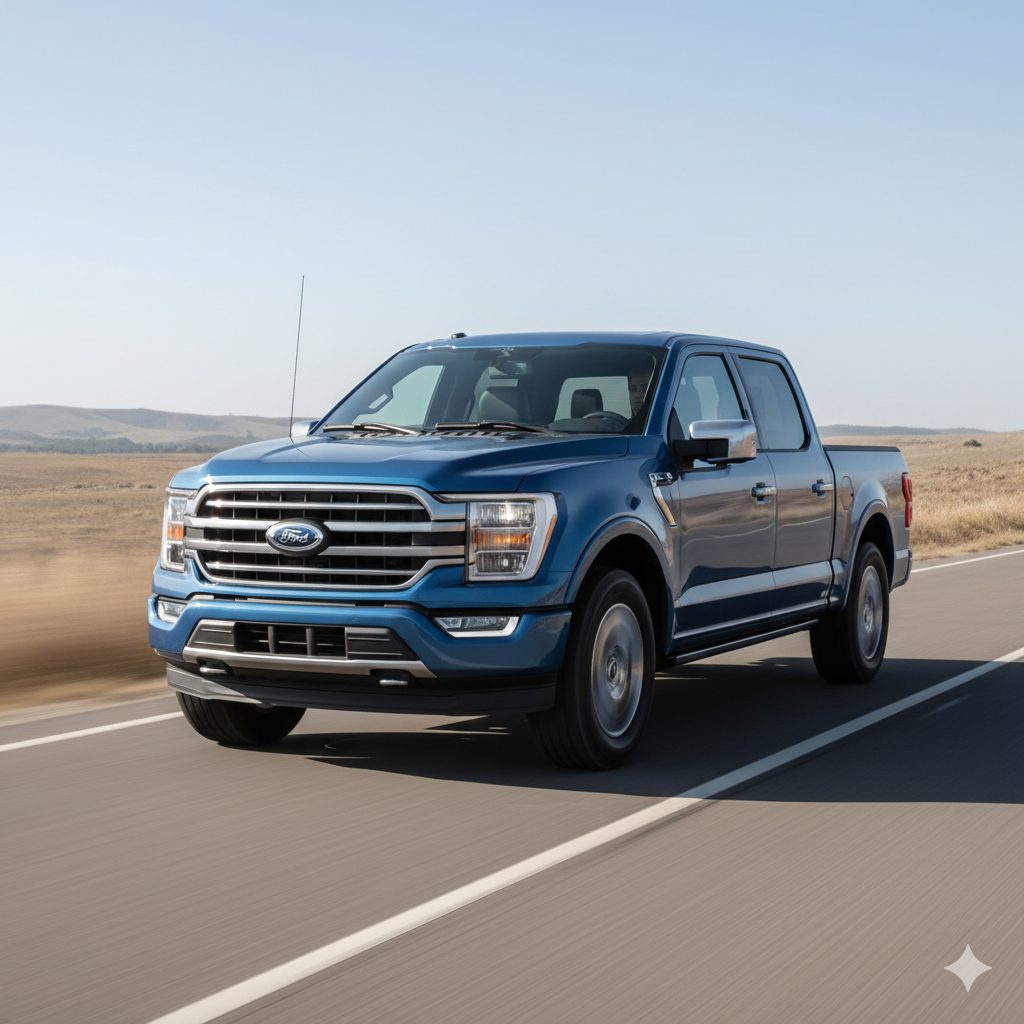
Ford rounds out the “not great” side, especially thanks to things like the F-150 Hybrid and some newer tech-heavy models. Consumer Reports has flagged Ford’s hybrids and EVs as having significantly more problems than regular gas models, which doesn’t help the brand’s overall ranking. And considering a nicely equipped F-150 or Explorer can easily push past $50,000 now, reliability worries start to sting more.
Subaru (very reliable)

On the flip side, Subaru is currently one of CR’s absolute stars, even topping the overall brand reliability rankings in the latest reports. Models like the Forester, Outback, and Impreza share a lot of proven components, which helps keep issues down and scores high. With many Subarus in the $30,000–$40,000 range, that mix of all-wheel drive, safety, and long-term dependability is kinda hard to argue with.
Lexus (very reliable)
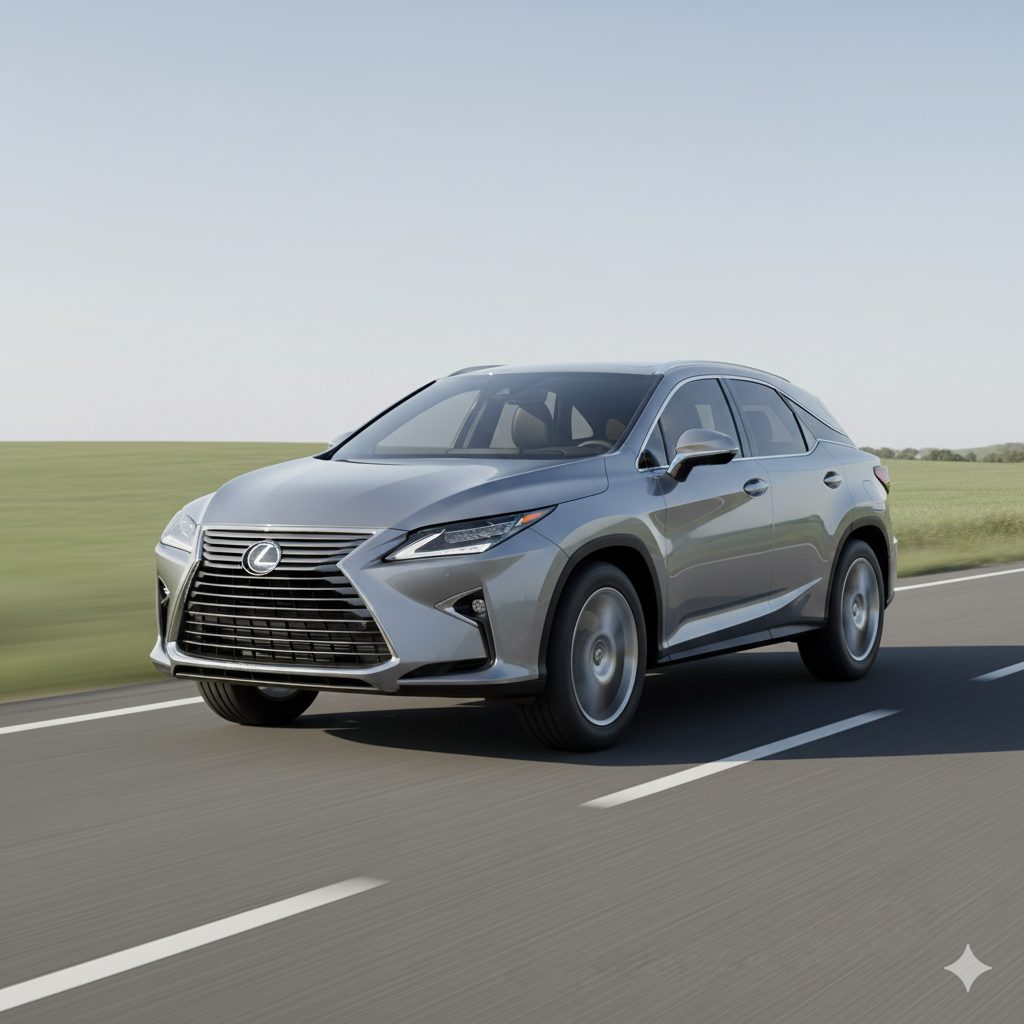
Lexus is still the “of course it’s reliable” brand, landing right near the top of Consumer Reports’ charts year after year. Simple, proven engines and hybrids, super tight build quality, and very few serious problem areas give it a huge edge. A Lexus RX or ES in the $45,000 $55,000 bracket suddenly looks like a smart long game move when you factor in how rarely they tend to break.