The Hidden Warning Signs Your Cheap New Car Will Cost You A Total Fortune
The Hidden Warning Signs Your Cheap New Car Will Cost You A Total Fortune. Buying an affordable vehicle feels like a massive financial victory until the warranty completely expires. Automakers disguise terrible engineering decisions behind glossy paint and massive digital touchscreens. Dealerships push these specific models using aggressive financing tactics to clear out stagnant inventory. Smart buyers must actively inspect the underlying mechanical architecture to avoid catastrophic repair bills later. Spotting these precise manufacturing shortcuts protects your wallet from massive long term depreciation.
Continuously Variable Transmission Whine
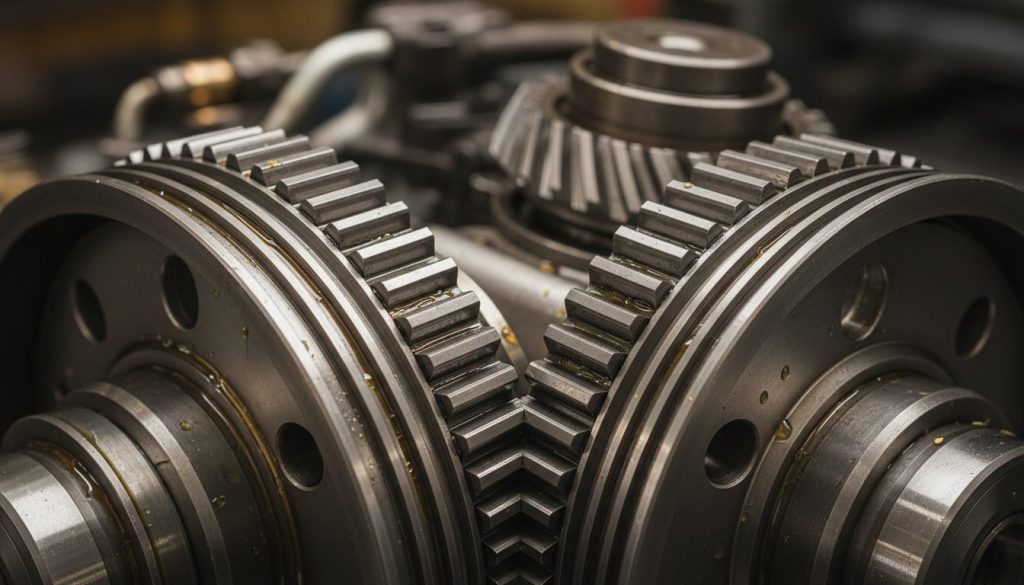
Budget automakers heavily rely on cheap continuously variable transmissions to meet strict government fuel economy standards. These fragile push belt systems completely lack the physical durability of traditional geared automatic units. Drivers frequently notice a loud metallic whining noise during aggressive highway acceleration. This specific auditory warning indicates severe internal belt slippage and extreme fluid degradation. Dealerships rarely rebuild these sealed units locally. Experiencing this failure requires a complete transmission replacement that easily destroys your entire annual vehicle maintenance budget overnight.
Excessive Unpainted Plastic Cladding
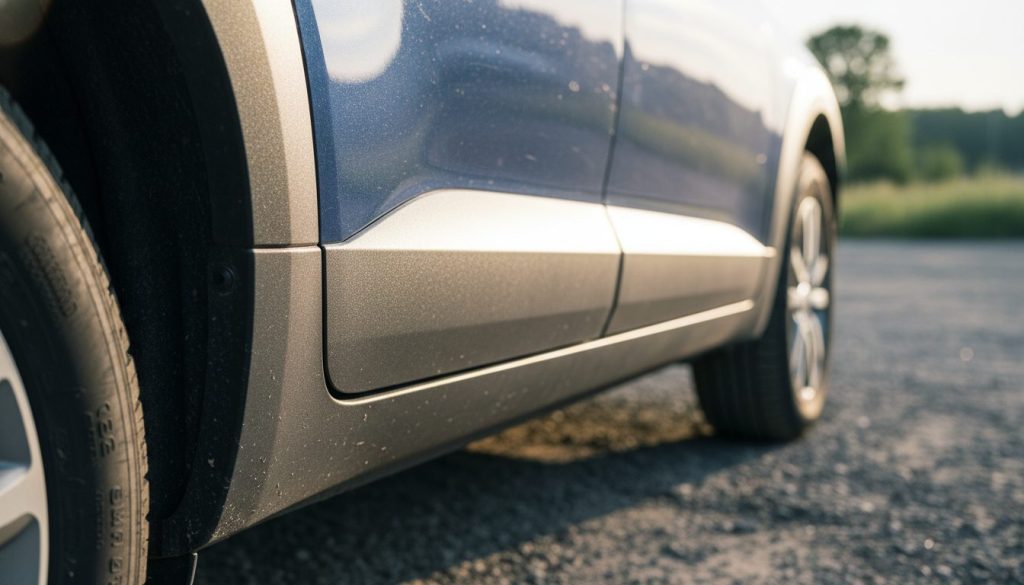
Manufacturers utilize massive amounts of unpainted exterior plastic cladding to heavily reduce their factory production costs. While marketed as rugged outdoor protection, these cheap panels permanently fade into a terrible chalky gray color after minimal sun exposure. Restoring the original dark finish requires constant chemical treatments that simply wash away during heavy rainstorms. Replacing faded body sections out of pocket becomes incredibly expensive over time. This aggressive cost cutting measure instantly destroys the long term visual appeal and resale value completely.
Spongy Brake Pedal Feel
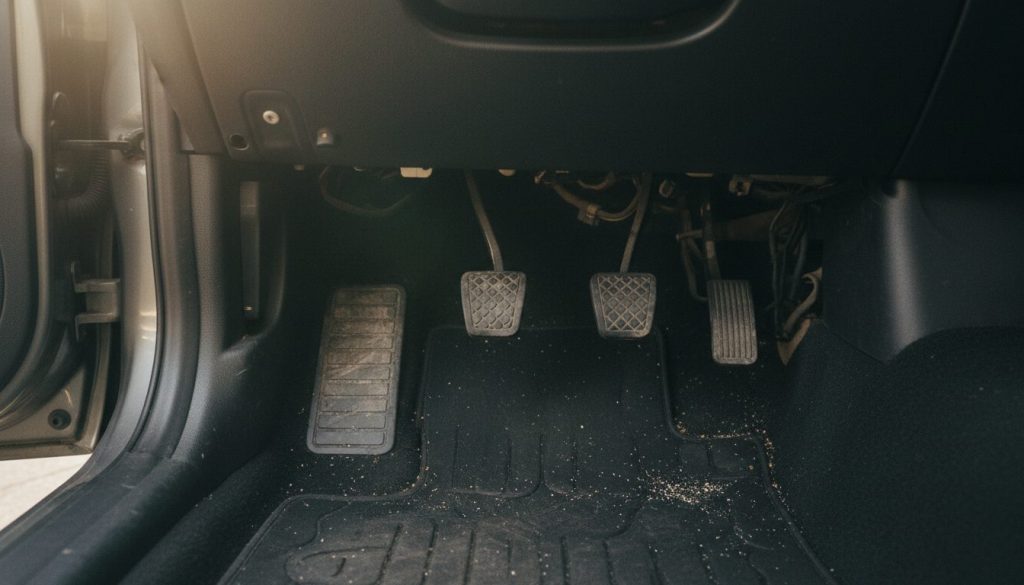
A newly purchased budget car should always deliver immediate and confident braking performance during heavy city traffic. Stepping on the brake pedal and experiencing a soft spongy physical reaction signals terrible hydraulic engineering. Cheap calipers and heavily compromised rubber brake lines expand dramatically under high fluid pressure. This terrifying dynamic drastically increases your stopping distance during emergency highway maneuvers. Upgrading these substandard factory components to secure safe daily driving dynamics requires spending thousands of dollars at a specialized performance repair shop.
Intermittent Infotainment Screen Blackouts
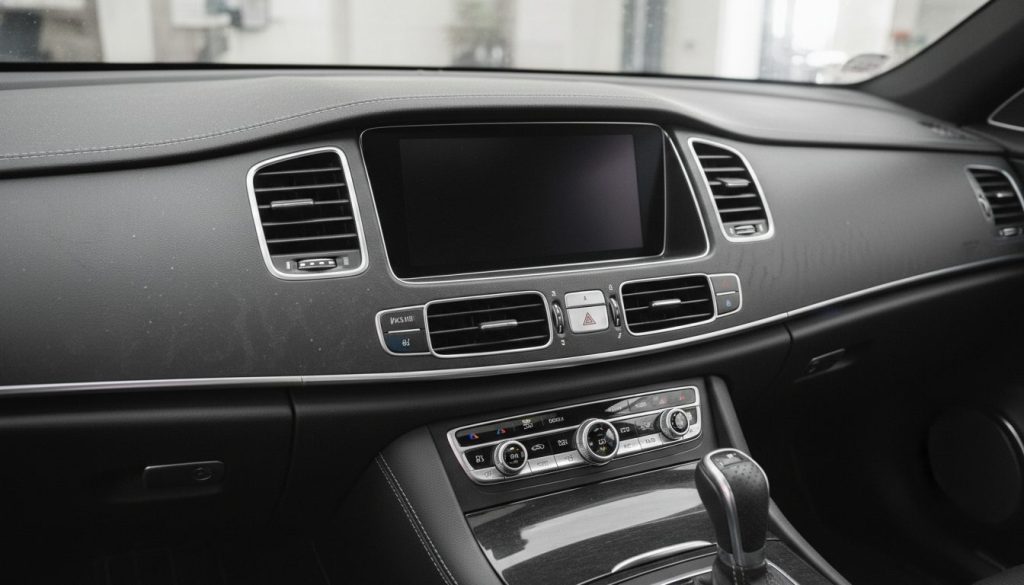
Modern cabins rely entirely on central digital displays to control basic climate functions and vital radio settings. Experiencing random screen blackouts or freezing menus on a brand new car exposes a highly unstable electrical architecture. These specific telematics failures rarely trigger a standard check engine light for technicians to diagnose properly. Replacing a defective central command unit outside of the factory warranty period costs an absolute fortune. This chronic digital instability guarantees endless frustrating visits to the local dealership service department.
Misaligned Factory Body Panels
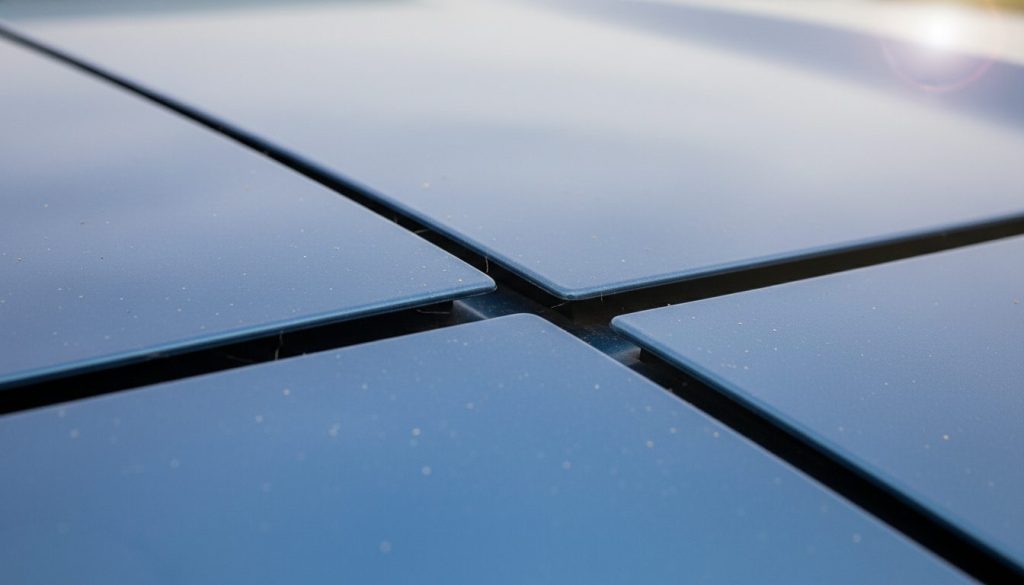
Inspecting the exterior panel gaps reveals the exact quality control standards utilized during the initial factory assembly process. Uneven spacing around the hood line or drooping heavy doors indicate extreme manufacturing negligence. These sloppy tolerances create massive aerodynamic drag and terrible wind noise during high speed interstate commuting. Water easily bypasses poorly fitted weather seals and permanently destroys the internal cabin carpets. Fixing these severe structural alignments requires highly expensive interventions from an authorized professional collision repair facility right away.
Direct Injection Carbon Buildup
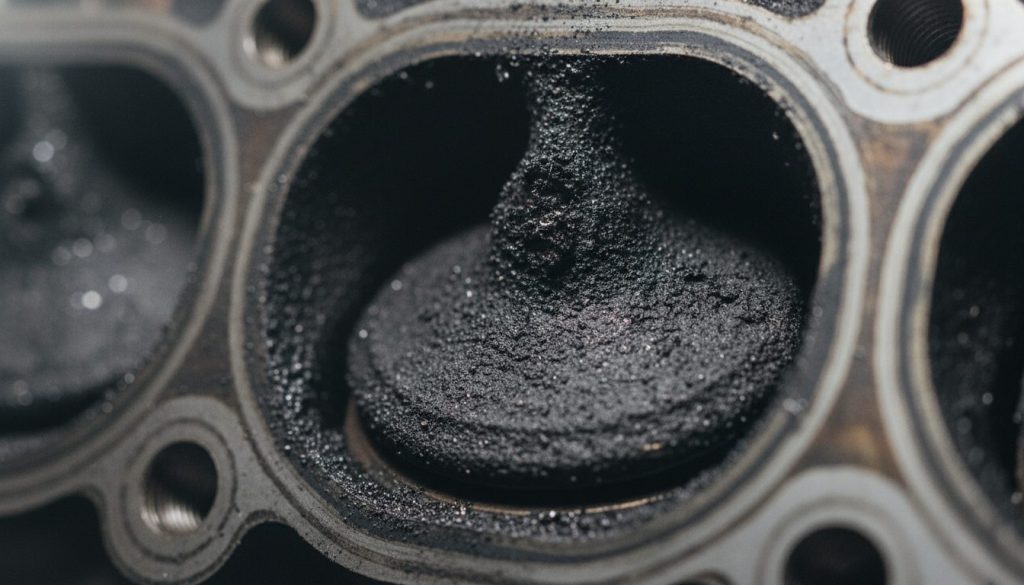
Many highly affordable vehicles utilize basic direct injection systems to squeeze maximum horsepower from tiny displacement engines. This specific fuel delivery method completely bypasses the intake valves leaving them totally dry. Without raw gasoline constantly washing the metal surfaces, thick carbon deposits accumulate incredibly fast. This nasty restriction chokes the engine and causes violent hesitation during morning cold starts. Mechanics must physically blast the carbon away using crushed walnut shells which adds a massive recurring maintenance expense to your ownership.
Missing Spare Tire Equipment
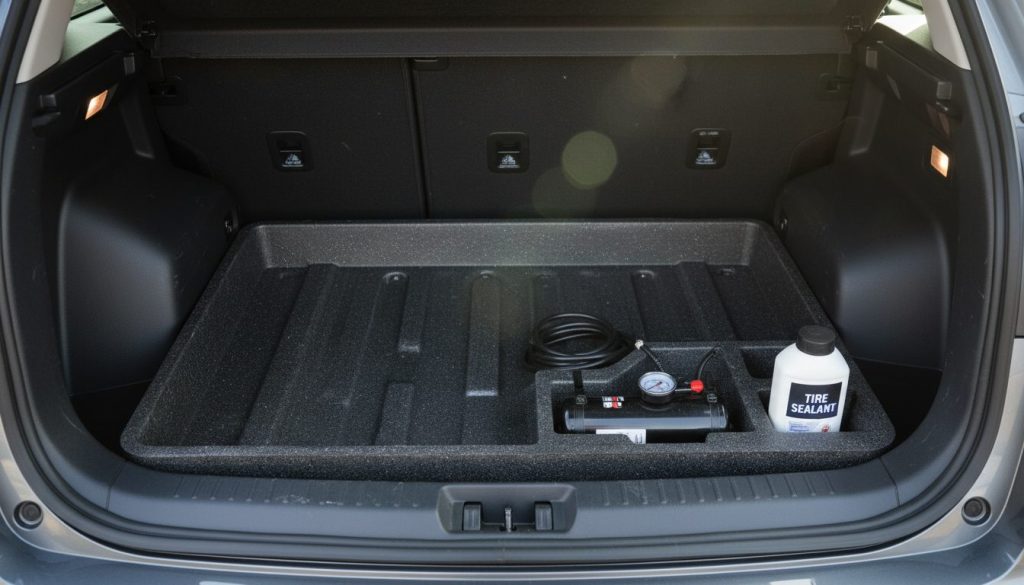
Automakers quietly removed traditional spare tires from their budget models to save weight and increase their profit margins. Finding a simple liquid repair kit and a tiny air compressor in the trunk signals a terrible financial trap. These cheap chemical sealants completely ruin the internal tire pressure monitoring sensors when deployed during an emergency. Suffering a massive sidewall blowout leaves you completely stranded on the highway shoulder. Buying a proper spare wheel and specialized jack kit costs hundreds of extra dollars.
Cheap Suspension Bushing Squeaks
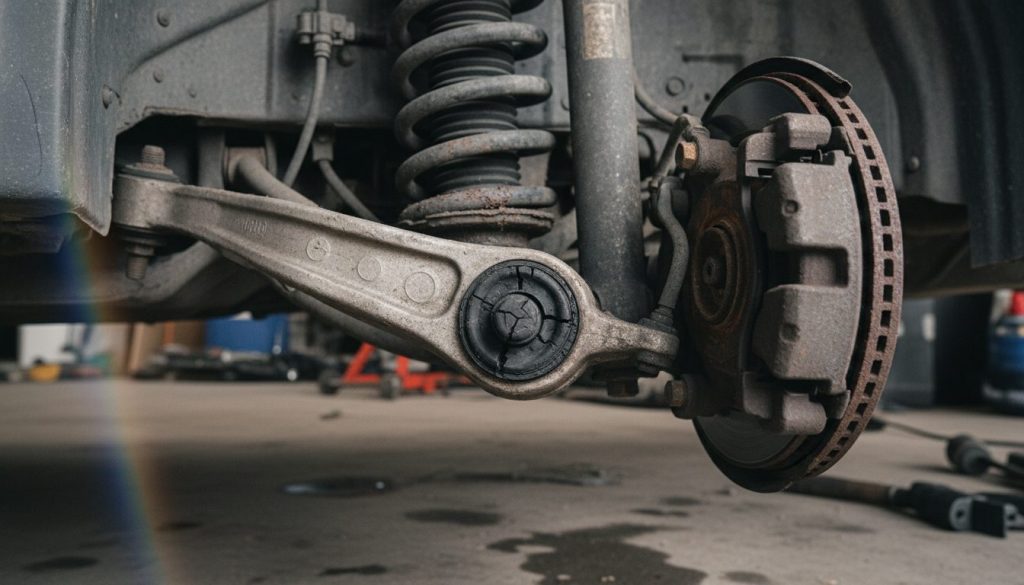
Pushing down on the front fenders of a new vehicle should never produce loud mechanical squeaking noises. Budget manufacturers utilize highly inferior rubber compounds when casting their primary suspension bushings and heavy control arms. These cheap materials dry rot rapidly and completely fail to absorb brutal urban pothole impacts. The resulting metal friction destroys the entire front end geometry very quickly. Replacing these compromised structural components requires expensive specialized alignment labor that basic factory warranties frequently refuse to cover completely.
Weak Paint Clear Coat
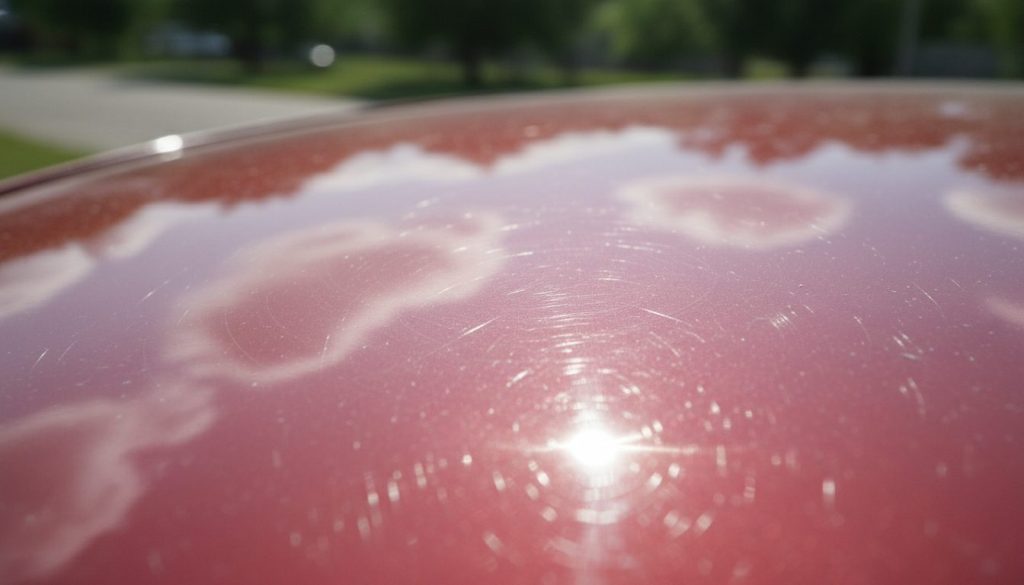
The primary defense against severe environmental damage relies entirely on the thickness of the factory clear coat application. Cheap cars receive incredibly thin paint layers that scratch easily when exposed to automatic car washes. Bird droppings and acidic tree sap burn directly through the compromised clear finish within a few short hours. Protecting this highly fragile surface requires expensive ceramic coating applications immediately after taking delivery. Ignoring this vital exterior protection practically guarantees a complete roof repaint within three years.