The Cheapest Classics You Can Actually Own—5 Entry Legends Now In Reach
Five classic cars sit under $35,000 right now, turning dream posters into viable purchases. A 1966 Ford Mustang hardtop averages $22,500. A first-gen Mazda Miata averages just over $10,000. A Jeep Cherokee XJ averages $11,000.
Late C3 Corvettes and clean VW Beetles hover near $10,000 to $12,000. Those numbers look like open doors and feel like permission slips. But the sticker price accounts for roughly 20% of what ownership actually costs over a decade. The other 80% hides in storage, insurance, and parts line items nobody mentions at the auction. These five icons are affordable to buy. The question is whether you can afford to own them.
#5. 1966 Ford Mustang
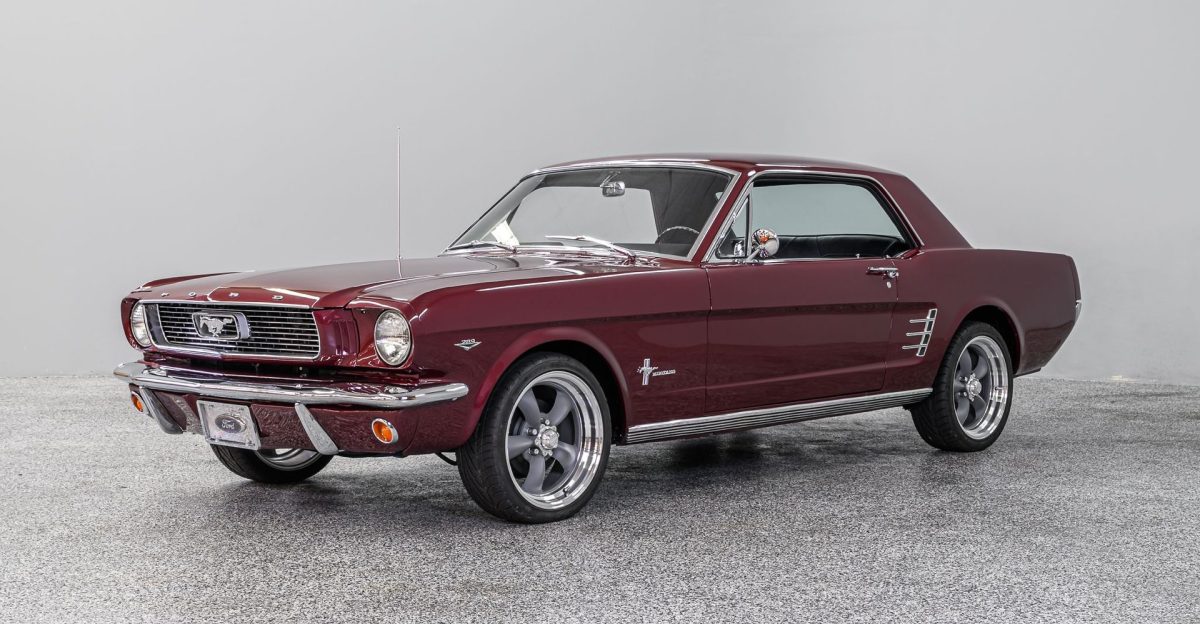
A 1966 Ford Mustang hardtop averages $22,500 today, making it one of the most accessible American classics you can actually drive home. Ford built 607,568 Mustangs in 1966 alone, with 499,751 of them being coupes that flooded the market and created a permanent supply floor inflation couldn’t crack.
That massive volume also created a thriving aftermarket. Classic Industries, JEGS, and Eastwood stock everything from quarter panels to carburetor kits because the captive market guarantees demand. SlashGear notes that few cars from the 1960s are easier to find restoration or repair parts for than a Mustang. The affordability was engineered by overproduction, not luck.
The Production Volume Effect
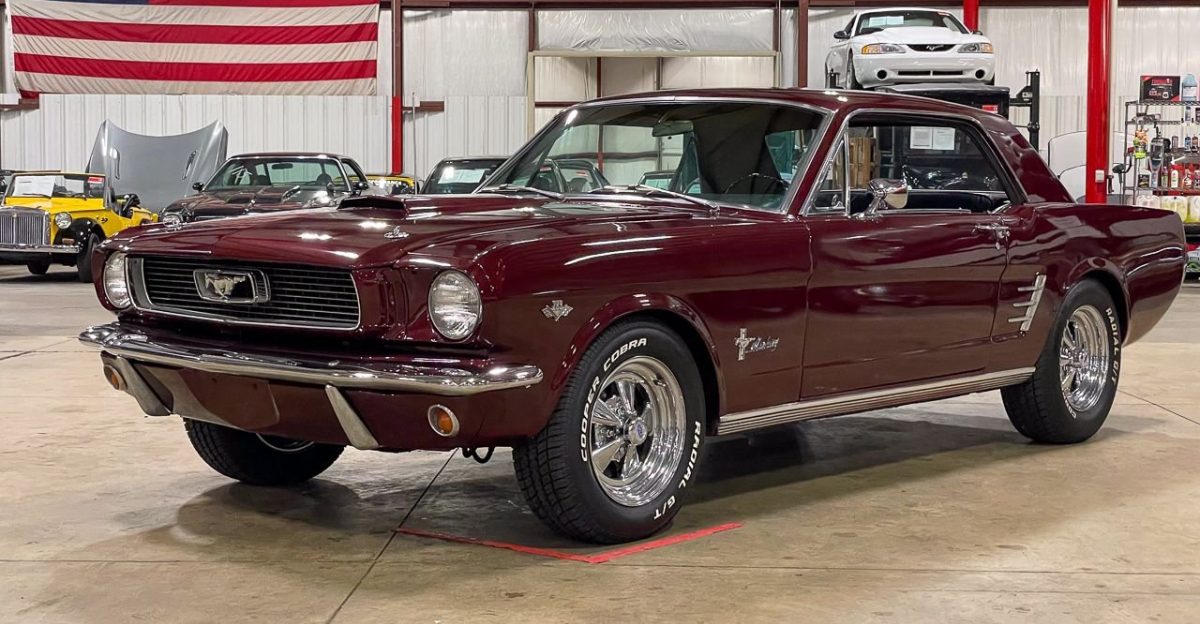
The reason a 60-year-old Mustang costs $22,500 and not $122,500 comes down to one number: 607,568 units built in 1966. That volume created a permanent supply floor. Scarcity drives up Ferraris and Shelby GTs, but when half a million identical coupes exist, consensus demand meets endless inventory and the price just sits there.
Six decades of inflation couldn’t crack it. Compare that to a limited-production 1961 Lincoln Continental, where custom fabrication can exceed $10,000 per repair because so few survive. Production volume, not age or desirability, determines whether a classic stays affordable or bleeds you dry. The parts ecosystem follows the volume.
#4. Mazda Miata NA (First Generation)
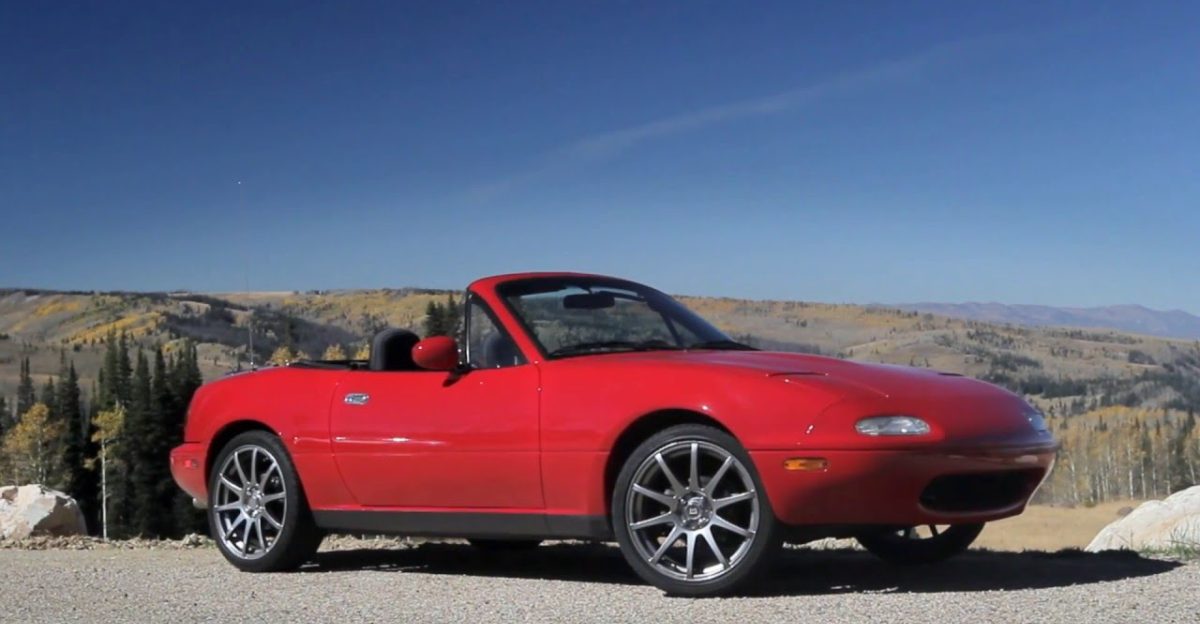
The first-generation Mazda Miata averages just over $10,000, with sub-$7,000 examples still occasionally surfacing at auction. The NA Miata ran from 1990 to 1997 and became the best-selling two-seat sports car in history, creating deep parts availability and a massive enthusiast community.
The mechanical simplicity keeps labor costs low compared to European sports cars of the same era. But here’s the twist: the 2025 Miata ND costs $29,530 new, while the original 1990 NA launched at $13,800, which equals roughly $34,200 in today’s dollars. The brand-new car costs less in real money than the 35-year-old original.
The Hidden Cost Architecture

A $10,000 Miata sounds like a steal until the monthly bills arrive. Classic car storage runs $50 to $300 per month depending on location and climate control. Insurance adds $250 to $1,500 annually for agreed-value policies. Before a single wrench touches the engine, annual hidden costs land between $850 and $5,100.
Over five years, that $10,000 purchase becomes a $14,250 to $35,500 commitment. AutoBlog put it plainly: the real money often comes later, in parts, maintenance, storage, and insurance. The sticker price is a loss leader. Three forces determine true affordability: production volume, parts availability, and generation window. Industrial decisions made decades ago now dictate your monthly bills.
#3. Jeep Cherokee XJ
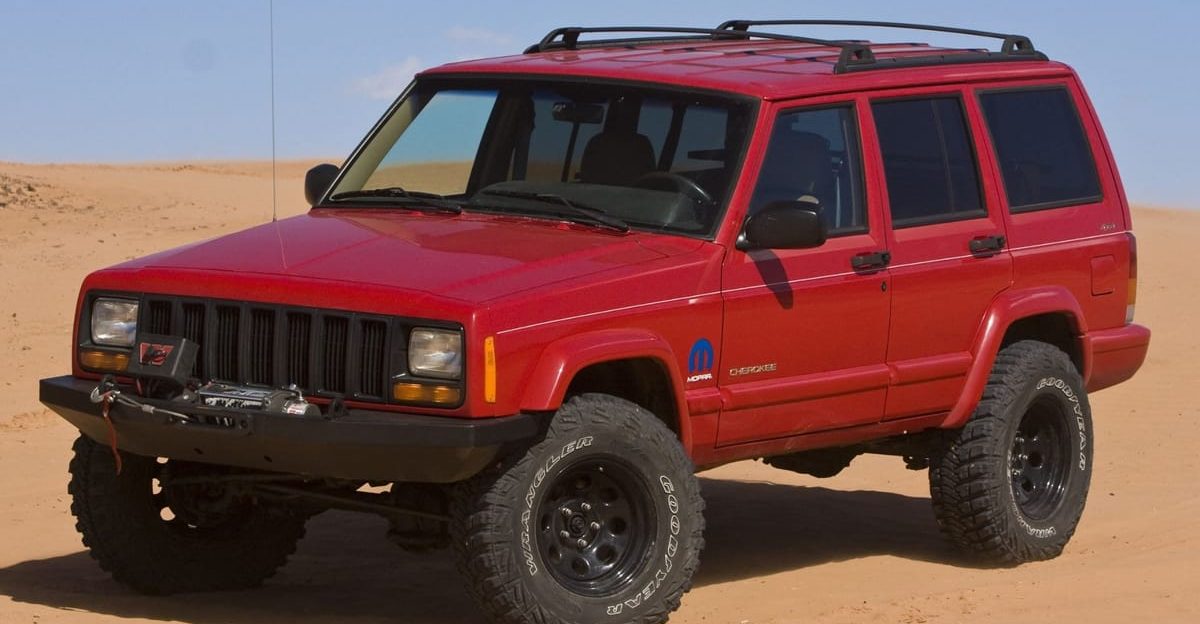
The Jeep Cherokee XJ averages $11,000 today, with clean two-door manuals recently selling on Bring a Trailer for under $7,500. The XJ ran for 17 continuous years from 1984 to 2001, doubling the typical generation cycle and creating deep parts-bin compatibility that keeps repairs straightforward.
That long production window means junkyards are still full of donor vehicles and aftermarket suppliers maintain inventory because demand remains predictable. But SlashGear’s language carries a warning: the XJ “still remains one of the most affordable vintage SUVs out there, for now, at least.” That phrase does heavy lifting. Emerging classic status recognition pushes values upward. The affordable window operates like a closing gate.
The Closing Window
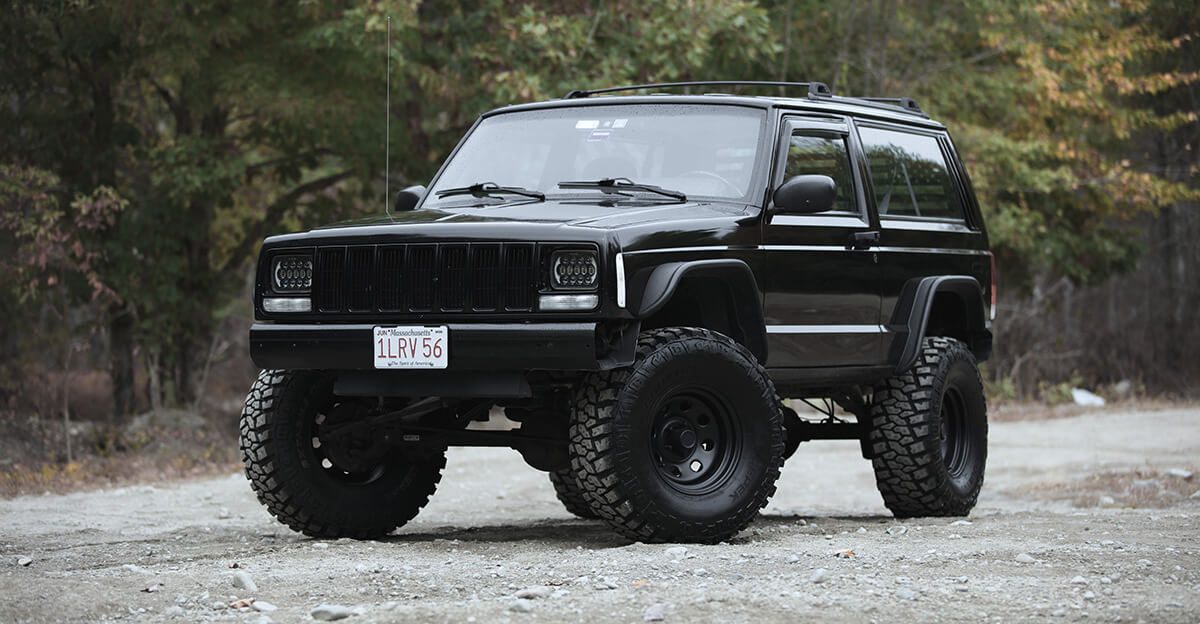
The Jeep Cherokee XJ averages $11,000 and the Miata sits just over $10,000, but the tone around these numbers is changing fast. Sub-$7,000 Miata examples grow scarcer each year as clean cars get scooped up. The XJ’s shift from off-road beater to recognized classic establishes a template: any 20-plus-year-old vehicle with cultural cachet can make this jump.
Once a vehicle transitions from commodity to collectible, the entire ownership equation resets. Insurance companies develop emerging-classic rate tiers. Climate-controlled storage units in desirable markets command premiums. Specialist forums and clubs become essential infrastructure. The affordable window on these cars behaves like a closing gate, and the people who hesitate pay the premium later.
#2. Chevrolet Corvette C3 (Late Model)
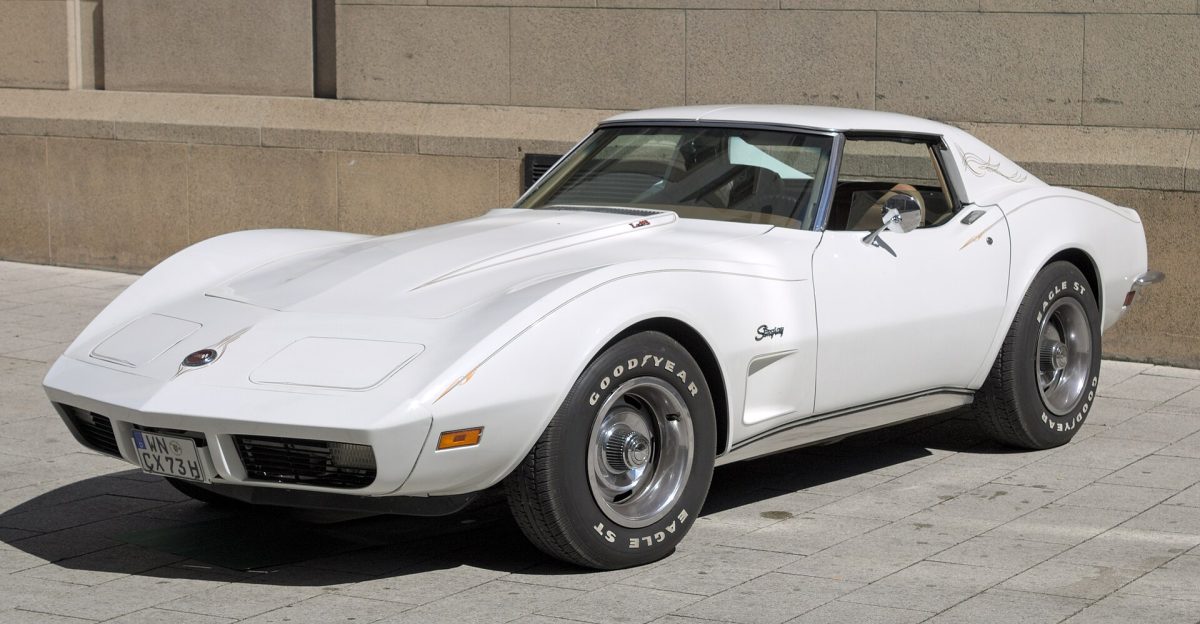
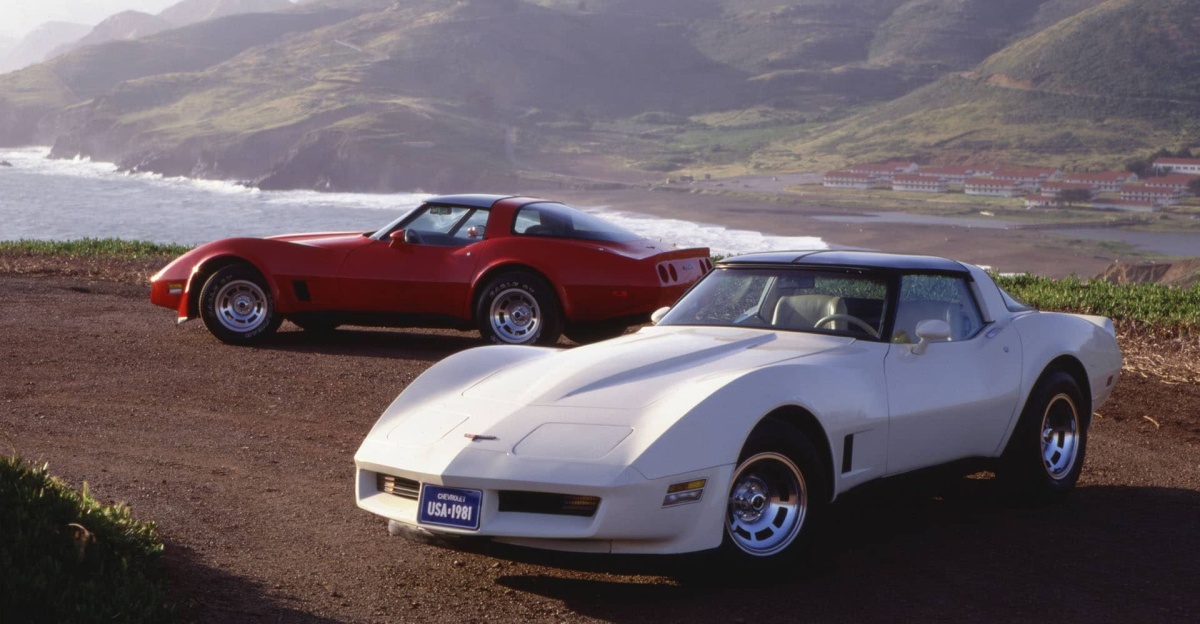
Late-model C3 Corvettes from the late 1970s and early 1980s represent one of the best value propositions in the American classic market. While early C3 models can command $34,000 or more, later examples like the 1982 model year can be found for around $11,500, offering genuine Corvette heritage at Miata money.
The C3 ran from 1968 to 1982, creating a 15-year parts pipeline and massive production numbers that keep the aftermarket stocked. The fiberglass body eliminates rust concerns that plague steel-bodied classics. The small-block Chevy V8 is one of the most documented and supported engines in automotive history, with parts available at any speed shop. The late C3 is the Corvette you can actually afford to own.
The Parts Ecosystem Reality
Entire businesses built empires around Mustang restoration because 607,568 units created a captive aftermarket with predictable demand. The same pattern applies to the Miata, the XJ, and the small-block Corvette. Classic Industries and major reproduction houses stock everything because the volume guarantees return on investment.
SlashGear notes that few 1960s cars are easier to source parts for than a Mustang. Now compare that to a low-production classic where custom fabrication exceeds $10,000 per repair. The parts ecosystem, not the purchase price, determines whether ownership stays affordable or turns catastrophic. The biggest losers are buyers who jumped into limited-production classics without checking parts availability first. One bad restoration decision can vaporize $20,000 in value overnight.
#1. Volkswagen Beetle
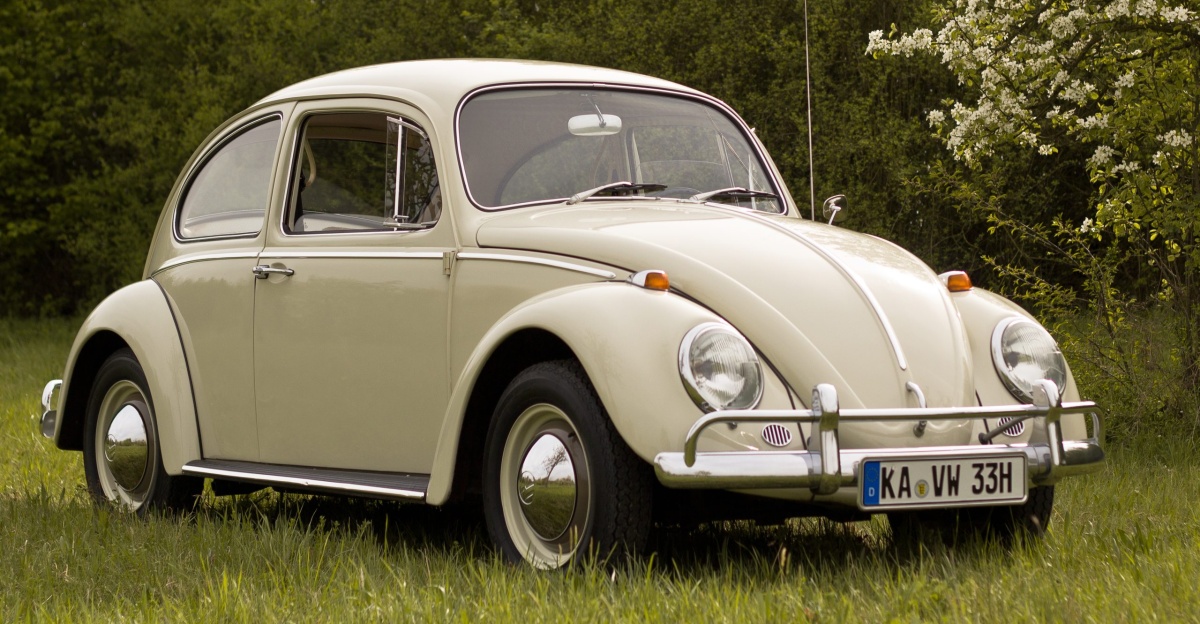
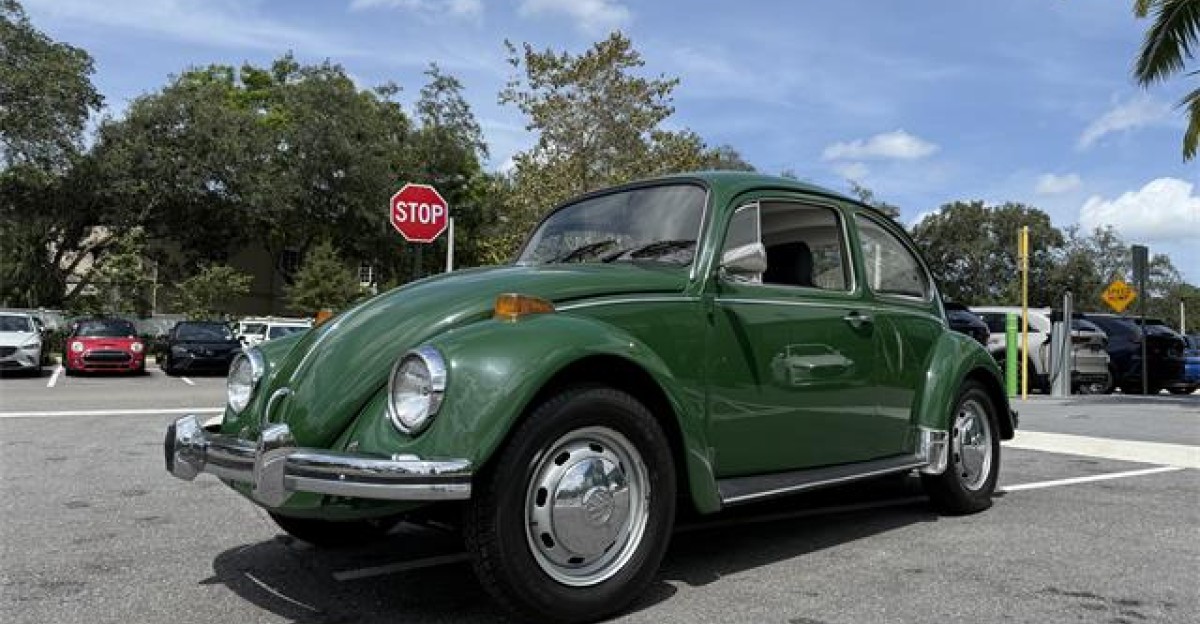
Clean VW Beetles from the 1960s and 1970s hover near $10,000 to $12,000, making them one of the most accessible European classics available. Volkswagen built over 21 million Beetles across multiple decades, creating arguably the deepest parts ecosystem of any classic car in the world.
The air-cooled flat-four engine is mechanically simple, well-documented, and supported by a massive enthusiast community spanning every continent. The Beetle’s cultural significance as both transportation icon and counterculture symbol gives it legendary status that transcends typical collector car metrics. But like the other affordable classics, the Beetle’s hidden costs arrive in storage, insurance, and the specialized knowledge required to maintain an air-cooled engine that operates nothing like a modern water-cooled car.
Winners, Losers, And The Next Cascade
Parts suppliers, auction platforms, and community moderators win as demand concentrates around high-volume classics like the Mustang, Miata, and XJ. Companies like Classic Industries see orders surge while niche marques face parts bankruptcy and owners face eye-watering fabrication quotes. As sub-$10,000 inventory thins, prices on Miatas and XJs are climbing an estimated 10 to 15 percent annually.
Late C3 Corvettes at $11,500 become the next target. Some owners abandon the affordability narrative entirely and pursue EV conversions, bypassing parts scarcity and lowering insurance premiums. The person who reads this and understands the hidden architecture, the production math, the parts ecosystem, and the closing windows walks into any classic car conversation and sees what everyone else misses: the price tag is the smallest number in the equation.