The Car Brands That Will Last Forever And The Ones That Will Break Down Fast
The Car Brands That Will Last Forever And The Ones That Will Break Down Fast as reliability continues to be one of the biggest factors shaping buyer decisions. While some brands have built a reputation for long-term durability and low ownership costs, others struggle with consistency and expensive repairs. Understanding the difference can help drivers make smarter choices and avoid costly mistakes over time.
Lexus And The Engineering Of Automotive Immortality
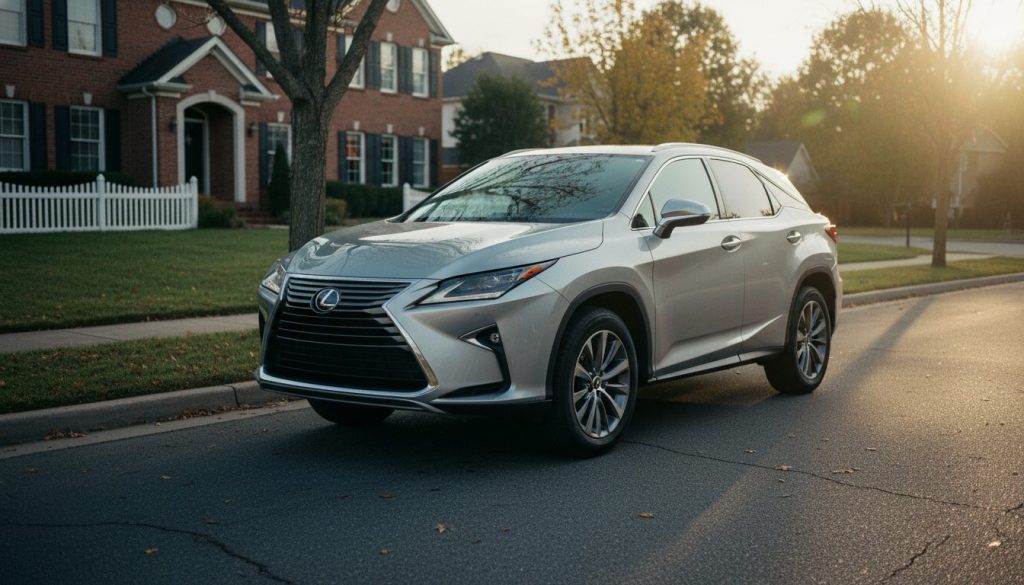
Lexus builds cars using a philosophy that simply ignores bleeding edge gimmicks. They stick with proven naturally aspirated setups and robust hybrid drivetrains to dominate long term dependability metrics. Their real secret lies in strict thermal management and obsessive manufacturing tolerances. Lexus refuses to stress tiny engines with massive turbochargers. This systemic approach means a new RX or ES will easily outlast almost any European competitor on the road today while asking for nothing but basic oil changes.
Toyota And The Mastery Of Understressed Powertrains

Toyota takes that exact same uncompromising DNA and applies it directly to mass market daily drivers. Engineers intentionally undertune their motors. Running lower compression ratios drops the thermal load on pistons and exhaust valves significantly. The famous hybrid synergy drive remains the most durable propulsion system available right now because it avoids fragile friction clutches entirely. Owners routinely see original water pumps and timing chains functioning perfectly well into the third decade of hard daily use.
Buick Delivering Mainstream American Durability
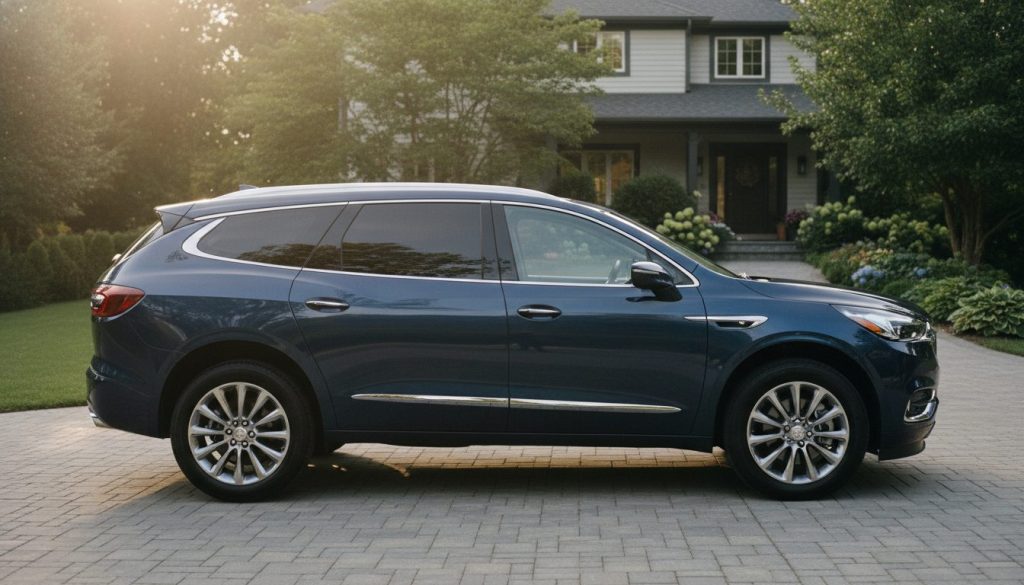
Buick quietly transformed its quality control process to become a true powerhouse of domestic reliability. General Motors deliberately equipped this brand with highly mature powertrains. You will not find those problematic cylinder deactivation systems here. Small displacement turbos pair up with traditional torque converter automatics tuned specifically to prevent premature clutch wear. By keeping the electrical architecture relatively simple and avoiding complex fiber optics, Buick delivers highly predictable daily mileage without the headache of constant dealership visits.
Subaru Defending The Crown Of All Weather Longevity
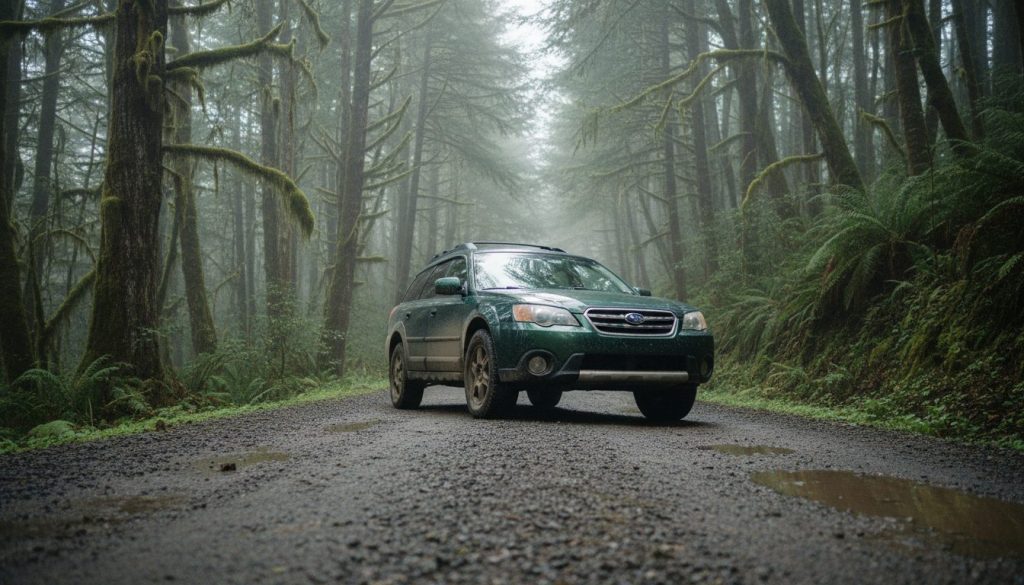
Subaru built its cult following by relentlessly perfecting the horizontally opposed boxer engine. Recent manufacturing updates finally eliminated the notorious head gasket failures by utilizing multi layer steel designs and better coolant routing. Keeping the engine weight low physically reduces gyroscopic stress on the chassis subframe. This singular focus on refining one specific drivetrain layout allows Outbacks and Foresters to conquer extreme mileage milestones in the most brutal weather conditions imaginable without falling apart mechanically.
Mazda Balancing High Compression With Structural Integrity
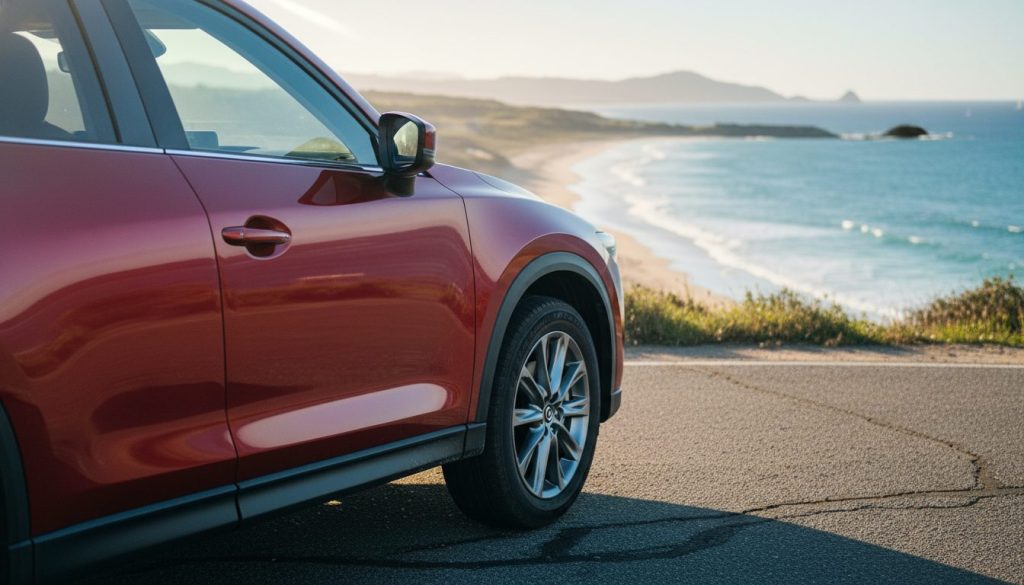
Mazda flatly refuses to follow the industry obsession with tiny turbocharged engines. The Skyactiv engineering approach optimizes internal combustion using ultra high compression ratios instead. Clever exhaust manifolds quickly push hot gases away from the combustion chamber to prevent knocking and extend ignition component life. They also completely reject fragile continuously variable transmissions. Sticking with traditional six speed planetary automatics gives drivers a mechanically sound vehicle that actually remains fun to drive long after the warranty expires.
Volkswagen Suffering From Catastrophic Telematics Failures
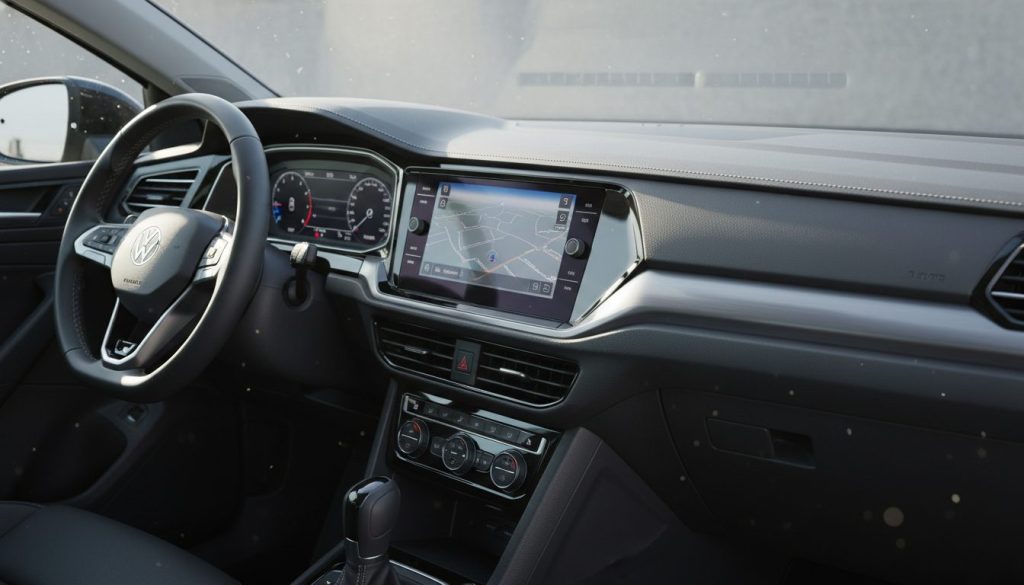
Volkswagen currently sits near the bottom of reliability charts due to an absolute mess of software and mechanical engineering. The latest infotainment systems suffer relentless reboot loops that lock drivers out of basic climate controls. Under the hood, the engine platforms still struggle with early water pump failures and nasty carbon buildup on intake valves. Mixing highly sensitive mechanical parts with an unstable digital architecture guarantees severe financial pain for anyone attempting long term ownership.
Jeep Struggling With Powertrain And Electrical Gremlins
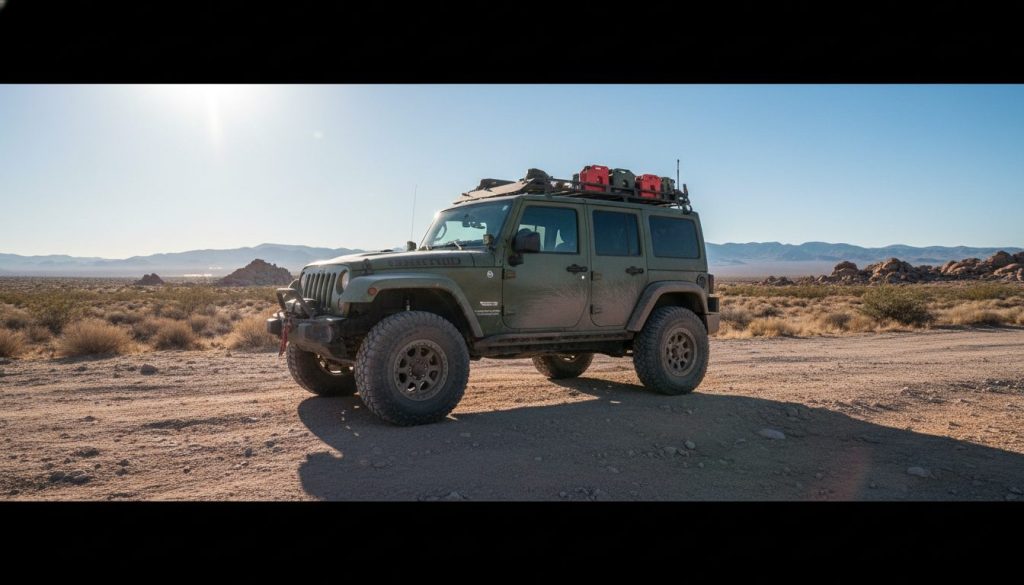
Jeep continues to battle severe quality control issues regarding electrical harness integration. The totally integrated power modules fail constantly, triggering everything from random engine stalling to dead batteries overnight. Their standard V6 engine also suffers from well documented premature camshaft wear that requires a total valvetrain rebuild. That rugged exterior styling successfully hides some incredibly fragile internal engineering. Buyers expecting a durable off road machine often end up trapped in a deeply flawed and expensive ownership nightmare.
Land Rover Trapped In A Cycle Of Air Suspension Faults

Land Rover produces highly desirable luxury SUVs that often self destruct the second the factory warranty ends. The brand remains famous for catastrophic air suspension leaks where rubber bladders simply dry rot and kill the compressor. Engine lineups face early timing chain stretch and turbo bearing failures caused by terrible oil supply line routing. Keeping these vehicles roadworthy requires highly specialized diagnostic labor and an endless supply of expensive replacement parts that will drain your bank account quickly.
Mercedes Benz Sacrificing Dependability For Bleeding Edge Tech
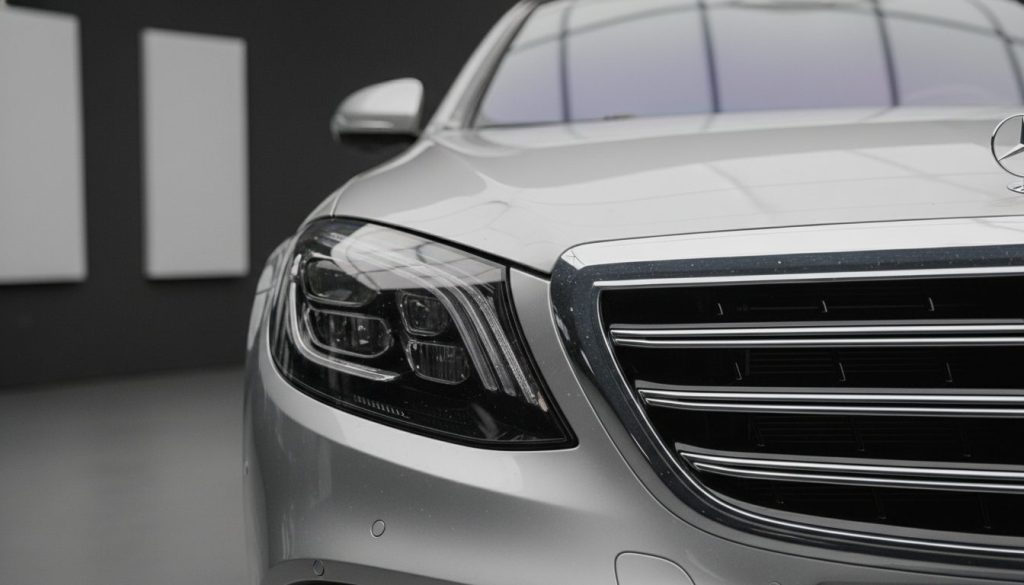
Mercedes Benz traded its legendary reputation for indestructible engineering to chase bleeding edge cabin technology. Modern models act like rolling supercomputers prone to intense electronic failure. Shifting toward mild hybrid systems mounted inside the transmission bell housing creates a massive single point of failure. These vehicles are now highly disposable luxury commodities rather than generational investments. The relentless pursuit of segment leading features makes surviving past a standard lease agreement practically impossible without major repair bills.