The 10 Car Brands That Aren’t Making It Through The Next Recession In America
The American auto market faces growing pressure. Tariffs, higher interest rates, and changing consumer tastes are all taking a toll. Walk into a dealership right now and some brands stand out as being at greater risk. Some depend on struggling parent companies. Others are burning through money without a clear path to profit.
A few have only a couple of models left on their showroom floors. Here are 10 car brands that could face real trouble if the economy turns downward.
1. Chrysler
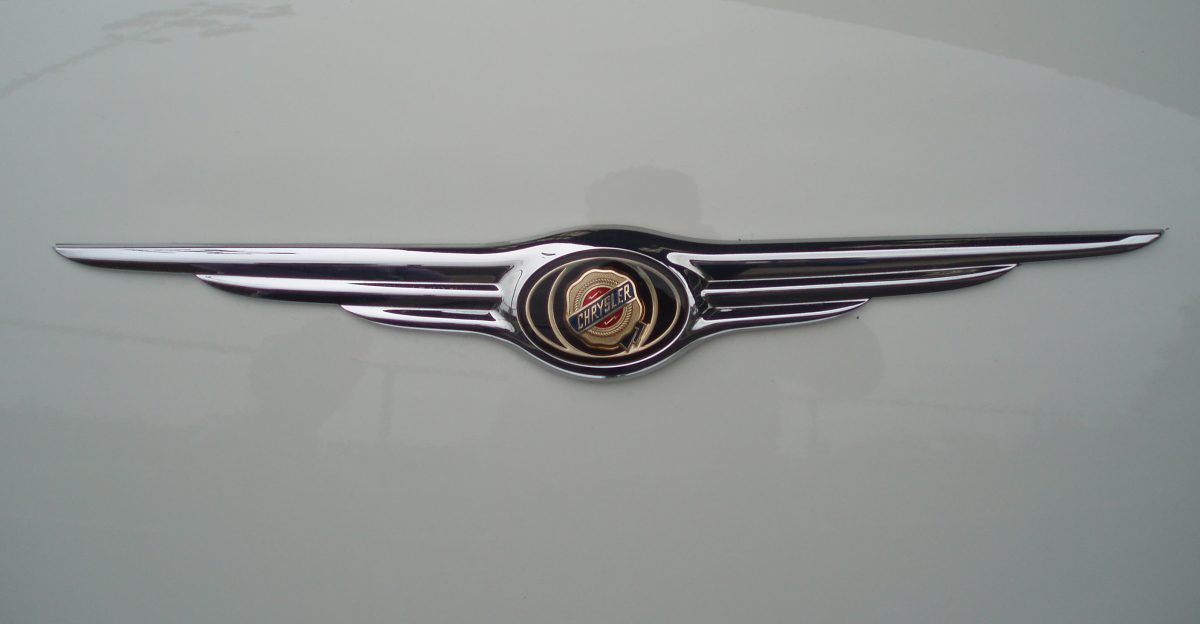
Chrysler is a classic American name, but the brand is struggling in the U.S. market. Its lineup has essentially shrunk to just one main vehicle: the Pacifica minivan and its versions. The 300 sedan is gone. The Pacifica still sells, yet Chrysler’s sales are now only a fraction of their past levels.
Stellantis, the parent company, plans major investments and new models for Chrysler in the U.S. For now, the brand’s lineup is thin and overdue for something new. If the economy weakens and the new models fail, Chrysler could be a candidate for consolidation.
2. Infiniti
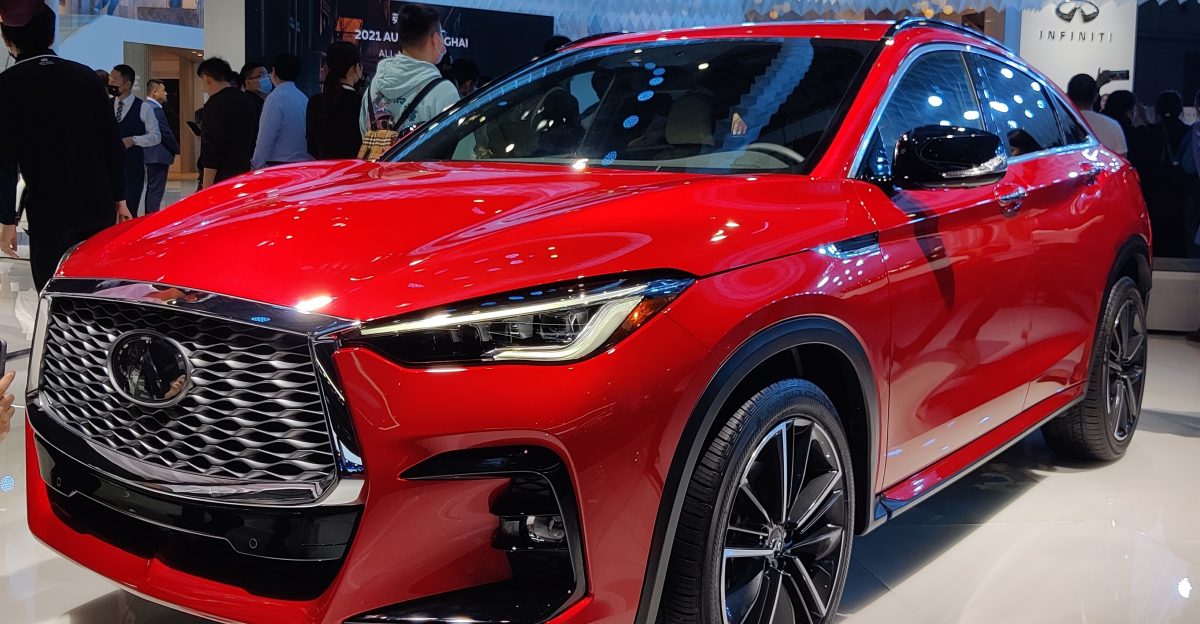
Infiniti, Nissan’s luxury brand, has struggled for years. In stronger times, the company sold over 150,000 cars a year in the U.S. By 2024, that number had dropped to about 58,000, and recently, sales have depended on discounts. The lineup is shifting to SUVs only. Models like the QX50, QX55, and Q50 sedan are all being discontinued or paused.
Infiniti’s leaders now promise a revival with a new QX80, the QX65 built in Tennessee, and a pledge to introduce at least one new product each year. If the economy worsens, Nissan will have to decide whether to keep funding a luxury division that is losing U.S. market share. A successful reboot could change the outlook, but continued underperformance would put Infiniti at risk.
3. Maserati
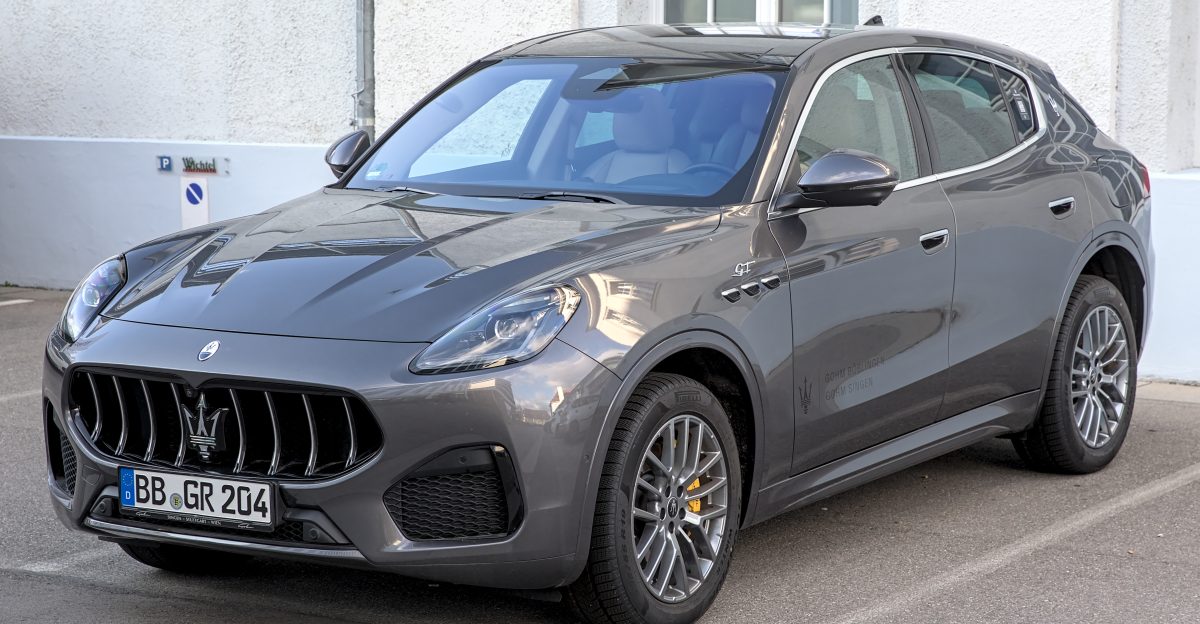
Maserati sells so few cars in the U.S. that the brand is almost invisible outside enthusiast circles. The Italian luxury label has tried to attract more buyers with SUVs like the Grecale, but sales remain below expectations. Stellantis, Maserati’s parent company, has already scaled back its goals.
In a recession, demand for high-priced luxury vehicles from a niche brand is especially vulnerable. Maserati’s small sales volumes could make it a candidate for downsizing or retrenchment if profits do not improve.
4. Alfa Romeo
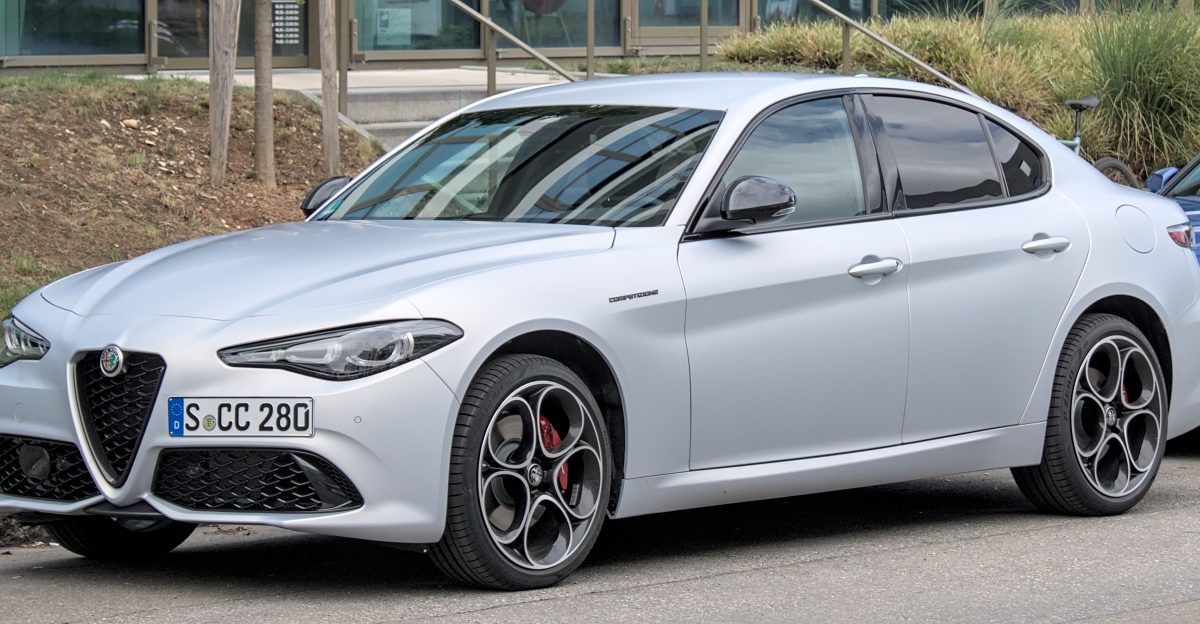
Alfa Romeo, another Stellantis brand, is in a tough position in the U.S. The lineup is very limited, and sales are low. Alfa has a group of dedicated fans, but its market share is tiny compared to mainstream and luxury competitors. Stellantis has announced plans for new models and electrified offerings.
However, in a downturn, management could reconsider whether the limited sales justify the cost of maintaining a separate Alfa Romeo presence in the U.S.
5. Jaguar
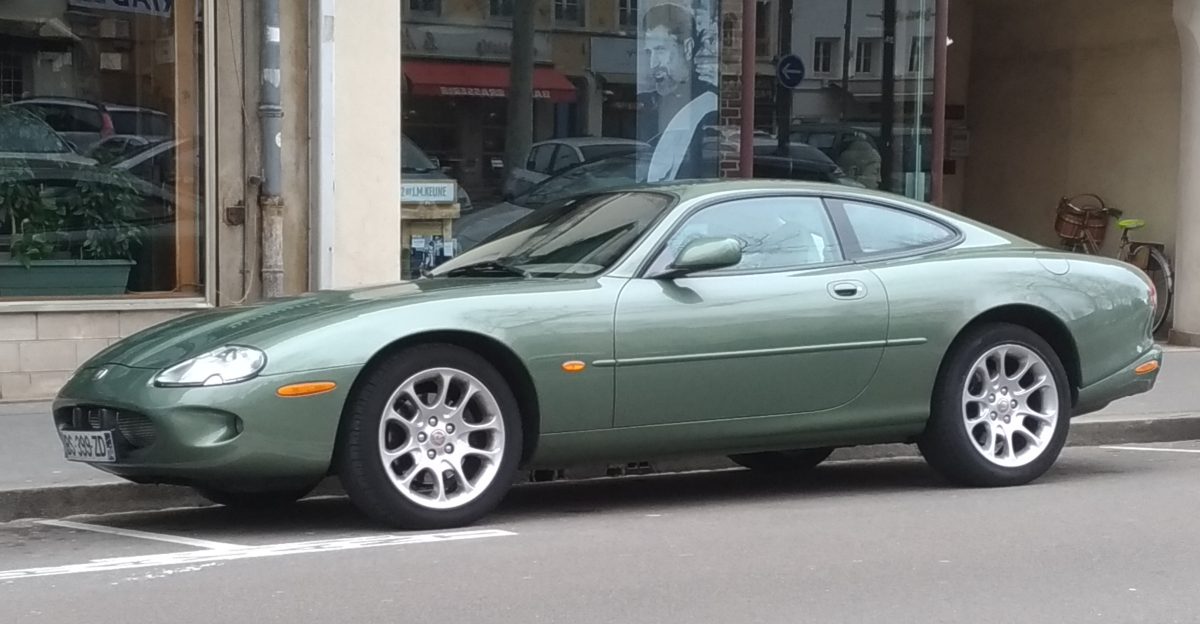
Jaguar is making a bold bet by shifting almost entirely to electric vehicles and launching a new brand identity. Most of the old models have been cleared out. Only a few Jaguars remain in U.S. showrooms as the company prepares its next generation of EVs.
This transition has reduced revenue and visibility for a brand that was already small. If a recession arrives before Jaguar’s new lineup is ready, the company could be stretched too thin to complete its reinvention.
6. Buick
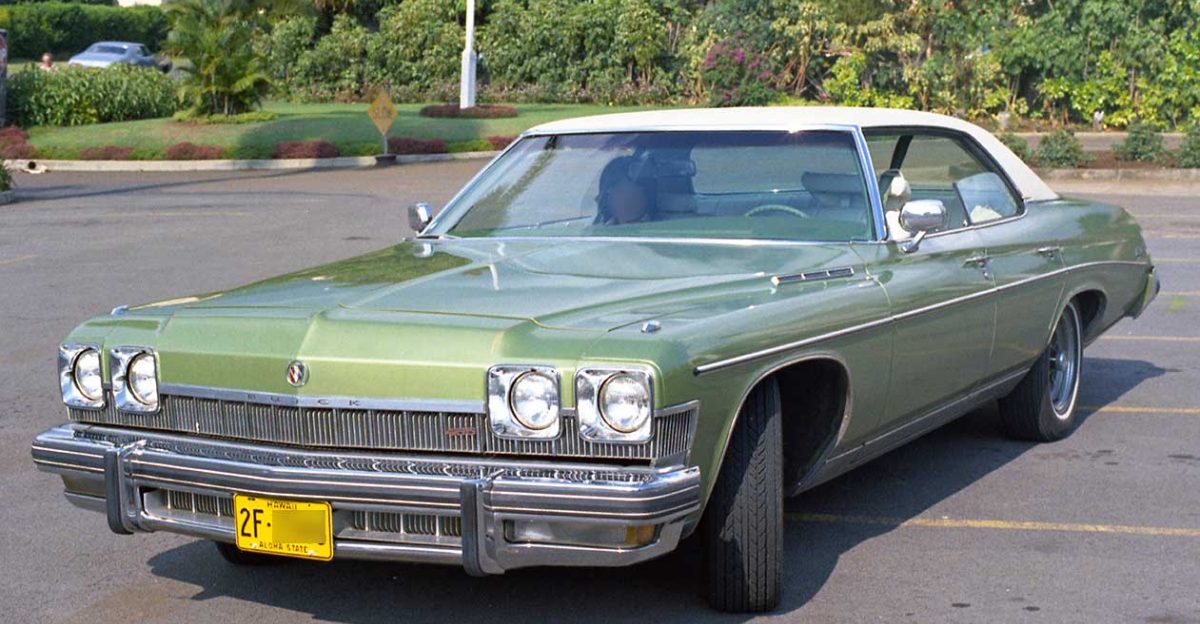
Buick holds a much larger presence in China than in the U.S. In America, the brand mostly appeals to older buyers and occupies a narrow space between mainstream and luxury. China has been Buick’s main market for years, and GM continues to promote it there, especially with new electric models. U.S. sales remain smaller, but have grown slightly recently.
If a major recession hits, GM could face pressure to simplify its U.S. portfolio. Buick’s future in America would then be uncertain, even as it remains strong in China.
7. Mitsubishi
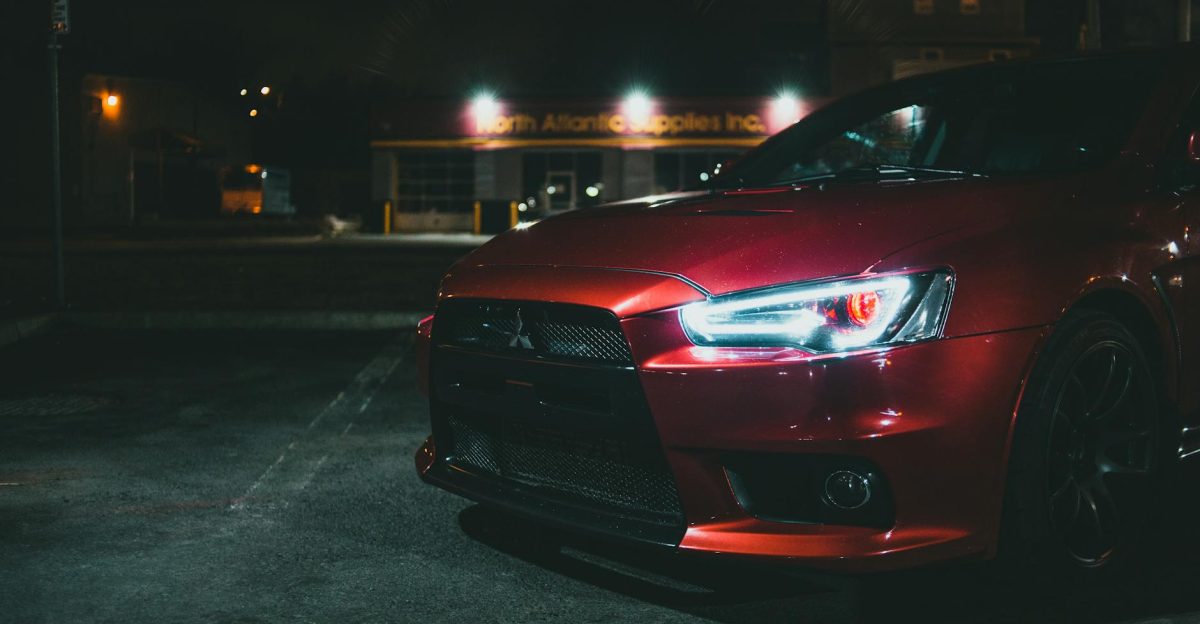
Mitsubishi was once a much larger presence in the U.S., but those days have passed. Now, the brand sells only a few crossovers and SUVs. Sales were under 100,000 units in 2025, falling by double digits year over year. As part of the Renault-Nissan-Mitsubishi Alliance, Mitsubishi has announced plans to make North America a priority again.
The company aims to double its lineup and introduce new crossovers. Even so, Mitsubishi’s name recognition and dealer network lag behind other Japanese rivals. In a downturn, consumers often choose the most familiar brands, and Mitsubishi could struggle to regain attention during its rebuilding phase.
8. Lucid
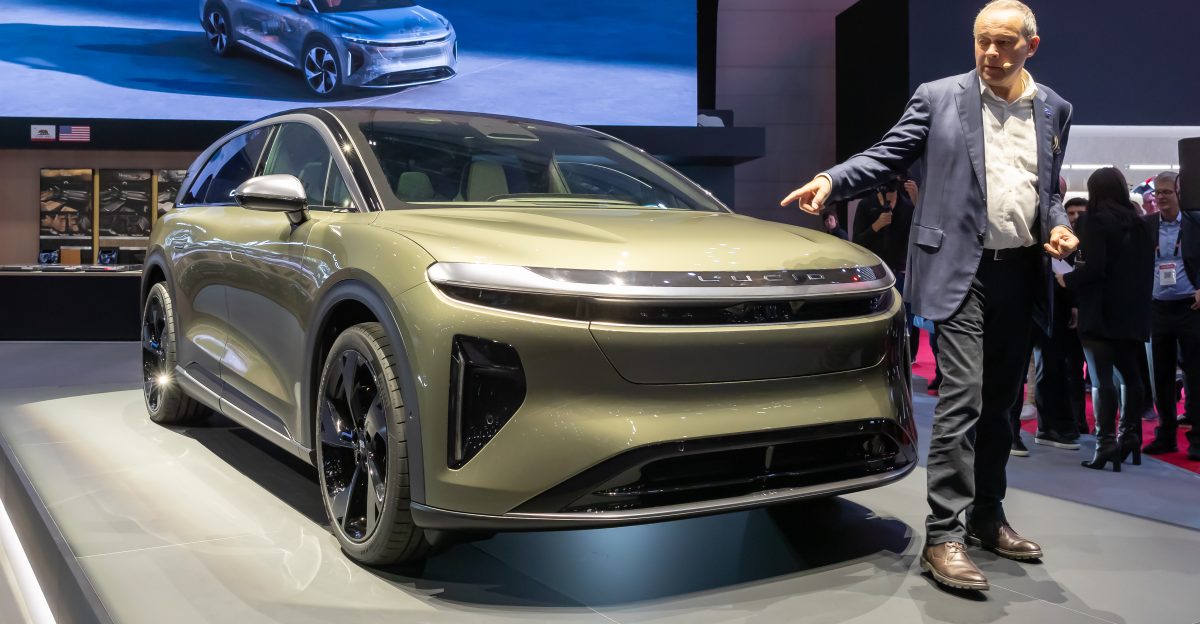
Lucid’s Air luxury EV has received widespread praise for its range and performance. However, financial success has not followed. The company has repeatedly missed production targets, cut forecasts, and spent billions in cash. Losses continue to mount and debt is rising.
Lucid relies heavily on Saudi Arabia’s Public Investment Fund, which has invested over $9 billion and provided another $1 billion in 2024. A recession that reduces demand for expensive EVs or tightens capital markets could put Lucid in a difficult position if outside support declines.
9. Lincoln
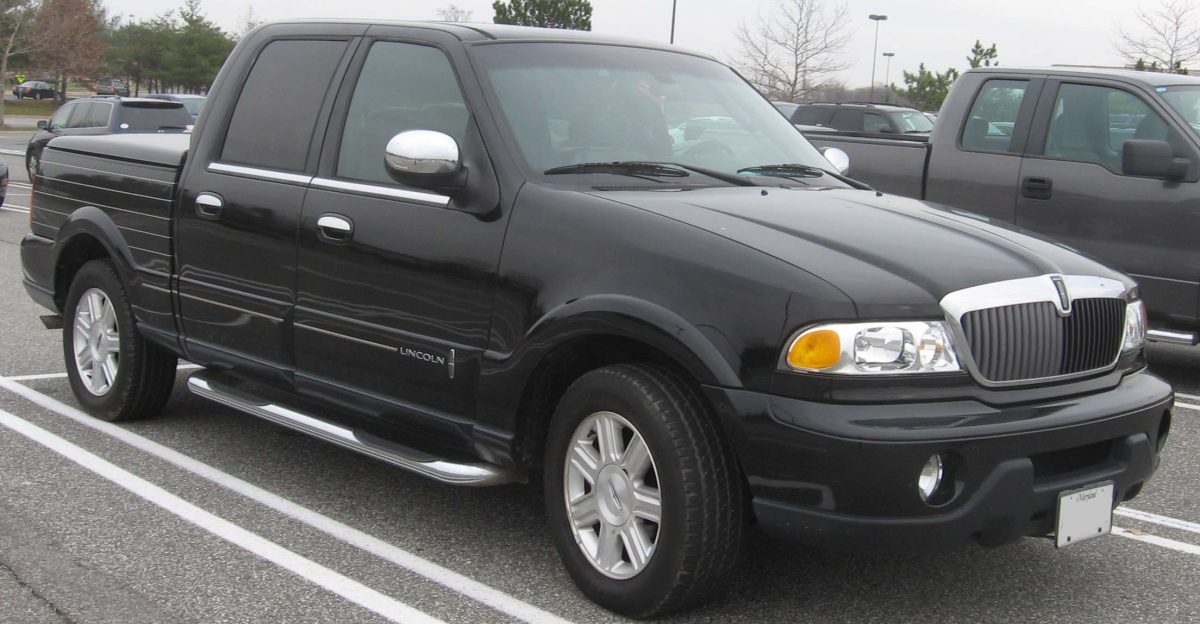
Lincoln, Ford’s luxury division, has experienced a modest rebound with models like the Nautilus and Navigator. However, it still trails German and Japanese luxury leaders. Lincoln’s U.S. market share remains small, and its future depends on Ford’s broader product and technology strategy.
Ford is currently absorbing large losses in its EV division and projects several more years before profitability, even as investments in new products and technologies continue. In a deep recession, Ford would have to balance investments in Lincoln against the need to support its core lineup and EV transition. This could put Lincoln under renewed scrutiny.
10. VinFast
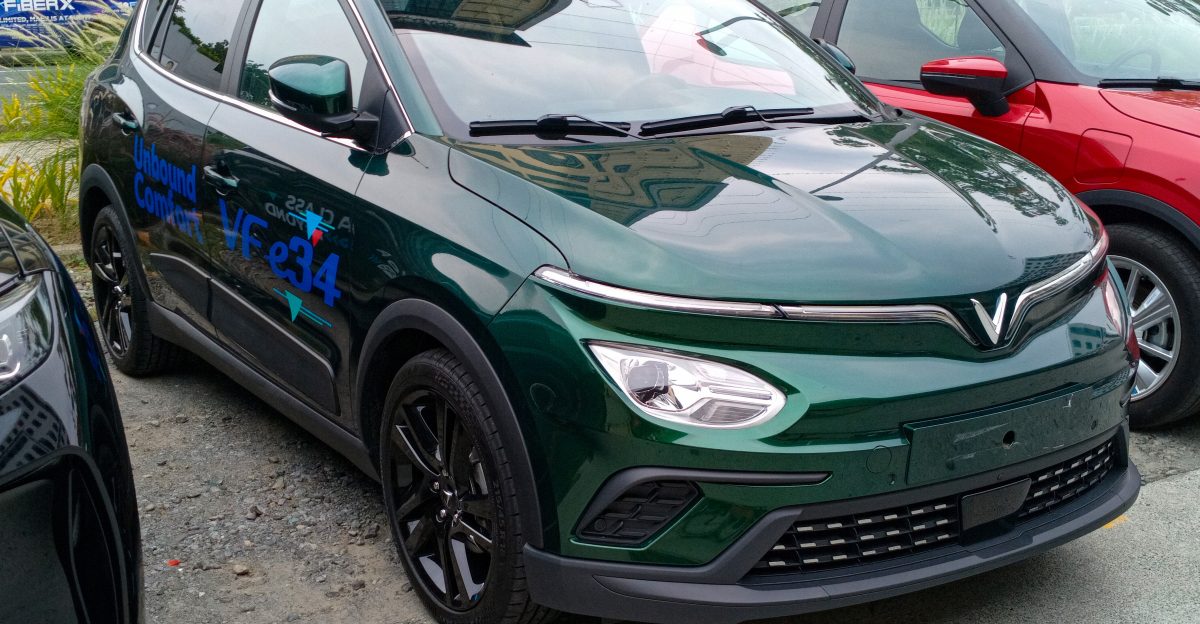
VinFast, a Vietnamese automaker, entered the U.S. market with ambitious plans and a lineup of electric SUVs. So far, buyers have not embraced the brand. Most Americans do not recognize the name, and perceptions of quality remain uncertain.
The company’s retail presence in the U.S. is small and evolving, as it shifts from direct sales to working with dealers. VinFast is posting large losses, including over $800 million in a single recent quarter and multi-billion-dollar annual deficits, as it expands globally and restarts work on a North Carolina plant. A recession would be a harsh environment for a relatively unknown, capital-intensive EV startup asking U.S. buyers to take an expensive leap of faith, making it one of the more vulnerable new entrants.
Sources:
Stellantis – “Stellantis to Invest $13 Billion to Grow in the United States” – October 13, 2025
Nissan / INFINITI – “Nissan and INFINITI outline bold new products and next chapter of growth” – March 25, 2025
Infiniti – “Infiniti Readies For A Revival With New Models, Creative Firepower” – October 20, 2025
Mitsubishi – “Mitsubishi Wants to Make North America a Priority to Regain Lost U.S. Sales” – November 13, 2025
Lucid – “Luxury EV maker Lucid to raise $1 bln from Saudi’s PIF affiliate” – March 25, 2024
VinFast – “VinFast quarterly loss widens as costs bite” – March 15, 2026