Texas Deputies Intercept $470K In Stolen Vehicles—’Almost Escaped’ To Honduras
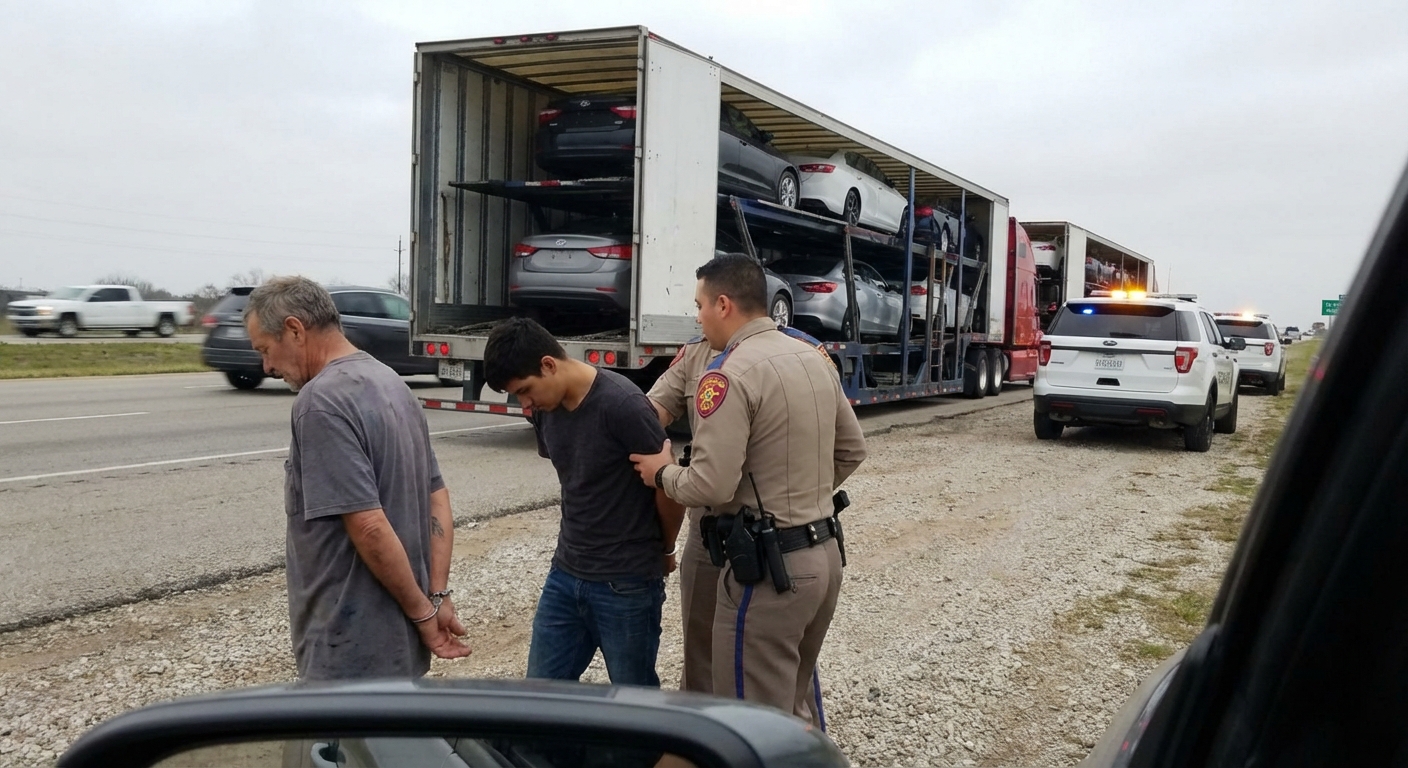
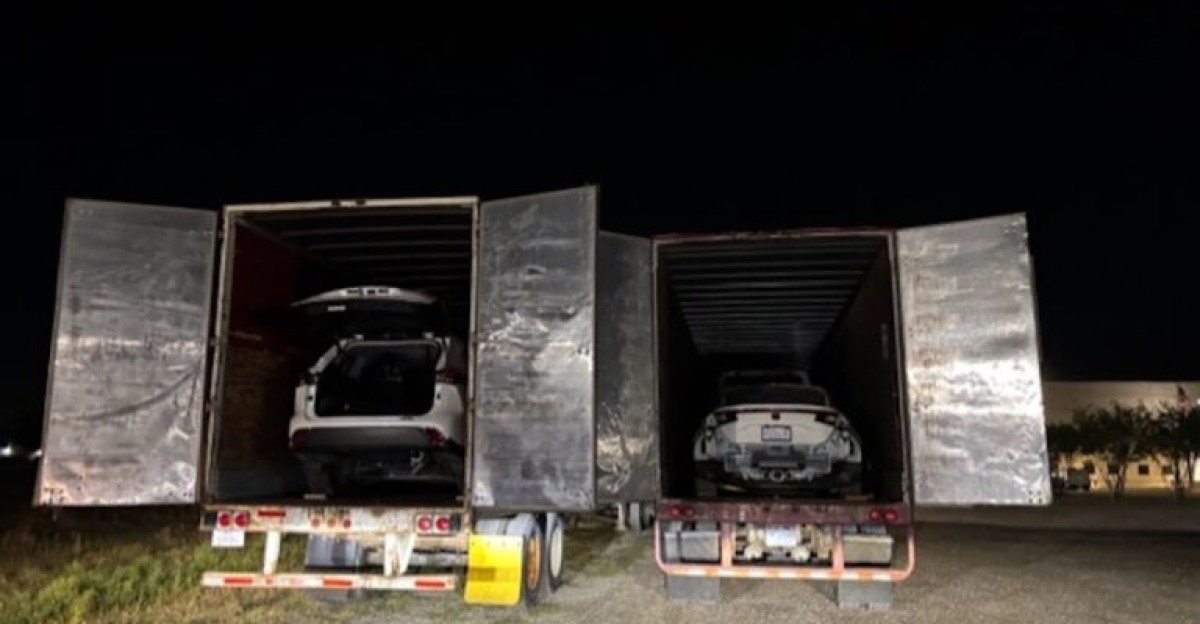
Early morning, April 6, 2026. Two semi-trucks rolling westbound on Interstate 10 through Guadalupe County, Texas, carrying cargo that looked routine from the outside. Inside: six stolen vehicles stacked and strapped, worth more than $470,000, headed for the border, according to investigators.
Deputies from Guadalupe County and Gonzales County pulled both rigs using Auto Theft units, K-9 teams, and patrol officers in a coordinated stop. Two drivers detained on the shoulder. The trucks, trailers, and every vehicle inside held pending investigation. Texas accounts for about one in five cargo thefts nationwide, and this shipment nearly added to the ones that got through.
Two Drivers, Two Countries, One Pipeline
Behind the wheels sat Pedro Velasquez, 19, currently residing in Baton Rouge, Louisiana, and Dany Arias-Tucios, 48, of Honduras. Both Honduran nationals, according to law enforcement.
Both charged with theft of property valued between $150,000 and $300,000. Investigators believe the vehicles were destined for Honduras, a country where stolen American cars are known to be trafficked into used-car and black-market networks across Central America.
The Myth of the Smash-and-Grab
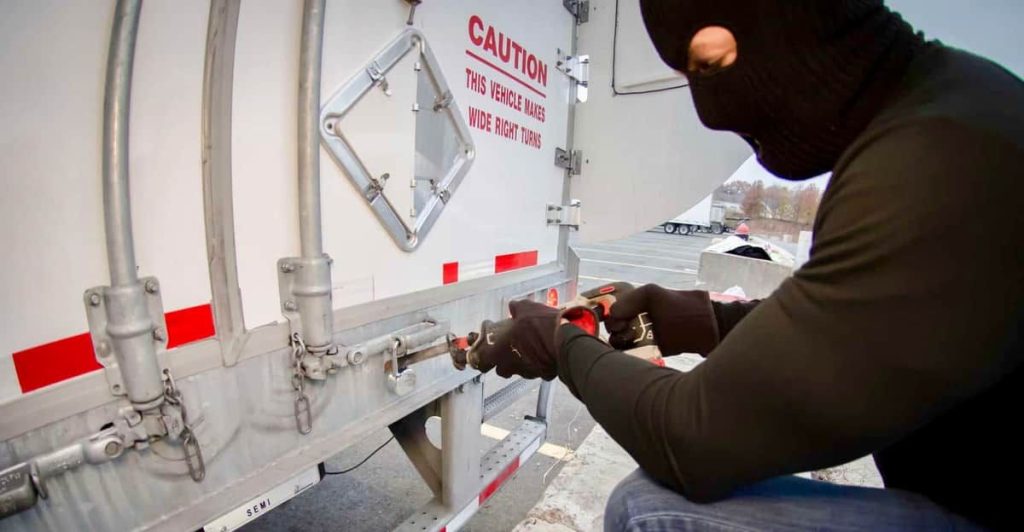
Most people picture cargo theft as opportunistic. A thief spots an unattended trailer, cuts a lock, grabs what fits. That version of the crime barely exists anymore. Between 2021 and 2024, overall cargo theft rose about 93%, while strategic theft—fraud-based schemes where criminals use deception to obtain loads—surged roughly 1,475%, according to CargoNet data cited by industry groups. Strategic theft now represents a large and rapidly growing share of all cargo theft incidents, up from a low single-digit share only a few years ago.
These six vehicles moved through legitimate freight channels on a major interstate without triggering a single automated alert. Stolen vehicles are among the most flagged commodities in logistics. VINs are traceable. Registrations are searchable. And none of it mattered.
How $470K Traveled in Plain Sight

The Guadalupe County Sheriff’s Office confirmed: “The investigation into the origin of the stolen vehicles is ongoing.” That sentence should stop you cold. In the immediate aftermath of the seizure, authorities had not yet determined where all of these vehicles were stolen from. The supply chain obscured its own entry point. Either freight documentation masked the vehicles’ status, brokers accepted loads without verification, or insiders facilitated the movement.
Six cars. More than $470,000. Loaded onto two semis. Driven across state lines. Nobody flagged them until deputies physically stopped the trucks. The detection was reactive, not predictive.
The Hidden Machine Behind the Haul
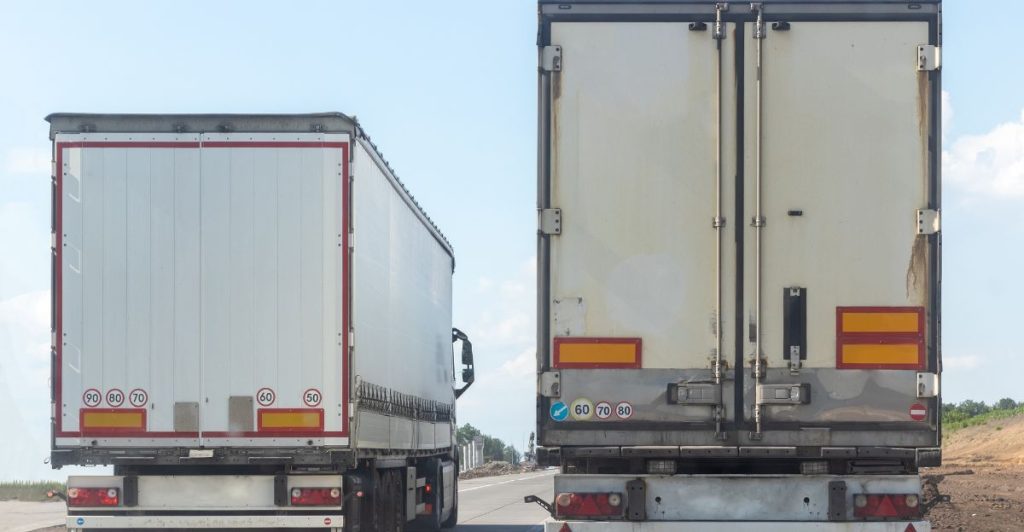
Two trucks traveling the same corridor simultaneously reveals professional logistics, not amateur theft. If deputies seized one, the other could succeed. That redundancy mirrors transnational smuggling operations documented by U.S. authorities and researchers, where Mexican cartels and allied criminal networks generate substantial illicit revenue through cross-border cargo movement and trade-based schemes.
MS-13, for example, has been documented as engaging in vehicle theft and resale, with a flow of stolen vehicles from the United States and Mexico into Central America, where they are integrated into the used-car trade or black-market networks. Honduras is among the Central American countries where such vehicles can surface. The $470,000 shipment fit directly into that broader pattern.
The Numbers That Expose the Scale

In 2025, Overhaul recorded 2,576 cargo theft incidents nationwide, a 16% jump from 2024. That averages roughly seven thefts per day across the country. Texas alone accounted for about 20% of them.
In Q3 2025, Verisk CargoNet reported about $111.88 million in stolen cargo value, with the average theft worth $336,787. This $470,000 shipment sat roughly 40% above that average, placing it in the upper tier of organized operations. Industry and insurance analyses estimate that cargo theft in North America drives between roughly $15 billion and $35 billion in annual costs when direct and indirect losses across the supply chain are included. One interception, however celebrated, barely registers against that figure.
Who Pays When the Trucks Get Through
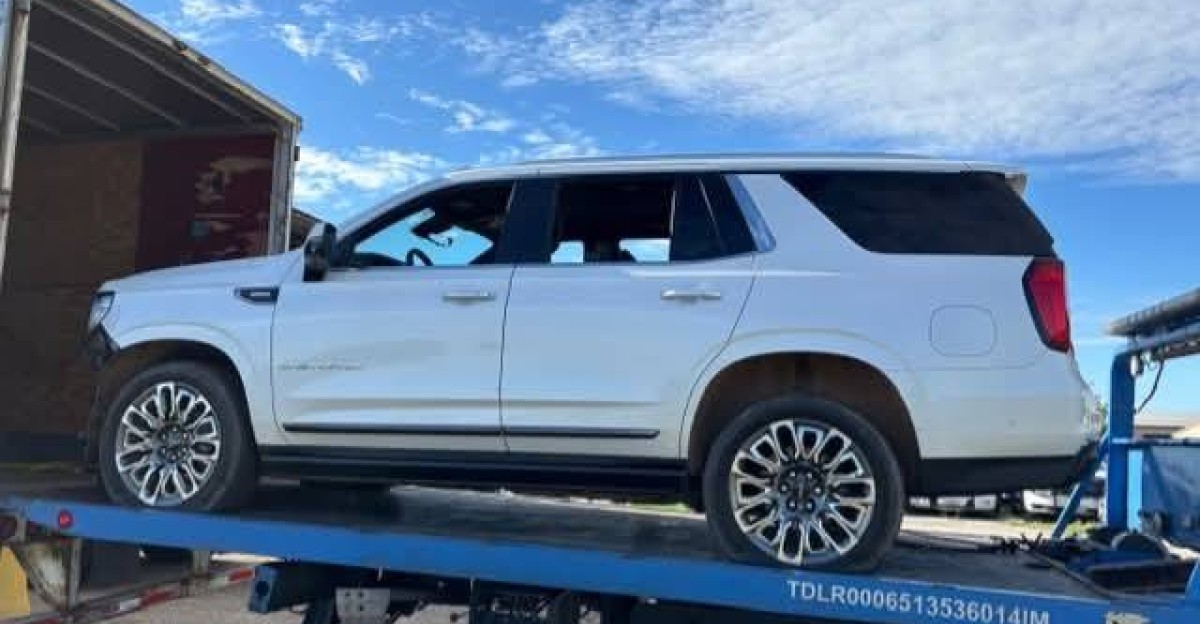
At the time of the initial reports, investigators were still working to determine the legitimate owners of the seized vehicles. Their insurance claims are likely to be complex and protracted. Trucking companies whose carrier identities get stolen face financial and reputational devastation. The Tanager Logistics case, described in congressional testimony and trade press, showed how fraudsters can impersonate a legitimate carrier end-to-end—spoofing emails and domains, altering federal records, and brokering loads under a stolen identity—while shippers unknowingly participate in the crime.
Insurance carriers reassess risk models for high-value cross-border cargo and often raise premiums when losses spike. American consumers absorb those costs through higher vehicle prices and insurance rates. Every successful theft that reaches overseas markets makes the next one cheaper to execute.
A New Rule, Not an Exception

This interception signals that law enforcement is actively targeting cross-border vehicle-trafficking operations, a shift from treating cargo theft solely as a domestic property crime. But once you see the math, the celebration fades. In a landscape with thousands of cargo theft incidents each year, one seizure represents only a tiny fraction of overall activity. The same cyber-enabled techniques powering traditional cybercrime—phishing, credential hijacking, domain spoofing—now power cargo crime at industrial scale.
Cargo theft stopped being a theft problem years ago. It became a supply-chain verification and identity-infrastructure crisis. The April 6 bust proved the system works occasionally. The volume of undetected thefts proves it doesn’t work often enough.
The Adaptation Already Underway
Organized networks will not absorb this loss and quit. They will reroute through Arizona, New Mexico, or California. They will fragment shipments into smaller, less conspicuous loads. They will adopt more sophisticated documentation forgery.
In Mexico, cargo theft remained deeply violent in 2025, with about 82% of robberies against carriers involving some form of violence, according to industry analyses. Escalation into the U.S. corridor remains a real possibility as law enforcement pressure increases. Additional arrests from the April 6 case may follow as investigators pursue brokers and coordinators upstream. But the network adapts faster than the investigation moves, and the I-10 corridor just became yesterday’s route.
The Shipment That Got Caught

Bruce Guthrie called it “great work by our teams keeping our roads and communities safer,” praising the deputies’ efforts. He’s right about the work. He’s less right about the safety. Six vehicles sit in an evidence lot. Their rightful owners are still being identified and notified.
The supply chain that loaded them onto two semis remains under scrutiny. The brokers who arranged the freight may or may not yet be in investigators’ sights. And somewhere on a highway right now, another truck likely carries cargo that will never be intercepted, headed for a destination where American law enforcement has limited jurisdiction and visibility. The person who should worry most is the one who thinks this story ended on April 6.
Sources:
Yahoo News / Guadalupe County Sheriff’s Office – “Guadalupe County Sheriff’s Office: Two arrested after $470K in stolen vehicles found in semi-trailers” – April 6, 2026
Overhaul – “US and Canada Cargo Theft Report” – February 16, 2026
Verisk CargoNet – “Cargo Theft Losses Surge to Estimated $725 Million in 2025, Verisk CargoNet Analysis Reveals” – January 22, 2026
National Insurance Crime Bureau (NICB) – “NICB Warns of Increased Cargo Theft in 2025” – June 25, 2025
Overhaul / FreightWaves (Mexico analysis) – “Borderlands Mexico: Violent cargo theft grips Mexican truckers” – February 22, 2026
Transportation Intermediaries Association (TIA) – “Cargo Theft Has Gone International” – February 19, 2026