Texas Carrier Ran 31 Trucks on Illegally Misclassified Mexican Drivers for at Least 8 Years
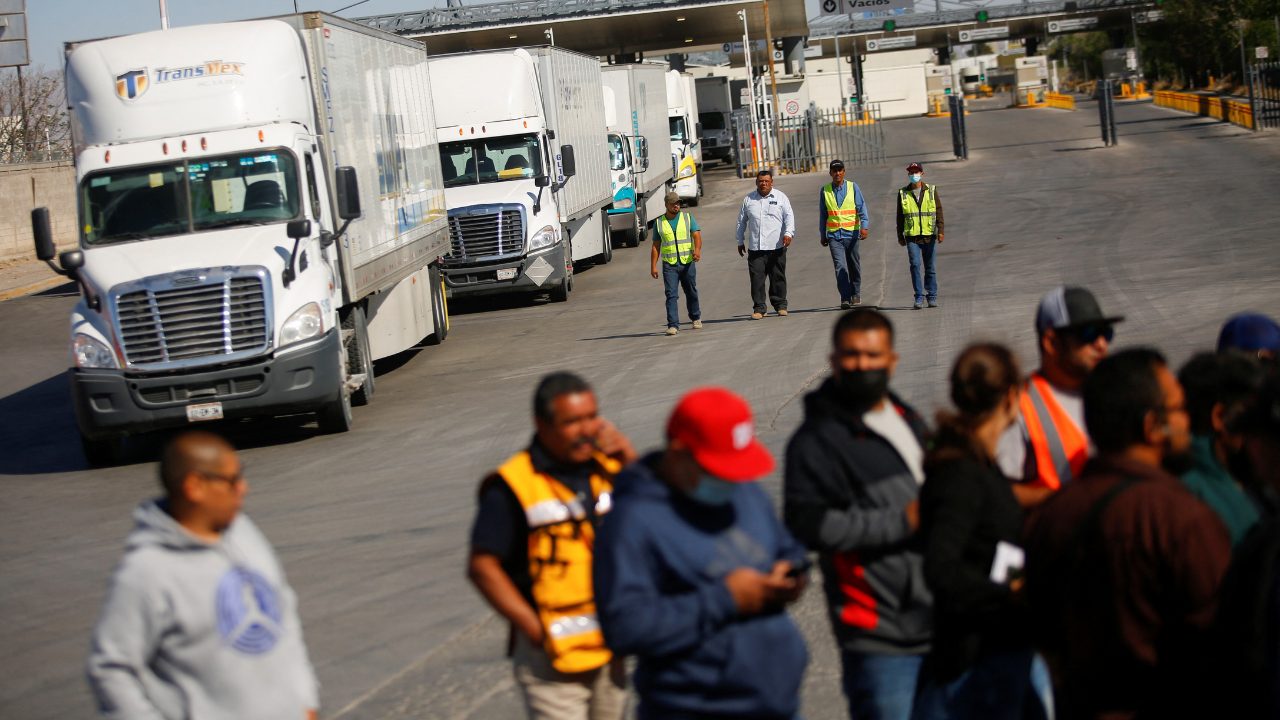
The drivers crossed the border with paperwork that said they were farmworkers. But they hauled freight: commercial loads, long routes, the kind of work governed by federal trucking wage standards. Fabian Morales Trucking LLC allegedly classified them under H-2A agricultural visas, a program designed for seasonal crop labor. The distinction matters because agricultural workers are generally exempt from overtime protections under the Fair Labor Standards Act.
Many truck drivers are covered unless a specific exemption applies. That single reclassification, the workers say, turned a legal workforce into a trapped one. The federal lawsuit filed in March 2026 in Northern Texas sent shockwaves through the industry.
The Visa That Became a Cage
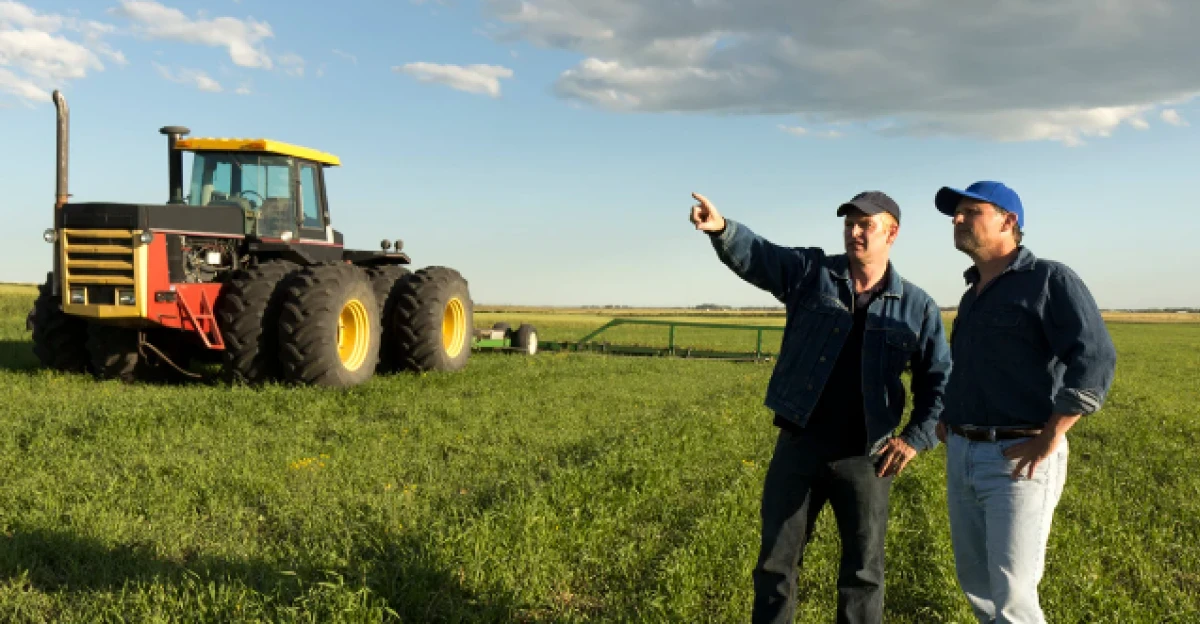
H-2A visas come with some built-in protections: employers have to pay wages set by local standards, guarantee at least 75% of the contracted work hours, and provide housing and transportation. The visa ties a worker’s legal status to a single employer.
If a worker quits, they typically lose the right to stay in the U.S. unless they can quickly find another sponsor. This creates enormous leverage for companies willing to take advantage. The Mexican nationals driving for Fabian Morales say they felt trapped. They couldn’t leave without risking their ability to remain in the country. According to the lawsuit, the company knew this when it denied them overtime.
A Pattern Already Exposed
A few months before this lawsuit, the Department of Labor recovered $1.08 million for 24 workers at Expresso Forwarding. Some of those workers earned just $2.03 an hour, paid in Mexican pesos, far below the federal minimum wage.
In other H-2A cases, investigators and advocates have uncovered fraudulent applications, illegal charges for housing, and even confiscated passports. Some workers said they were paid less than promised, or not at all for certain jobs. Critics say Fabian Morales fits a pattern, one that government policy has helped to create.
The Government’s Own Contradiction

In recent years, the Department of Labor has tried to strengthen H-2A protections. These include better discipline procedures, anti-retaliation rules, and new safeguards for group actions. Those efforts have met court challenges and political resistance.
At the same time, federal authorities keep bringing cases over alleged H-2A abuses and Fair Labor Standards Act violations, often relying on older, weaker standards that are still on the books. Workers and advocates see mixed signals: one hand weakens the rules, while the other boasts about enforcement under the old ones.
The Hidden Mechanism
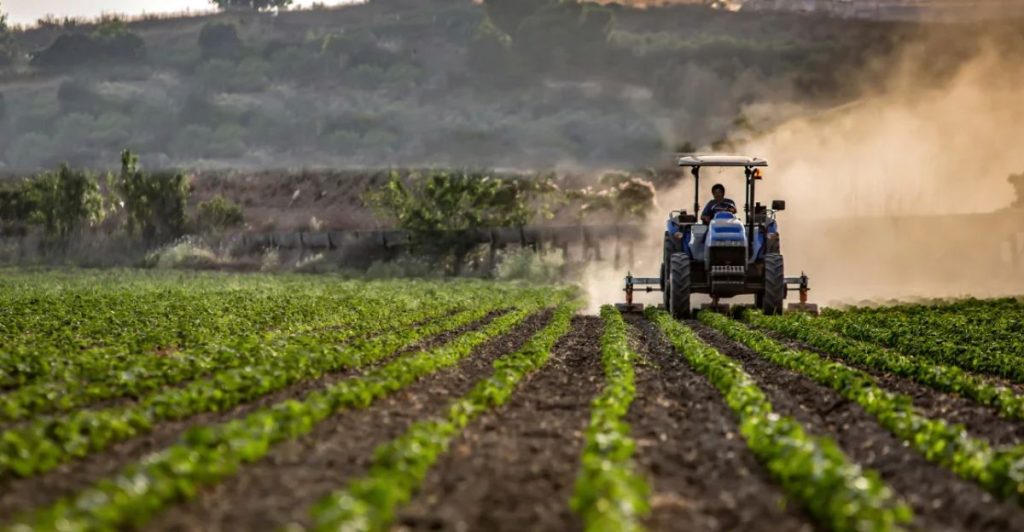
By reclassifying trucking jobs as agricultural work, companies can do three things at once, according to worker advocates and legal filings. First, they tap into the H-2A visa system, bringing in workers whose legal status is tied to their employer. Second, they can sidestep some of the trucking industry’s usual wage and safety standards by labeling the work as farm-related. Third, they use the agricultural exemption under the FLSA to deny overtime pay that most drivers would otherwise expect.
During this period, the H-2A program has grown from about 100,000 certified positions in the mid-2000s to nearly 400,000 by the mid-2020s. Enforcement did not keep up. As the program grew, oversight fell behind.
The Numbers That Reframe Everything
Critics warn that new changes to H-2A wage rules could slash farmworkers’ annual earnings by well over a billion dollars in the coming years, with even bigger losses over the next decade. Some employers can now take a chunk of workers’ pay to cover housing costs.
A worker earning $15 an hour could see several dollars go straight back to the employer for rent. Labor contractors handle a big part of H-2A recruitment. Advocacy groups say these middlemen account for many of the program’s bans and penalties, even though they submit far fewer applications than big companies. The system keeps sending them workers.
Who Gets Crushed Next

A new rule from the Federal Motor Carrier Safety Administration, effective March 16, 2026, restricts who can hold a commercial driver’s license among non-permanent U.S. residents. Only certain temporary worker and treaty-investor visa holders, including H-2A and H-2B, are eligible. Many drivers with only employment authorization documents are left out. In California and other states, advocates say thousands of immigrant truckers could lose their licenses. The federal government can pressure states by threatening highway funding if they don’t comply.
Meanwhile, dairy and meat companies are lobbying to use H-2A visas year-round. Farmworker advocates warn this could drive down wages for domestic dairy workers. The trend is clear: workers have less mobility, and employers have more ways to hire people they can control.
The New Rule, Not the Exception

The Fabian Morales case stands out as one of the first major lawsuits to target a trucking company for allegedly misclassifying commercial drivers under H-2A visas. This case sets a legal precedent. Any company that labeled commercial driving as agricultural work to access cheaper, visa-dependent labor could now face similar lawsuits if workers step forward. The H-2A program has grown from about 100,000 certified positions in the 2000s to nearly 400,000 by the mid-2020s.
Industry groups expect those numbers to keep rising if lawmakers allow more year-round use. Meanwhile, worker protections have been delayed, weakened, or tied up in court. Advocates say this pattern is now impossible to ignore.
The Dominoes Still Falling
The Department of Labor says truck drivers should not be punished for raising safety concerns. In recent H-2A cases, workers have described being threatened with immigration enforcement when they spoke up about abuse. Labor groups including the AFL-CIO and Public Citizen are fighting the new CDL licensing rule in court.
A judge in California has temporarily stopped the widespread cancellation of immigrant truckers’ licenses while the case is heard. Industry groups, including the American Trucking Associations, have also called out cross-border abuses. Some carriers used foreign drivers for domestic hauls and kept the extra profits until enforcement caught up. Lawsuits are piling up, but the system that produces these abuses keeps growing.
The Question Nobody Wants to Answer

Federal policy is getting stricter about which immigrant drivers can keep their commercial licenses, even as rules for wages and worker protections in the H-2A program are weakened or delayed. Critics say this shift is about controlling workers. The Fabian Morales lawsuit opens the door for other workers to join. More trucking and logistics companies that rely on visa labor could soon face lawsuits of their own.
If the pool of eligible drivers shrinks and employers keep turning to H-2A workers, freight costs and labor tensions will likely rise. This story shows what most Americans do not realize: the visa system is designed to keep workers under control, not necessarily to keep them safe.
Sources:
FreightWaves, Texas carrier sued by Mexican truckers over pay, visa misclassification, March 24 2026
Yahoo News (syndicated FreightWaves report), Texas carrier sued by Mexican truckers over pay, visa misclassification, March 24 2026
US Department of Labor, US Department of Labor recovers more than $1M in back wages, damages for 24 warehouse workers denied minimum wage, overtime pay, March 10 2026
US Department of Labor / Wage and Hour Division, Wages | U.S. Department of Labor (FLSA and H‑2A program obligations overview), March 16 2026
FMCSA, Non-Domiciled CDL 2026 Final Rule FAQs, 2026 (effective March 16 2026)
Holland & Knight, Roadblocks Ahead: Final Rule Tightens Nondomiciled CDL Criteria, February 19 2026