Tesla’s Third Straight Year Delivery Slide Puts Cash Flow in the Spotlight
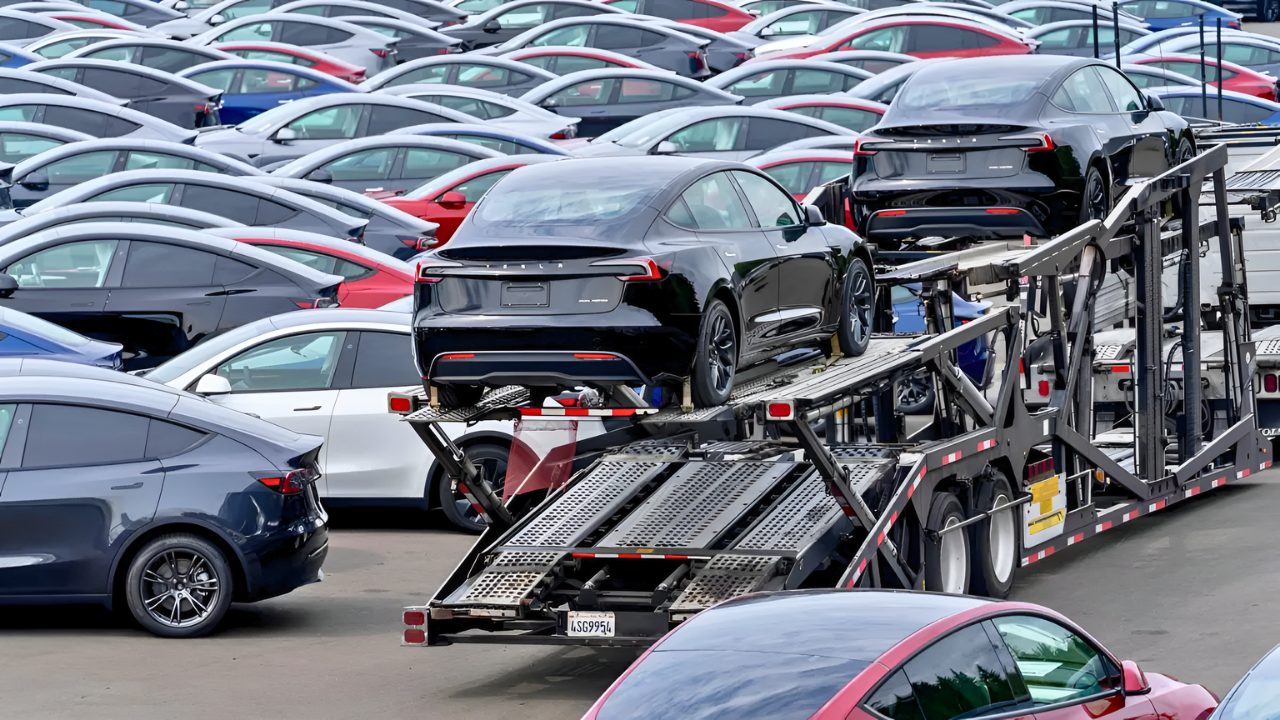
The price cuts kept coming. Deeper discounts, fresh incentives, and financing deals were pushed harder than ever. Tesla moved every lever it had to keep vehicles rolling off lots. And for a company whose entire Wall Street identity rested on relentless growth, the effort should have worked. Showrooms stayed busy. Configurators got clicks. But somewhere between the sticker price and the delivery report, the math stopped cooperating. The growth machine built to only accelerate had started grinding in a direction nobody wanted to name.
Third Year
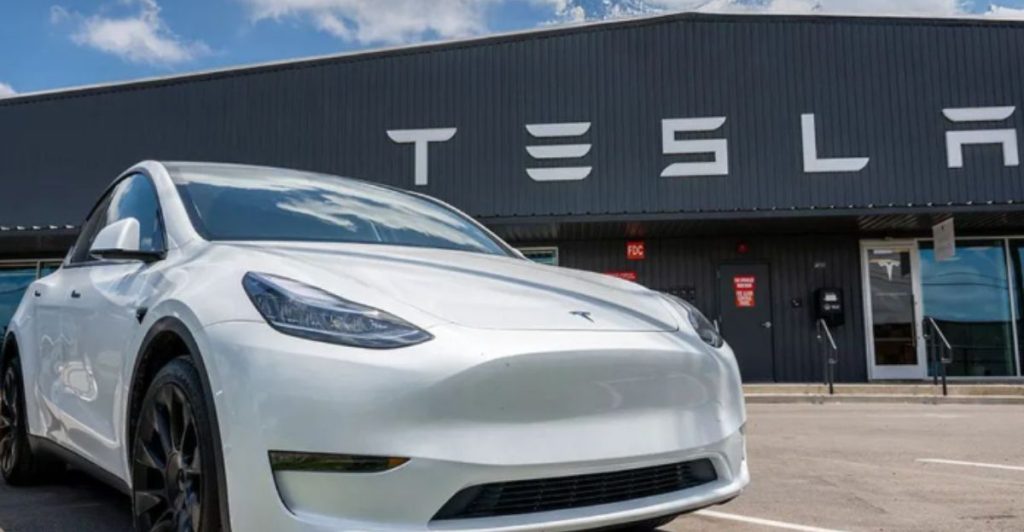
Analysts and investors now fear Tesla’s delivery declines could stretch into a third consecutive year, according to Reuters. Three years. For a stock priced on growth, that phrase lands like a structural crack, not a seasonal blip. The “third year” framing has become a coordination signal across Wall Street, the moment where scattered concern hardens into a consensus narrative. One down year is a hiccup. Two raise eyebrows. Three rewrites the entire investment thesis. And the next earnings cycle becomes a referendum nobody at Tesla can dodge.
Why It Matters
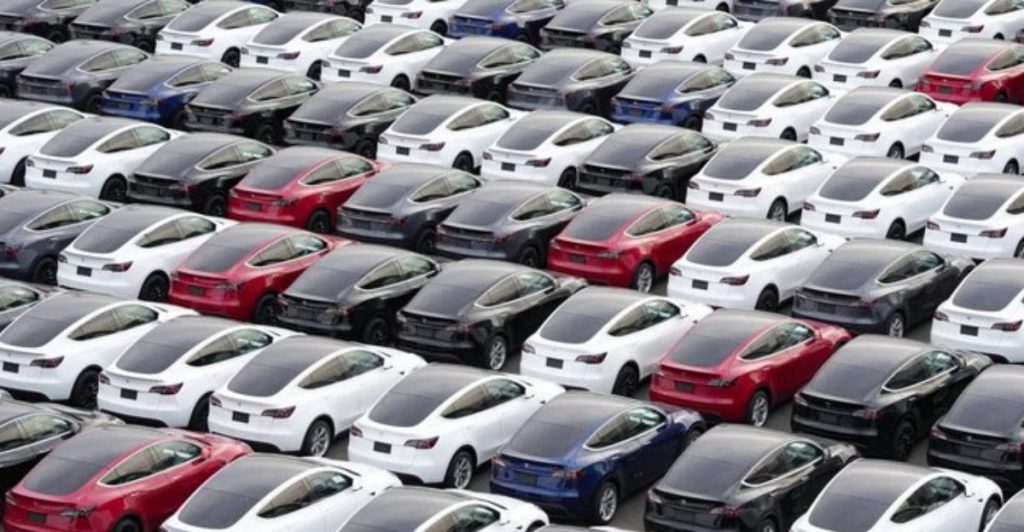
To understand why three years matter, consider what they break. Tesla grew annual deliveries every single year from 2012 through 2023, which is an unbroken eleven-year streak. That run coincided almost exactly with Tesla’s climb to profitability: the company posted annual net losses every year through 2019, recording its first-ever full-year profit in 2020. The last time delivery growth looked uncertain, and cash pressure loomed in the same breath, was that pre-2020 era, before Tesla had ever reliably made money. If 2026 marks a third straight decline, it would return the company to a combination of conditions Wall Street hasn’t had to price since Tesla was still burning through investor capital to survive.
Volume Trap

The assumption most investors carried was simple: more deliveries equals strength. That equation held for years. But global EV competition has intensified, with the IEA documenting pricing pressure across the U.S., Europe, and China as the market matures. Volume can be bought with price cuts that weaken cash generation. Every discount that fills a parking lot also thins the margin on the car sitting in it. Tesla kept selling. The per-unit economics kept eroding. The old scoreboard stopped telling the real score.
Cash Burn
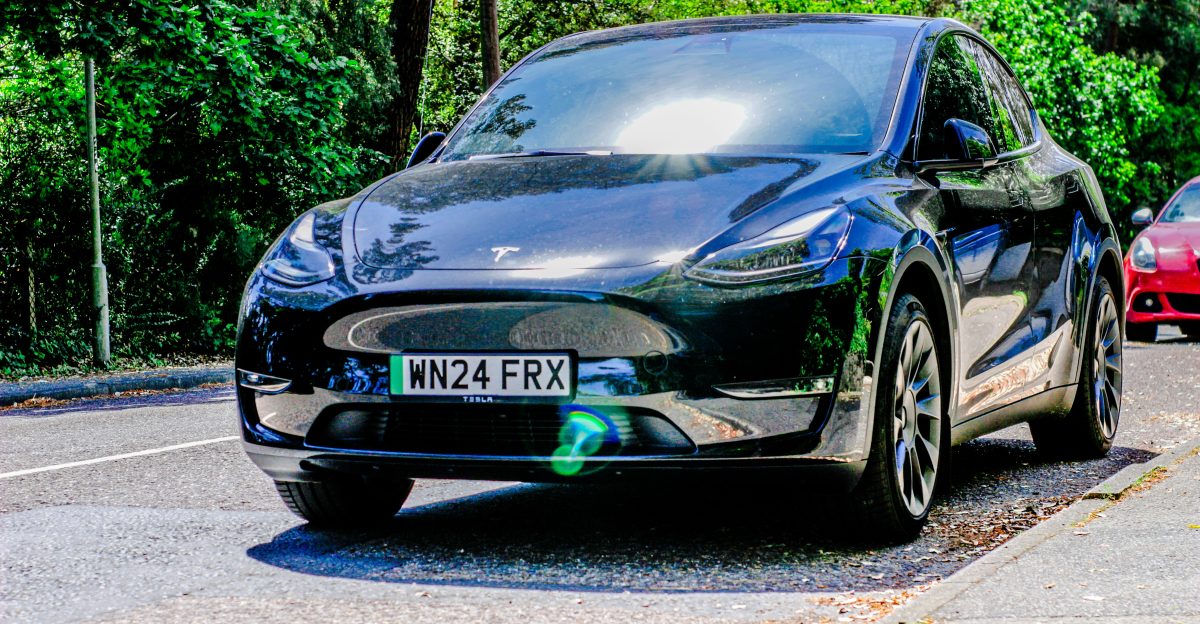
Call it a collapse in the growth narrative: deliveries sliding while cash-burn fears rise. Reuters explicitly linked the delivery concern to looming cash burn, and that connection is the real story. Price wars compress margins. Compressed margins shrink operating cash flow. Shrunken cash flow constrains capital spending. Three years of delivery weakness plus rising outflows. The growth stock starts reading like a liquidity problem. That sequence, discount to margin erosion to cash strain, is the mechanism Tesla shareholders should be tracing through every SEC filing.
The Mechanism
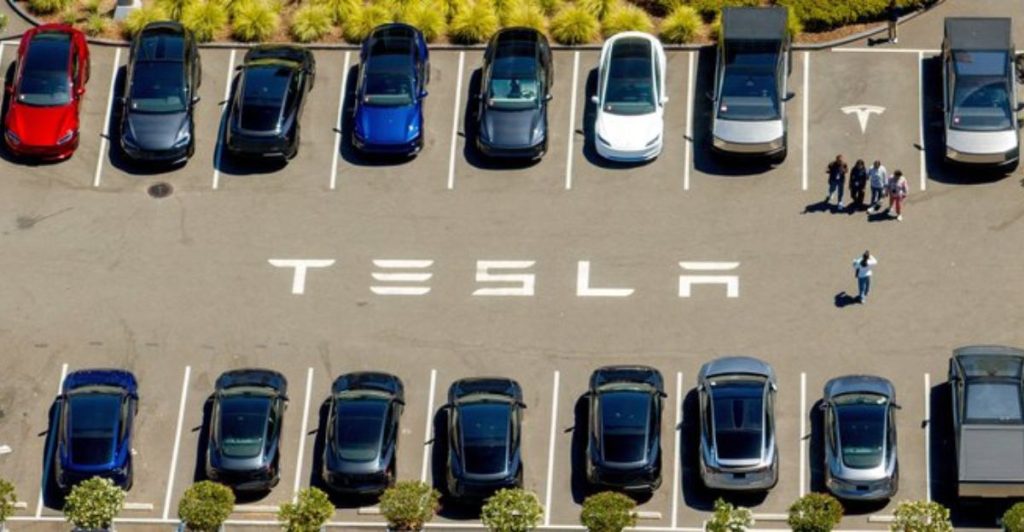
Think of it like a restaurant slashing menu prices: tables fill up, but rent is still due. Tesla’s price-war playbook works the same way. Regional markets tell different stories. U.S. demand responds to incentive activity tracked by Cox Automotive. European registrations monitored by ACEA reflect separate policy pressures. China’s cutthroat NEV market, benchmarked by CPCA, runs on its own brutal logic. “Global deliveries” is an aggregate of three different fights, each compressing margins through its own mechanism. One number hides three distinct cash-flow problems.
Scoreboard Shift
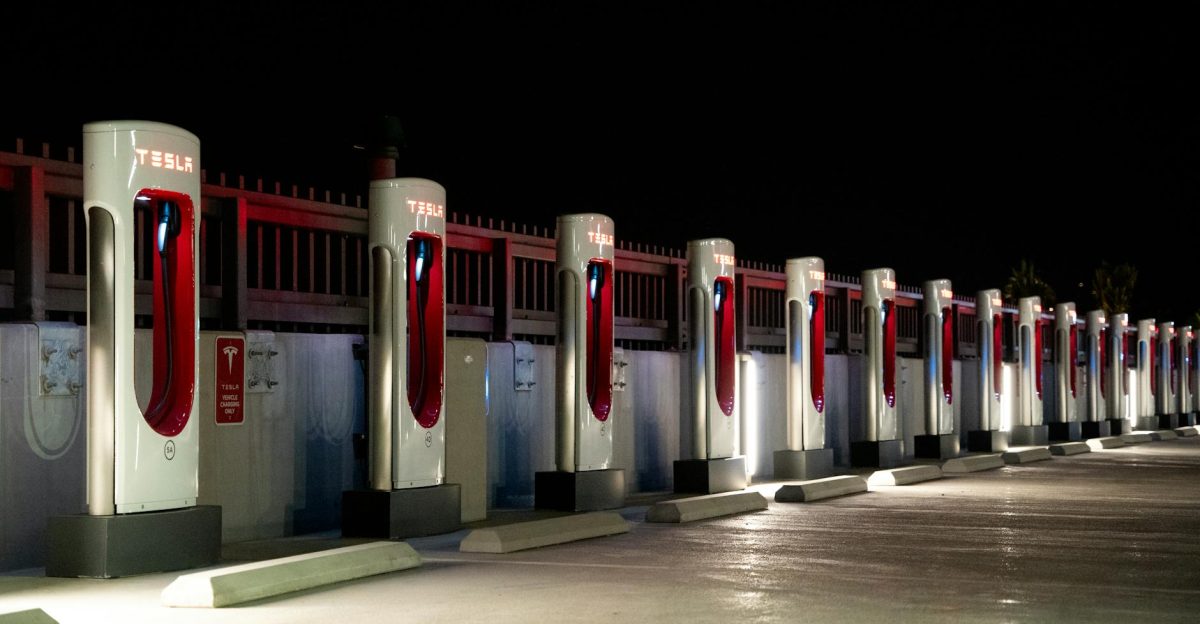
Deliveries are the headline. Cash flow is the scoreboard. Tesla’s SEC filings, the 10-K and 10-Q reports, contain the authoritative truth test: cash flow statements, liquidity disclosures, and risk factors that reveal whether discounting is eating into the company’s ability to self-fund. S&P Global Mobility research highlights how competition and model-cycle effects pressure pricing across the EV sector. The old metric, units delivered, told a growth story. The new metric, free cash flow under price-war conditions, tells a survival story. Most investors haven’t switched scoreboards yet.
Ripple Effects
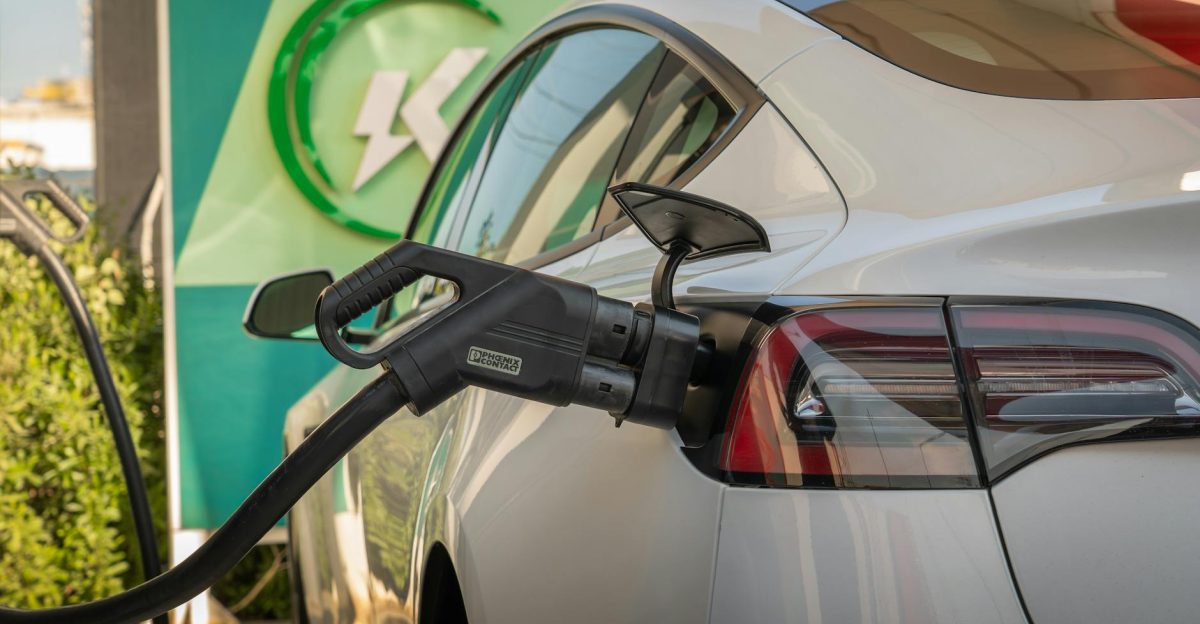
If cash generation weakens, the dominoes fall beyond Tesla’s balance sheet. Suppliers face constrained orders if capital spending gets cut. Expansion timelines slip. The escalation path runs in one direction: more discounts lead to deeper margin compression, which creates cash strain, which delays projects. Competitors may match Tesla’s pricing and incentives, extending the industry-wide EV price pressure documented by the IEA. Residual values and financing assumptions across the sector could face stress. One company’s pricing desperation becomes an entire industry’s margin problem.
New Rules
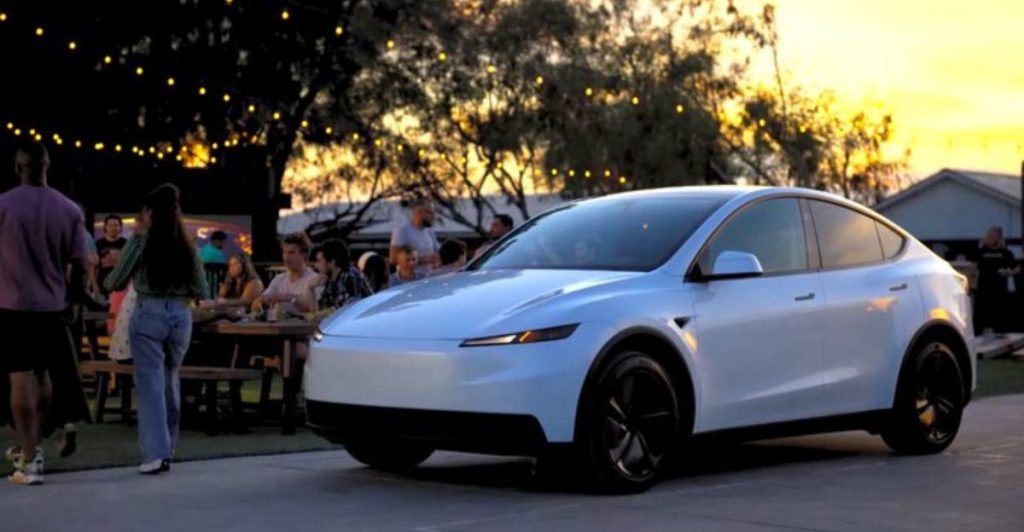
This is bigger than one company’s bad stretch. The precedent forming in real time: EV leaders may be judged less on growth and more on free cash flow discipline. That reframe changes how every electric vehicle maker gets valued. EV adoption can grow globally while a market leader’s deliveries fall, a contrast the IEA’s data makes painfully clear. Once you see that volume and strength can diverge, the entire sector looks different. The old pattern, where unit headlines carried the narrative, broke. The market just hasn’t fully priced it.
What Breaks Next
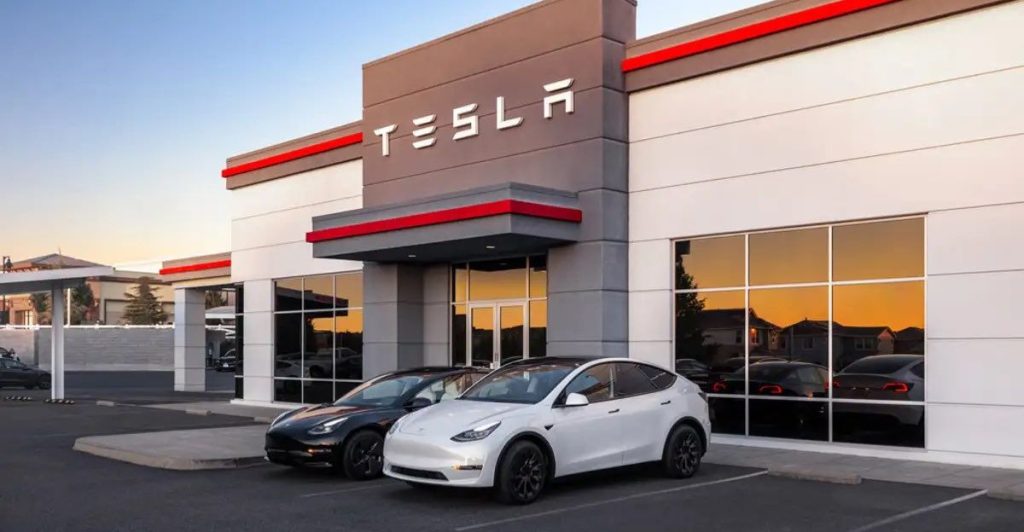
The next quarterly filing becomes the most scrutinized document in the auto industry. Tesla’s options narrow as the price war continues: shift the vehicle mix, cut costs harder, slow capital spending, or refresh products to restore some pricing power. Each path carries its own cost. Slowing capex buys near-term cash relief but sacrifices future models. Cutting costs has limits when competitors in China operate on thinner margins by design. The investors who haven’t yet been affected, the ones still reading deliveries as the whole story, are next.
The Real Metric
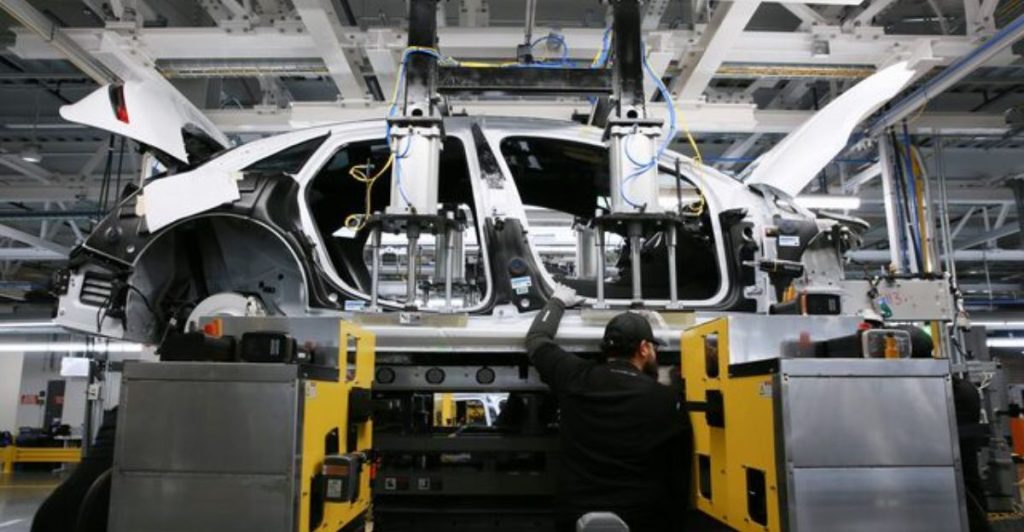
Here is what most people following this story still miss: in a price war, cash flow resilience matters more than unit headlines. That single insight separates the investors who will navigate what comes next from those who will get blindsided by it. Tesla’s counter-moves, product refreshes, cost discipline, and capex reallocation will determine whether the third-year slide becomes a turnaround chapter or something worse. The delivery number will dominate every headline. The cash flow statement, buried in the SEC filing, will decide the outcome.
Sources:
“Tesla delivery slide may stretch to third year, some fear, as cash burn looms.” Reuters, 11 Mar 2026.
“Tesla reports $721 mn in 2020 earnings, first profitable year.” TechXplore / Agence France-Presse, 26 Jan 2021.
“Tesla Sales, Revenue & Production Statistics (Mar 2026).” Tridens Technology, 5 Mar 2026.
“Global EV Outlook 2025.” International Energy Agency (IEA), 2025.